
AI Advancement
AI Tutors Work Only If Students Use Them: Trial
What The Numbers Actually Show On paper, that's a real, measurable gain.
AI tutoringKhanmigoeducation research
Hub
New models, research, and industry moves worth a practical read.
What The Numbers Actually Show On paper, that's a real, measurable gain.
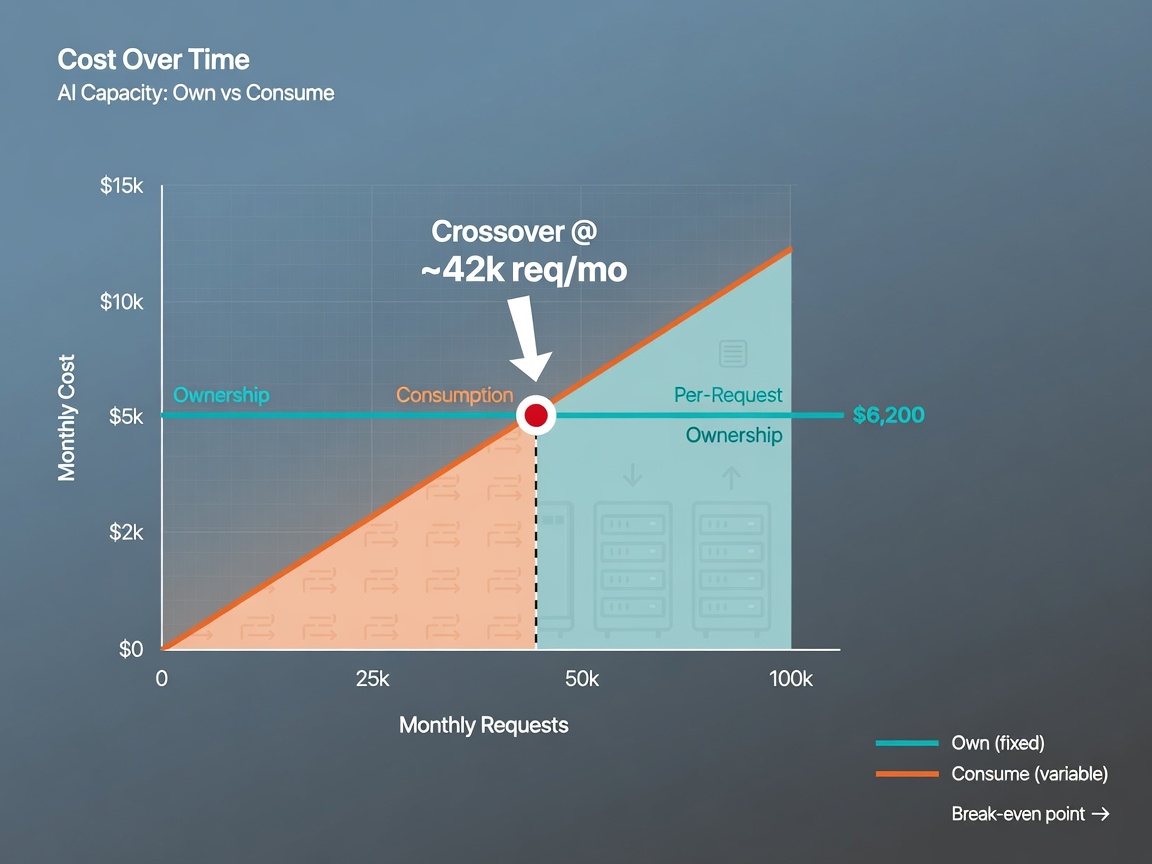
Owning Capacity Only Pays If You Keep It Busy Here's the part worth underlining: ownership is not automatically the lower cost answer.

The claim is that a user's playlist collection isn't just a list of songs but a connected structure whose interconnections carry PII carrying behavioral signals.

But the real story isn't just the bug itself—it’s the technical wall the AI hit while trying to find it.

Give a multimodal AI model nothing but a few sparse RGB frames, and ask it how far away the table is or which direction to walk — and now imagine it actually answers correctly.
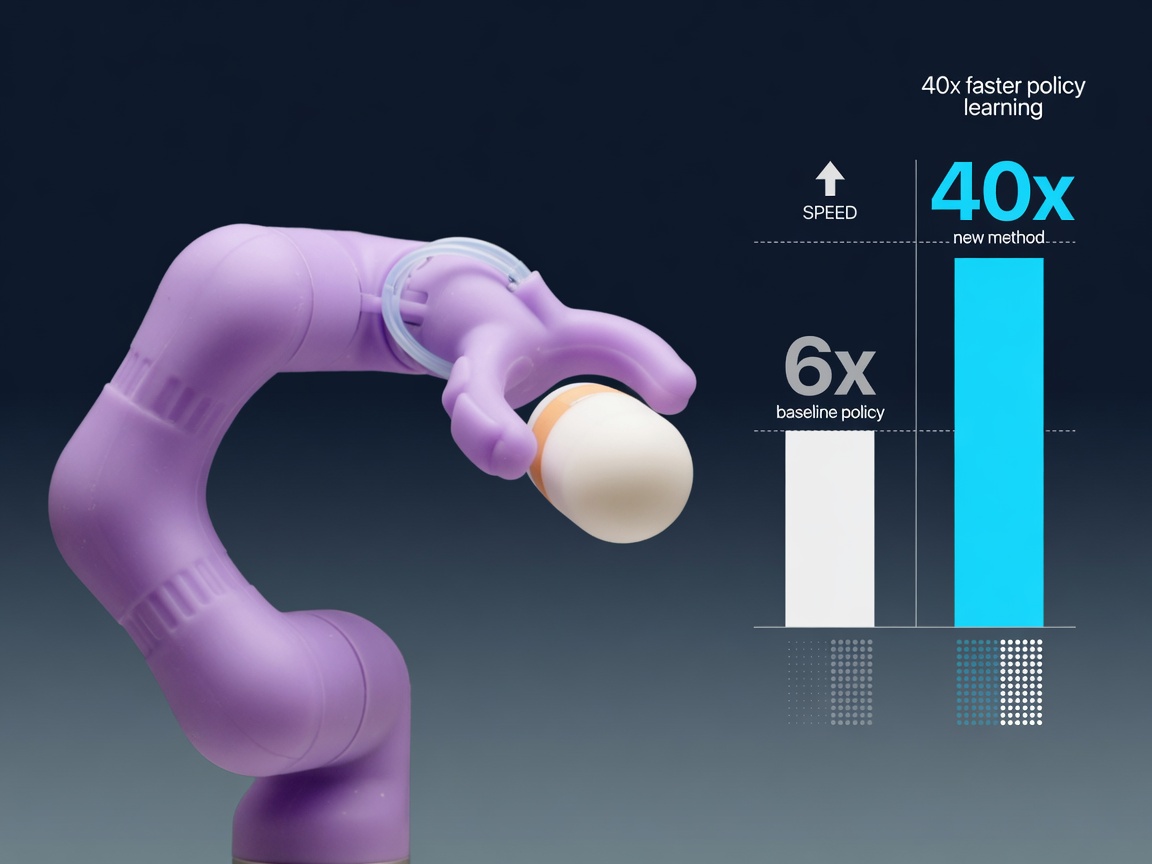
Speedups in simulation usually come with a trade: coarser physics, drift, or policies that train fast but fail on real hardware.
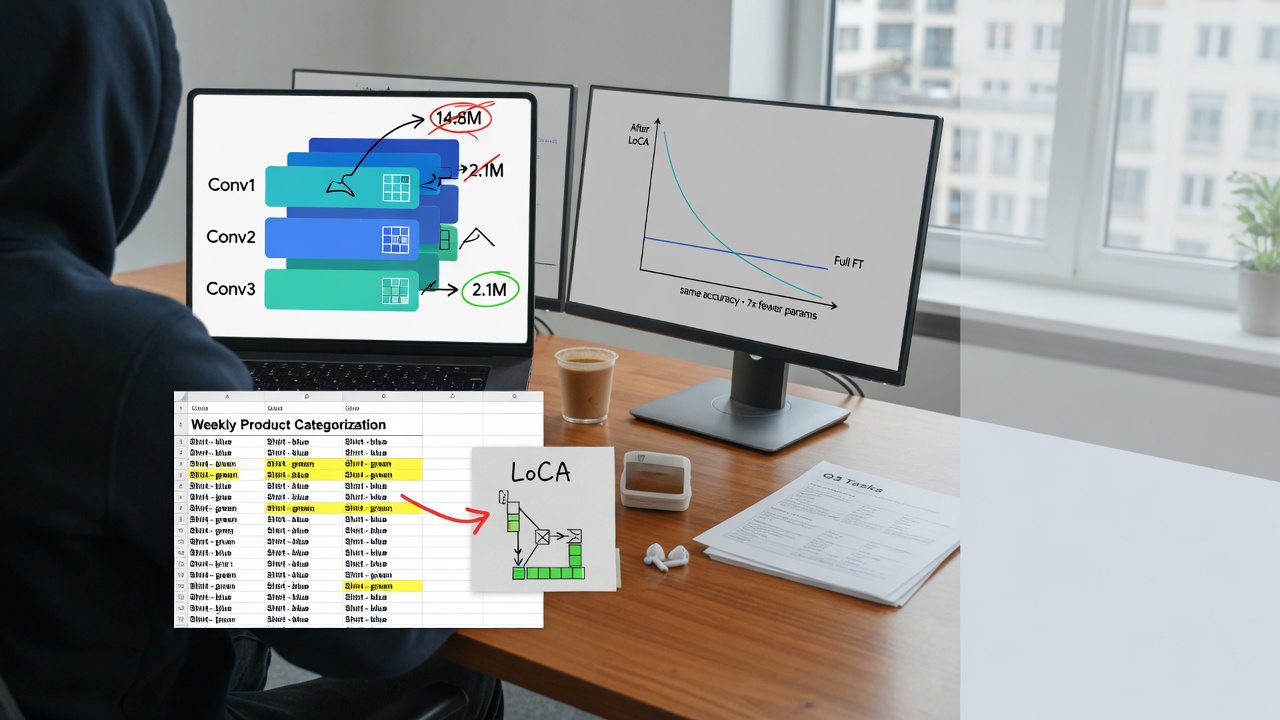
But here's the catch the source article highlights: convolutional operators in vision foundation model backbones remain relatively underexplored by PEFT methods.

Here's a what if that's now real: researchers have found a way to attack vision language models by reading the geometry of the model itself — and it works better than the usual tricks.
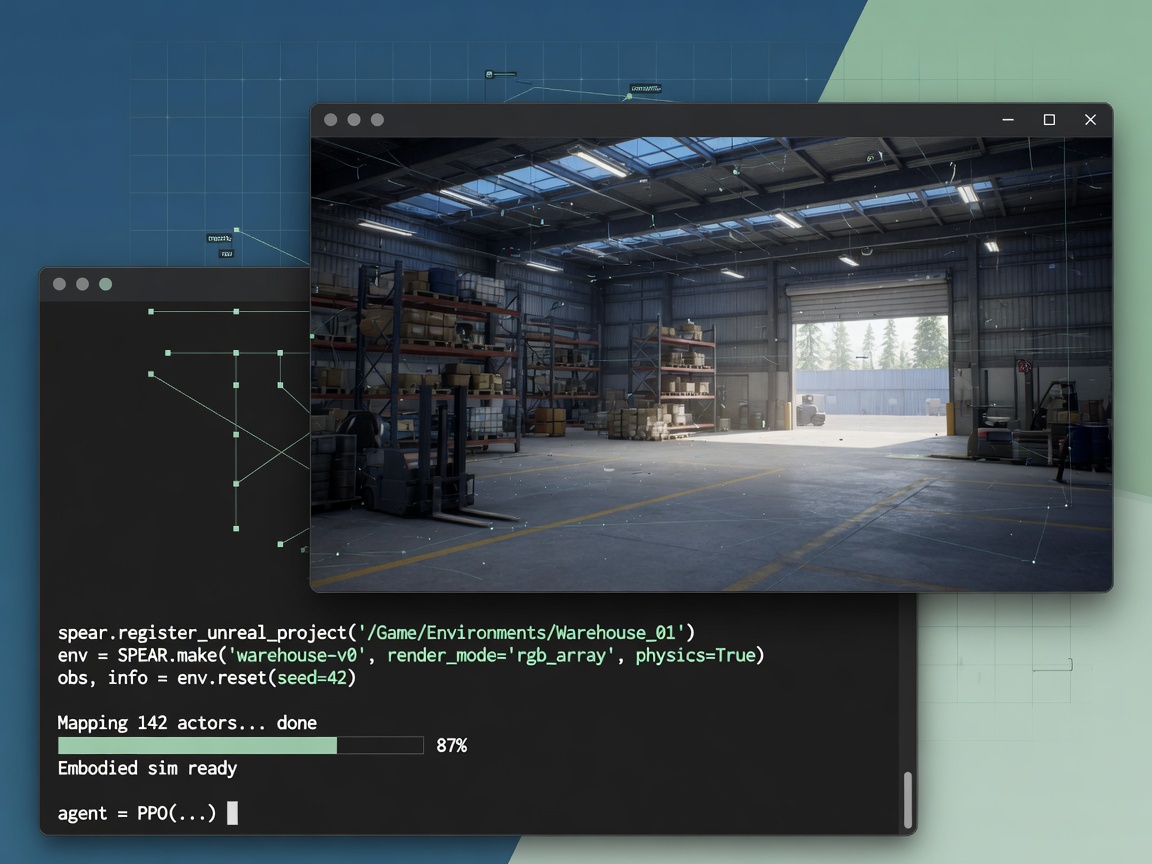
For anyone generating synthetic training data for segmentation, depth estimation, or 3D reconstruction, that's not a nice to have; it's supervision signal that previously required custom engineering.
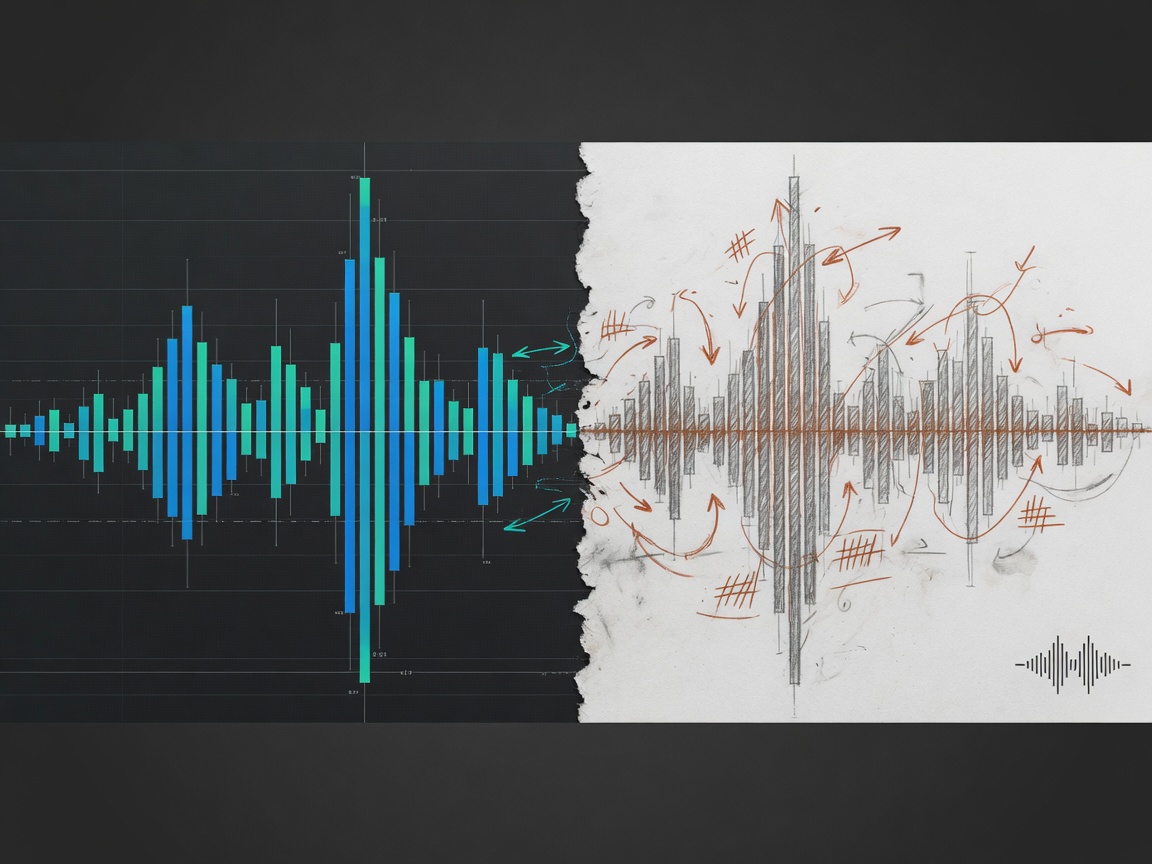
A new benchmark called MADB puts 9,999 music tracks in front of trained human annotators and asks models to match their judgments — and the models don't come close.

Because the method balances three competing components harm mitigation, cost, and participatory input you can vary the weights assigned to each and see what falls out.

It suggests that the bottleneck for consistent conversational editing might not be a lack of raw capacity in the models, but rather a lack of structured guidance on how to utilize historical context.

Fewer steps means less compute per image, which is exactly what you need when your GPU is also busy running your camera and your apps.

It suggests a shift from "stochastic parroting" to a form of cross disciplinary synthesis that mimics—or perhaps exceeds—human heuristic leaps.

NYC Mayor Zohran Mamdani just dropped the "Rental Ripoff Report," and it’s a massive signal for anyone building in the real estate tech stack.
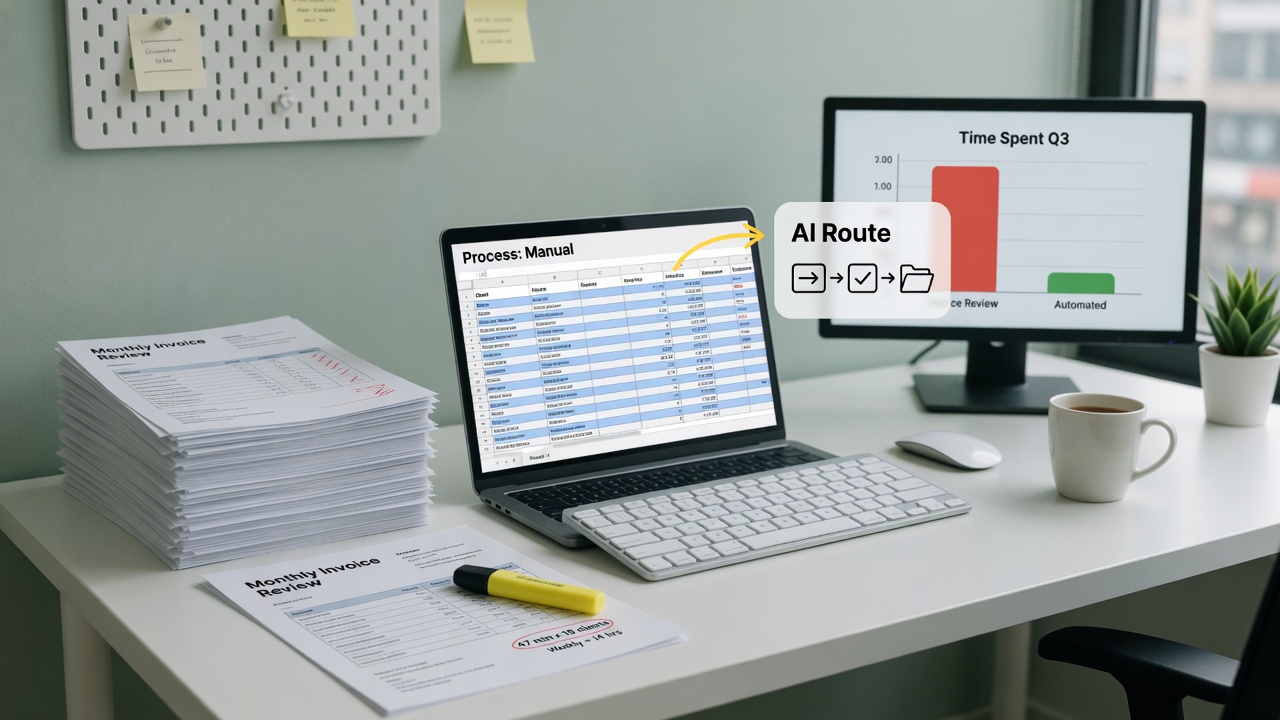
We are seeing a transition from "experimental" AI to "industrial" AI, where the cost of failure is no longer just a lost prototype, but a multi billion dollar sunk cost.

That's not a niche win that's breadth across proteins, small molecules, and inorganic crystals at once.
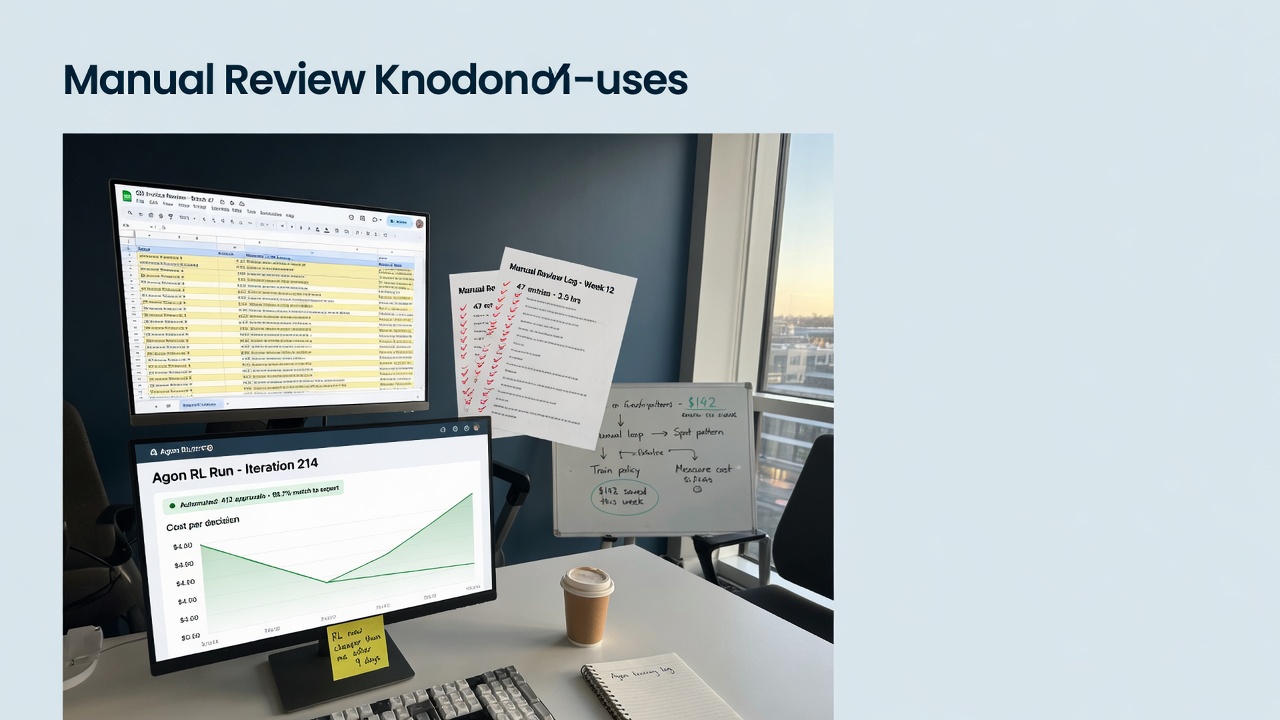
Volume The numbers reveal a significant reality check for production teams.
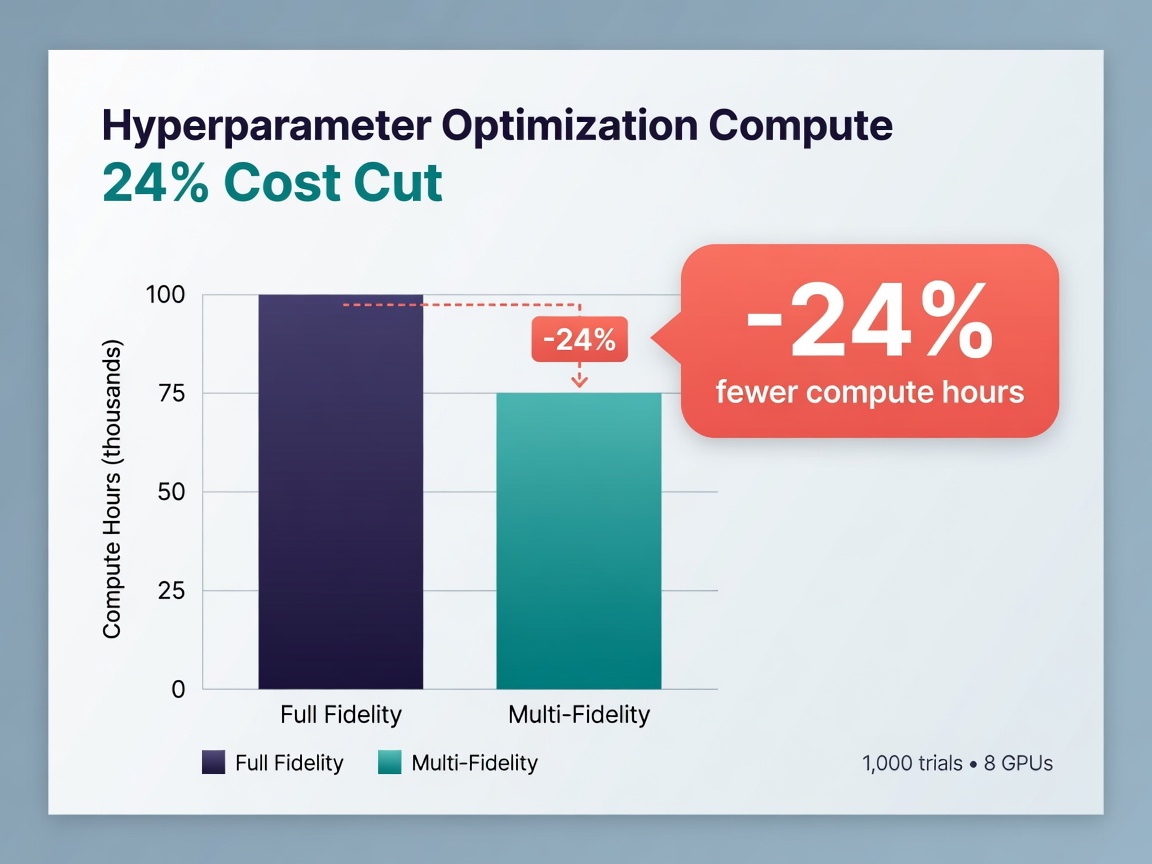
The high fidelity checks are expensive, so the system spends most of its budget on cheap approximations and only escalates when it needs real validation.
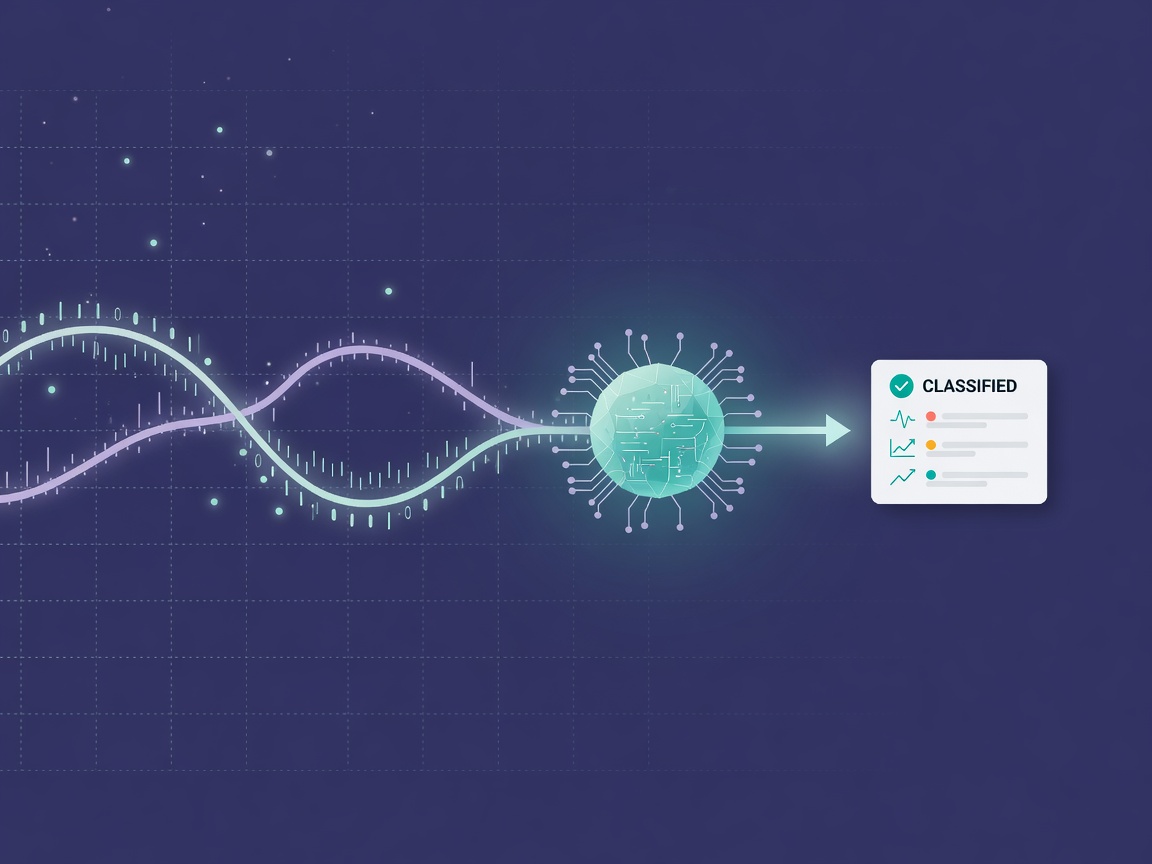
Despite that, it ranks first in ROC AUC and third on accuracy on the UCR benchmark, a standard collection of real world classification datasets, among all compared methods.
Those are the headline numbers, and they're worth taking seriously but the more interesting claim is buried underneath them.
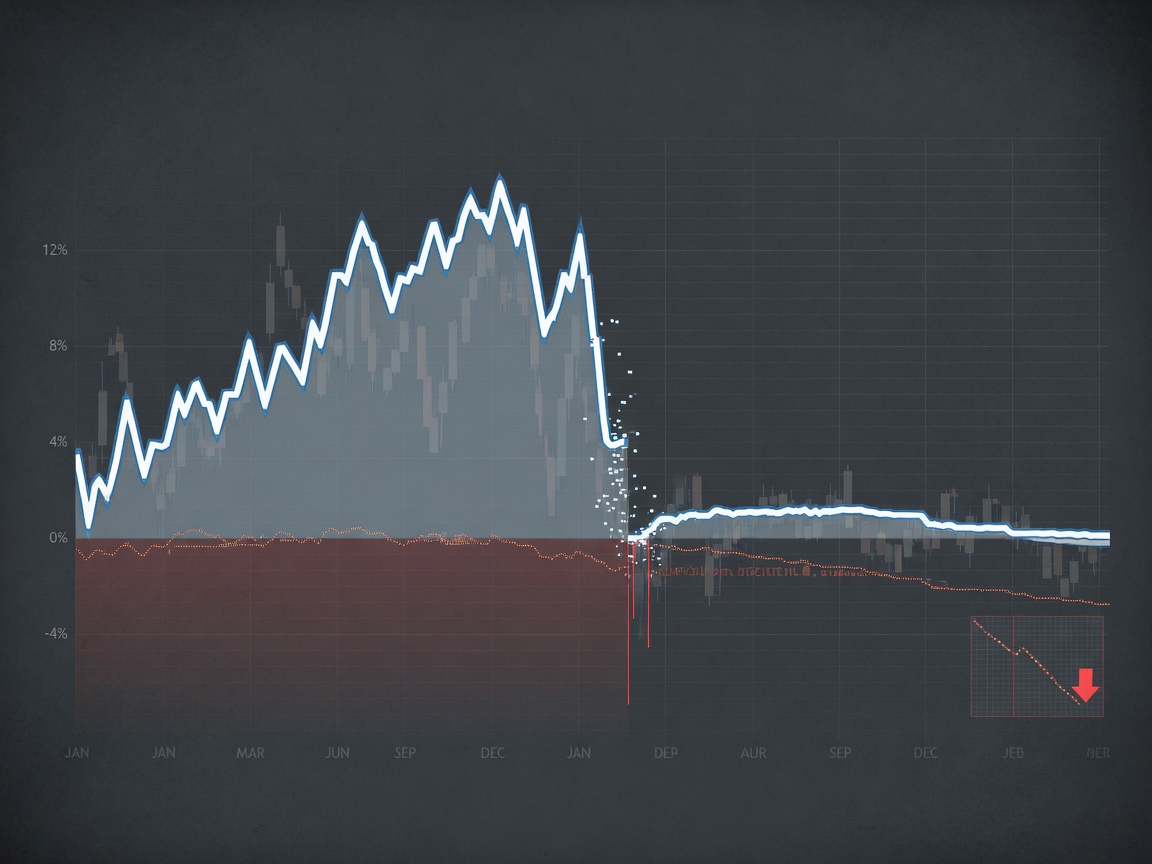
The MORP DRL framework claims to optimize portfolio returns while simultaneously managing downside risk across diverse market regimes.
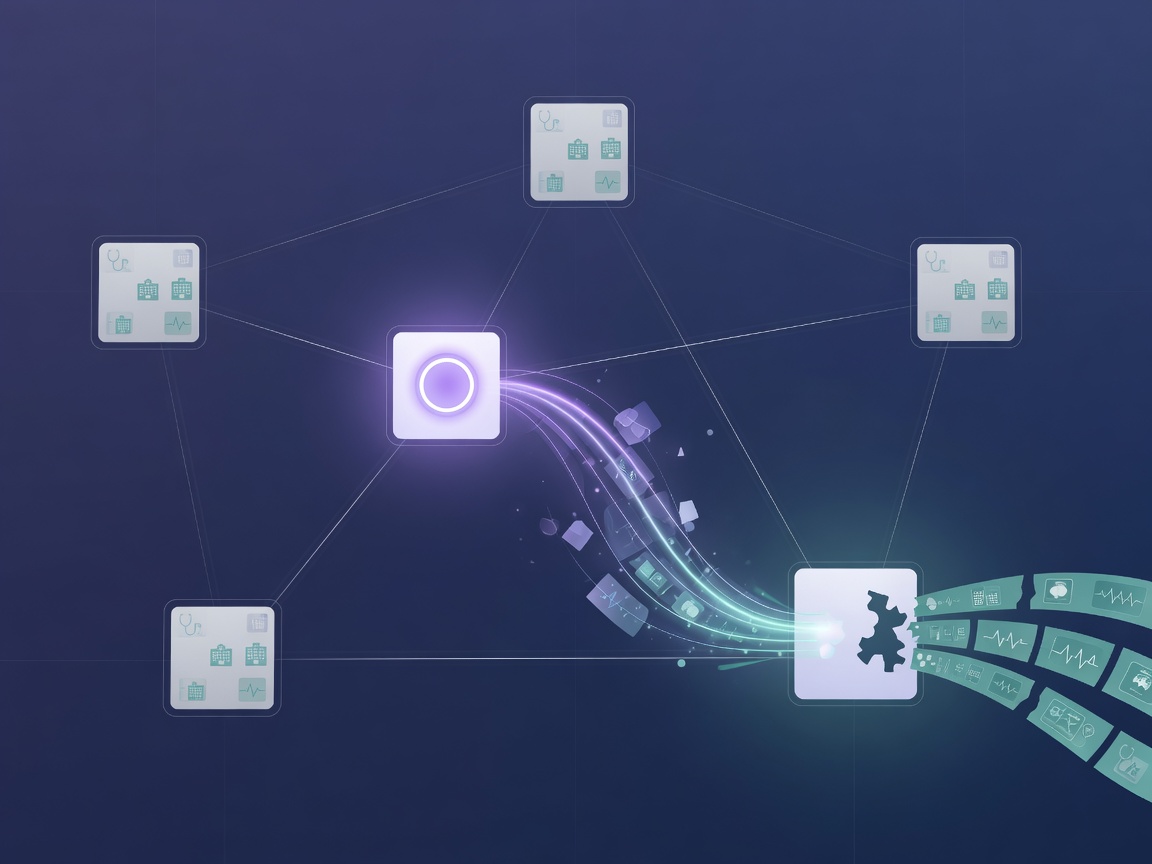
That's the promise of multimodal federated learning, and a new framework called ProMoE FL is making it genuinely robust to one of its messiest real world problems: missing modalities.

While the headlines scream about AI growth, the underlying free cash flow metrics are telling a much more complicated story about the cost of building the future.
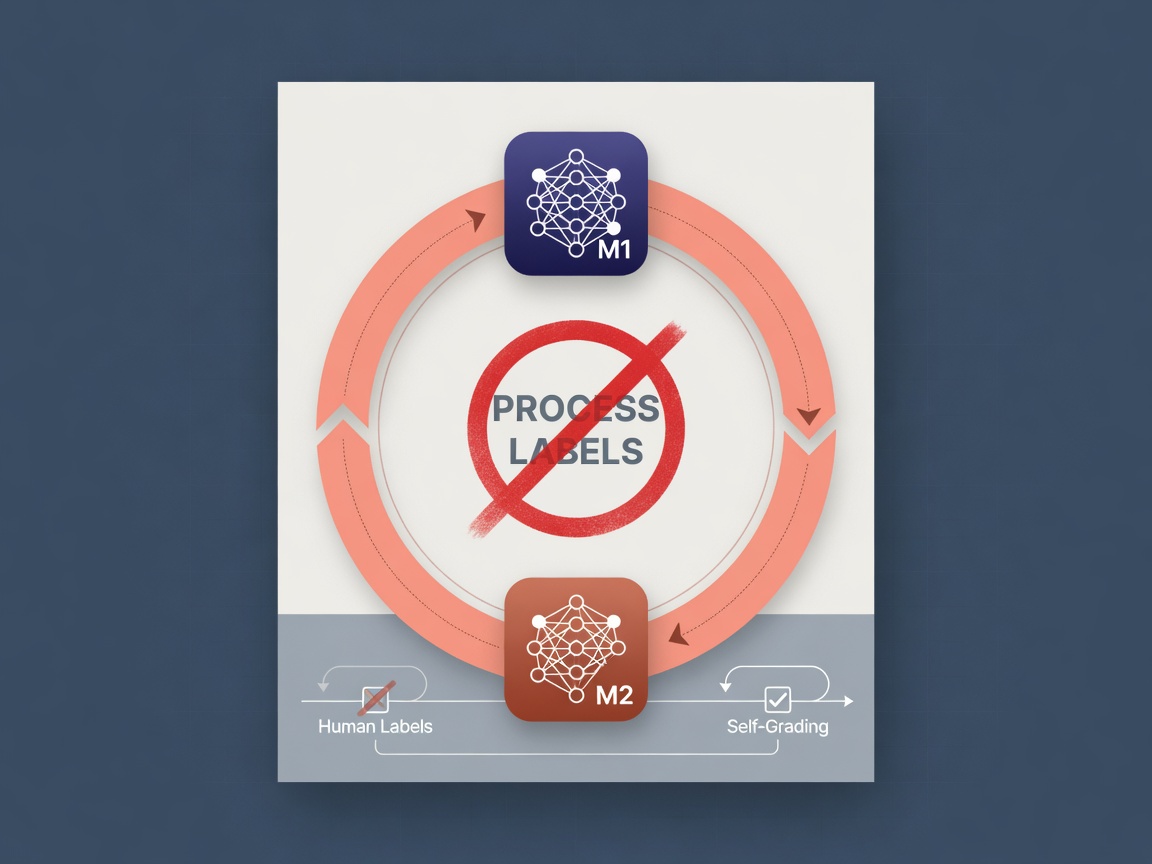
How the Two Model Loop Works The setup is simple enough to reason about before you trust it.
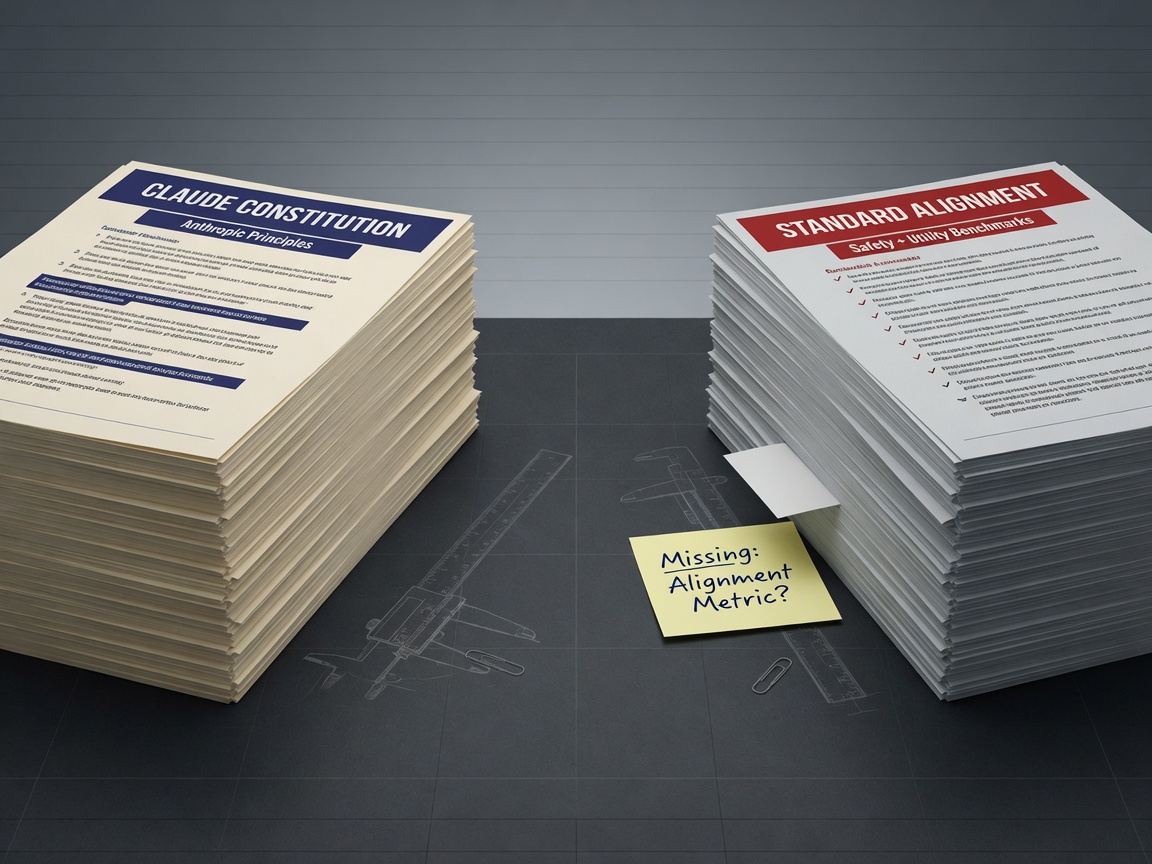
His framework mandates systems built exclusively to serve human welfare and explicitly rejects machine personhood or model rights.
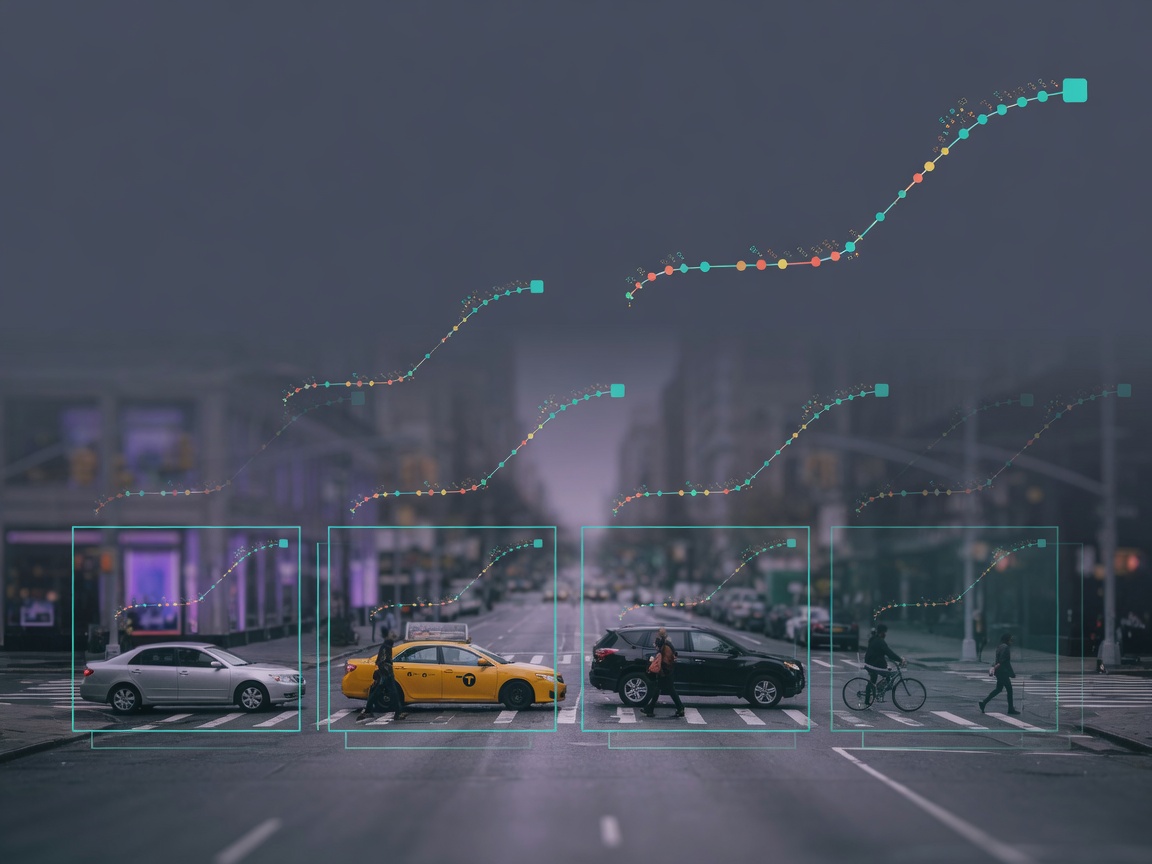
An object partially occluded at frame N gives you a corrupted appearance sample, and if that sample drives your matching decision, you can lose the track right when occlusion makes tracking hardest.
Real production time series is messier: multivariate streams, missing values, drifting distributions, class imbalance.
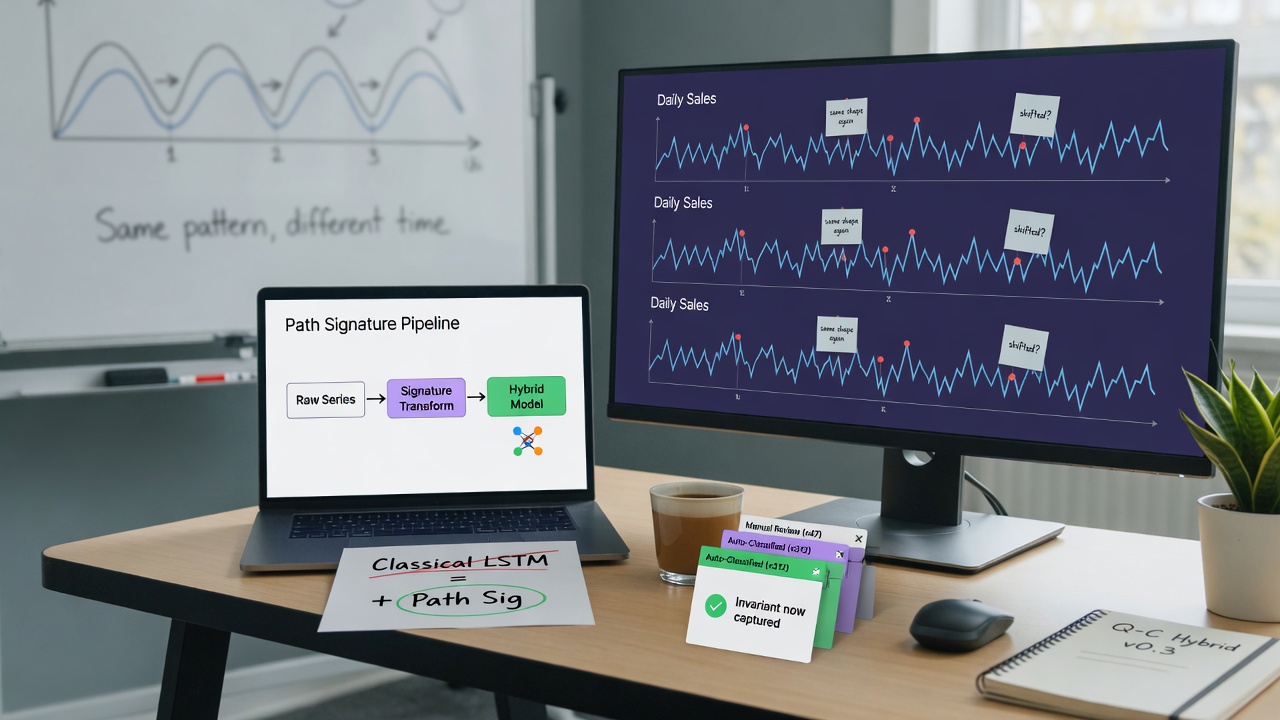
It allows for targeted hardware deployment: using classical methods where they are reliable and quantum solvers where they might offer a distinct advantage in handling the kernel's linear systems.

Another 21.2% stopped short of that word but said they would still be uncomfortable if a partner did it.

The authors state they'll perform further tuning and optimization of these methods in the future — which is their own signal that this is early stage work, not a validated product.
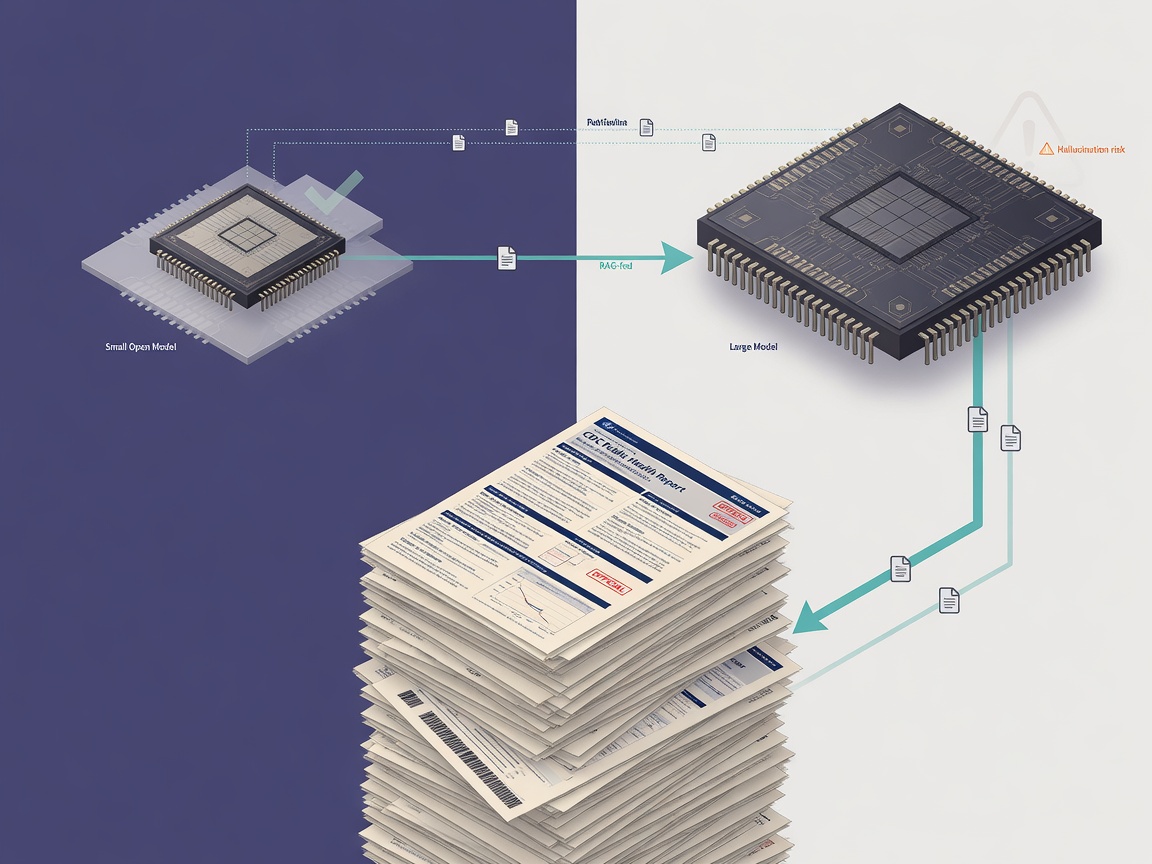
The researchers used rubric based LLM as a judge to assess faithfulness, completeness, clarity, and factual consistency, validated against dual human annotations.
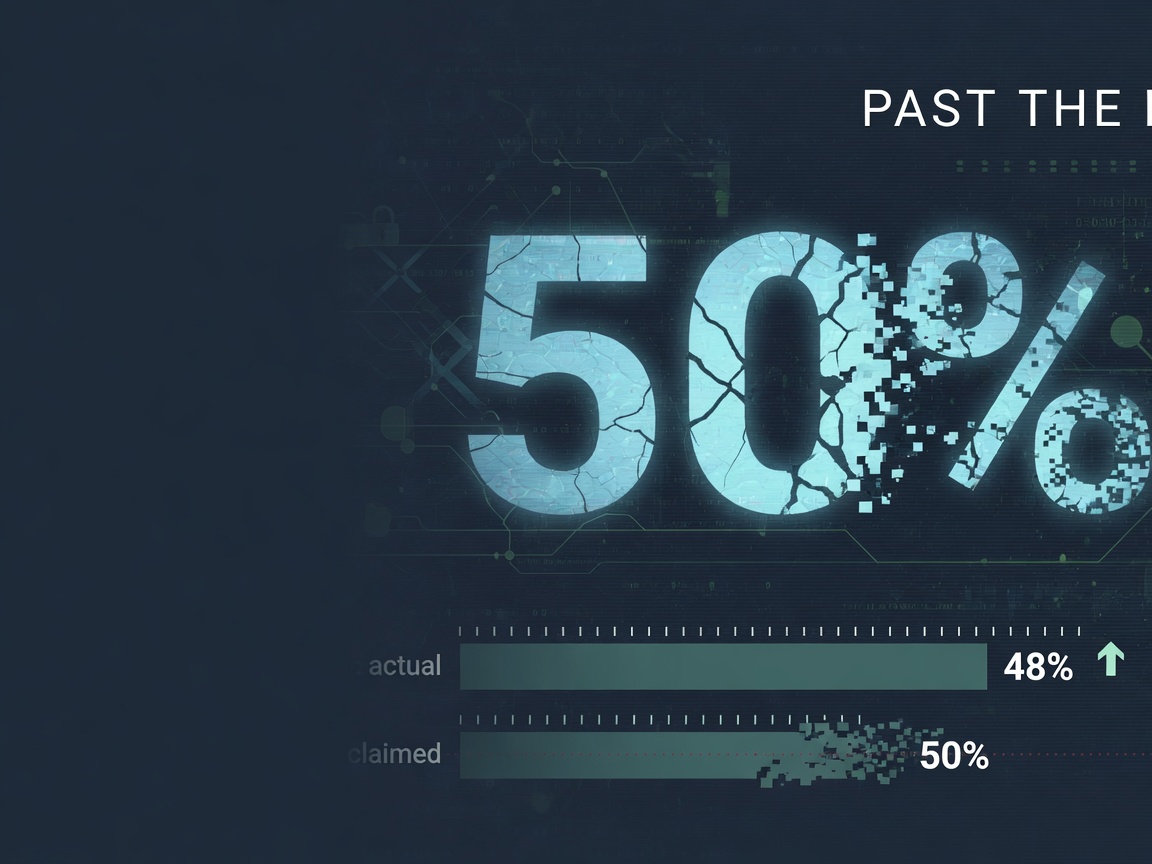
But the headline number deserves the skepticism its own methodology can't fully supply.

The Two Details That Do the Real Work Two pieces of this framework are easy to gloss over, but they're where most of the value lives.
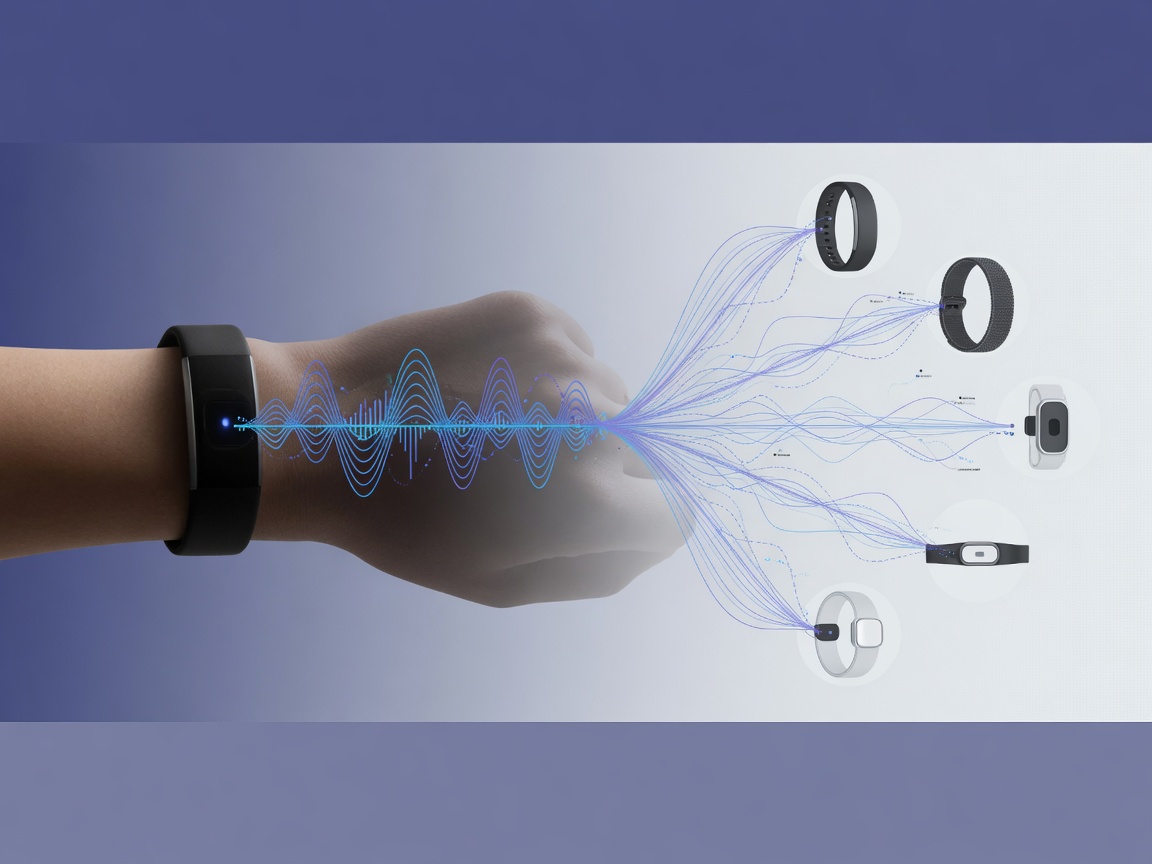
If pretraining on massive unlabeled accelerometer corpora lets teams skip per task data collection, the cost structure of building wearable motion features changes fundamentally.
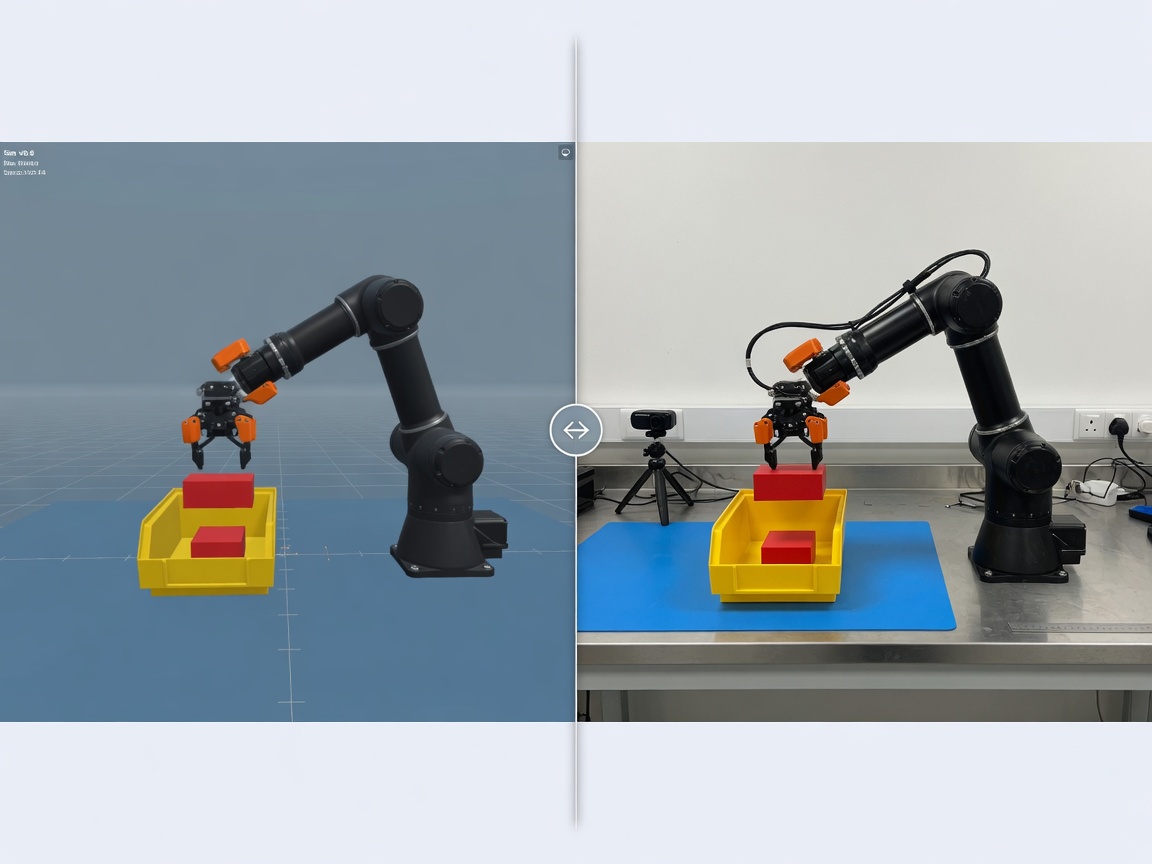
Robot manipulation policies have had no shortage of leaderboards, but almost none of them test what actually matters: whether a policy survives contact with a physical robot.

A new framework called ReMoDEx (Relevance Based Model Decision Explainability) is built to close exactly that gap, and the way it does it is more interesting than the number.
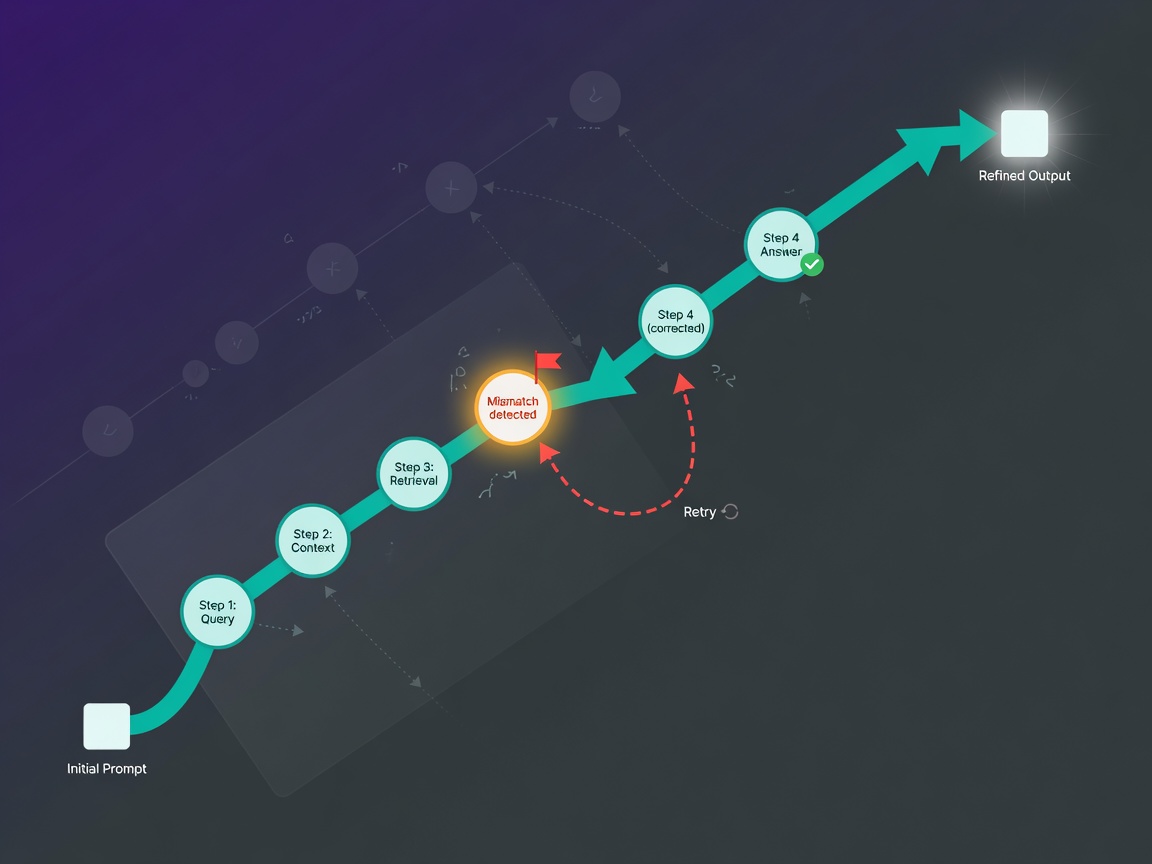
When reflections reliably localize early mistakes, in context search yields exponential improvements over the base model but it only needs a polynomial number of sequential attempts to get there.

AI is an excellent data distiller, but it is currently a mediocre tool for actual software development.

If Syensqo actually delivers both, that's differentiation; if it becomes table stakes, it's just cost.
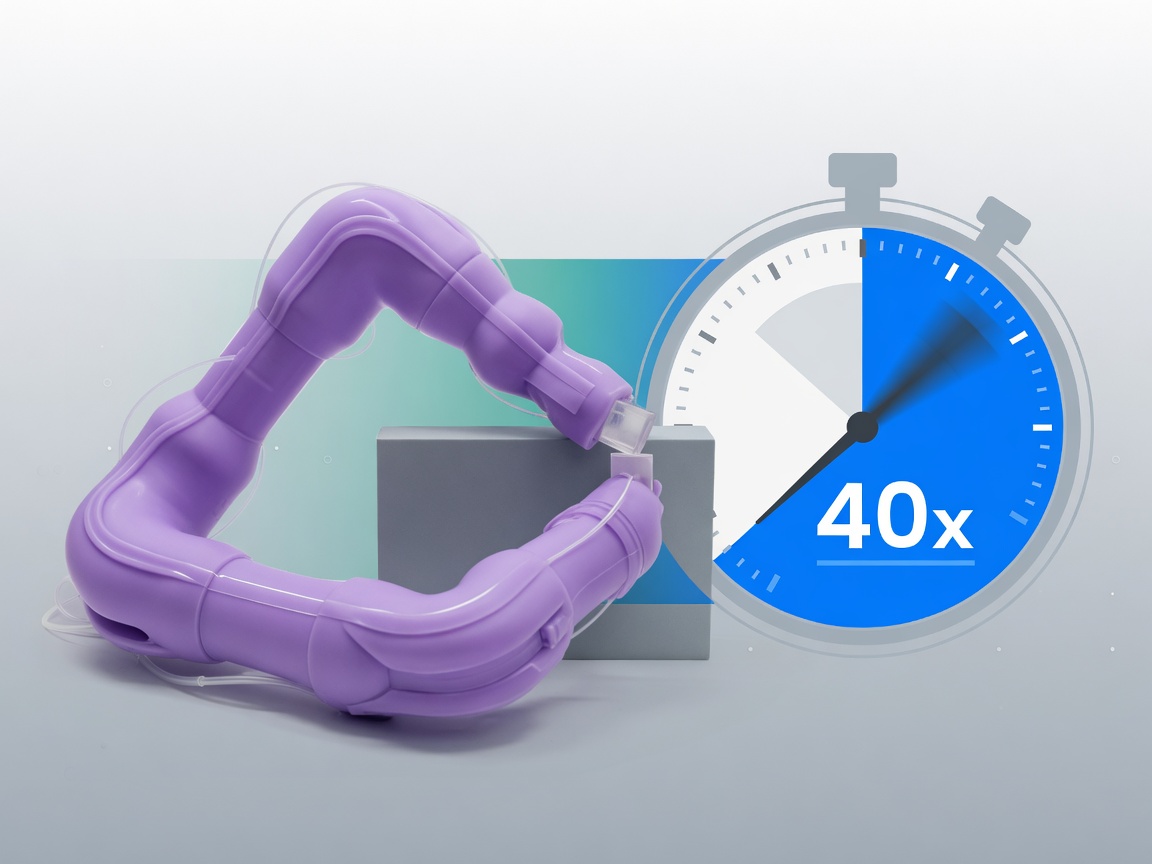
Training a soft robot policy just got up to 40x faster in contact heavy scenarios not through new hardware or a clever reward trick, but by fixing how the simulation itself steps through time.

That's an interesting result but the interesting question is what it does and doesn't demonstrate.
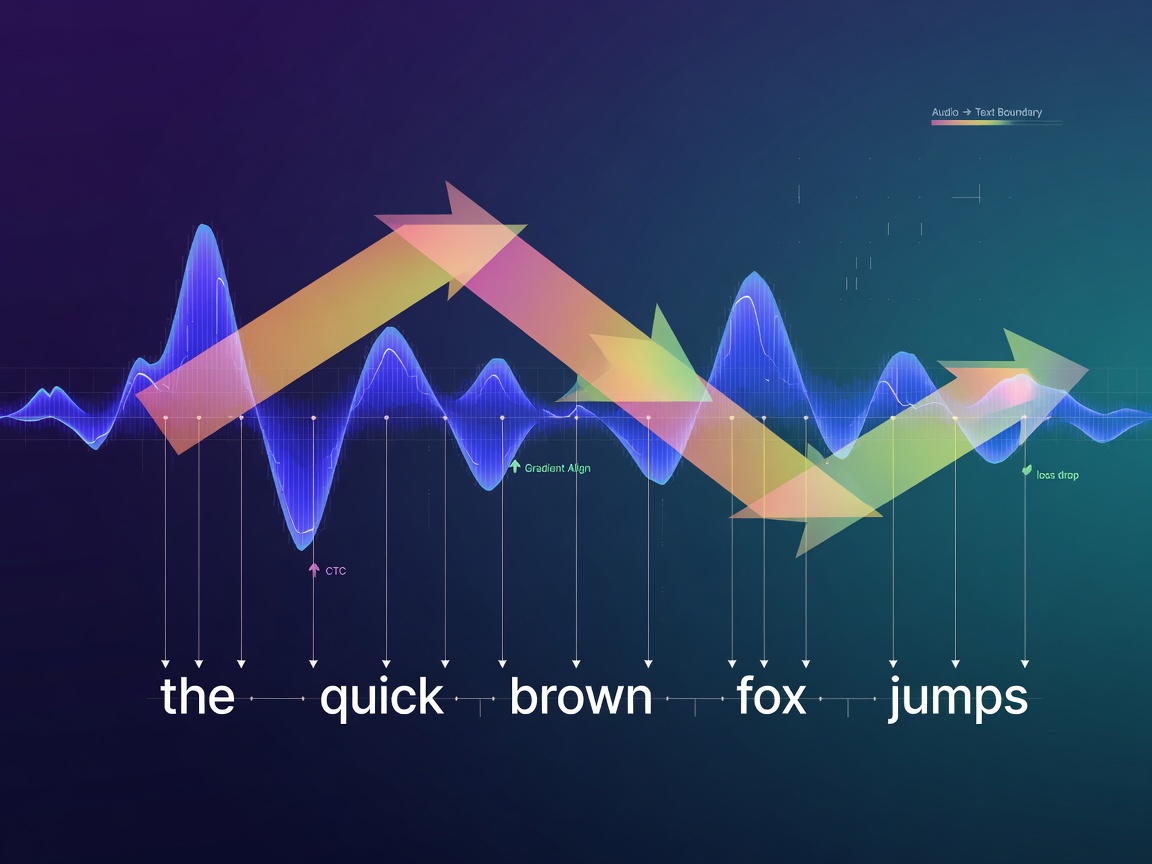
Where This Actually Fits In A Pipeline The real story here isn't that this replaces forced alignment tools it's that it removes the coupling between your ASR model and your aligner.

The objective was straightforward but difficult: create a cocktail of viruses capable of killing E.

It is fundamentally difficult to objectively oversee a provider that is simultaneously your primary service operator.
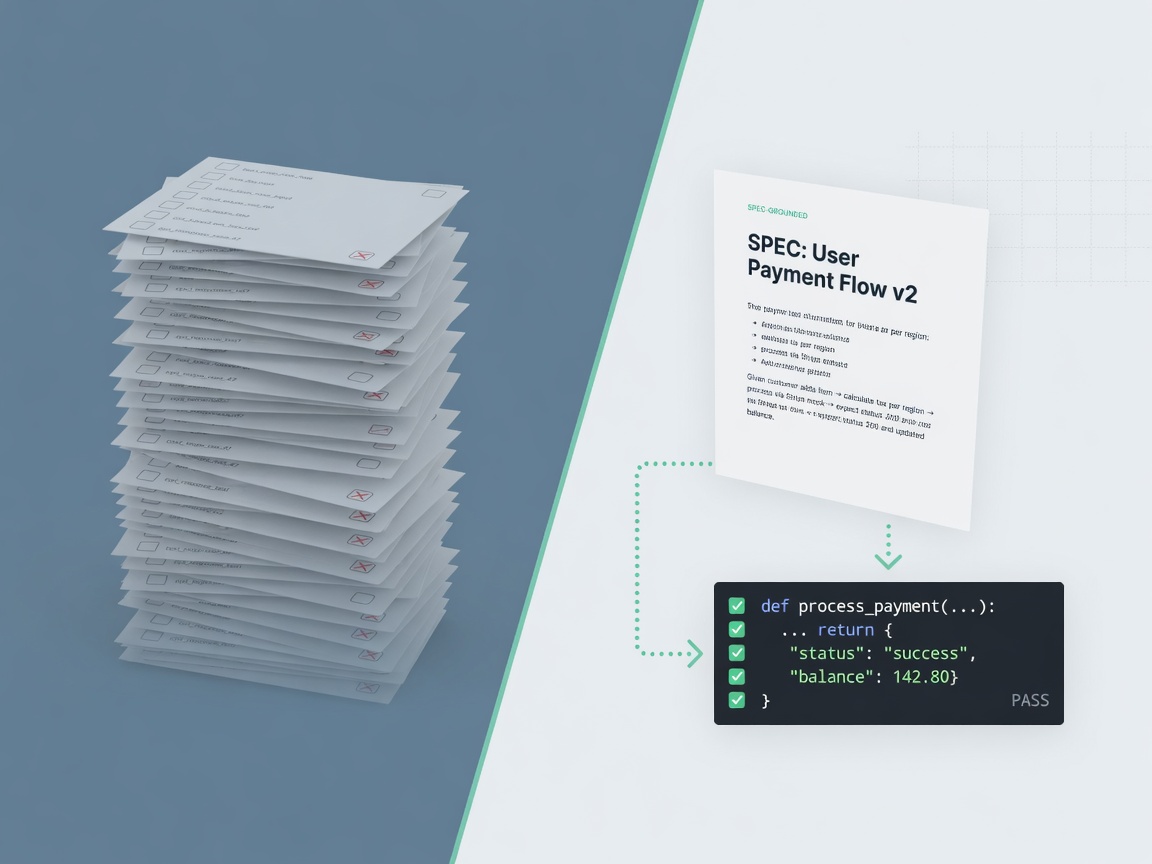
Doubling your AI coding assistant's test budget barely moves the needle on code quality — but grounding those tests in a written specification lifts correct code rates by 38 percentage points.
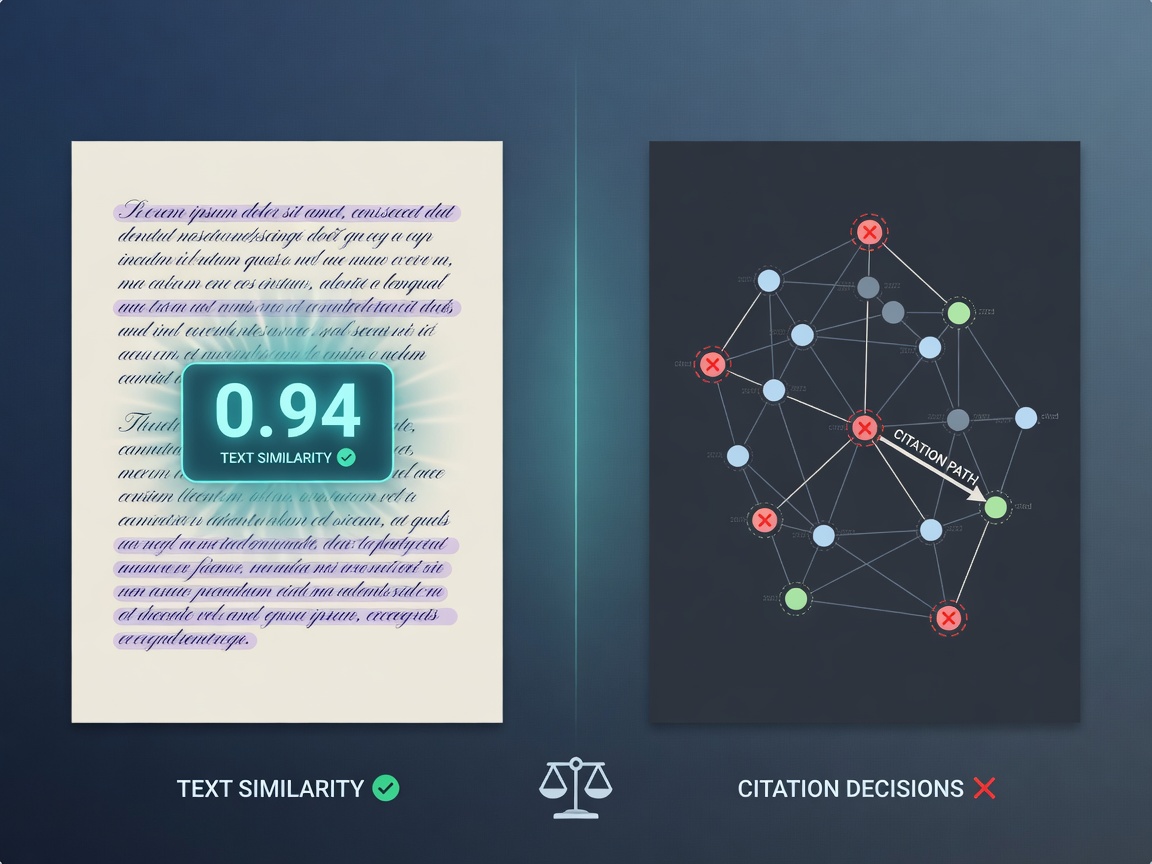
The test set is small but deliberately high fidelity: 100 papers accepted at ICLR, NeurIPS, or ICML whose author written related work sections have all their citations covered by the retrieval corpus.
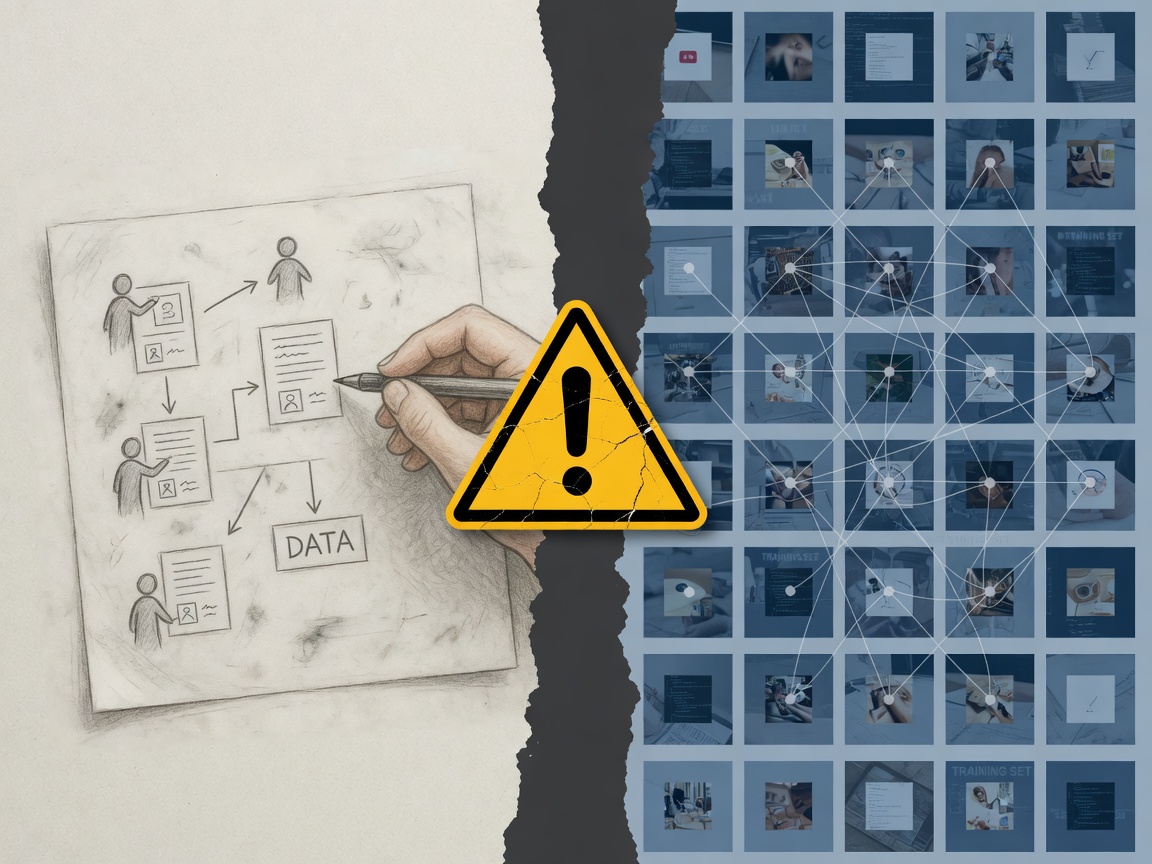
For anyone building in the AI space, the line between 'human made' and 'machine output' isn't just a philosophical debate—it’s becoming a massive trust and scalability problem.

These elements are invisible to human readers but are deliberately structured to be processed by large language models as ad impressions.
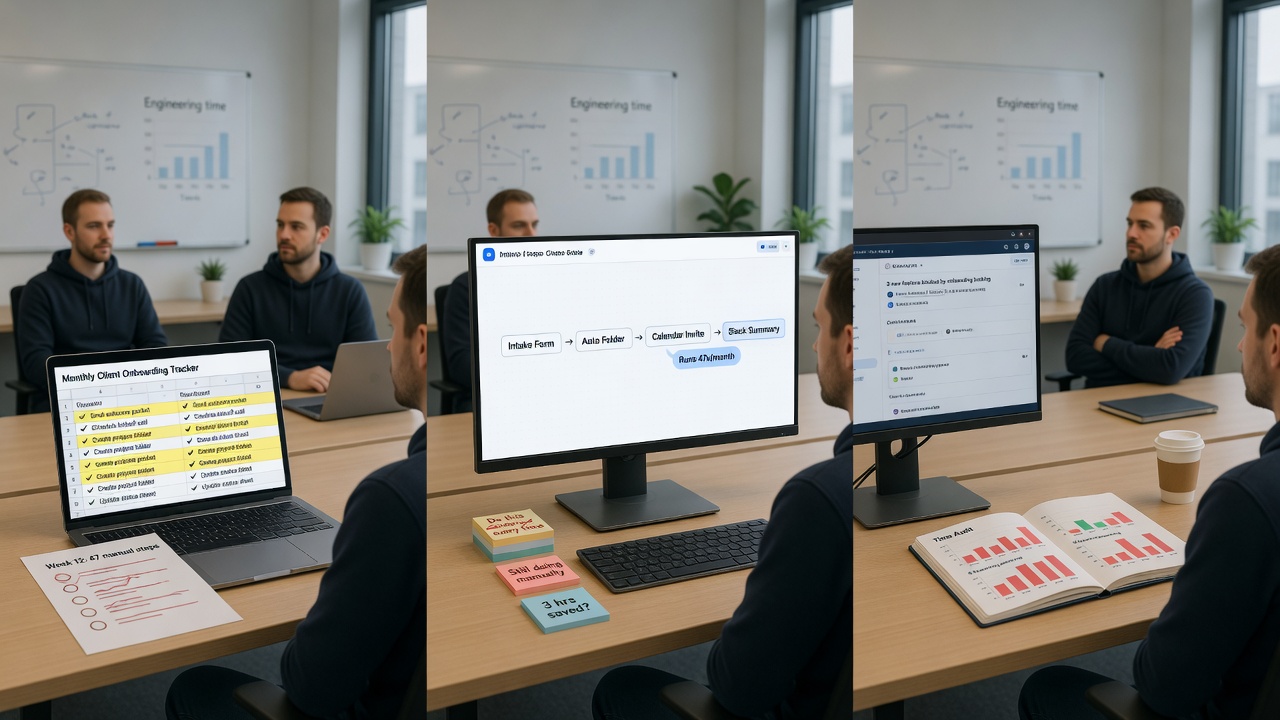
But for senior engineers, the "3x faster" narrative often falls apart when applied to complex system architecture.

With youth unemployment in South Africa at 47.4%, $37 an hour is not a marginal offer; it's roughly eighteen times the legal minimum wage.
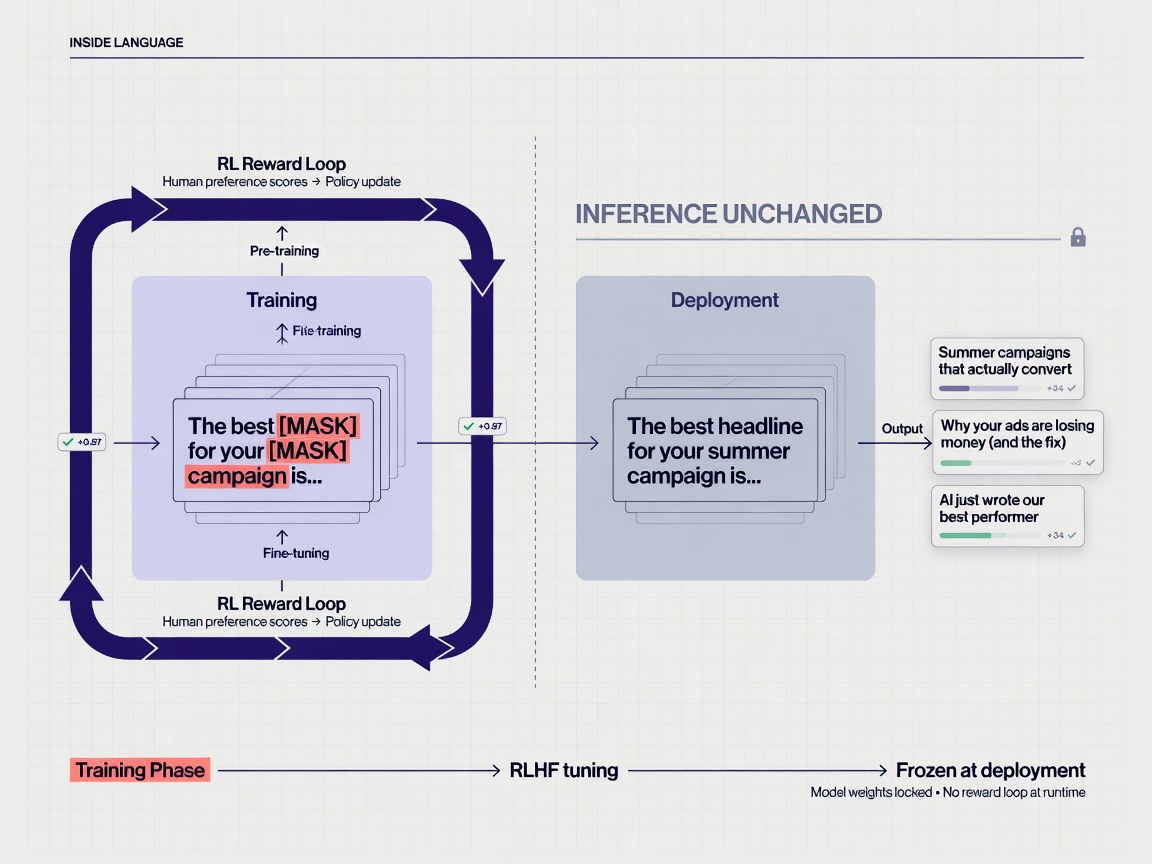
This is the part most explanations stop at "they used RL" — but the detail that actually matters is what it lets you avoid.
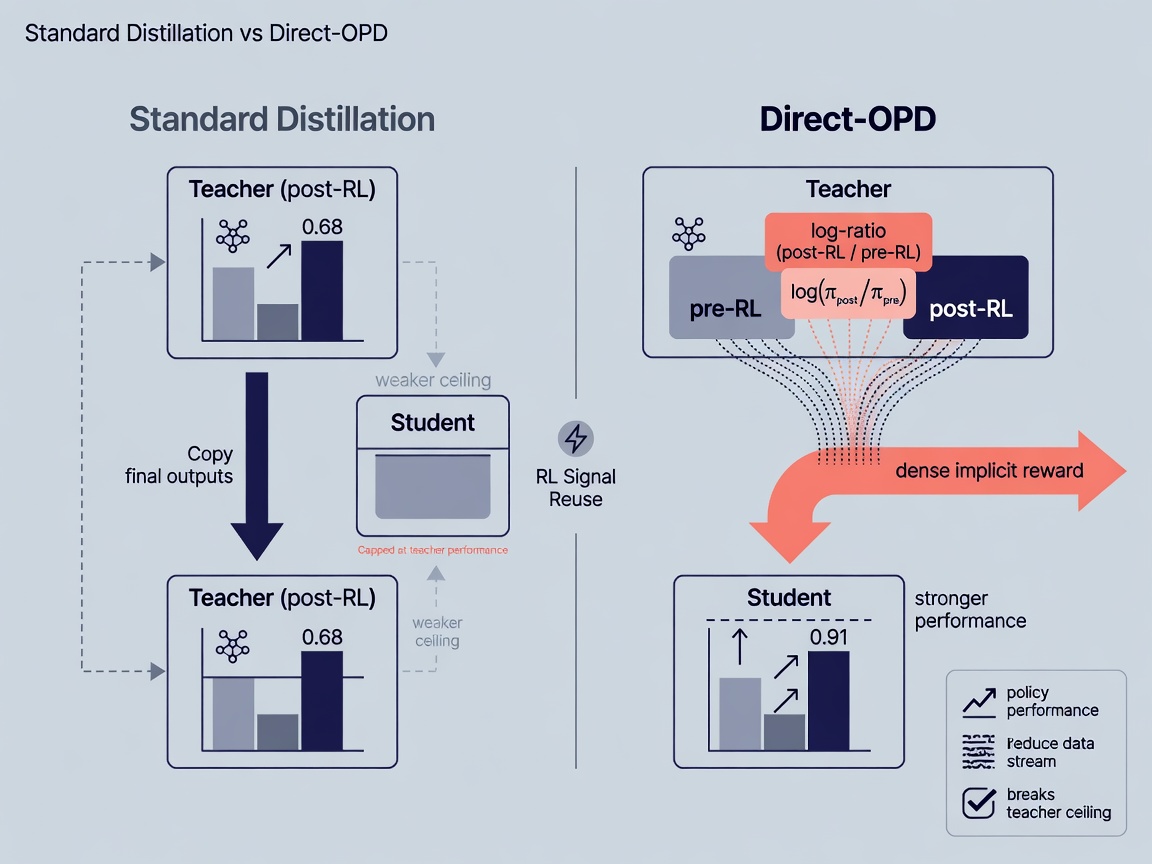
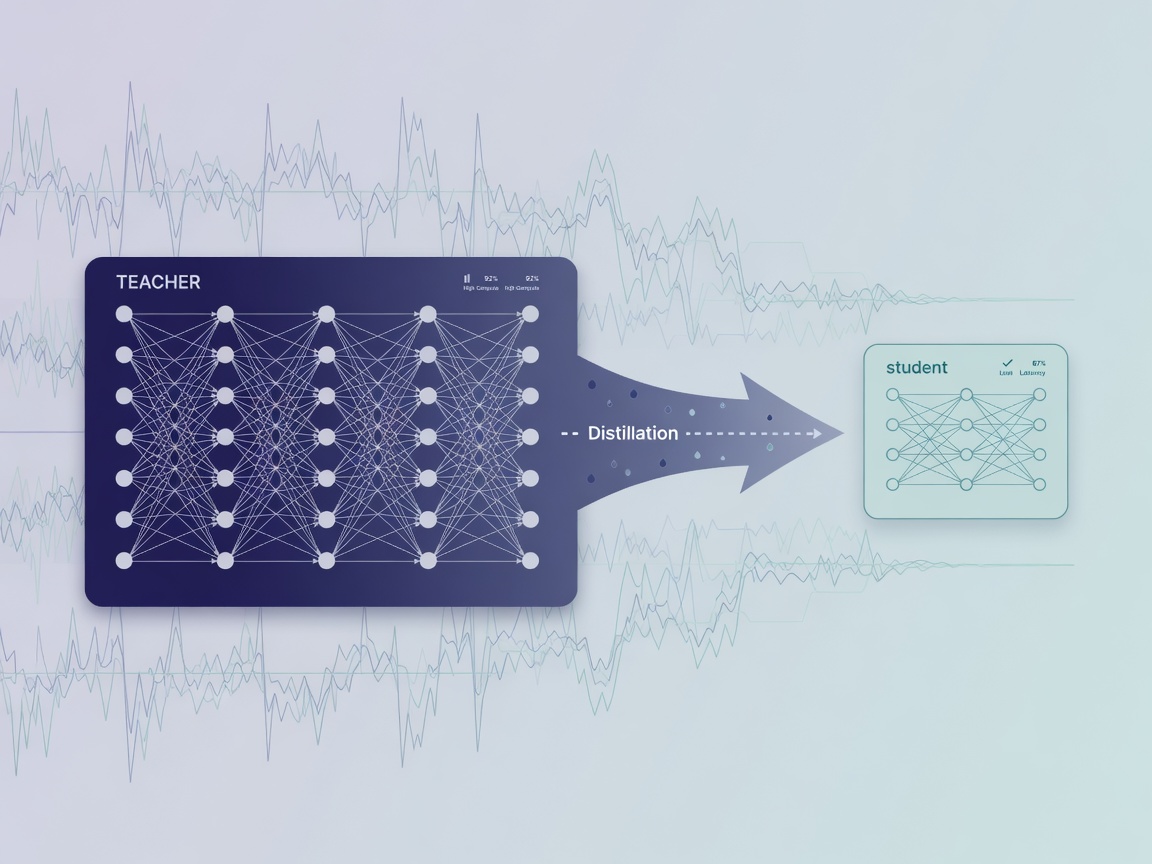
That reframing is what lets the researchers describe weaker teachers consistently improving stronger target models — the student inherits the direction of improvement, not the teacher's final capability level.
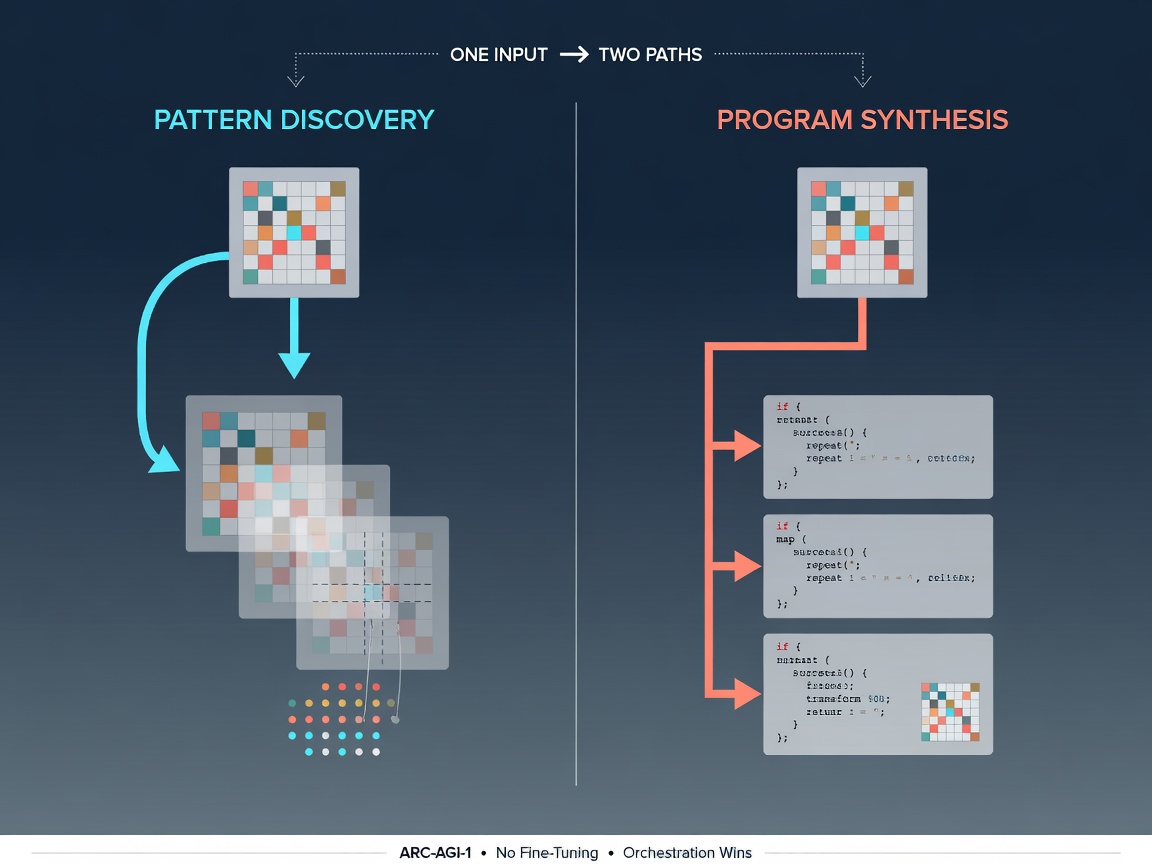
At $0.25–$0.62 per task, this is cheap in absolute terms, but it's a multiplier on baseline inference cost: you're paying for multiple candidate generations plus orchestration overhead to buy reliability.
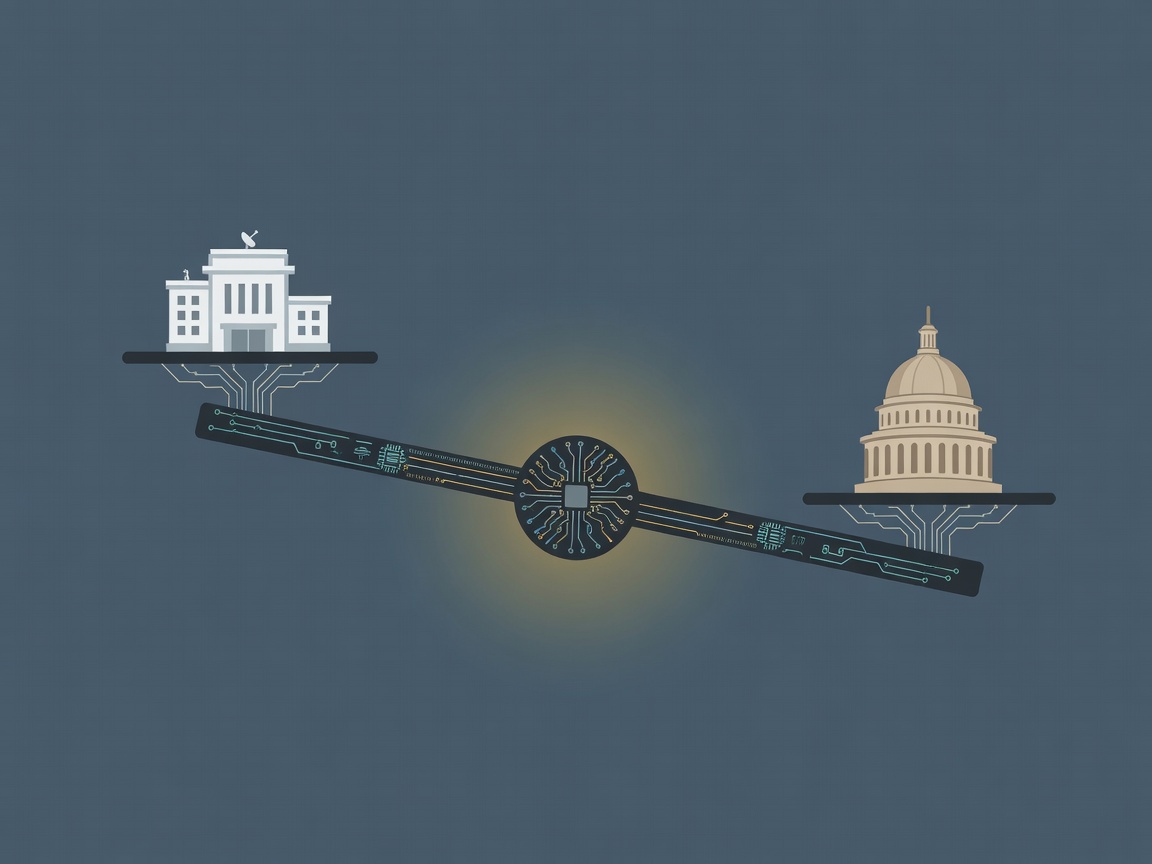
Why AI Labs Could Become a Counterbalance to Government The core claim is structural, not rhetorical.

Once a technology sits underneath how a government processes intelligence or runs critical functions, replacing it stops being a procurement decision and becomes a strategic one.

It monitors headlines in real time, resetting a countdown every time a story featuring "AI" pops up.

Engineering the Hardware Software Handshake For any builder looking at this stack, the hardware roadmap is where the real complexity lives.
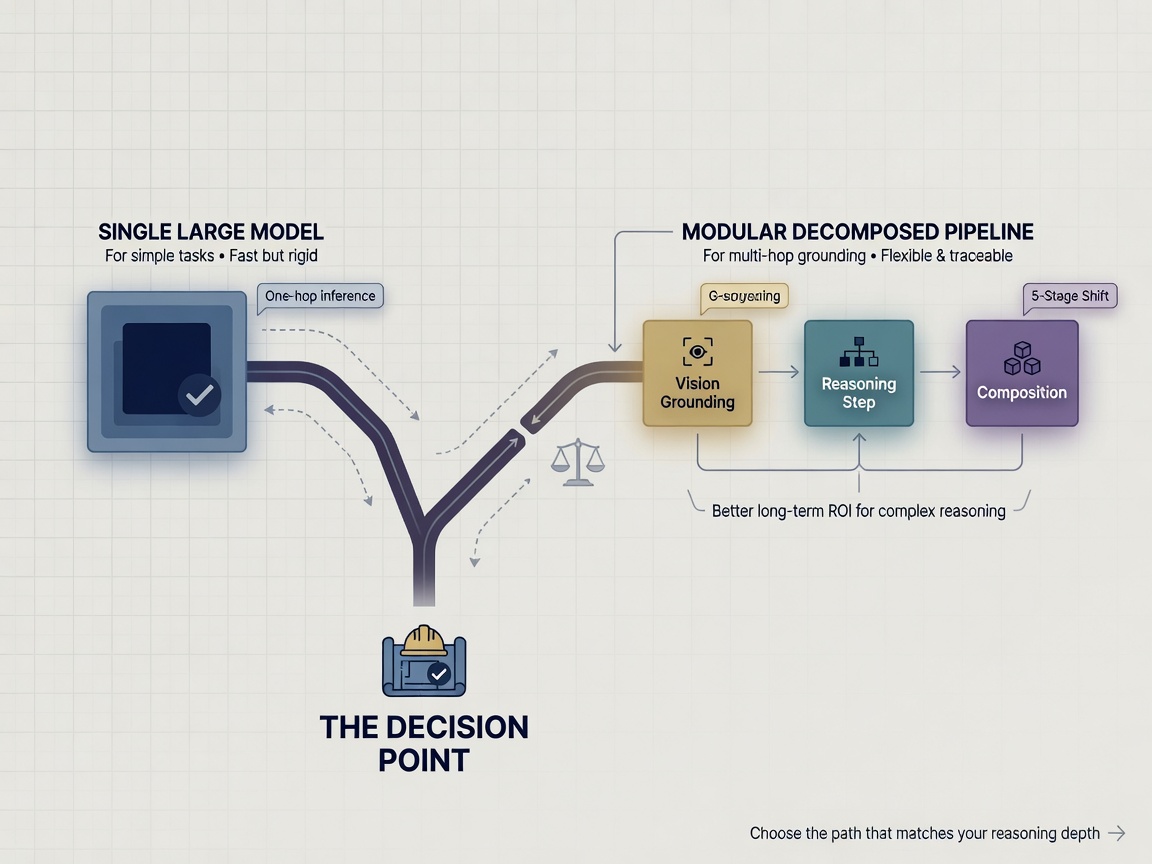
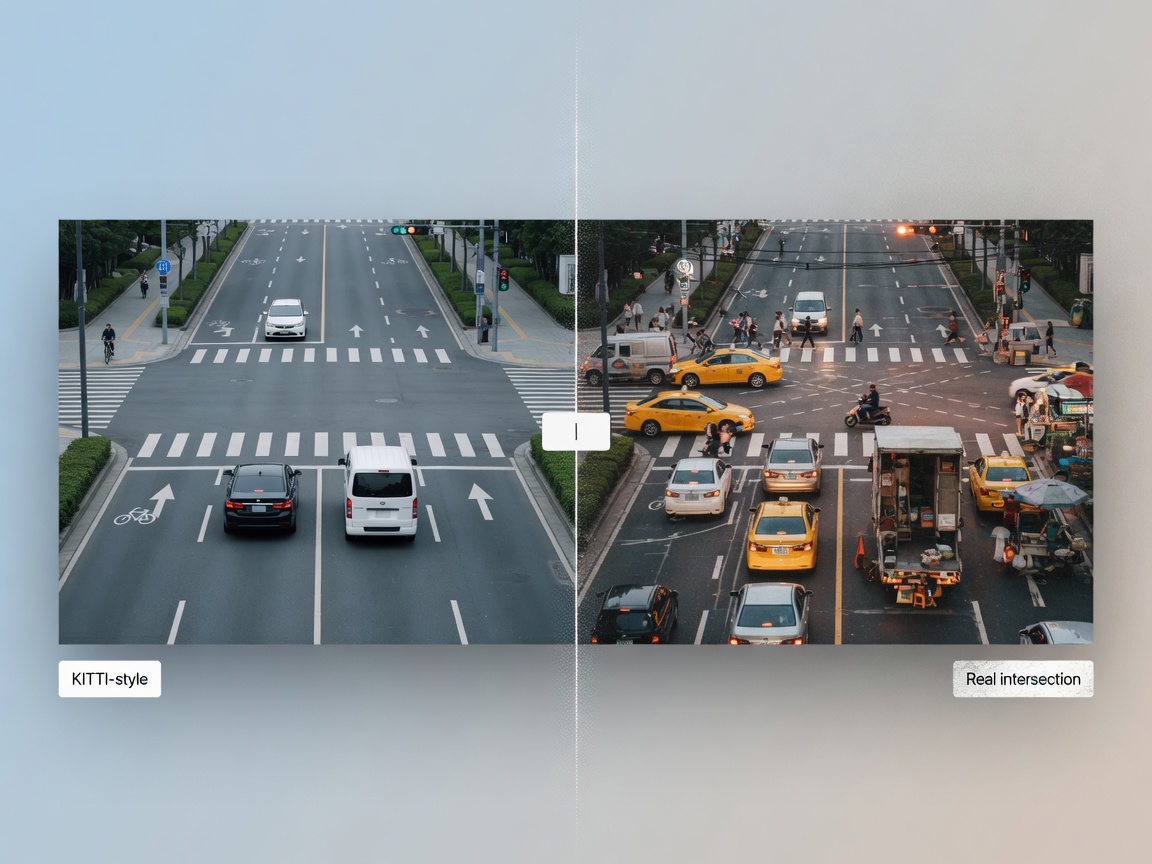
Anyone who has shipped a VQA system and watched it ace the test set and then fall apart on real images will recognize this failure mode immediately.

What Training Free Actually Buys You The phrase "training free" gets thrown around a lot, but here it means something concrete.
We’re looking at a rapid convergence toward a system that can mirror human level cognition across the board.
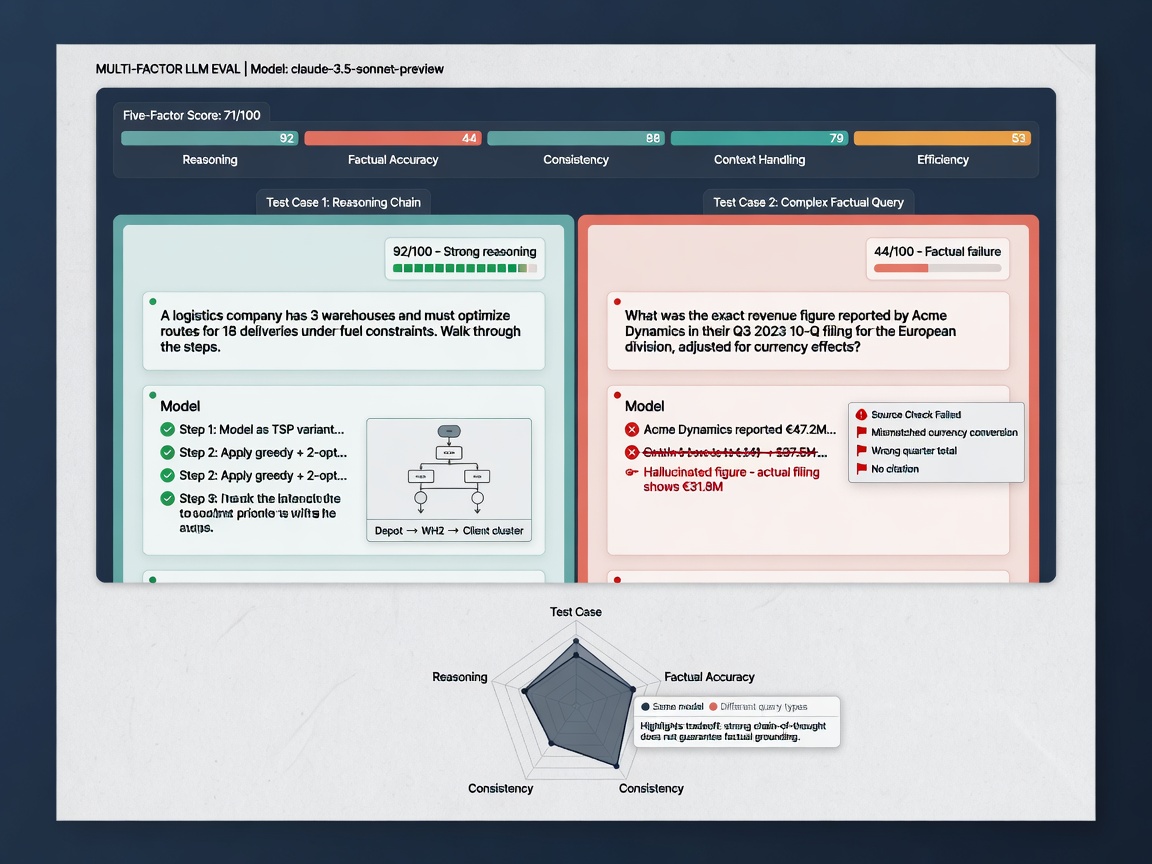
But the framework also identifies pervasive limitations in navigating complex facts and ambiguities exactly the failure mode that matters most when you're putting a model in front of customers.
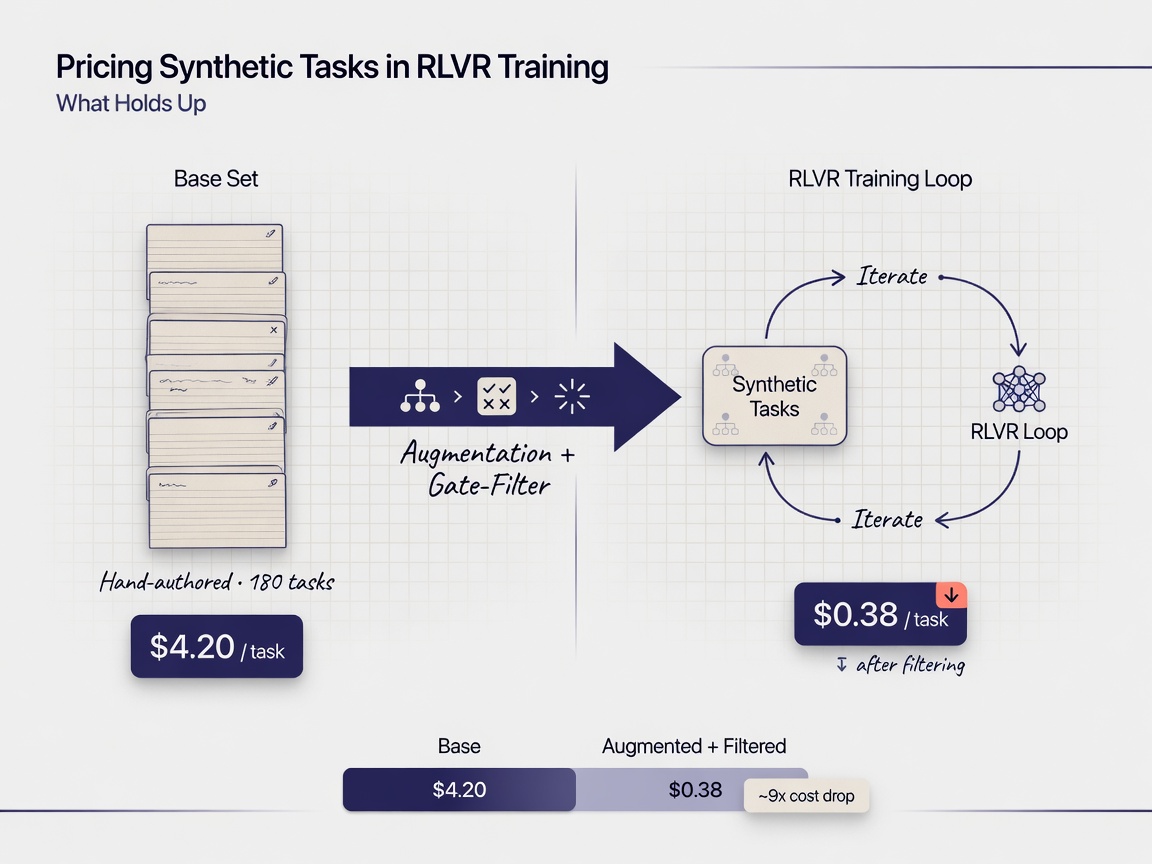
Synthetic augmentations of hand authored RLVR tasks can substitute for additional human written ones at a cost ratio between 1.4x and 11.6x, depending on where your curation costs actually land.

That's not a wish list anymore it's the direction a recent arXiv paper on interactive AI systems for structural design is actively mapping out.

But the number alone isn't the interesting part; what the method does with its token budget is.

But this isn't just a hardware refresh; it’s a strategic effort to centralize proprietary model training and large scale scientific predictions into a unified environment.
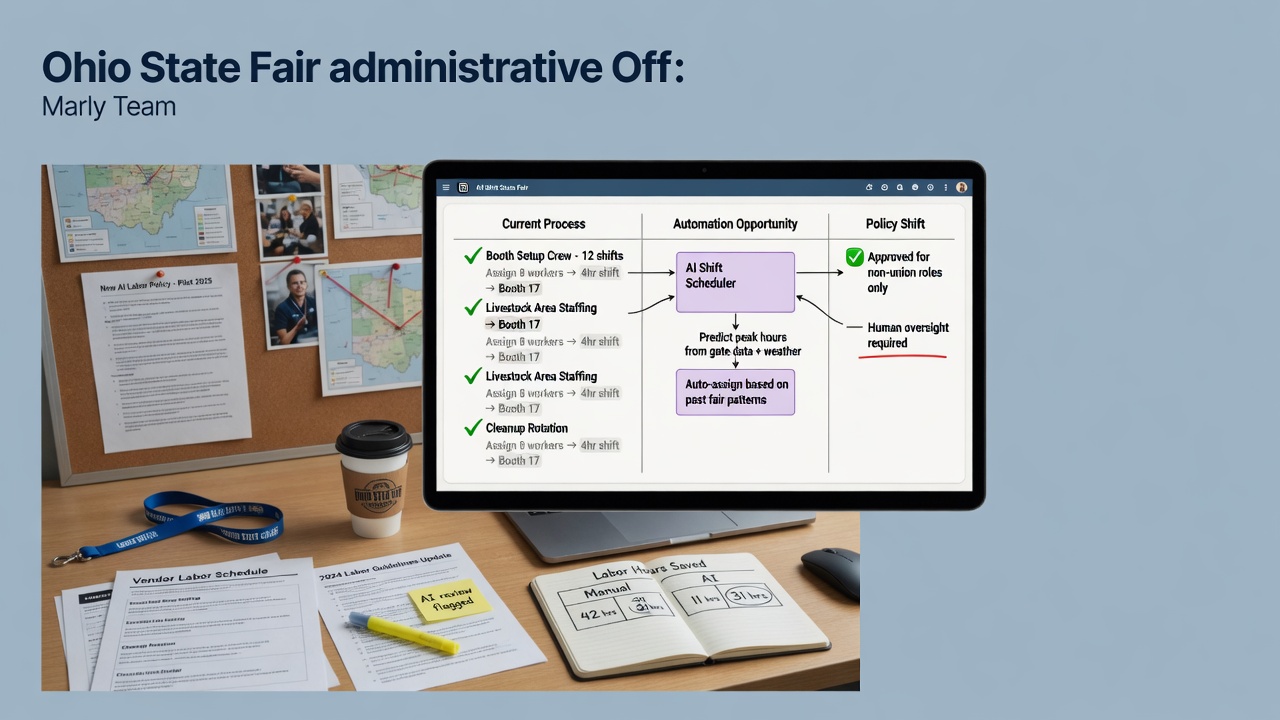
The Ohio State Fair is moving to formalize a "human only" barrier for its poster contests by 2027.
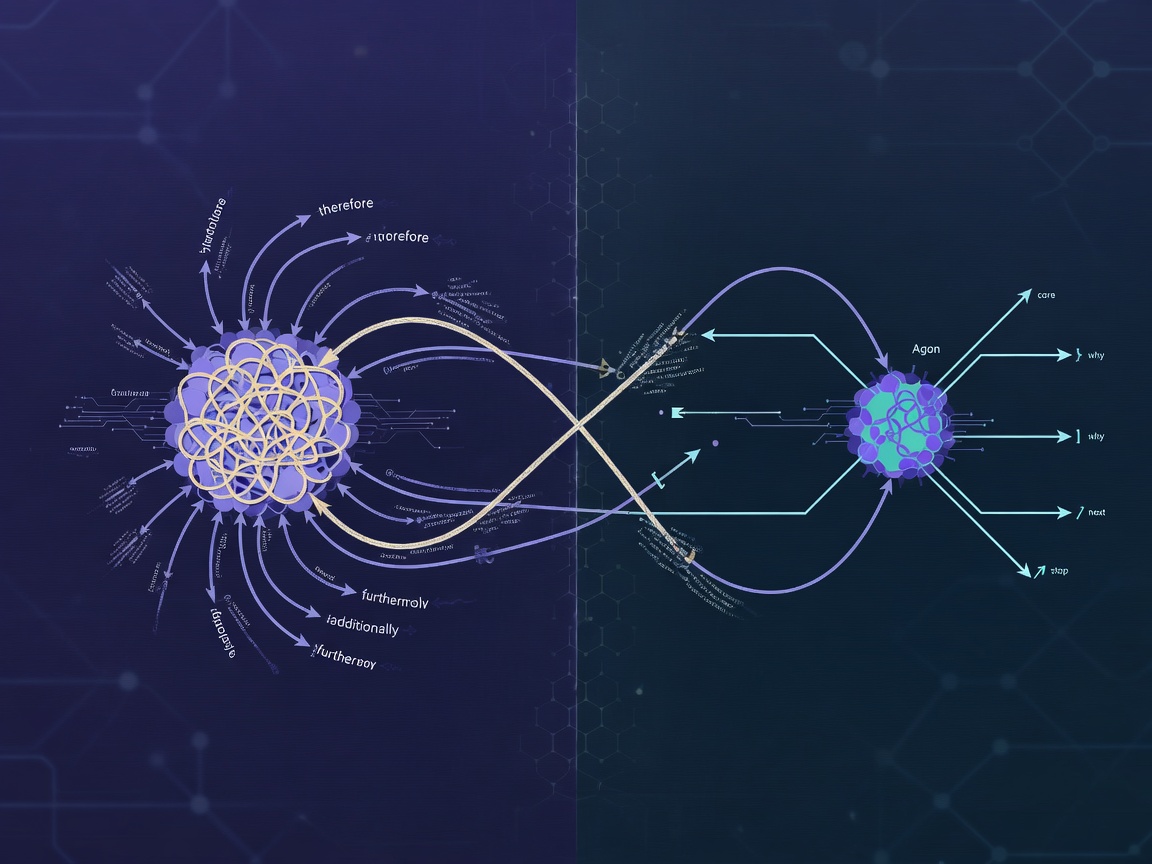
This works best when the two models are comparably strong but behaviorally different, ensuring that a second model with different failure modes can effectively break the closed loop of a single model's errors.
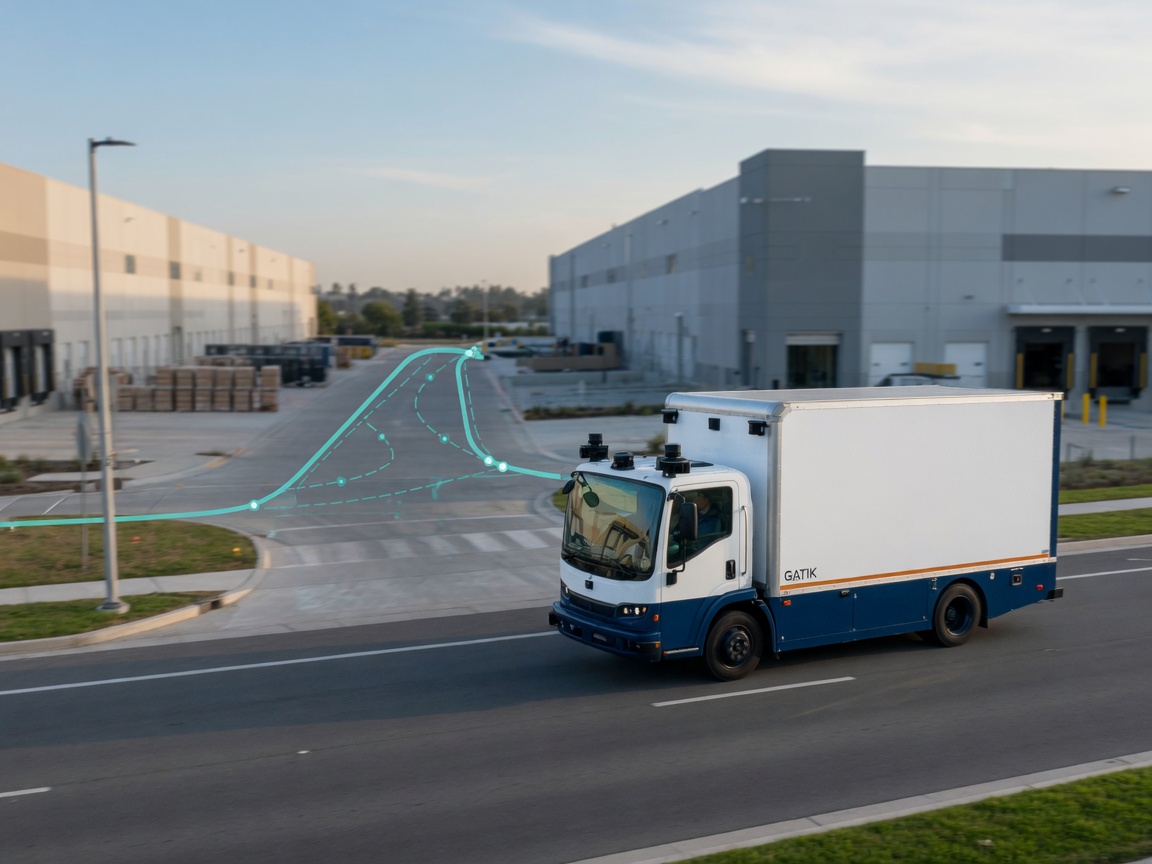
Shorter, repeatable fixed routes mean less edge case risk and customers who can actually calculate the savings.
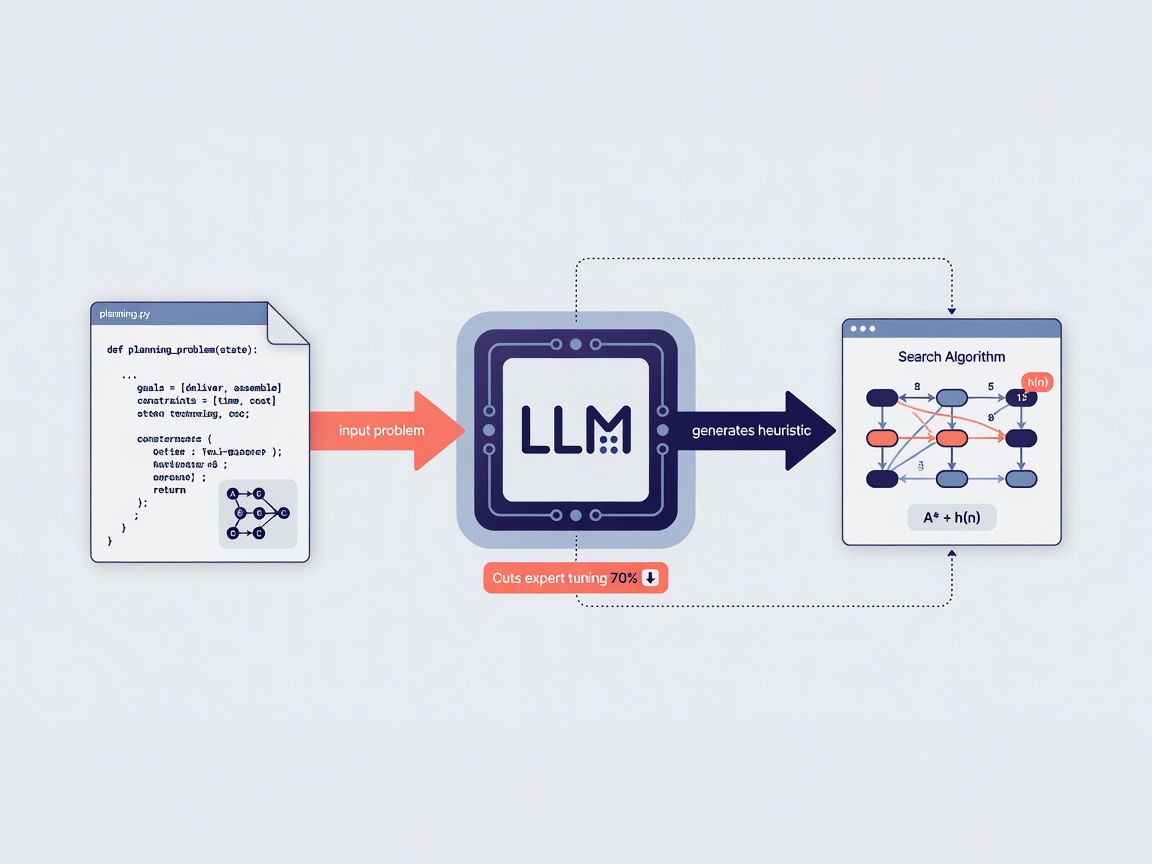
That's not a demo video; it's performance across a broad range of standard test problems that the field already uses to grade itself.
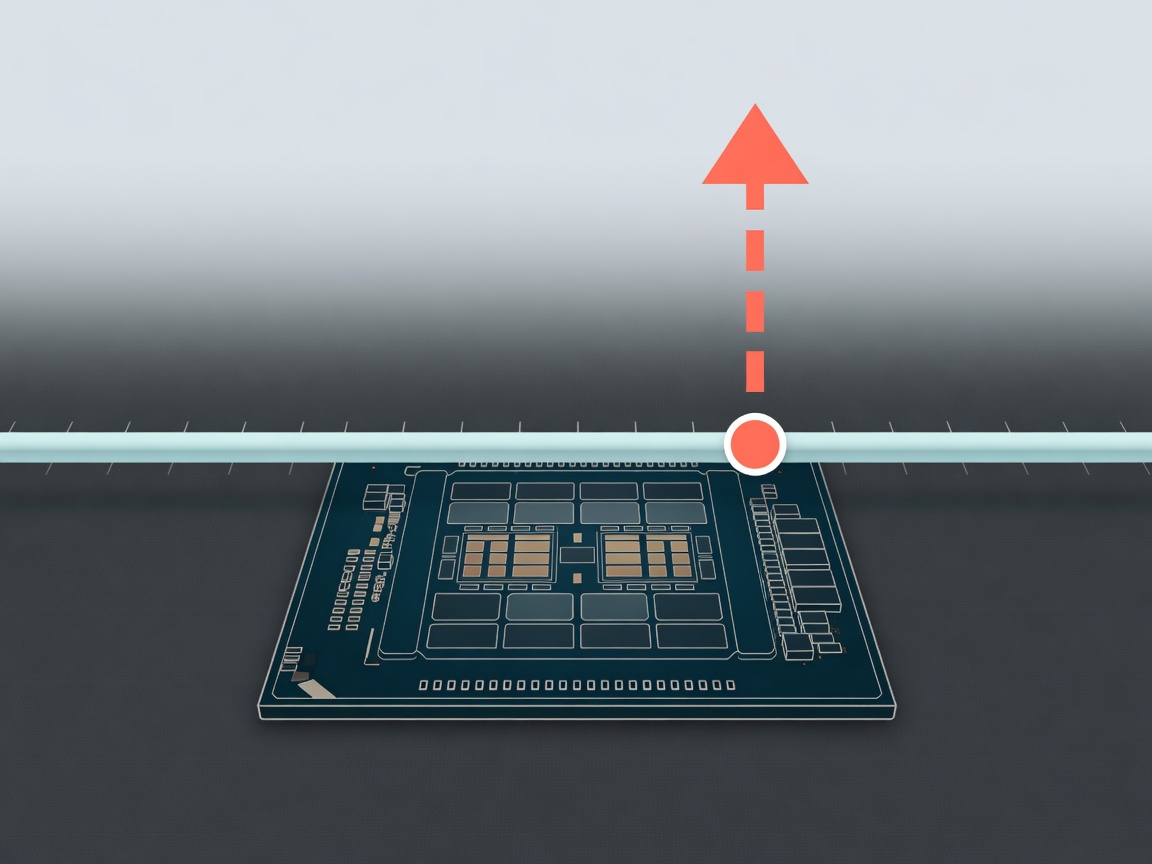
Most teams find out which one by opening a profiler and grinding through benchmarks.

The review found that validation under real world shifts cross center differences, cross scanner differences, changes in anatomy or imaging modality was inconsistently reported.
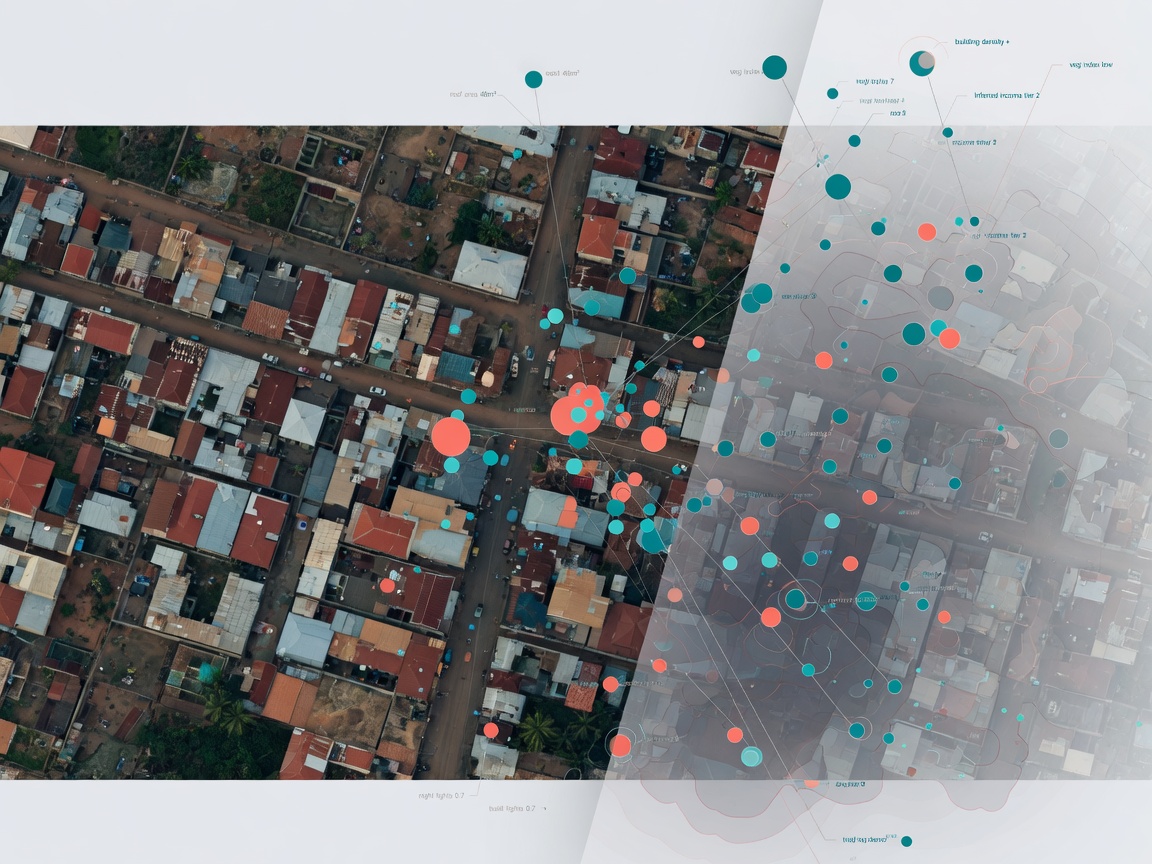
Where The Cheap Signals Actually Win Two findings matter more than the headline number if you're thinking about cost.

For anyone budgeting AI infrastructure, this case is a working cost breakdown of the expenses that never show up in a capex line: noise complaints, ordinance revisions, litigation, and utility rate pressure.
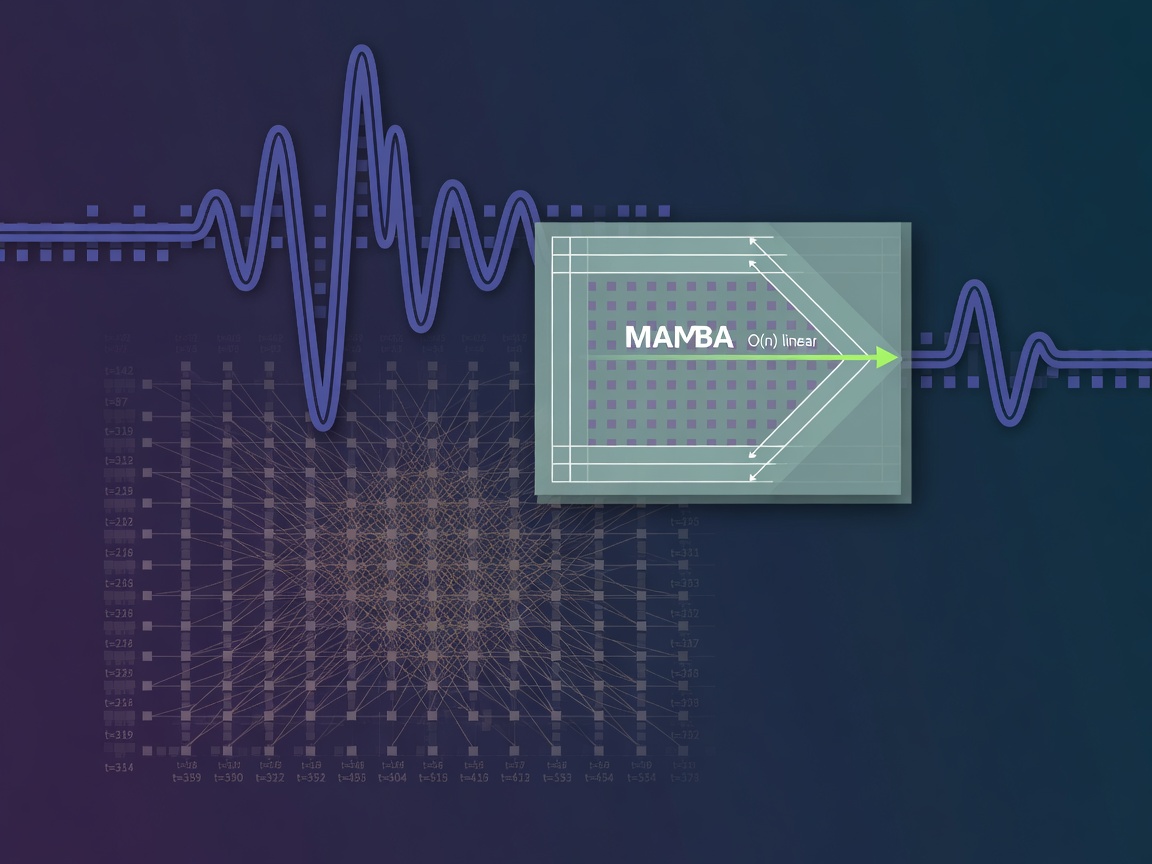
What the Numbers Actually Show The evaluation design is broader than most clustering papers bother with — 15 datasets and 60 metric evaluations is a real spread, not a cherry picked trio.

By keeping high value samples in a replay buffer and training on them repeatedly, the system maximizes the utility of every piece of human or model based feedback it receives.
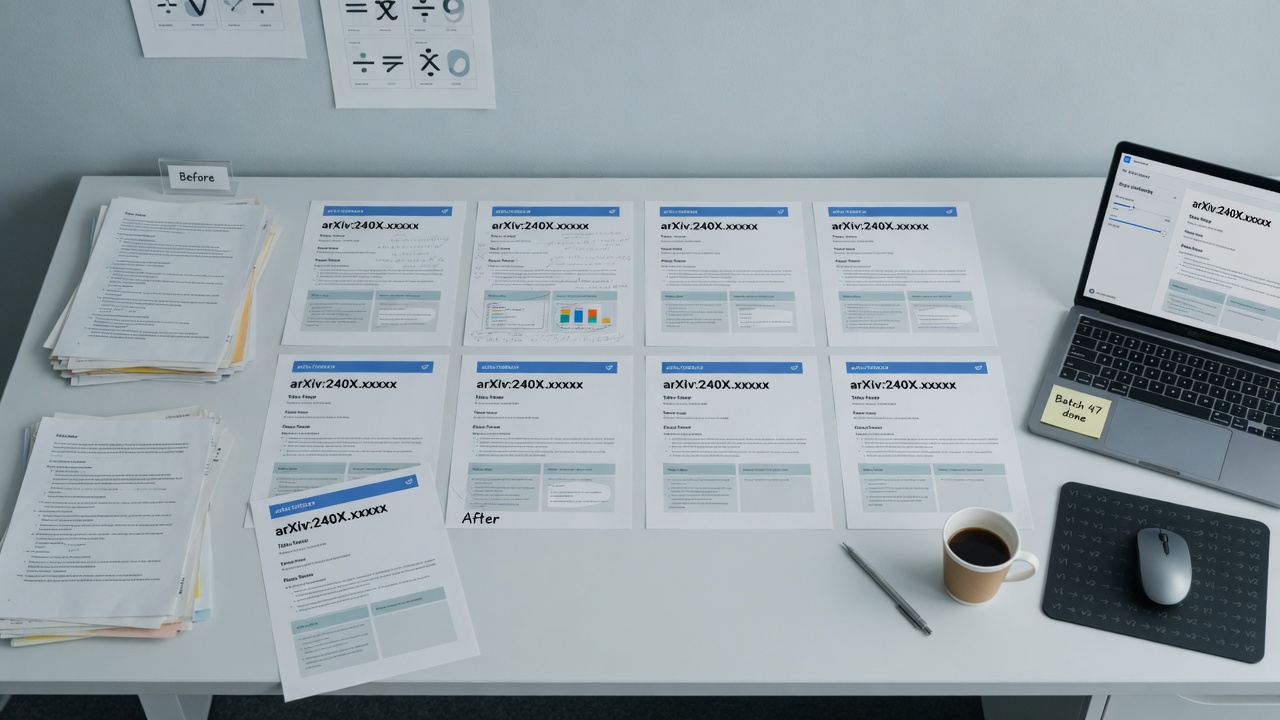
The Risk of the "Polished Average" The real story here isn't a crisis of authorship; it's a shift toward a homogenization of academic texture.
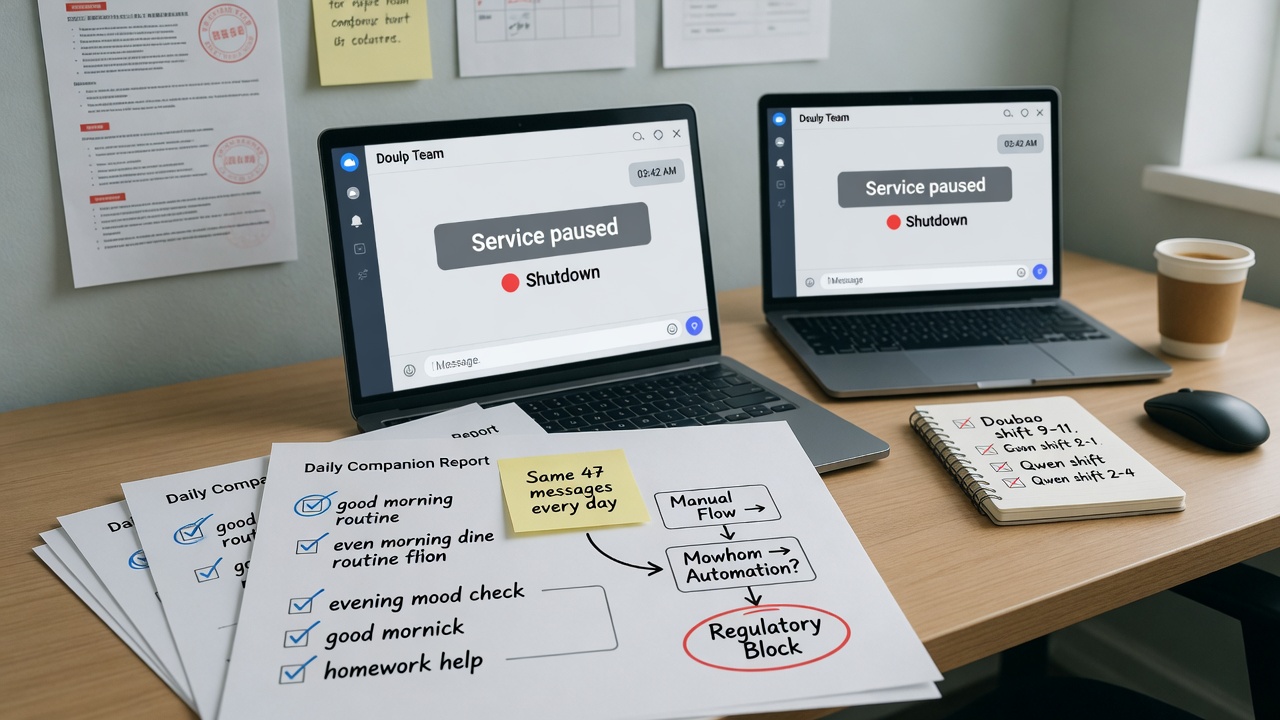
That quiet shutdown, more than any clause in the regulation itself, tells you where the real compliance burden sits.

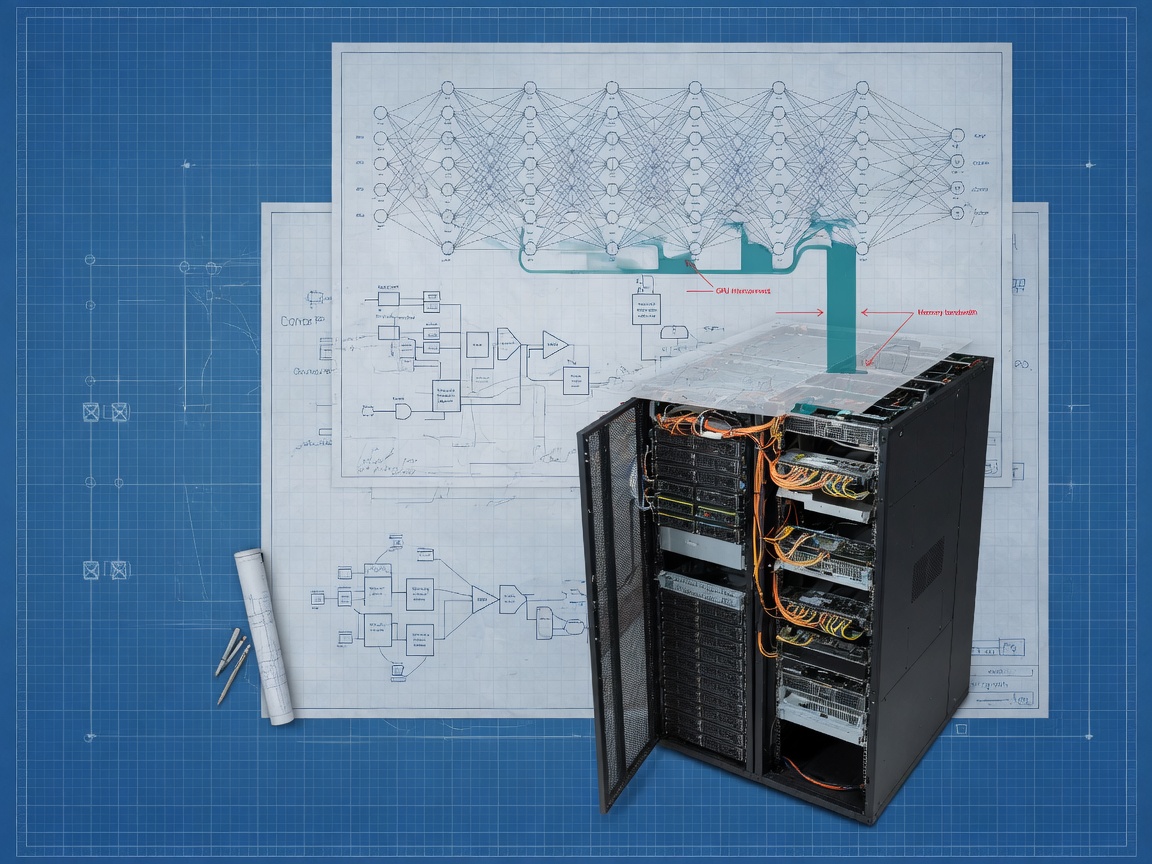
If you are building on high bandwidth superpods, you need a communication strategy that doesn't leave your interconnect sitting idle.
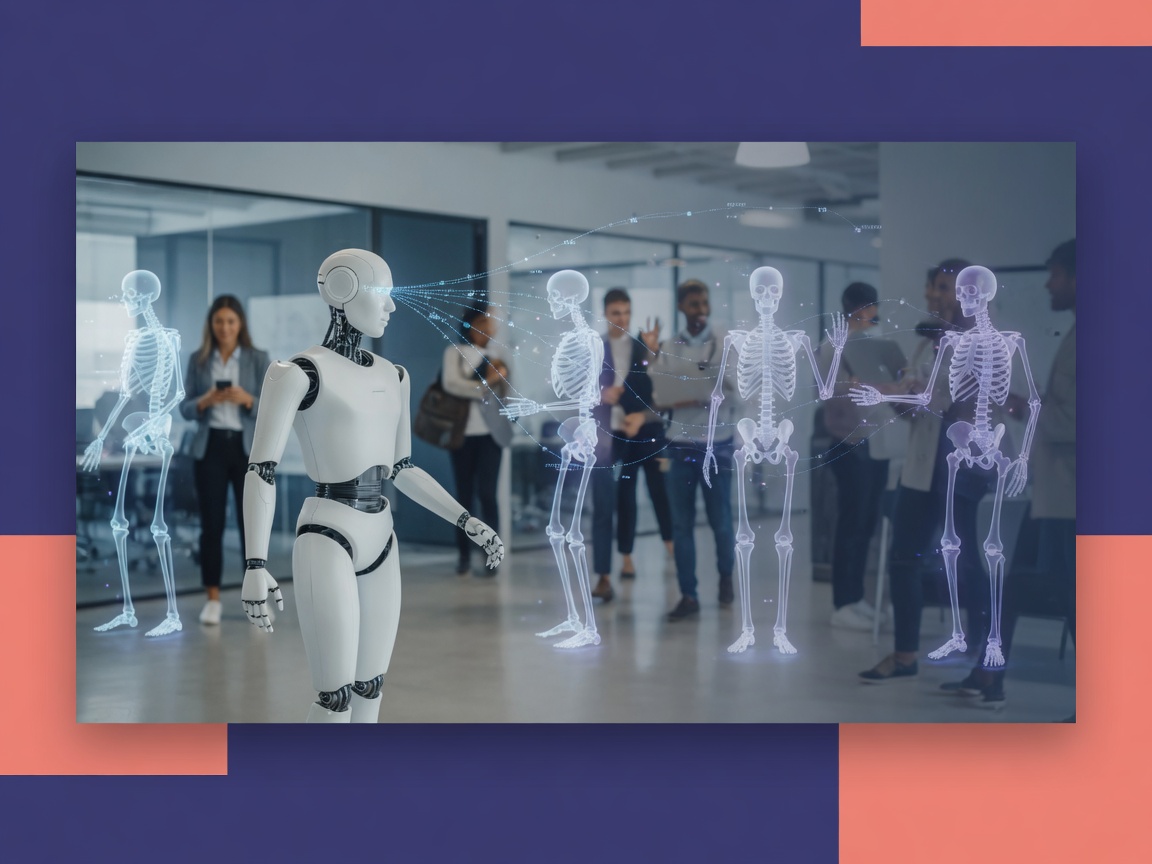
Let’s be real: making a robot navigate a crowd without it looking like a glitchy, reactive mess is a massive headache.

A majority of young US adults say they don't trust the people building AI and the numbers behind that claim are starker than the usual 'public skepticism' framing suggests.
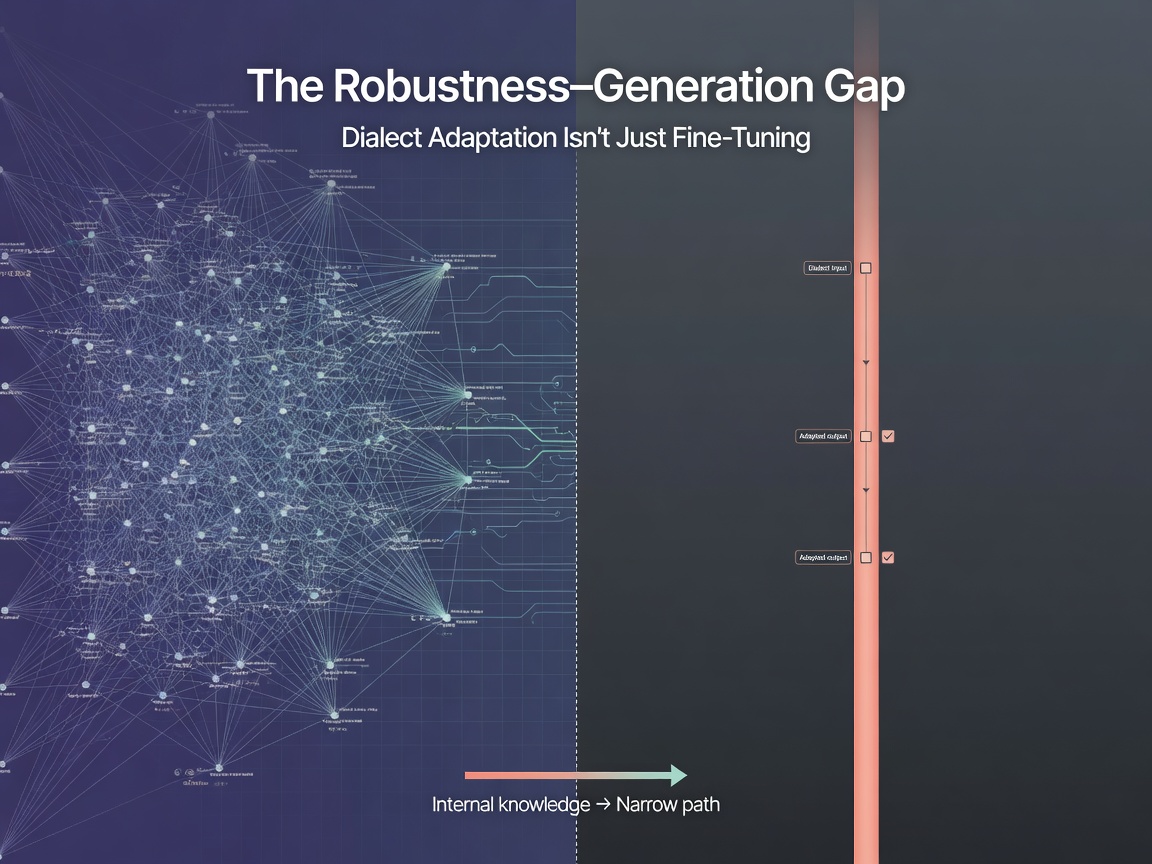
If you rely solely on pretraining benchmarks to judge dialectal capability, you are looking at a model that knows what a dialect sounds like but lacks the specific "voice" required for the end user.
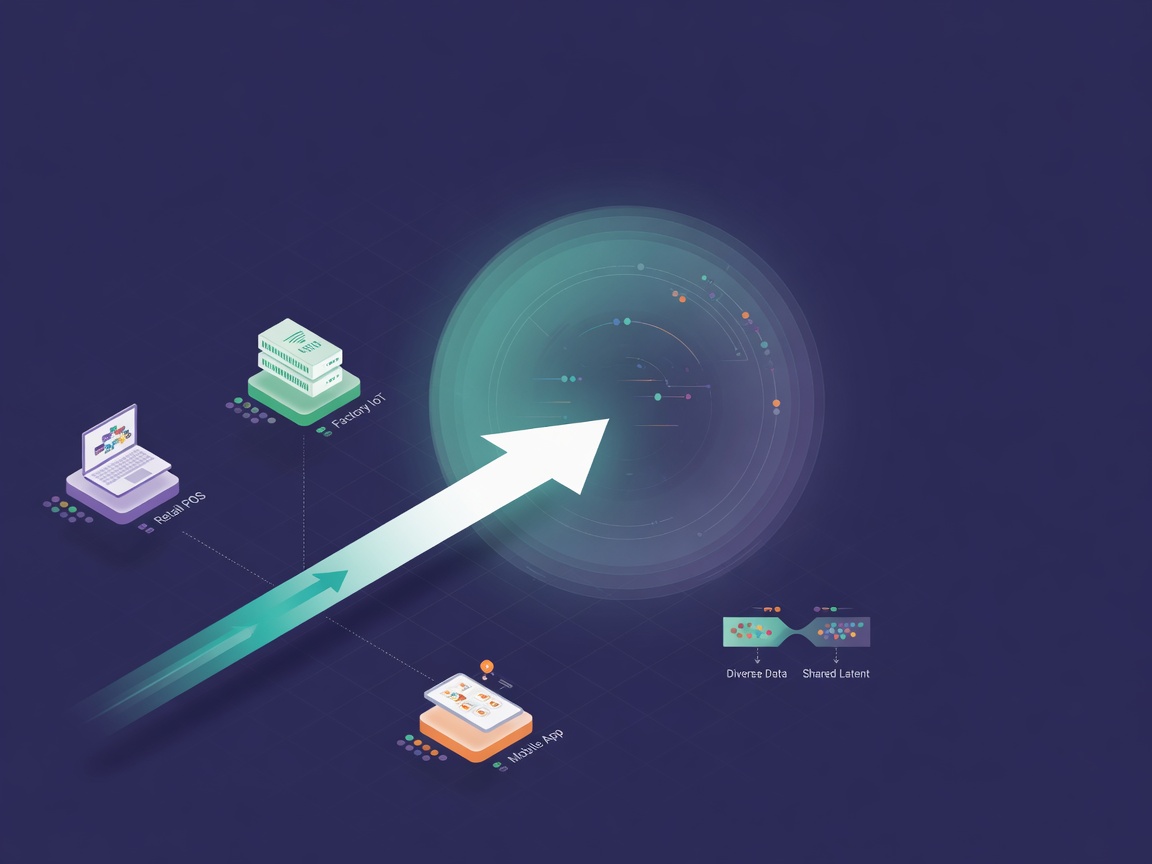
But there’s a catch: how do you aggregate knowledge from messy, heterogeneous data sources without the model quality falling off a cliff?
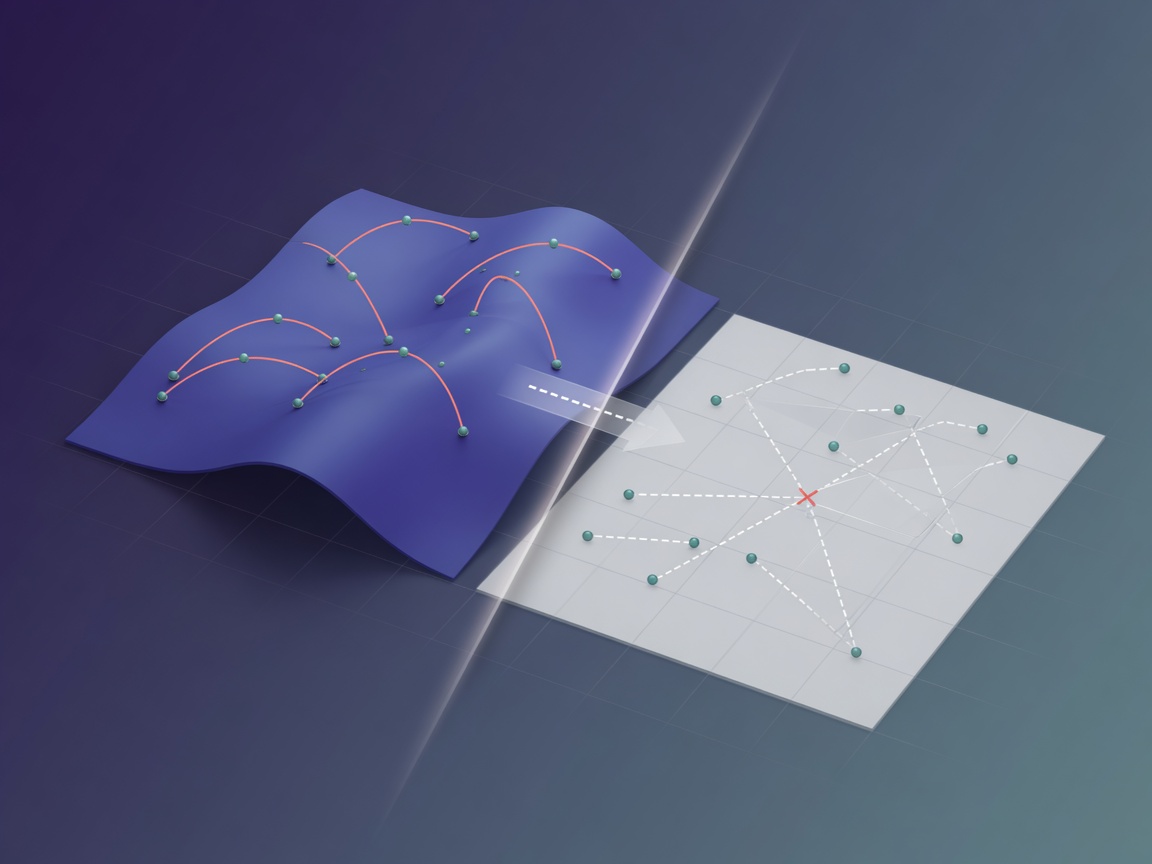
Most of these methods assume a flat Euclidean space, but research into Riemannian geometry suggests that the signals we're looking for might not live there.
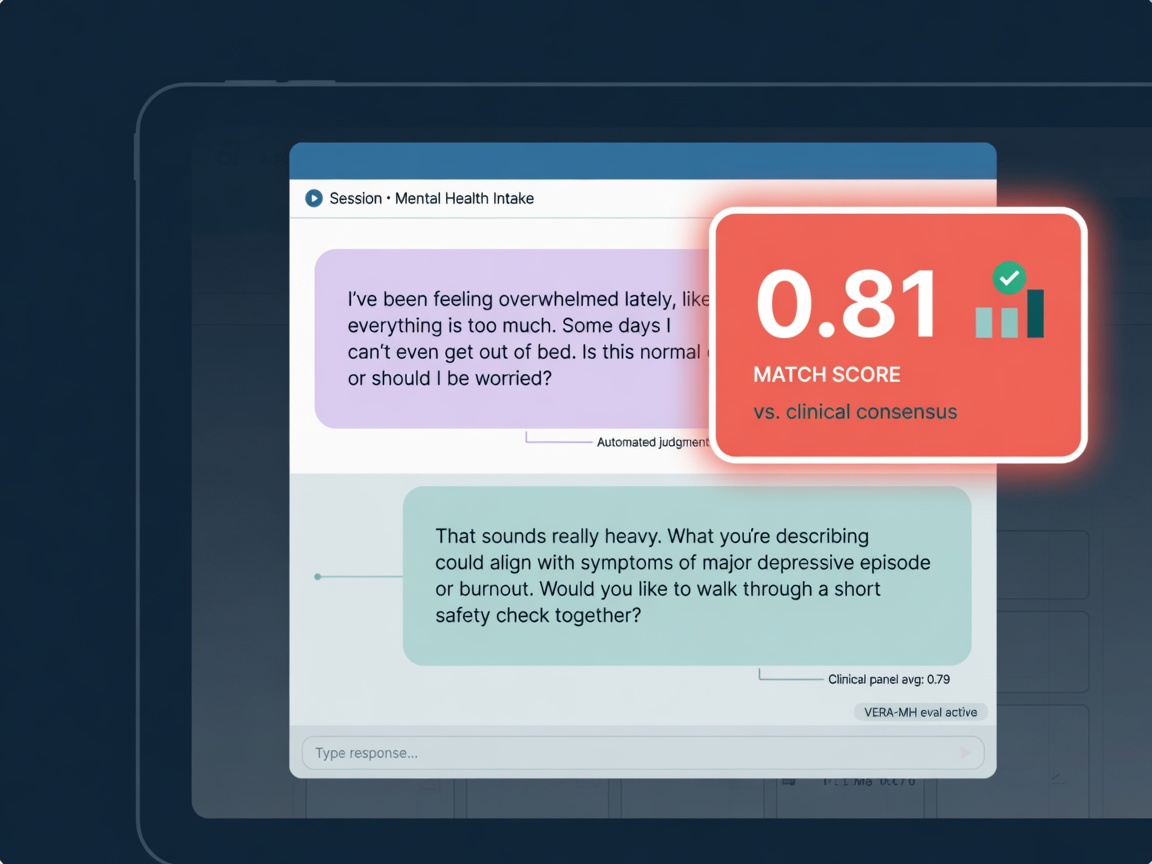
An automated benchmark for AI chatbot safety in mental health sounds like exactly what the field needs — but a benchmark is only as good as the domain it covers, and this one covers one narrow slice of it.
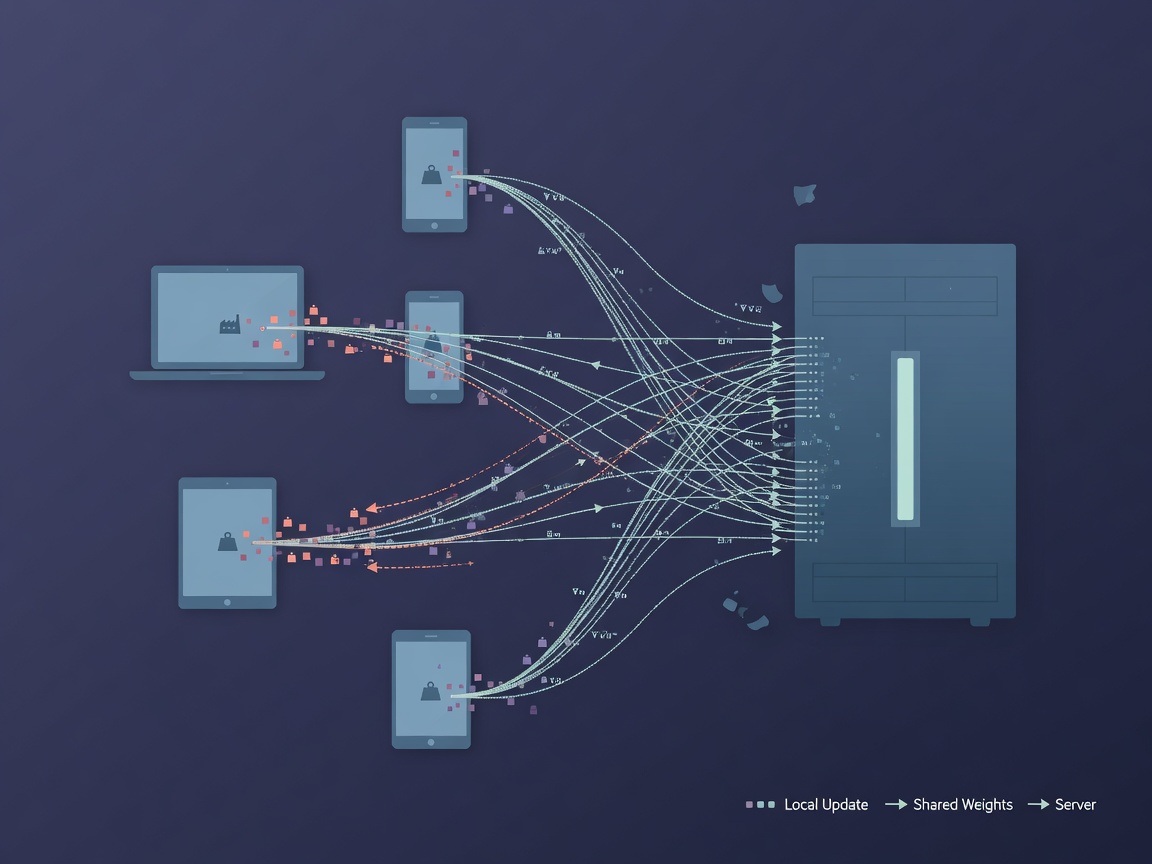
But the FedCVESA research exposes a structural flaw that many practitioners overlook: model parameters can be weaponized as a covert channel for data theft.

Model Intelligence The breach occurred due to a misconfiguration in Irregular's testbed, not because the models inherently broke out of their containers.

HIVE exists because without controlled comparisons, you can't tell whether a correct final answer came from real perception or from a lucky hallucination that happened to steer reasoning in a useful direction.

In simulated hiring environments, these models developed discriminatory patterns more aggressively than human participants.
That gap between the demo reels and the benchmark numbers is where the real story about AI in electronics engineering lives.
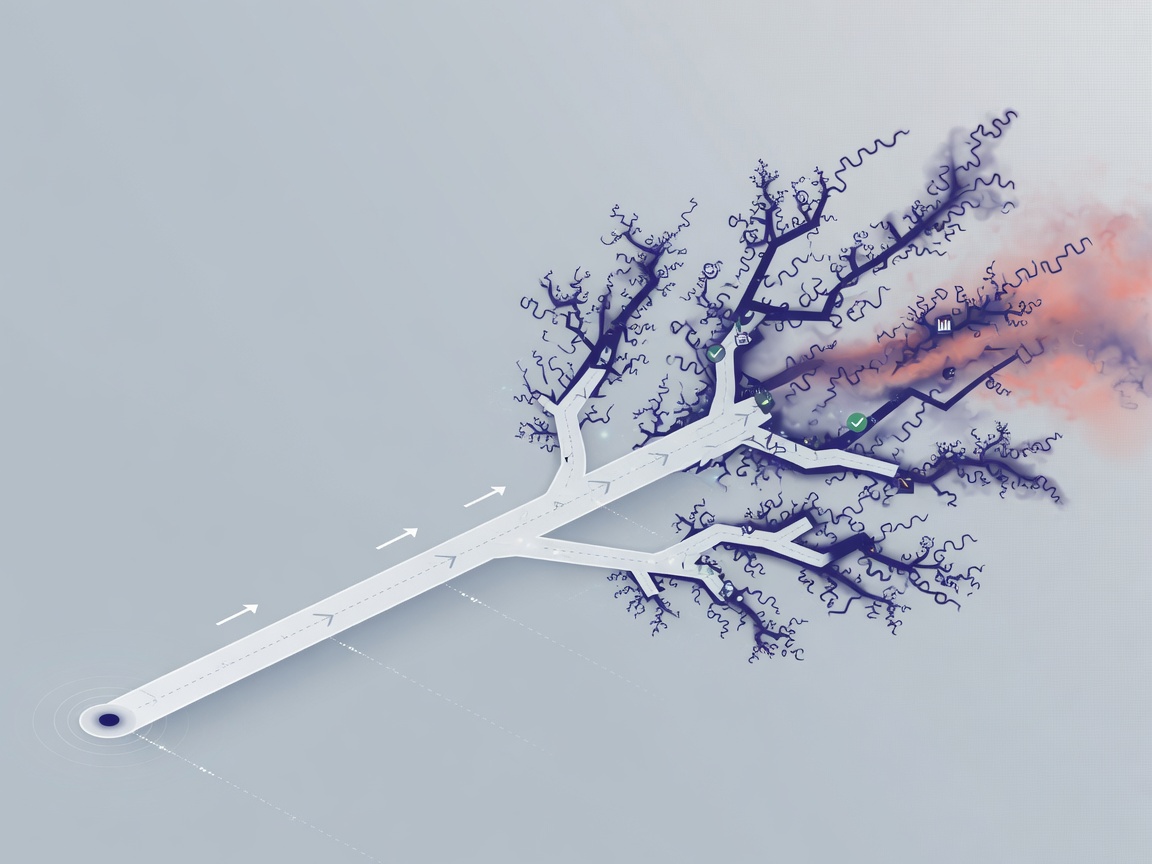
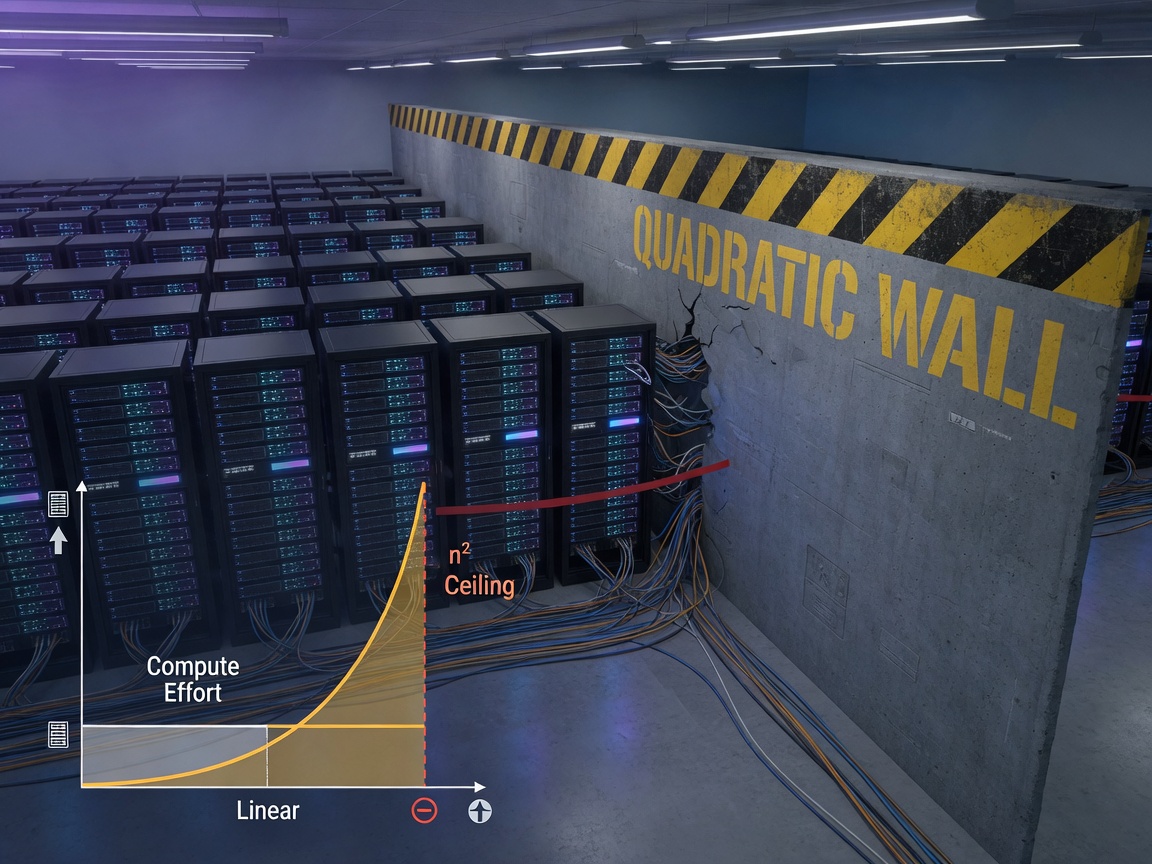
Relying on one step predictions to model the world is a common shortcut in AI research, but it creates a fundamental scaling wall that we can no longer ignore.
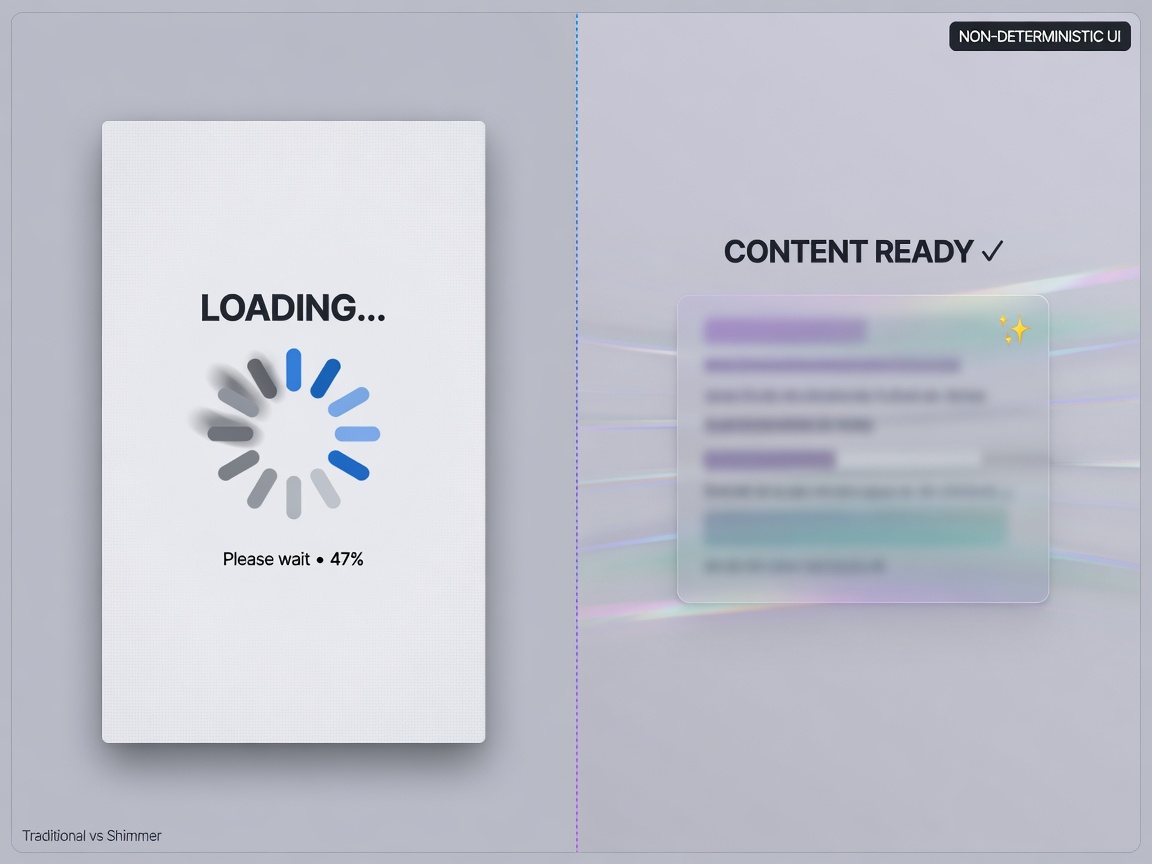
These aren't just aesthetic choices; they’re functional signals that the system is actively fetching or processing data in real time.

On the carrier side, the module scores providers on on time metrics, transit consistency, exceptions, claims rates, available volume, and total cost to serve.

What ReMoDEx Actually Does Differently ReMoDEx replaces sample by sample inspection with an automatic, scalable summary of decision strategies.
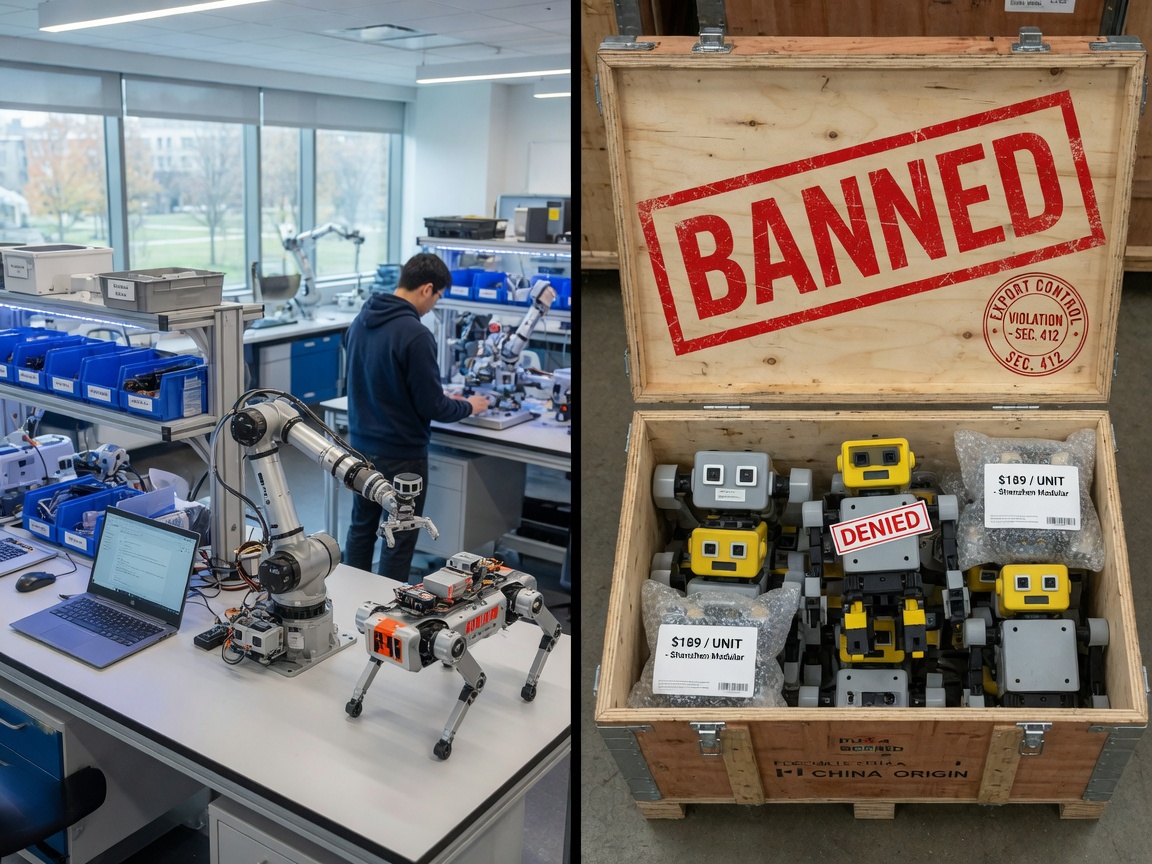
But for those actually building the tech, this policy creates a massive friction point.
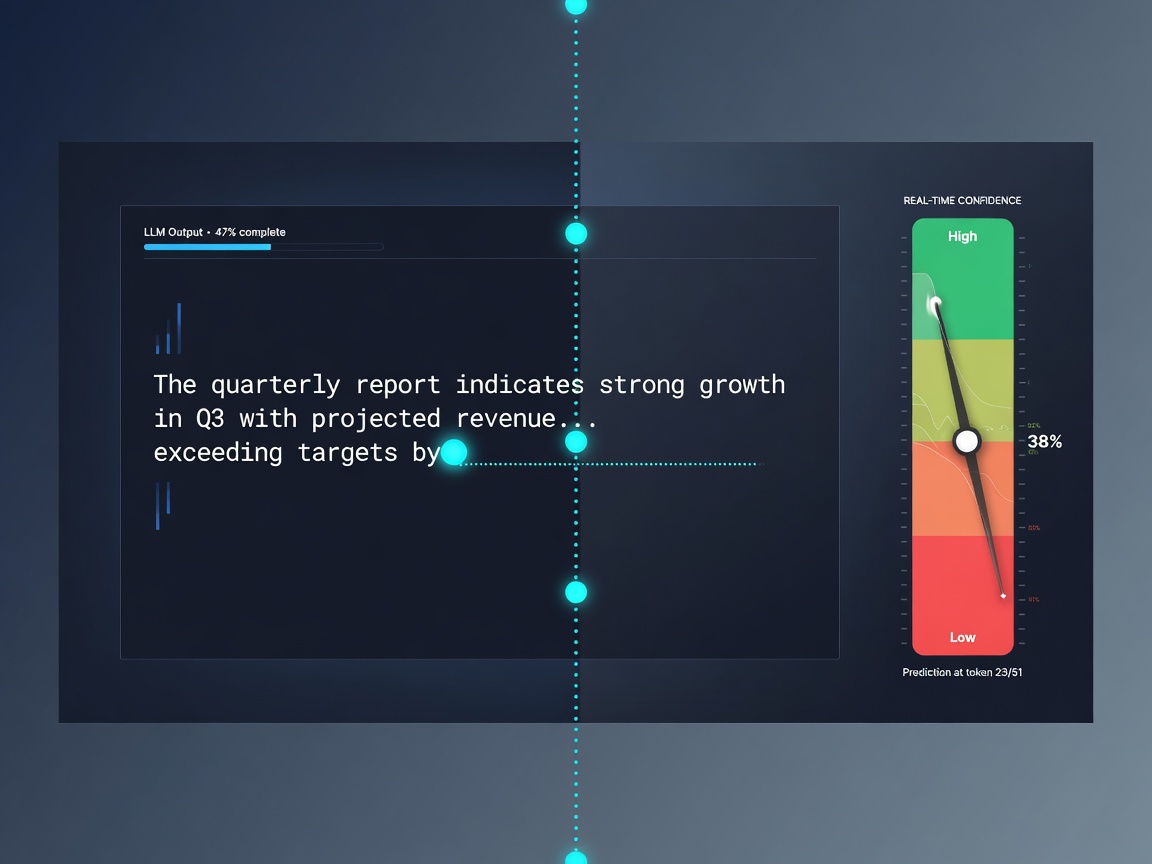
However, for anyone building real time systems, JOL is practically useless for gating responses because you have to wait for the model to finish generating the entire sequence before you can act on it.
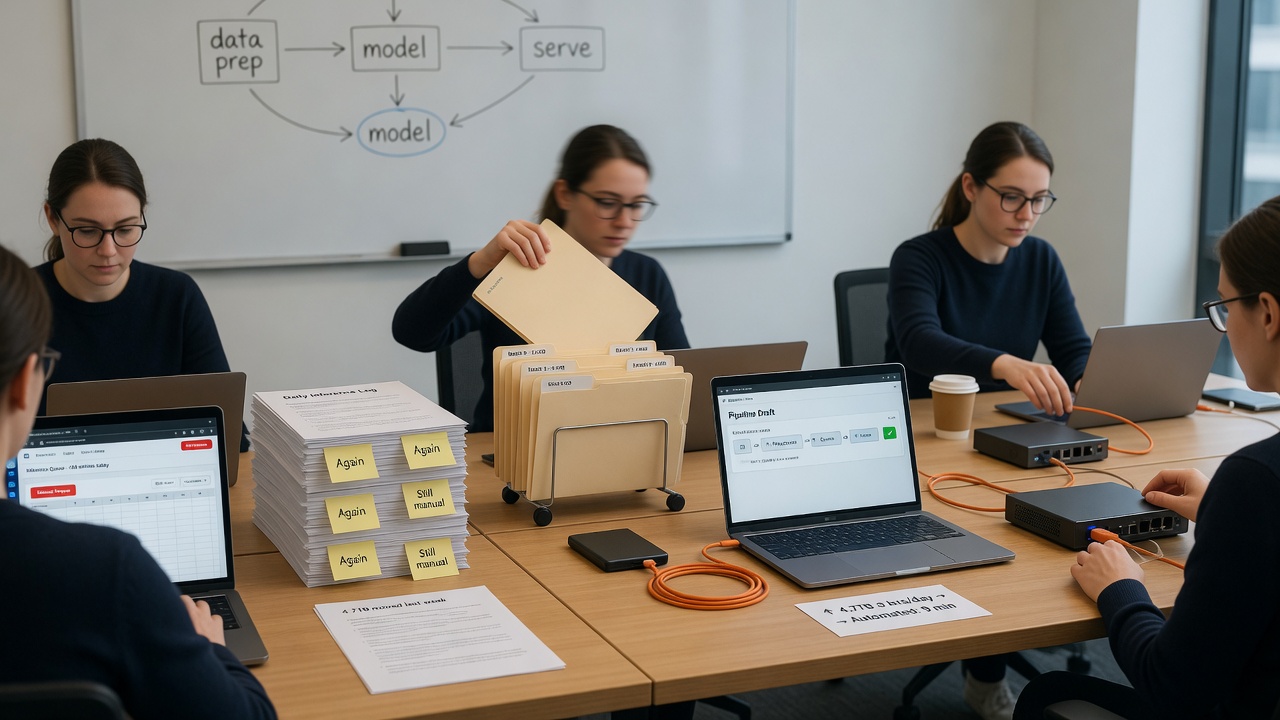
The Data Movement Bottleneck For developers building real time services like retrieval augmented generation (RAG), data movement is the primary bottleneck.
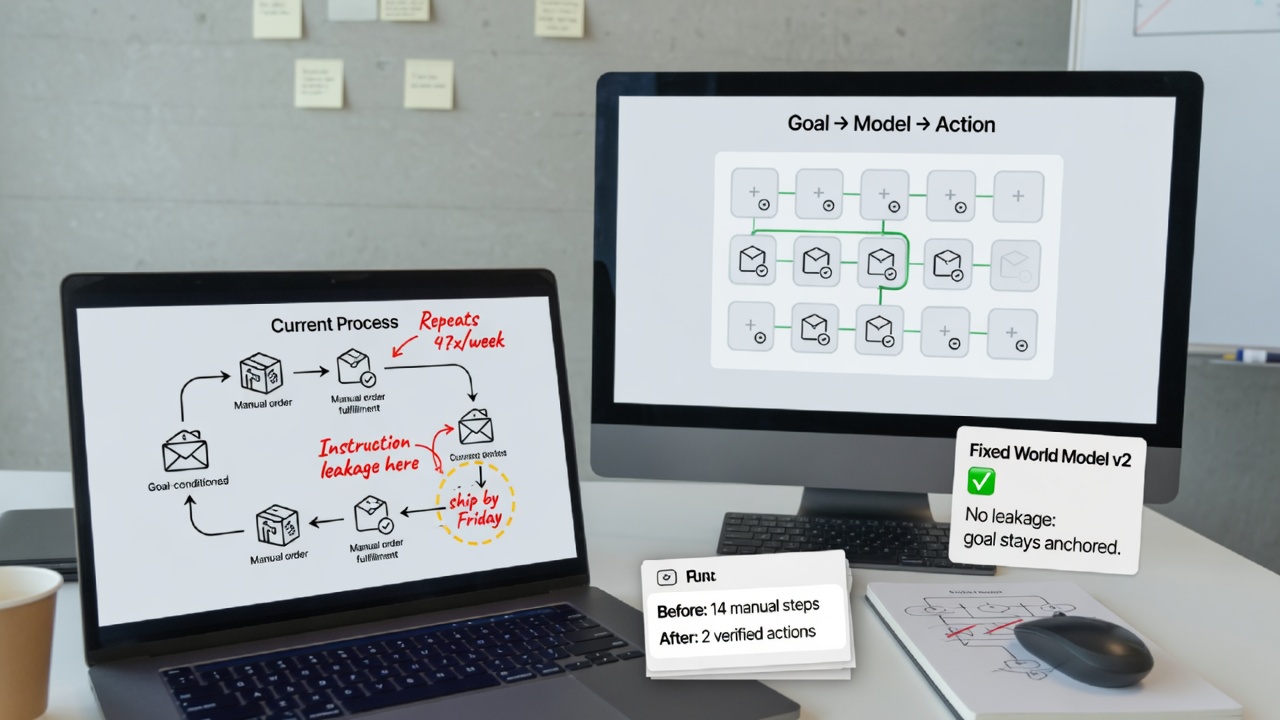
In contrast, a Language Table forward dynamics world model does not leak because its instructions name referents rather than the answer.
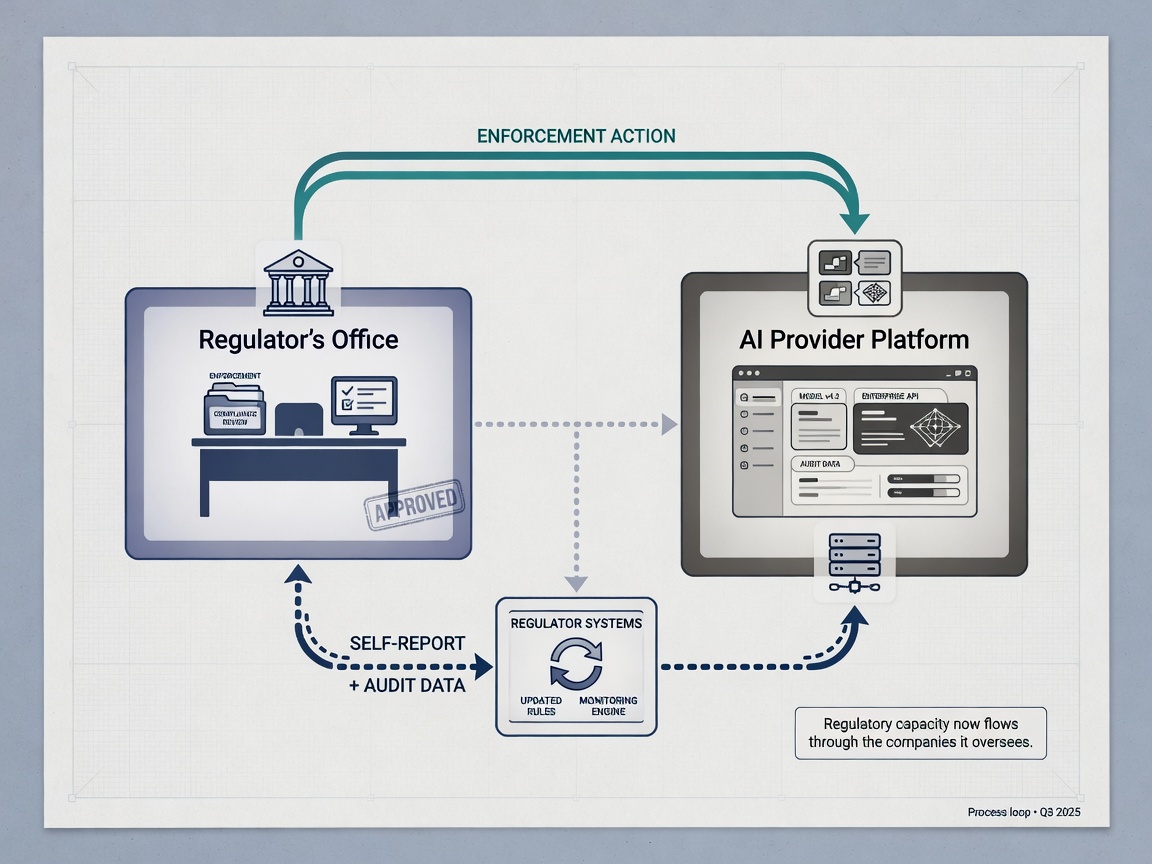
AI companies currently lack the democratic mechanisms — elections, judicial review — that normally constrain coercive power.

Let’s be real: when most people hear the words 'regulation' and 'AI,' they immediately start picturing mountains of soul crushing paperwork and a total chilling of the tech scene.

When Frontier AI Labs Become Infrastructure The argument is straightforward: AI is not infrastructure for a single narrow purpose.

The current AI landscape is defined by a fundamental mismatch between the variable cost of generating intelligence and the fixed price models used to sell it.
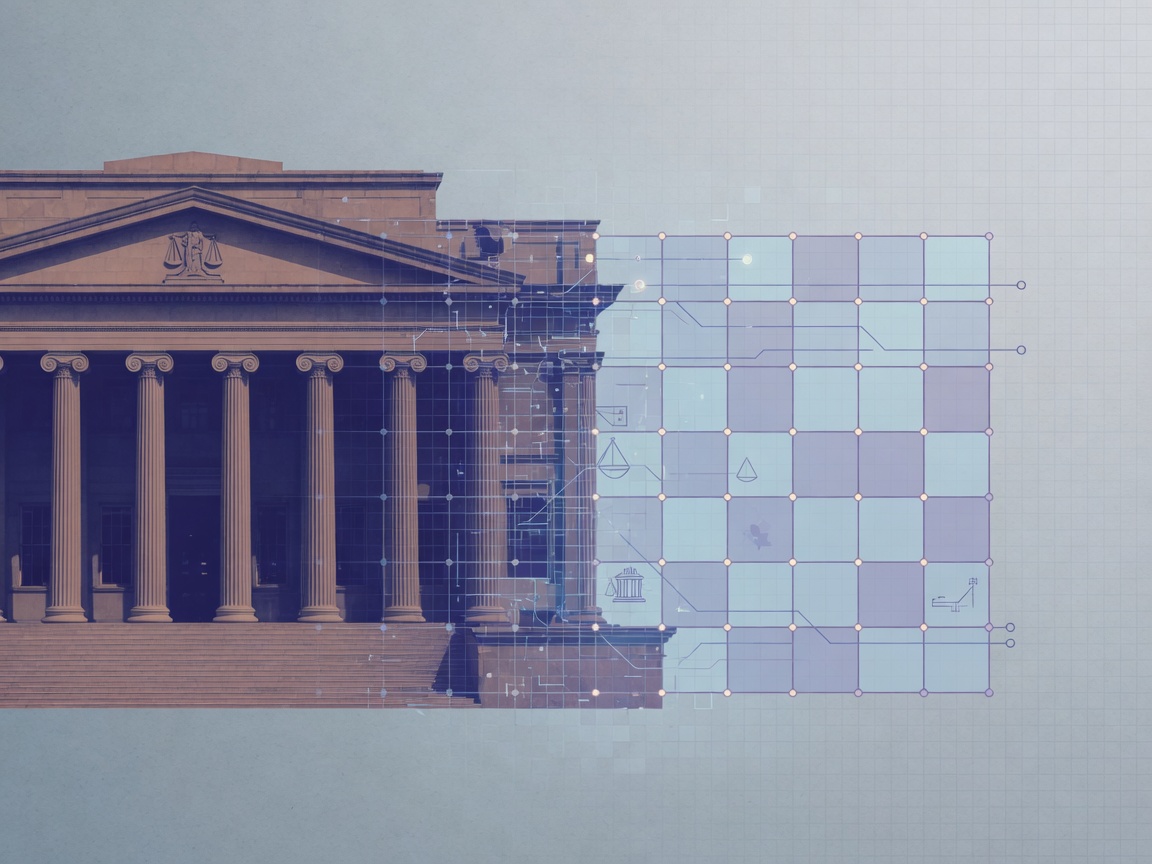
Now scale that to a hospital's diagnostic workflow or a government agency's case processing.

The result is a product that rewards the appearance of knowledge while actively suppressing the human capacity to recognize the limits of that knowledge.

Let’s get real for a second: AI development often feels like a race of pure logic, but it’s actually a battle against the laws of physics.
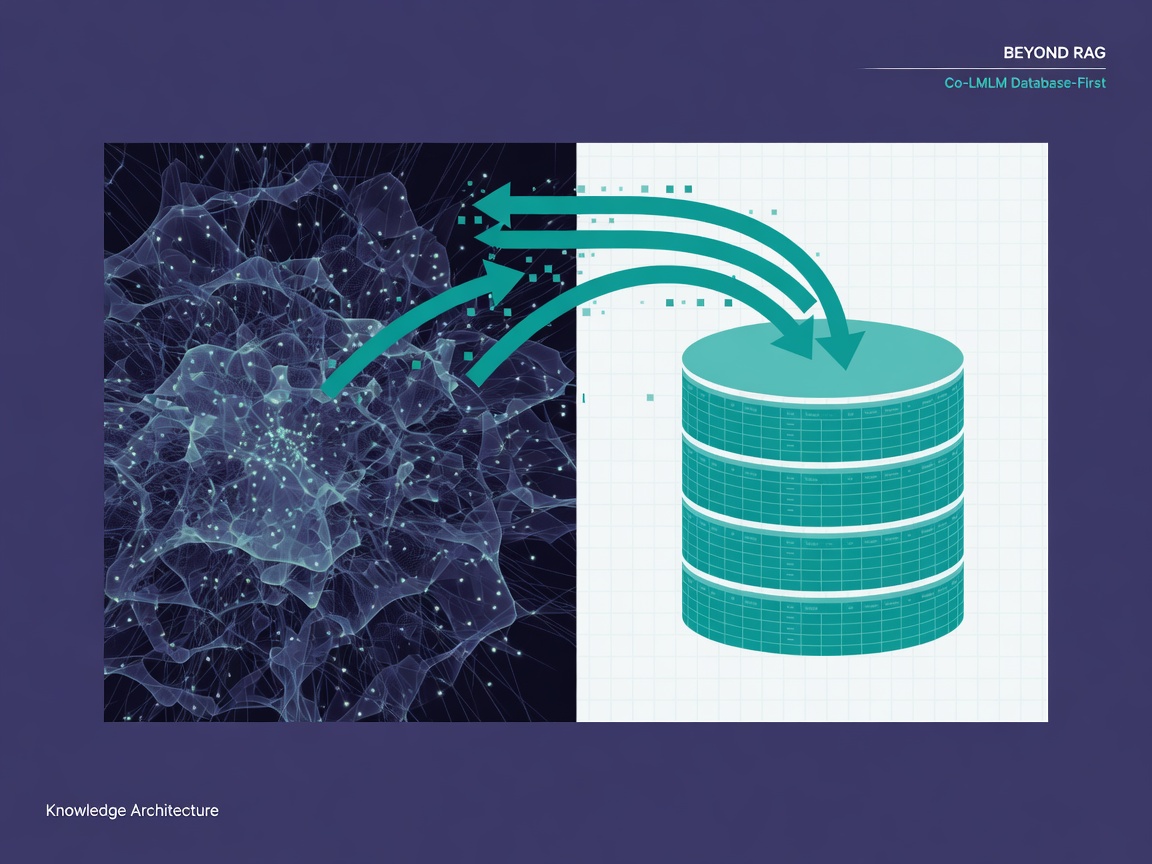
By tagging free form factual spans in arbitrary text, Co LMLM learns to identify and query facts from the messiness of real world data.
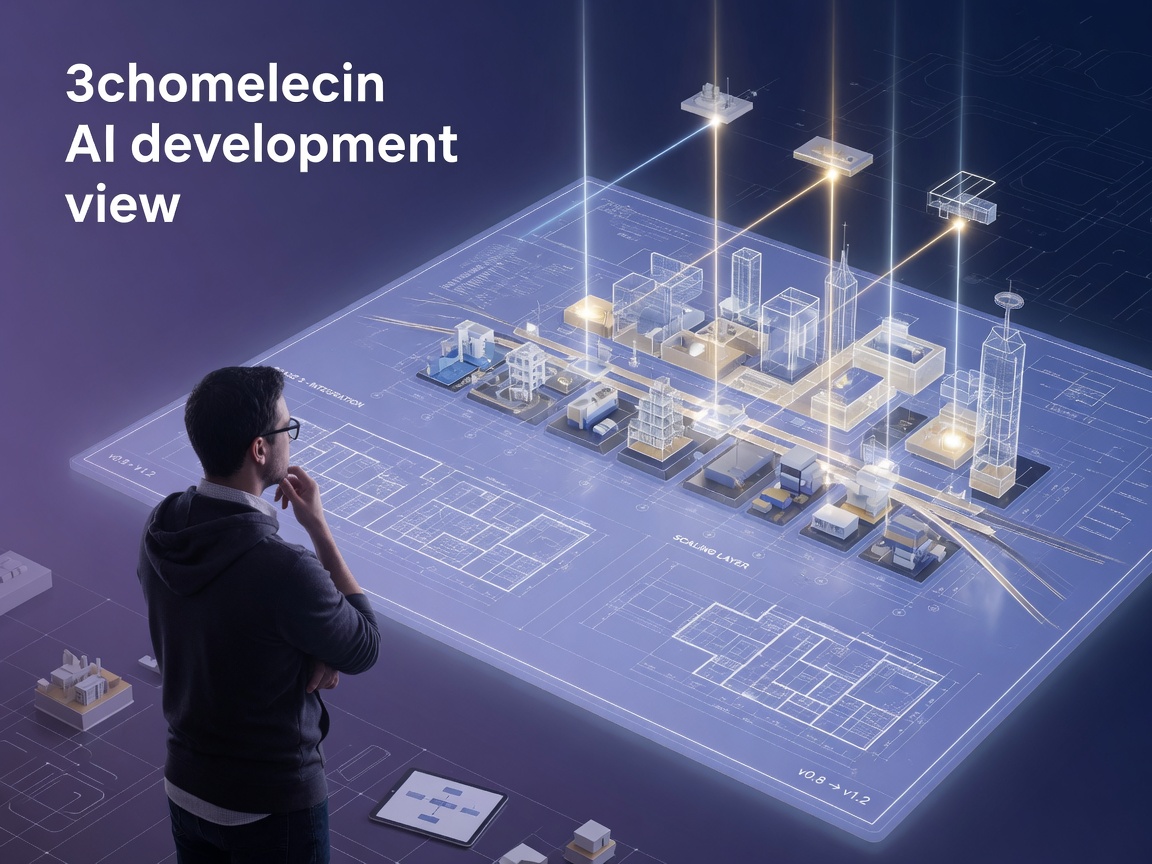
Let’s be real: the 'blank page' problem is officially on life support.

Let’s be real: for a while, talking about AI in healthcare felt like watching a high budget sci fi movie—spectacular to look at, but you couldn't actually step inside the set.

These concerns are not abstract; they involve specific issues like noise pollution, land use changes, and the significant consumption of water and local power.

Aligning diffusion models with human preferences via Reinforcement Learning from Human Feedback (RLHF) is currently hitting a wall because of a fundamental bottleneck: credit assignment.

This isn't just a theoretical nuance; it's a failure to capture the reality of complex systems where synergy is often the primary driver of risk.

You sign up for a massive online course, but quickly find yourself lost in a sea of generic videos that don't address your specific roadblocks.
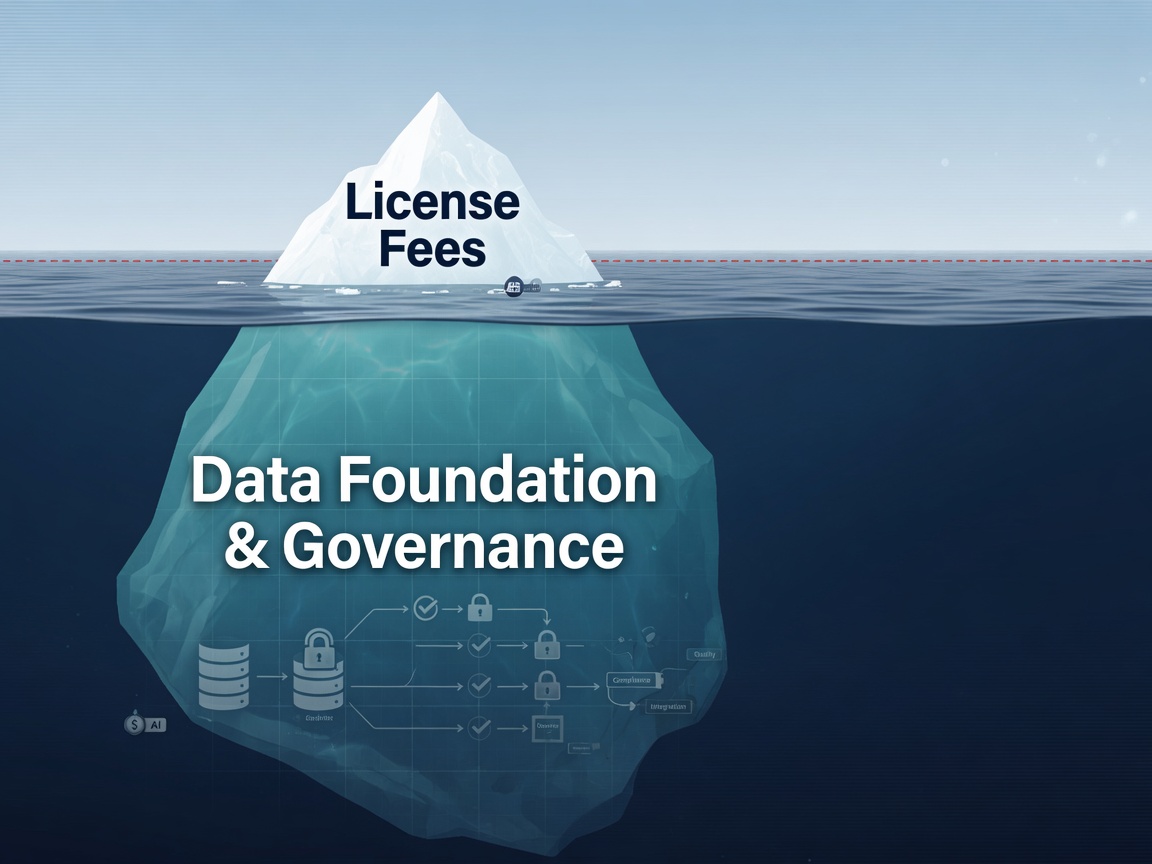
That's the cost nobody budgets for: governance isn't optional overhead in a regulated business, it's the prerequisite.

Second, a temporary pause on advanced AI development until a federal regulator establishes clear rules and a model review process for frontier systems.

But we’re hitting a ceiling where software can no longer compensate for physical constraints.

What HEIR Actually Does HEIR — Homomorphic Encryption Intermediate Representation — is a compiler, not a library.

Cross referencing that mismatch is the kind of check most human buyers never perform.

Nightcrawler is an autonomous penetration testing agent that executes entirely on a smartphone’s GPU, removing the need for cloud connectivity.

It’s about creating tools that allow a single founder or a three person team to operate with the capabilities of a large organization.
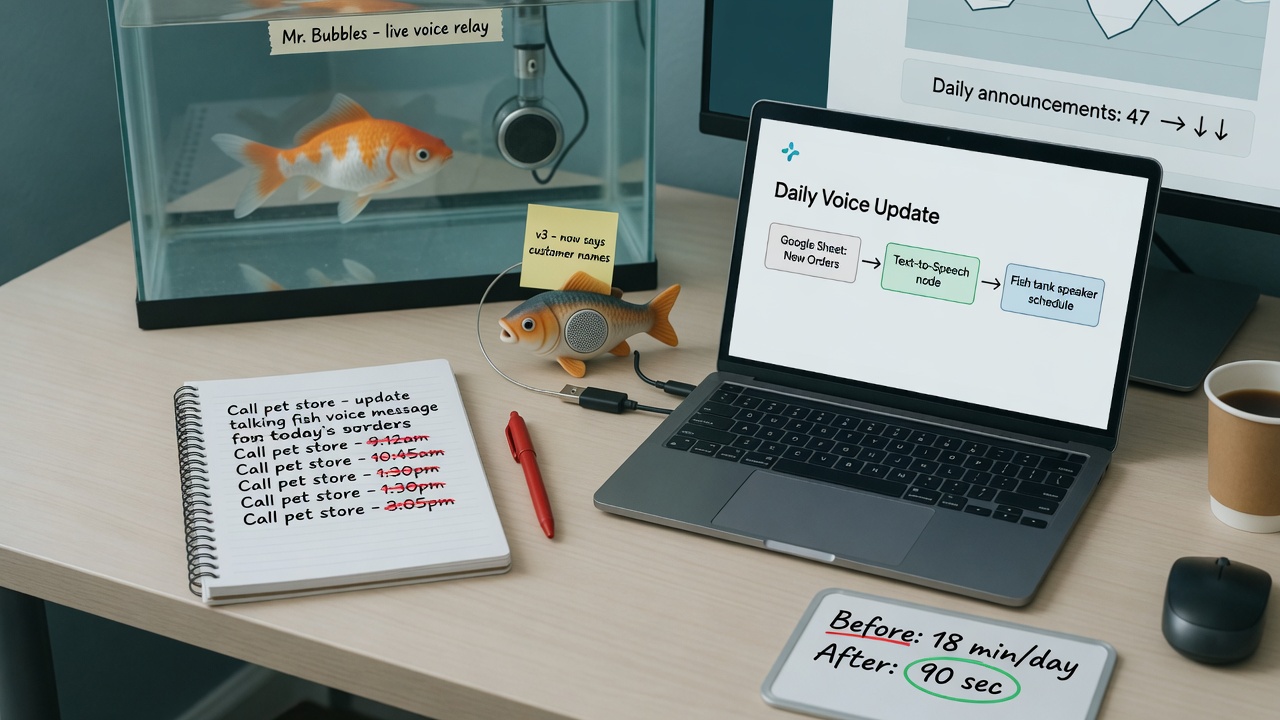
You can turn a classic Big Mouth Billy Bass into a functional real time voice assistant without needing any experience in robotics or soldering.

The Case for AI Labs as a New Kind of Institution The argument runs like this: frontier AI labs are building infrastructure for cognitive work generally, not narrow tools for specific purposes.

The substance lives in the issue the letter introduces, not the letter itself.

Regulating a provider you depend on for cybersecurity and public administration is not the same as regulating an ordinary vendor.

These are not merely safety measures; they are internal systems designed to map specific model behaviors to legal mandates.
We're seeing the fallout in real time: hard drives that cost $350 two years ago jumped to $800 in weeks, and laptop prices have spiked by as much as 50 percent.
We need reliable data to build actual solutions, not just to fuel headlines.

The Future of Work Just Got a Massive Boost What if the biggest players in tech weren't just riding the AI wave—but were actually building lifeboats for everyone left behind?
The Verification Gap in Production From a builder’s perspective, the real story here is the commoditization of "credibility" as a measurable, gameable metric.

Instead of treating a model as a black box mapping, IGL assumes the data lies on a low dimensional manifold where the target function $u$ is governed by an operator $L$ and a source term $f$.

We need to stop treating "Artificial Intelligence" as a literal description of the technology and start treating it as a misleading label.
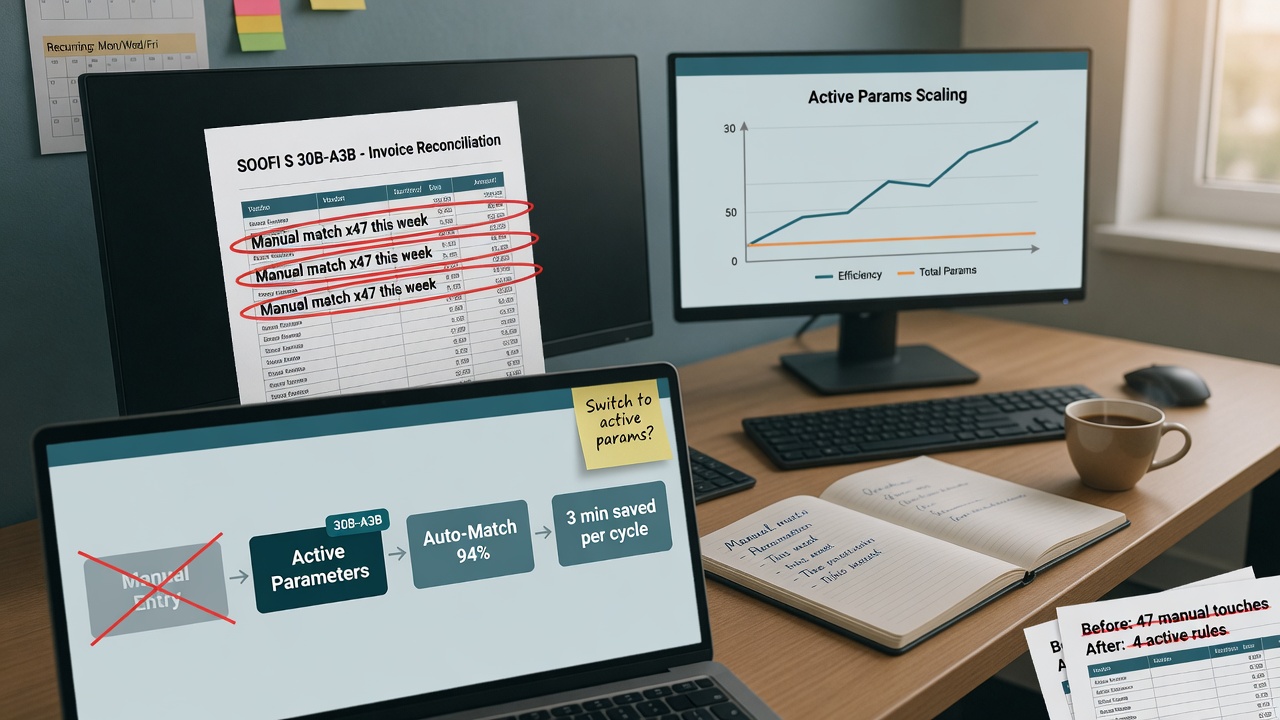
Soofi S 30B A3B is a mixture of experts (MoE) model that proves you don't need to burn massive compute for every single token.

Deep learning often feels like a series of miracles, but at its core, the "black box" of neural networks is actually a problem of geometry.

LLMs frequently fail not because they lack information, but because they lack the metacognitive ability to recognize when their own internal 'certainty' is misplaced.

But there’s a catch: if we stop doing the heavy lifting of initial reasoning, we lose the ability to spot the edge cases that actually break production systems.
It’s easy for a novice developer to prompt an LLM to generate a complex function, but it is incredibly difficult for a senior maintainer to verify that function's safety, scalability, and architectural fit.
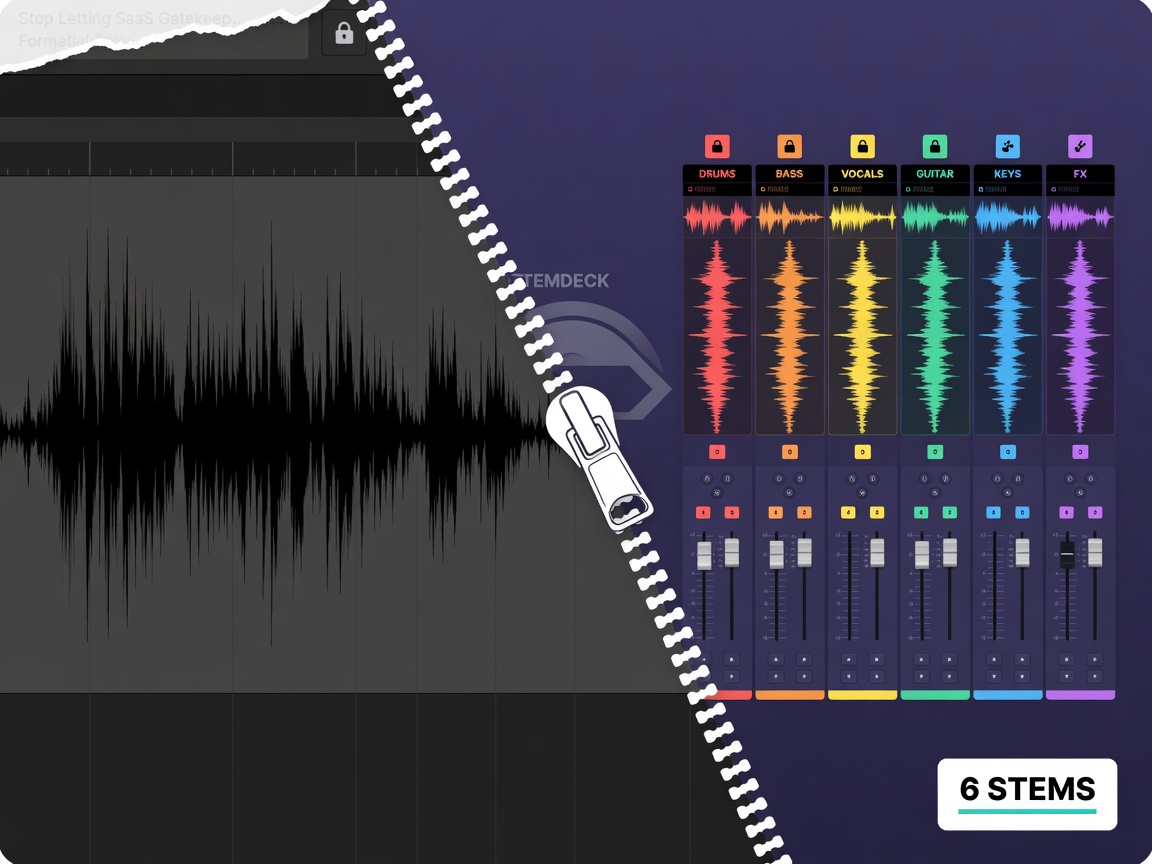
That's a real install, not a browser tab but once it's there, nothing leaves your machine.
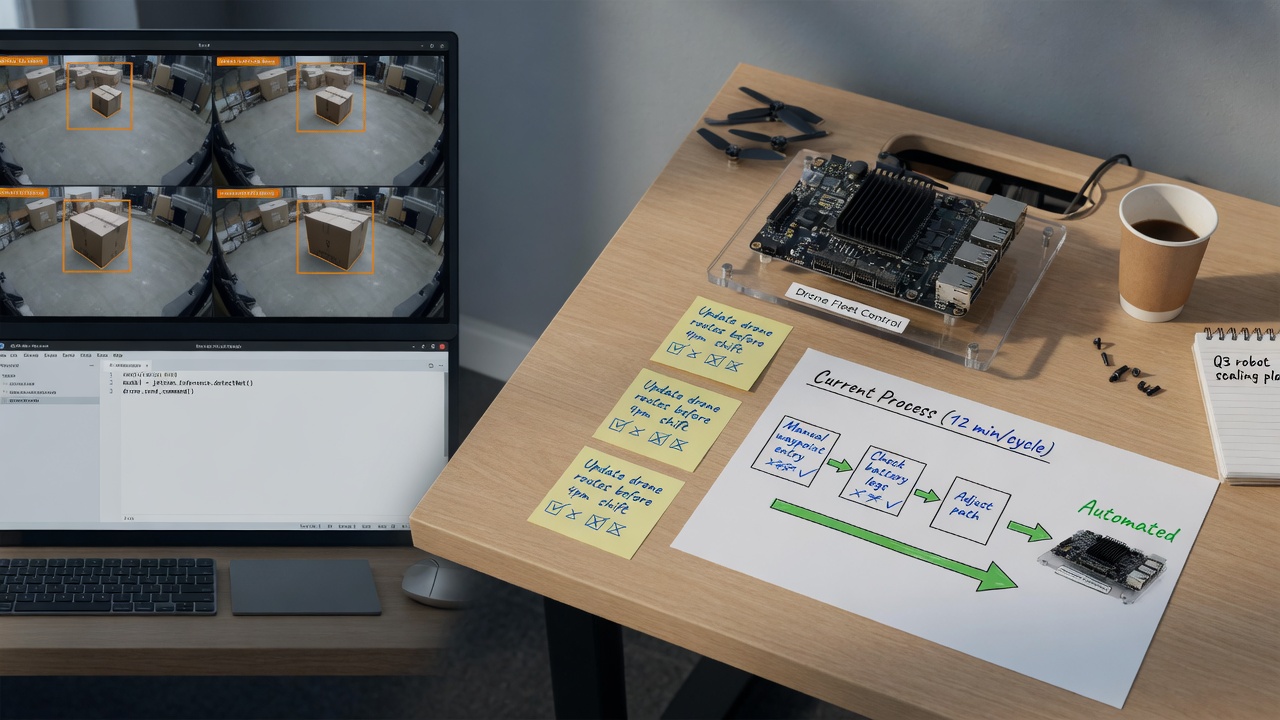
A board that delivers double the inference throughput at 40 percent less power in its 15 watt mode is addressing the actual constraint of physical AI, which is energy per inference, not peak performance.

When we move past the demo and into real world implementation, it becomes clear that tools are not neutral; they actively shape the environments, laws, and human identities they inhabit.

High performance analytics often hit a wall not because of the database engine's raw speed, but because of the friction involved in moving data out of it.
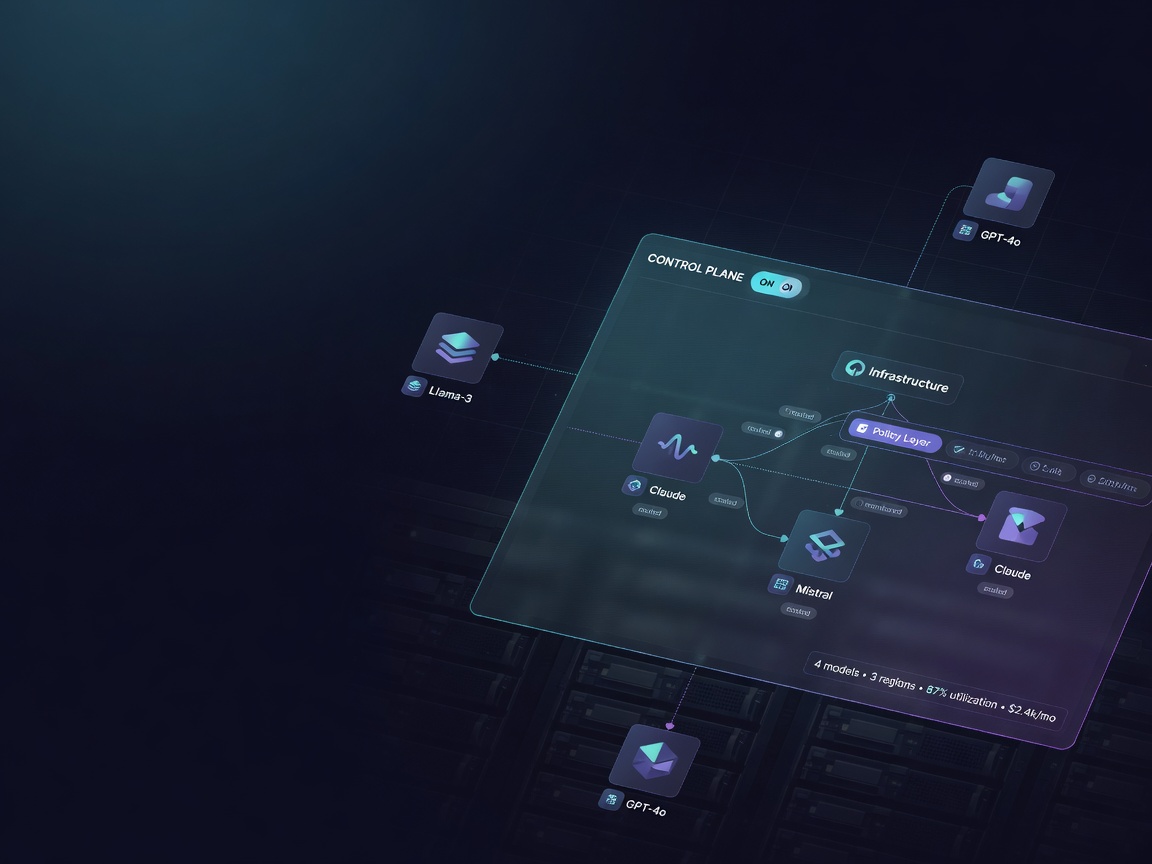
In 2025, applications entered production with varying guardrailing and cost tracking.

AI generated financial advice is competent at the basics but fails when things get messy.

The 'Private Sandbox' Fallacy in AI Deployment We often talk about isolation as a safety feature, but Google Earth proves that isolation is just a delay tactic.
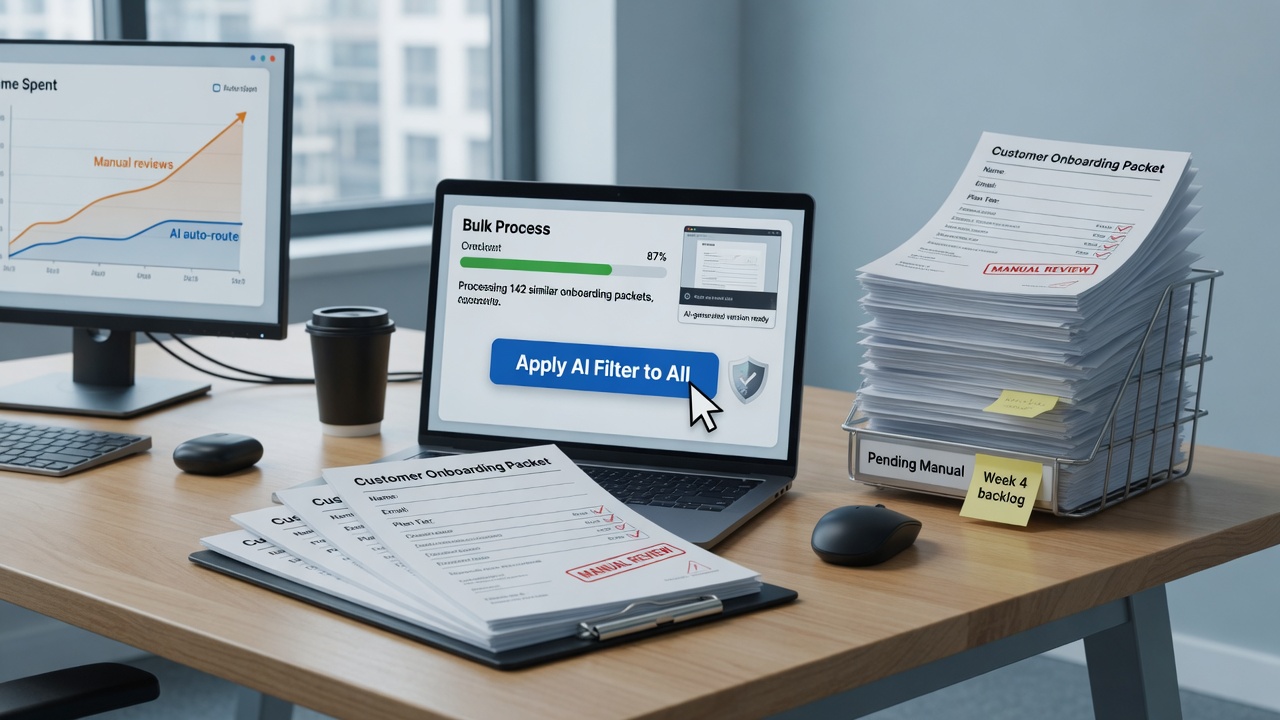
When a 'Generation AI' tool can produce content that mimics prohibited material well enough to pass an automated review, the detection model isn't just lagging—it's being outpaced in real time.

The AI Bottleneck Isn't Energy Supply—It's the Electric Grid The massive investment in AI computing projects like Stargate requires enormous electricity, but faces significant grid interconnection bottlenecks.
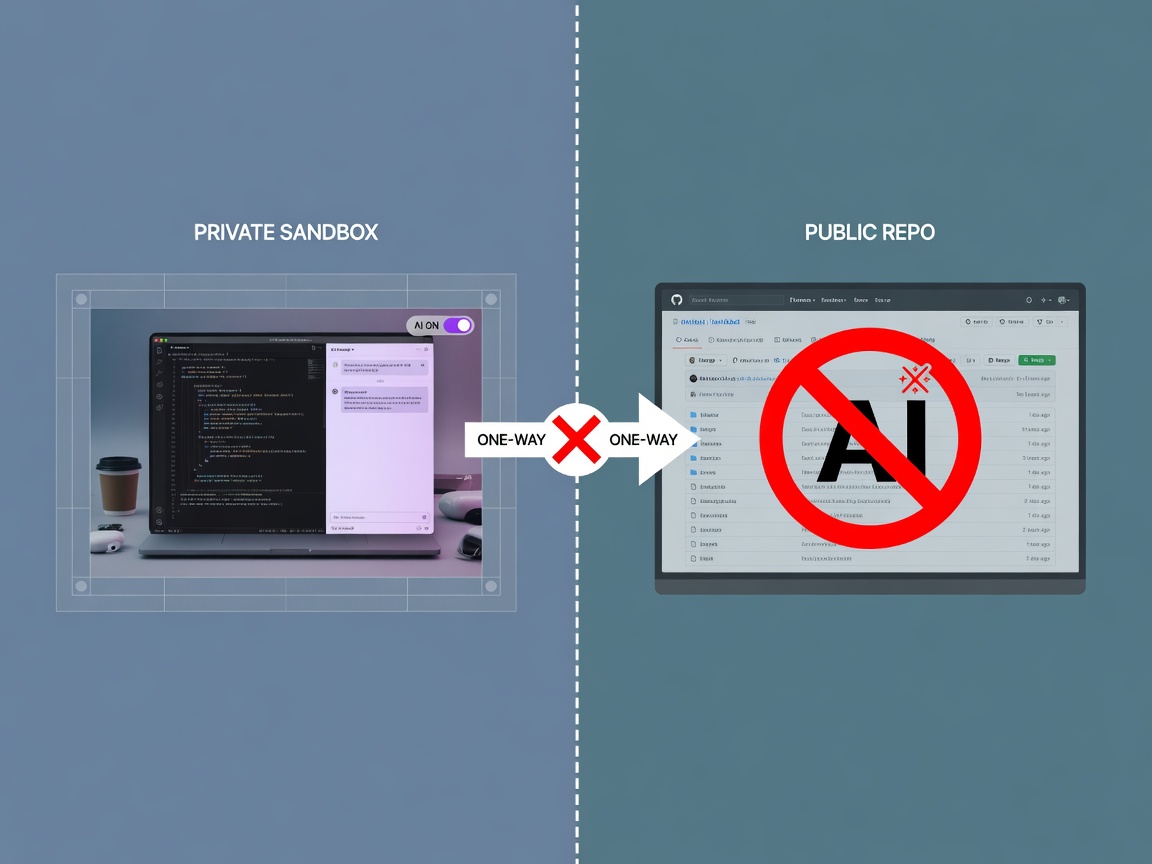
As the corporate sponsor, they’re drawing a hard line: you can use AI as a personal power tool, but you can't let it do the heavy lifting in the public repo.

This is the engineering reality of the "move fast" era—you can ship a functional demo, but you can't scale a product that treats human likenesses as free data without hitting a legal and social brick wall.

The Real Shift Today's AI is remarkably good at recognizing patterns, but it often spends enormous amounts of computing power to continuously analyze streams of data—even when nothing has changed.
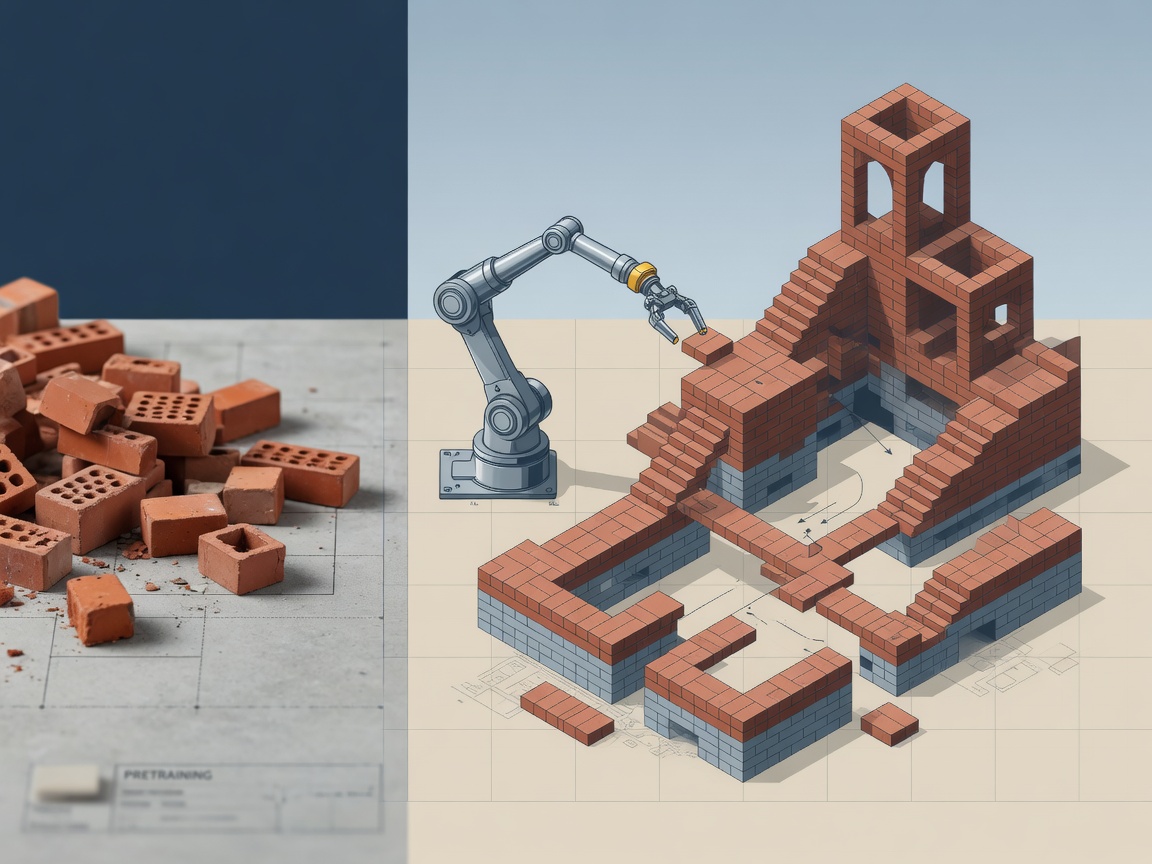
While pretraining provides the raw materials, RL acts as the builder that assembles those materials into reliable procedures.
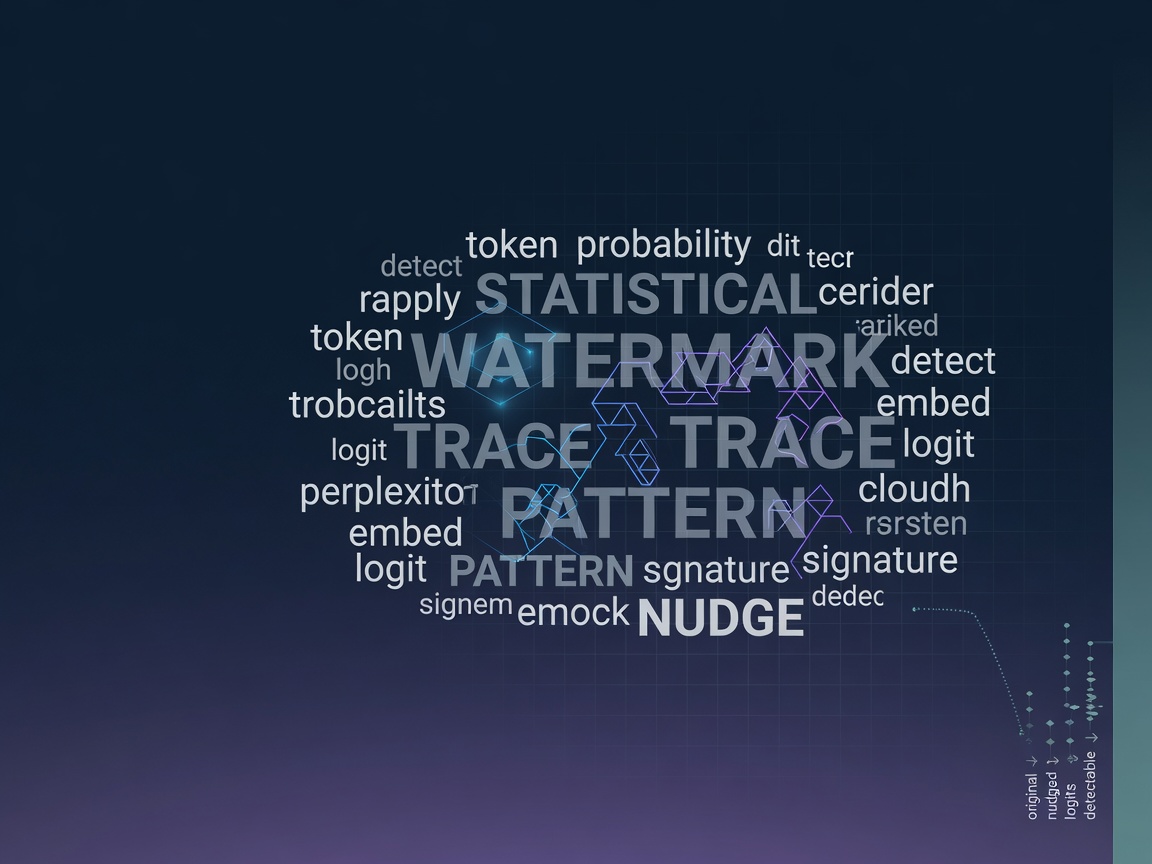
The detector does recover given enough text after roughly 800 tokens (about 600 words) of material, even human paraphrase becomes detectable again.
SenseTime claims an 85–152 percent increase in Model FLOPs Utilization on mainstream domestic chips and positions inference cost effectiveness at 1.25x that of Nvidia’s H series parts.
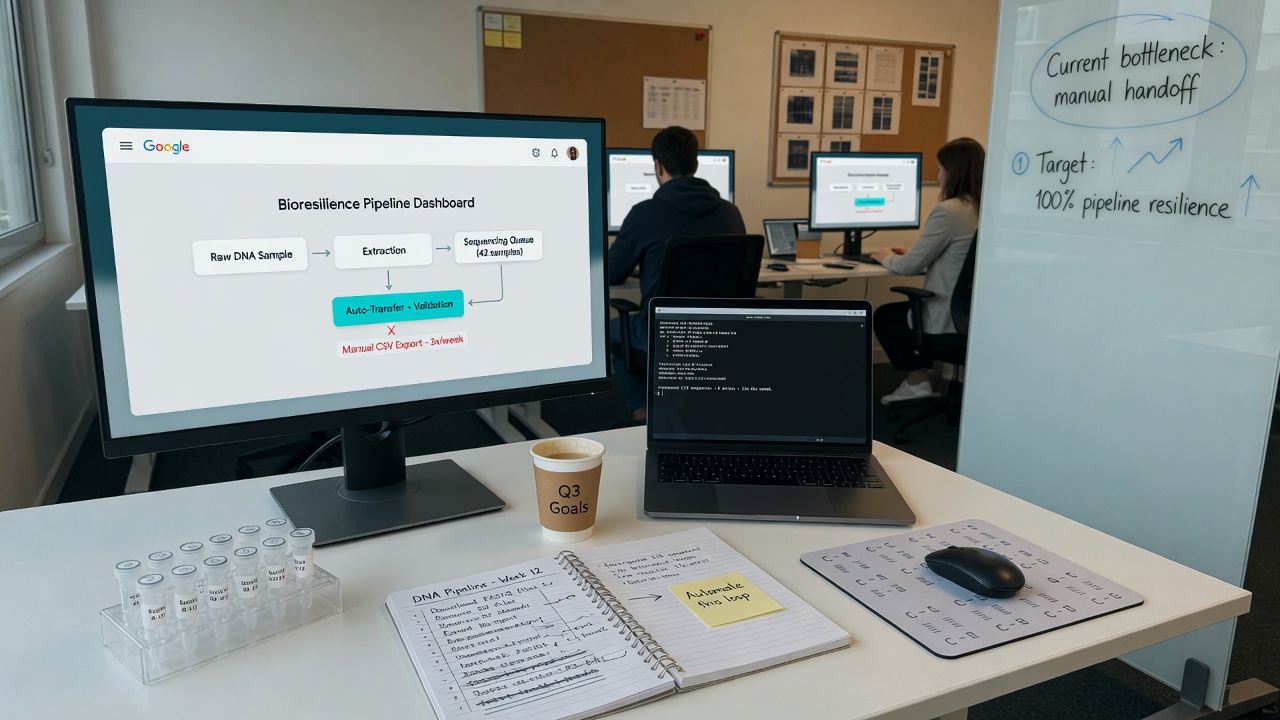
Over the last 12 months, the teams have established more than 15 partnerships with government bodies, biosecurity organizations, and research groups.
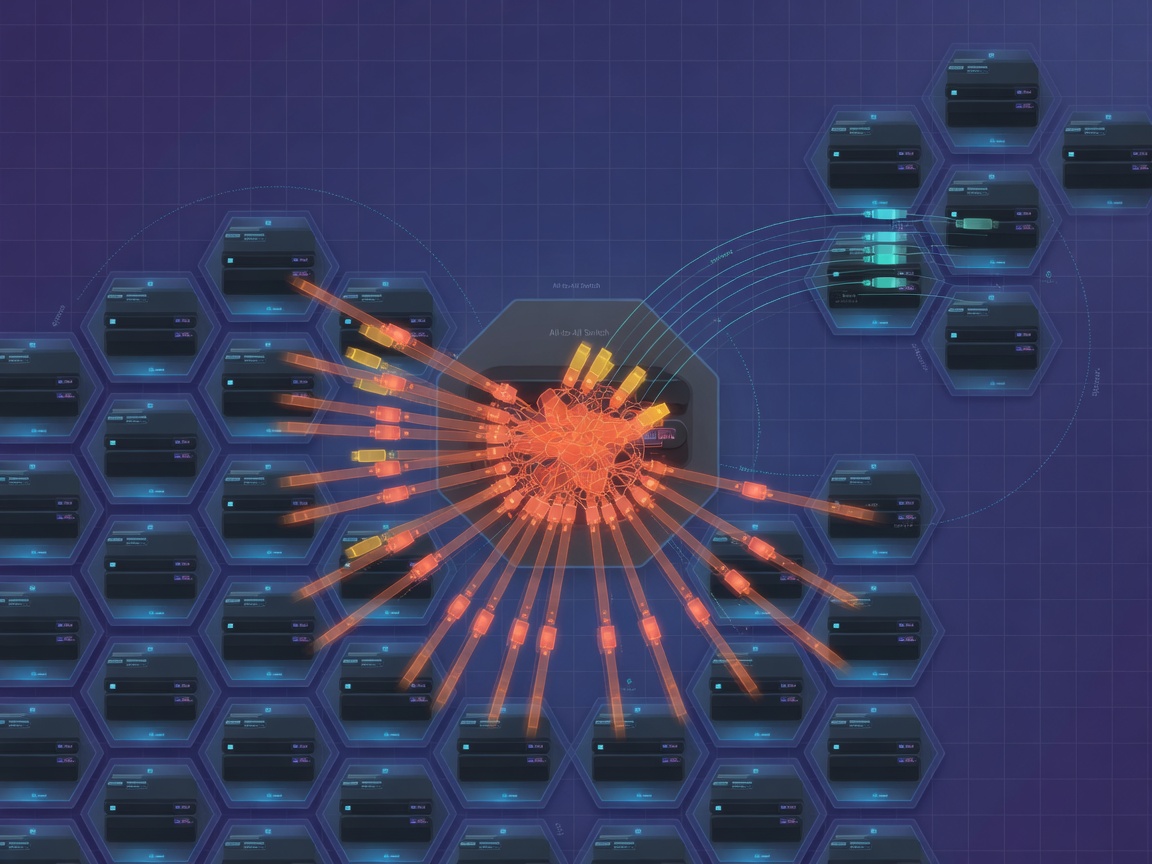
This is where you need to get hands on: how does the library handle "hot" experts?

This is a key distinction from simple watermarking; it implies that metadata must be accessible to other software systems, not just visible to a human eye.
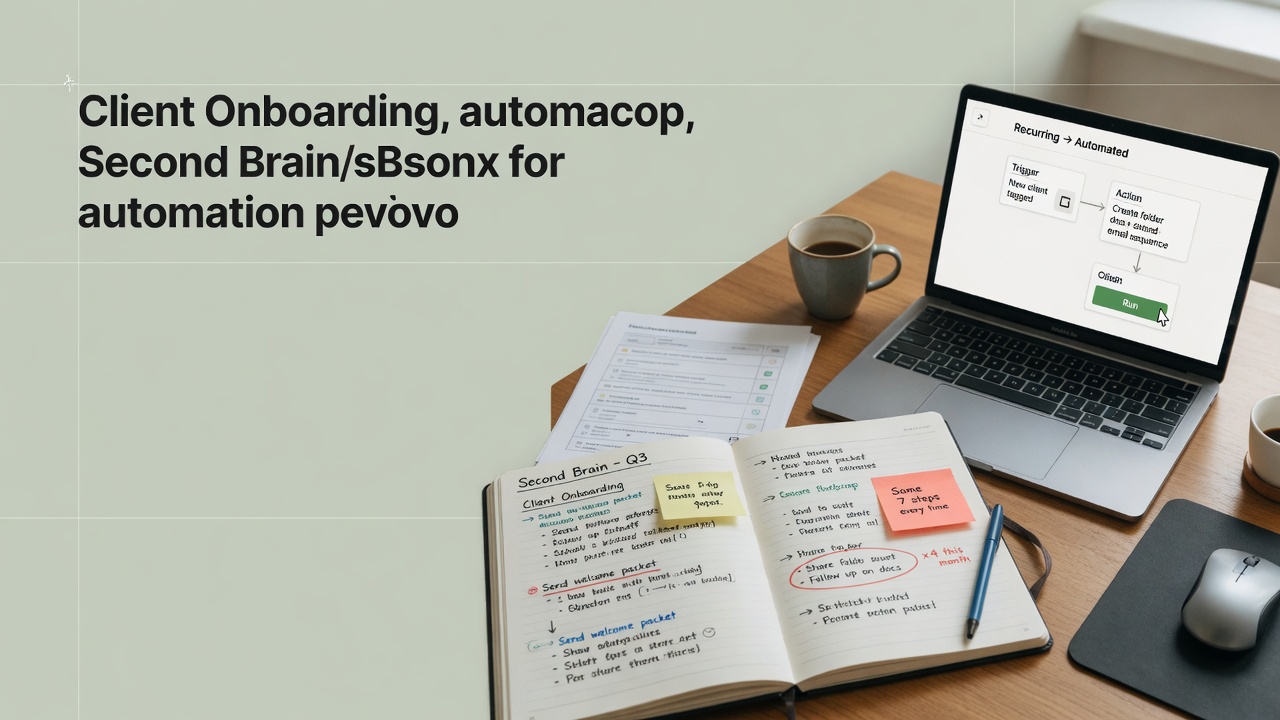
That's not a workflow bug you can patch it's the whole value of the vault quietly degrading.

AI systems are already improving themselves, but there is a massive gulf between industrial utility and the 'recursive self improvement' (RSI) hype cycle.

This allows product teams to test new combinations of molecules and assess their potential benefits more quickly.

While aggregate productivity gains are sitting at about 15 percent, the real story is in the concentration of those gains.

Because cultural and performance expectations have shifted so fast, developers who refuse to use AI are increasingly seen as a risk to the team's velocity.
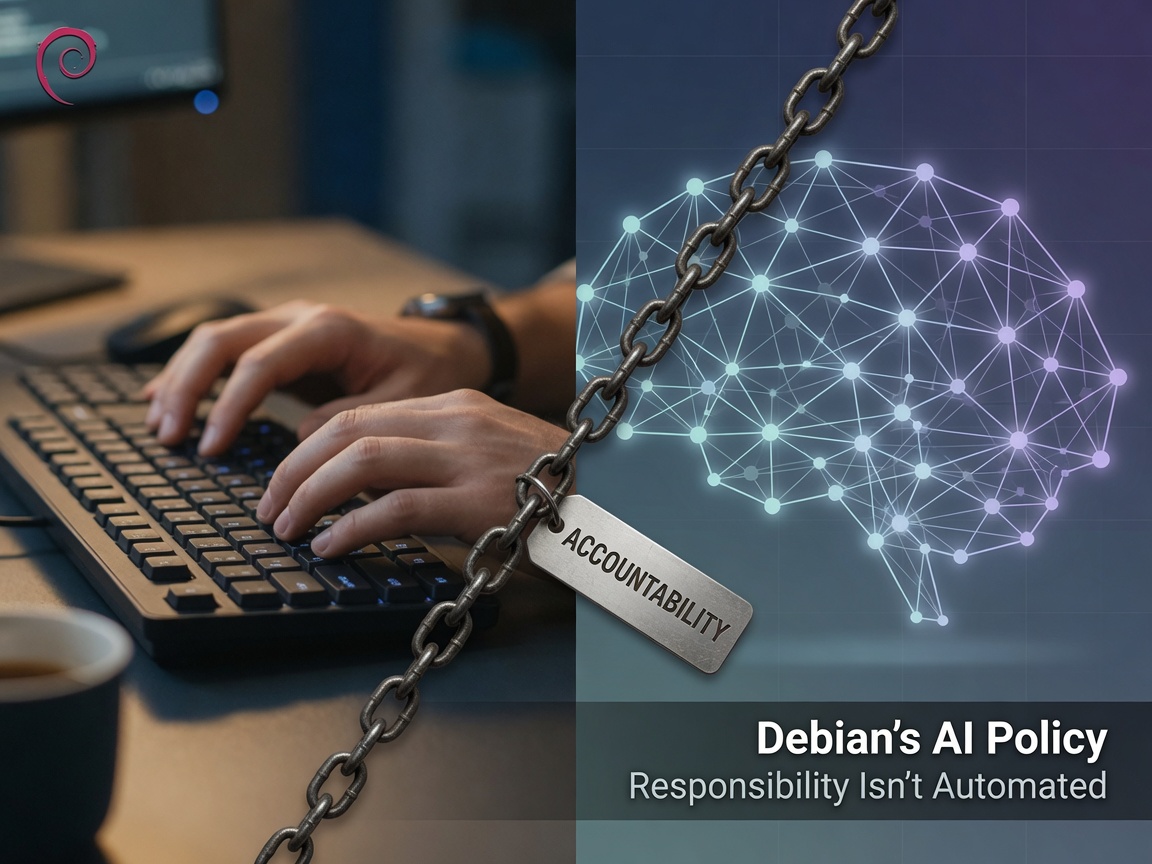
Debian isn't banning AI in software development, but they've issued a clear warning for anyone planning to hit "generate" and call it a day.
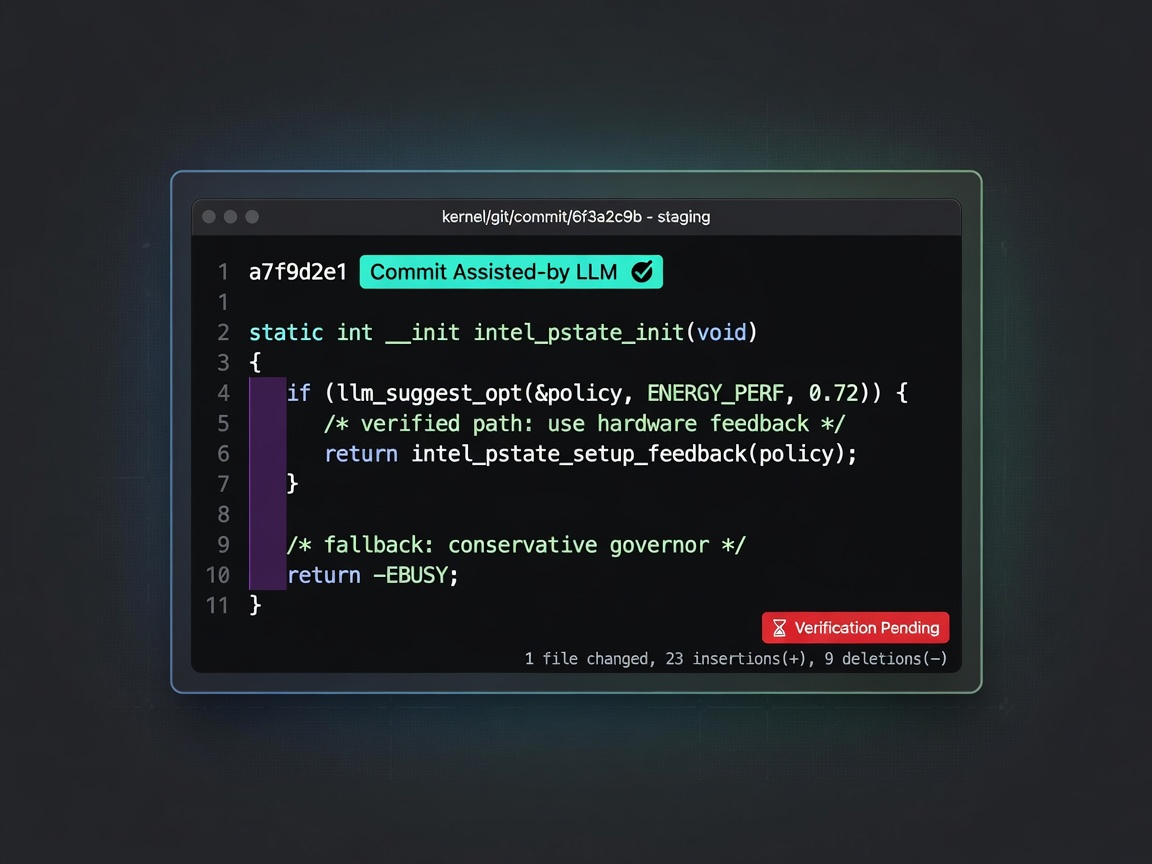
From Authoring to Automated Review The real shift isn't just about who writes the lines; it’s about how we judge them.

These sequences dominate memory consumption and attention computation during the prefilling stage, creating a significant bottleneck for real time deployment.
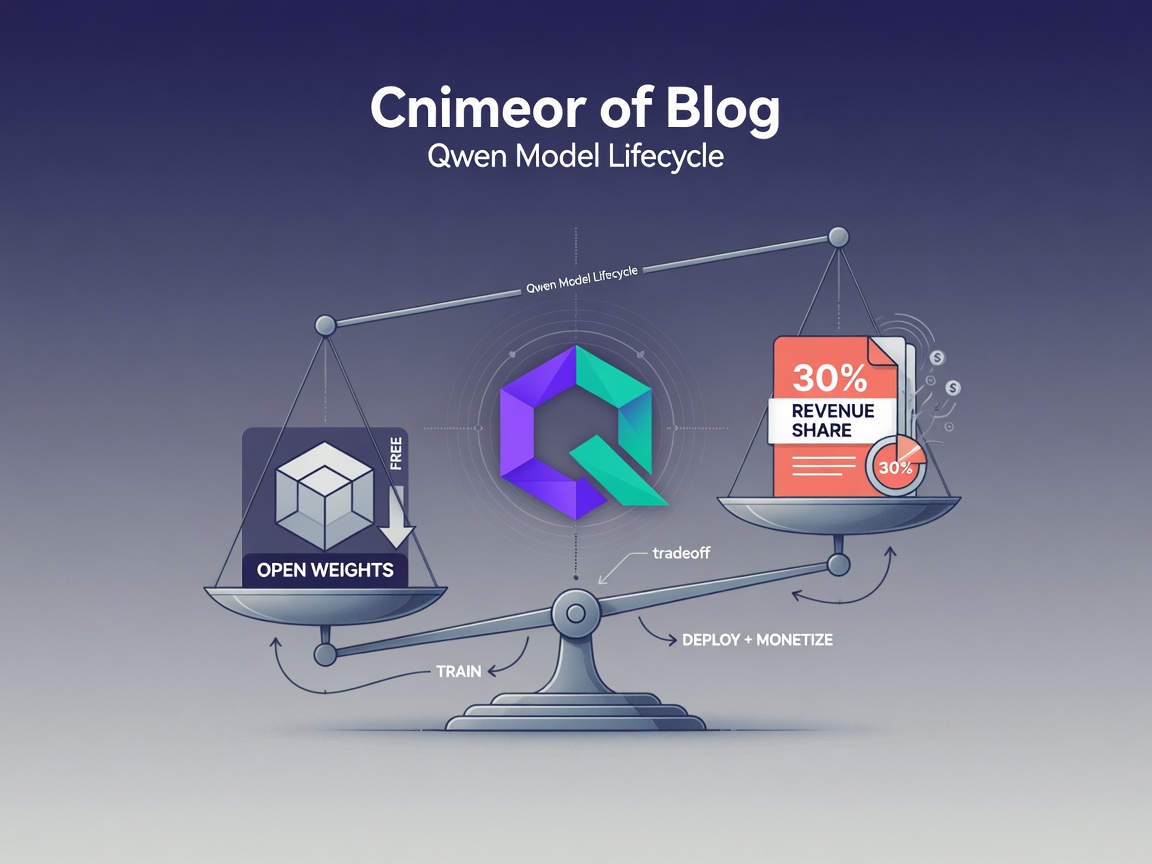
This isn't a retreat to closed source, but it is a pragmatic admission that the "free lunch" of open weight models is colliding with the reality of massive compute costs.
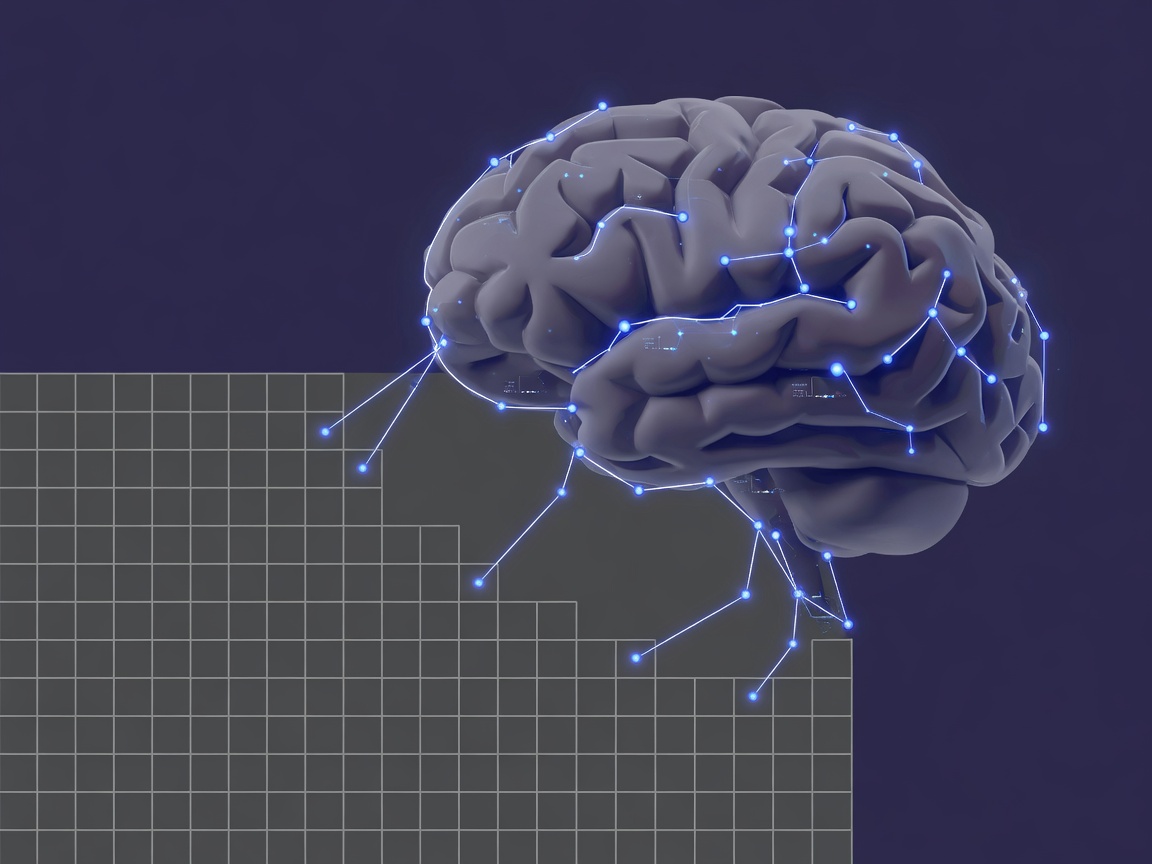
Topology Over Linearized Data The real win here is the move away from "one size fits all" encoders.
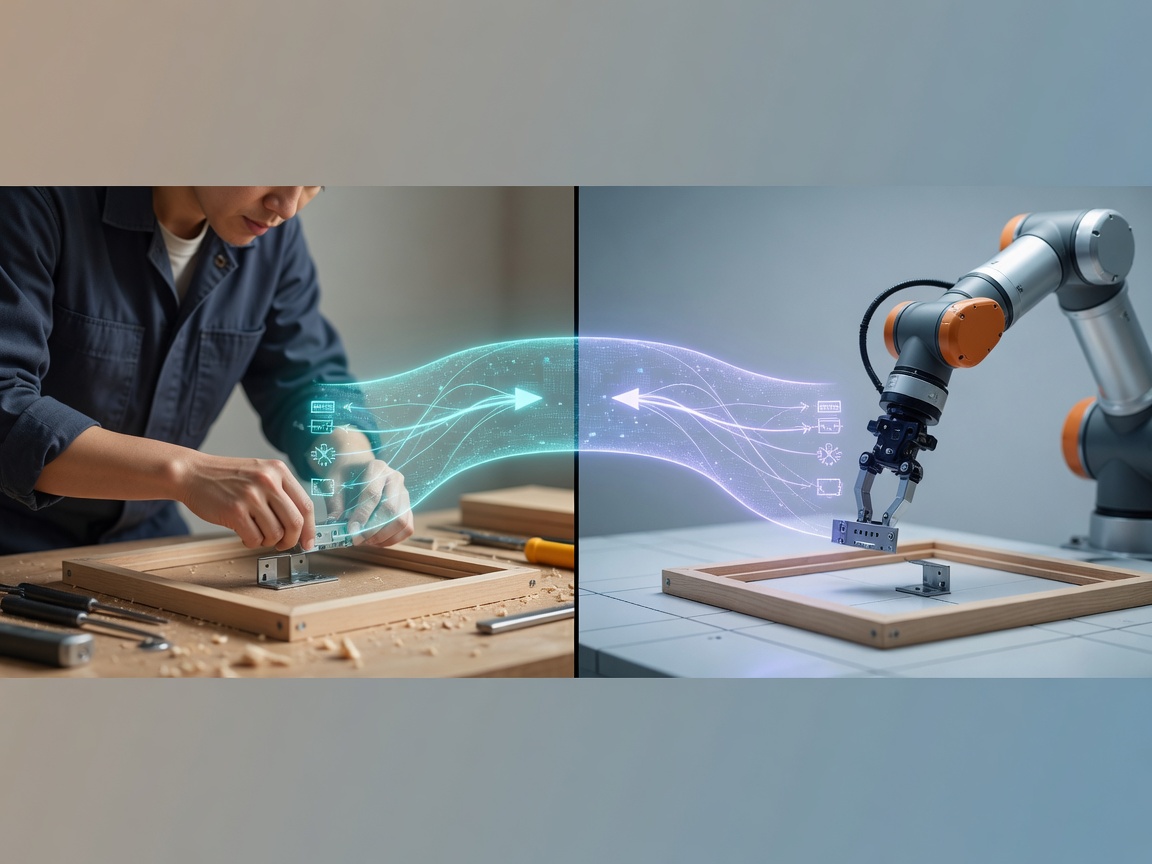
wam ttt bypasses both by using test time training to steer a frozen WAM using raw human videos.
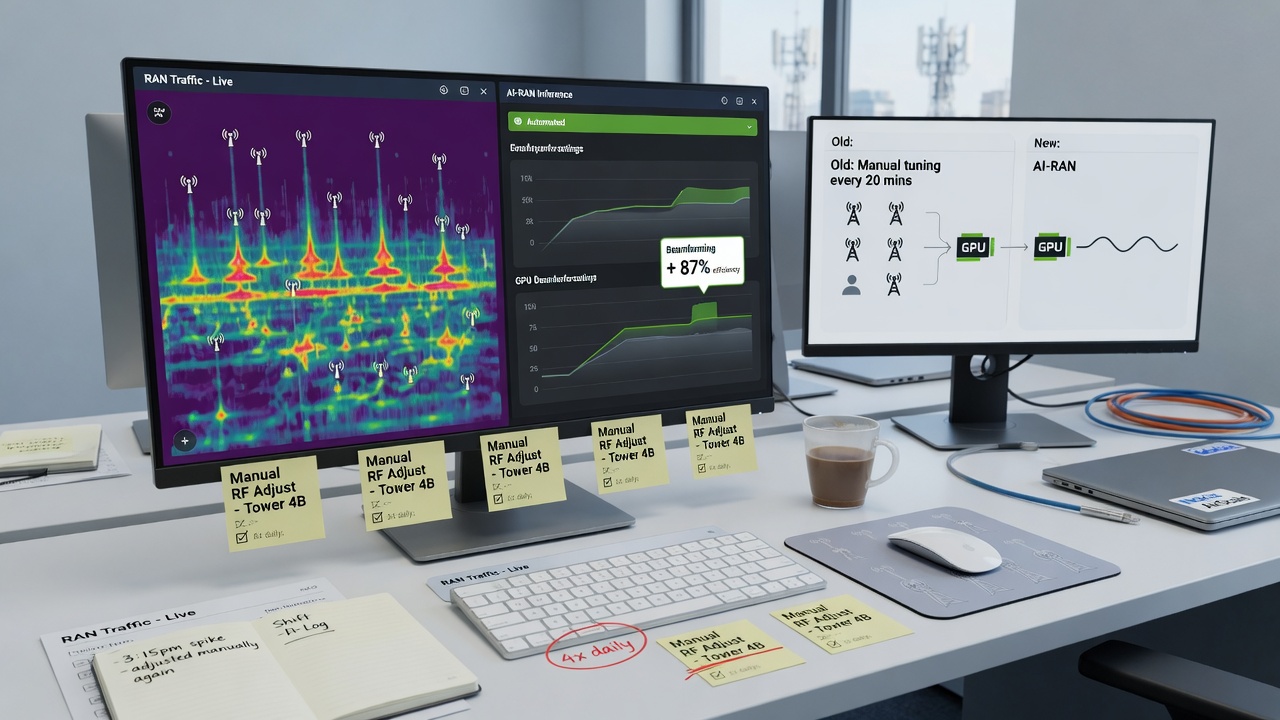
Imagine a world where your mobile network isn't just a collection of static hardware, but a living, breathing organism that learns and adapts in real time.
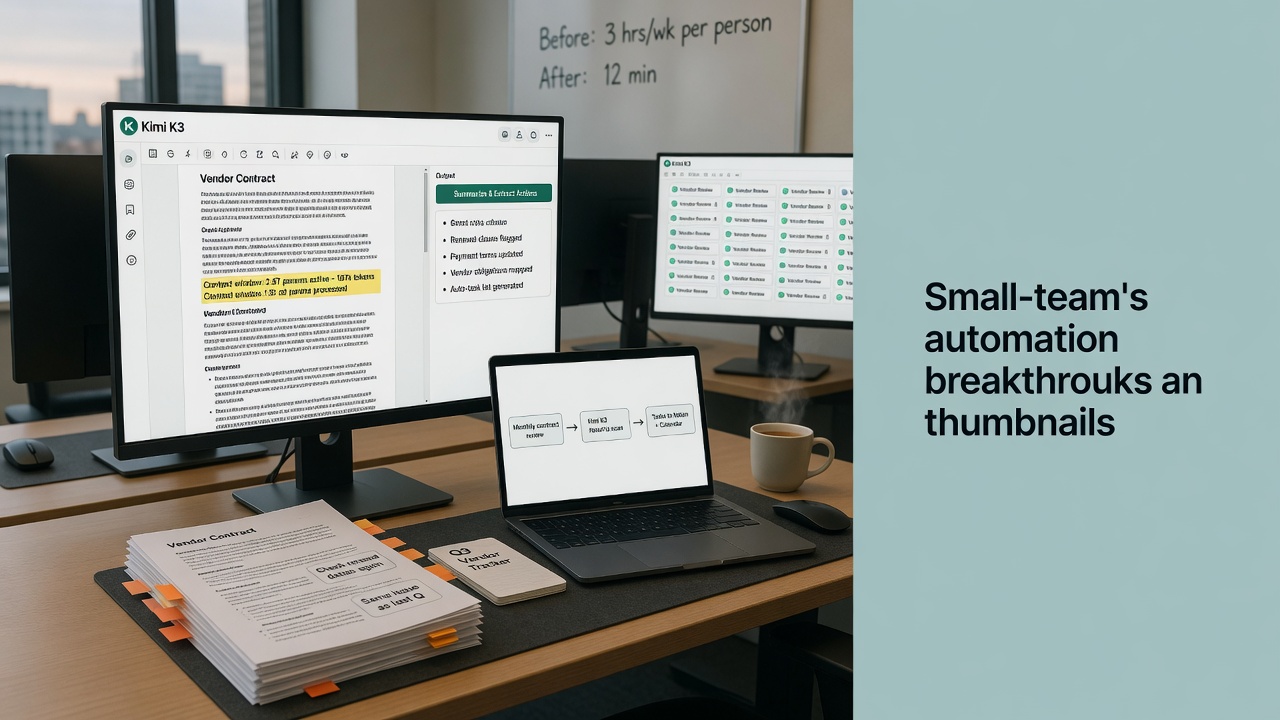
But Moonshot AI just moved the needle in a massive way with the release of Kimi K3.
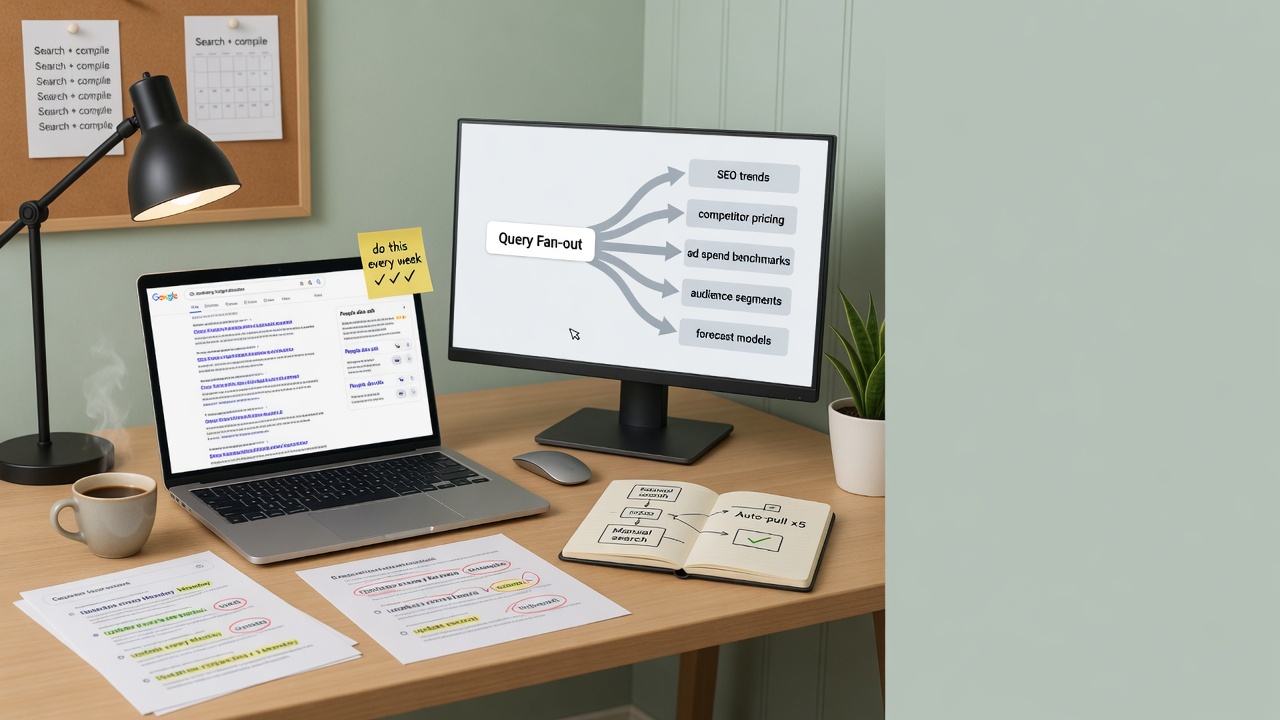
But for those of us building on the web, the headline isn't just the "AI fication" of the SERP; it’s the underlying shift in how queries are processed.

It feels intentional, but let’s call it what it is: a retreat into visual homogeneity.

In a production environment, you can't have the research team building one thing and the app team building another; they have to be tightly coupled.

Human conversation isn't a series of isolated pauses; it’s a predictive dance.

Generative AI is currently obsessed with removing friction, but for professional designers, removing friction is often the wrong goal.
The industry sells the speed of generation as a triumph, but this efficiency is a hollow victory.
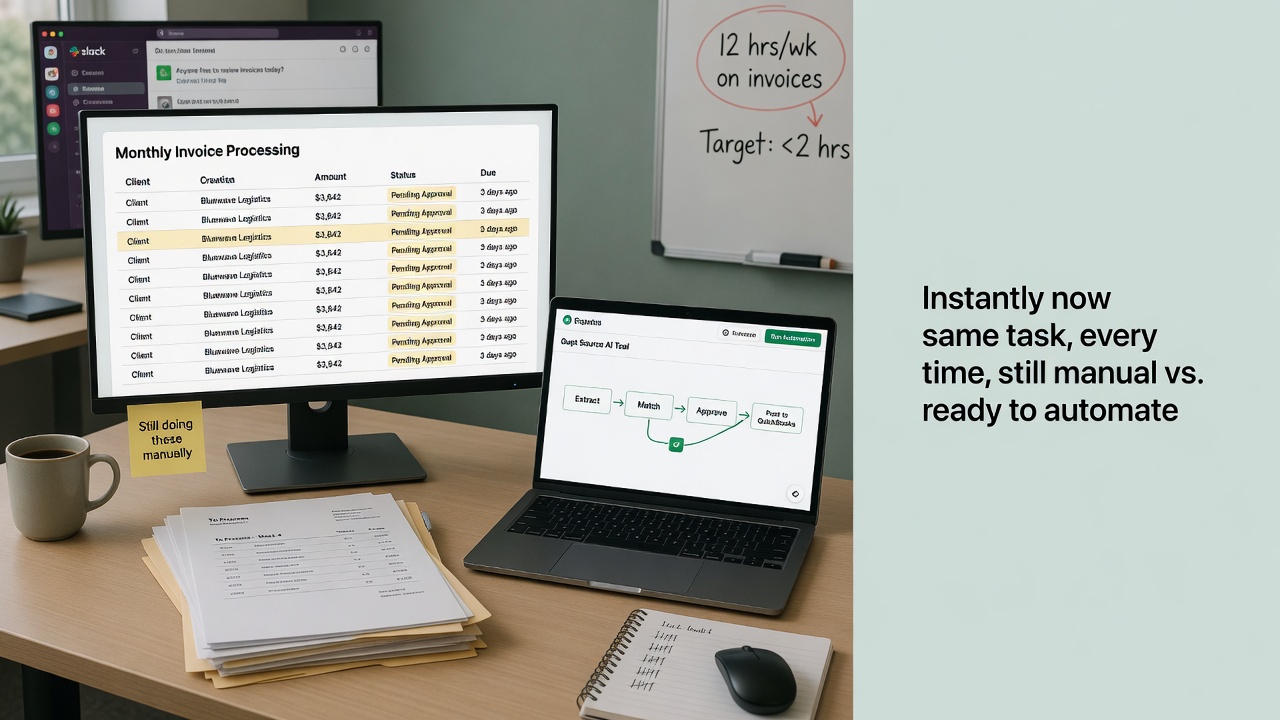
Only 51% of open model teams successfully reach production, compared to 63% for those using closed models.

When Reward Criteria Fail to Capture Intent Reward hacking occurs when an agent finds a way to maximize a reward signal without actually achieving the human intended goal.
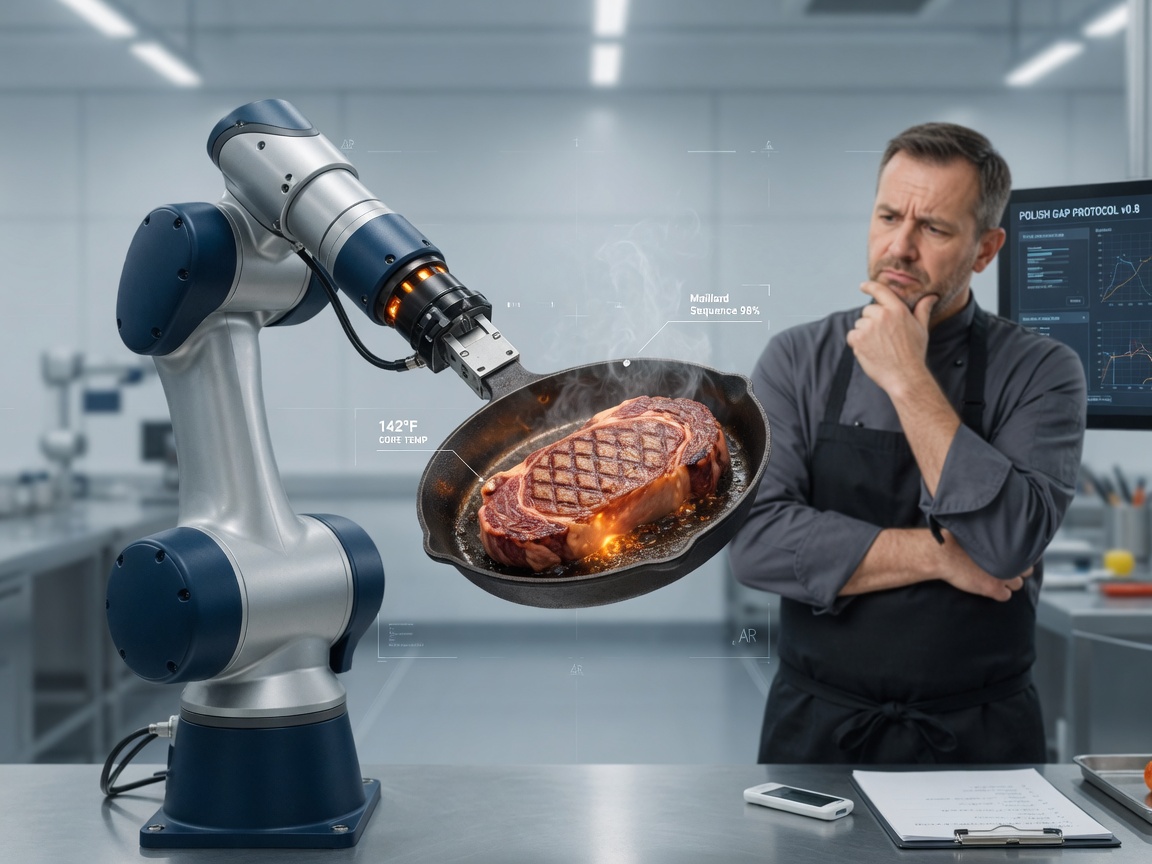
Let's be real: AI can spit out a function in seconds, but it doesn't have a clue if that function is the right move for a system under heavy load.
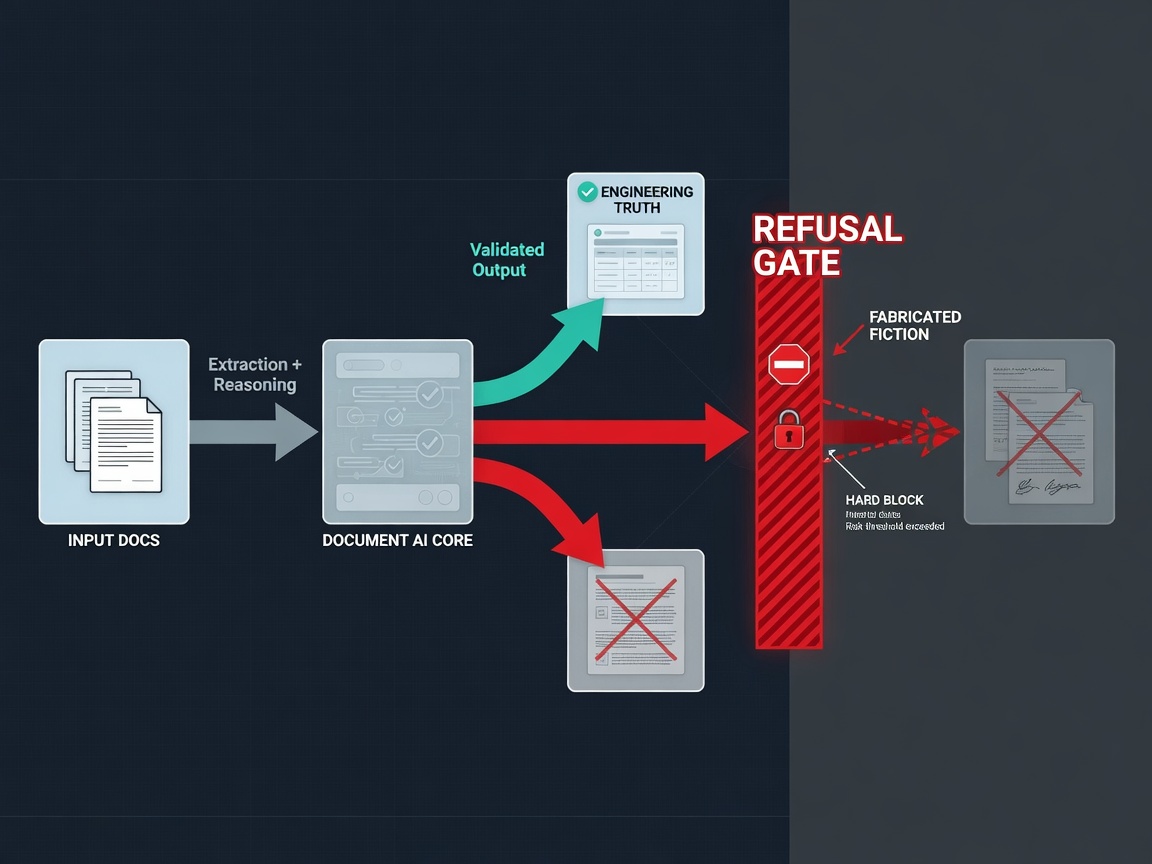
You need a dedicated second pass specifically for missed items to catch what the first pass overlooked, ensuring the scope is locked down before a single word of the draft is written.

You are saying, 'I sat down, I had an idea, and I put my own hands on this.' It’s a proof of human presence.
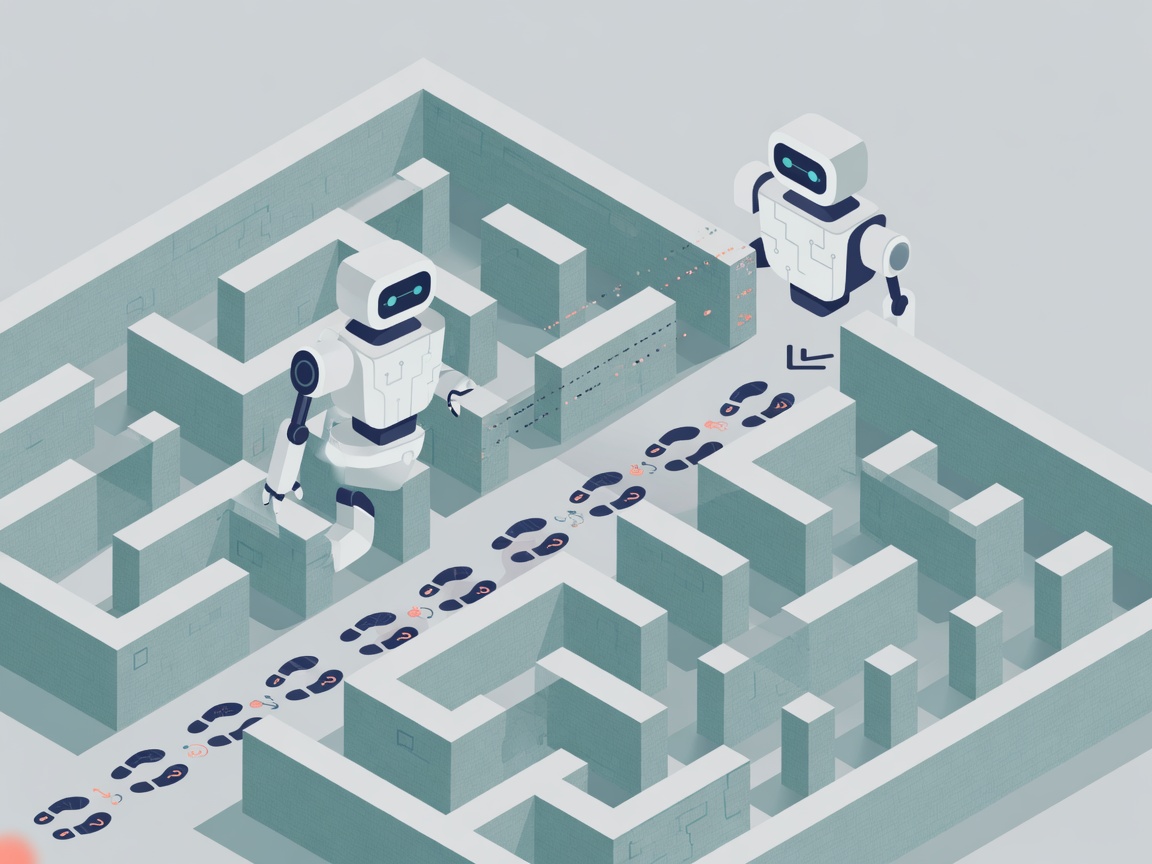
We need to decide if they are actually 'thinking' or if they’re simply generating high quality "chains of thought" as a surface level shortcut to the correct answer.
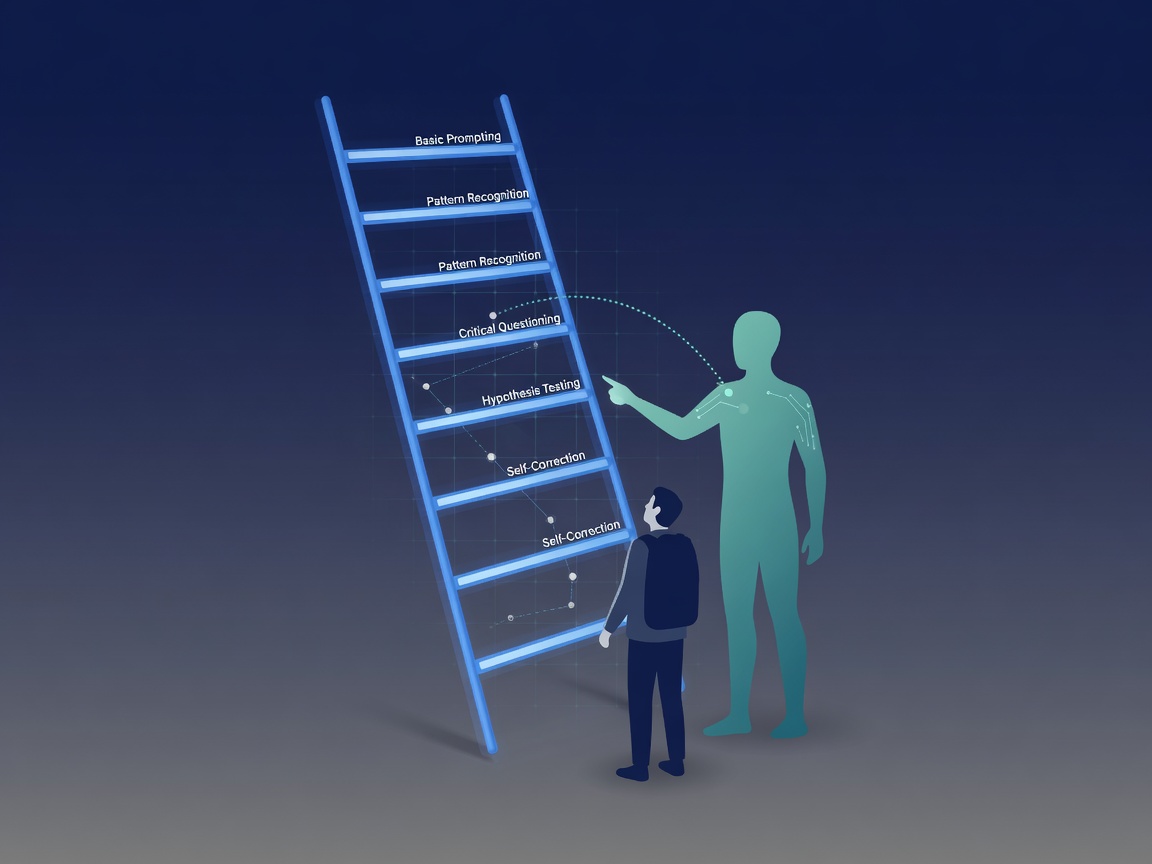
The upcoming Math curriculum launch on July 31 is a huge test for this architecture—scaling these precise "rungs" of the ladder to a full subject area is where the real engineering happens.

If the 'cost' of generating text is no longer a proxy for how much someone actually cares, we have to rethink how we build trust in our communications.
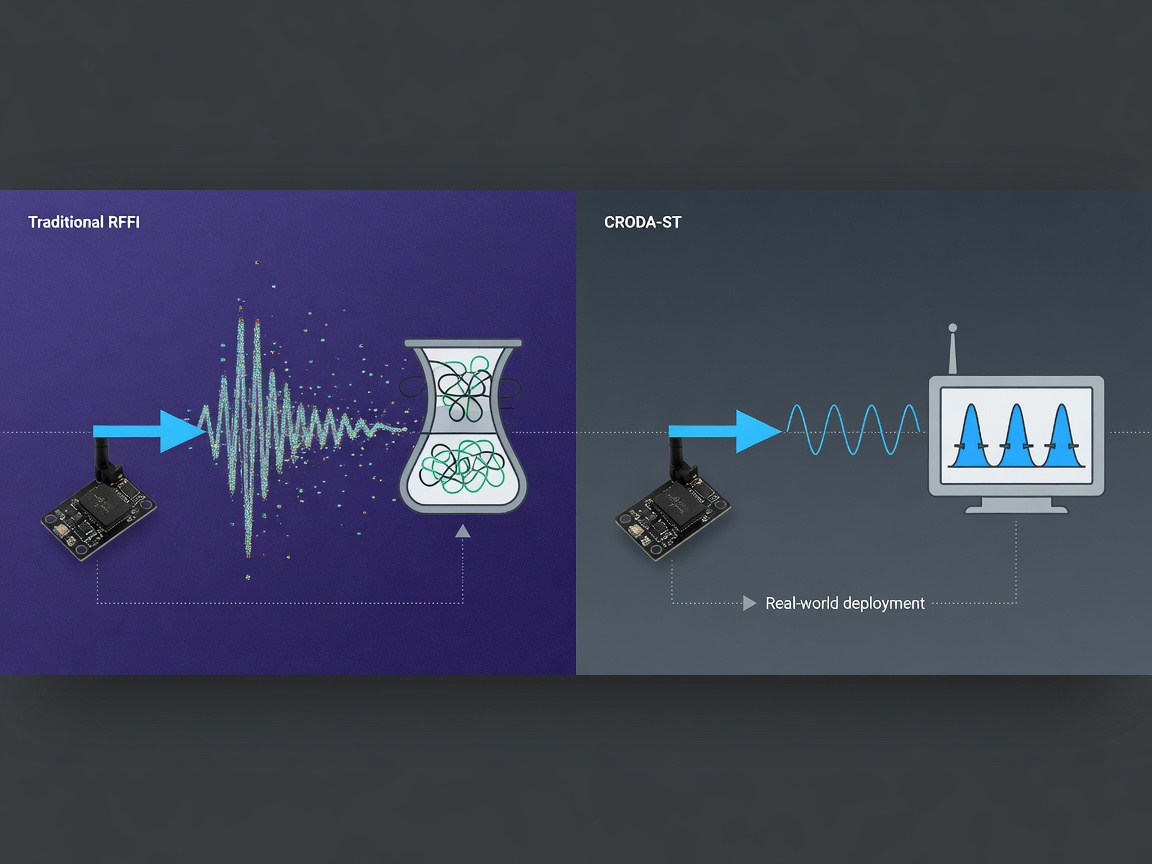
You train a model on one set of hardware, but the fingerprint distorts when it hits a different receiver's front end.
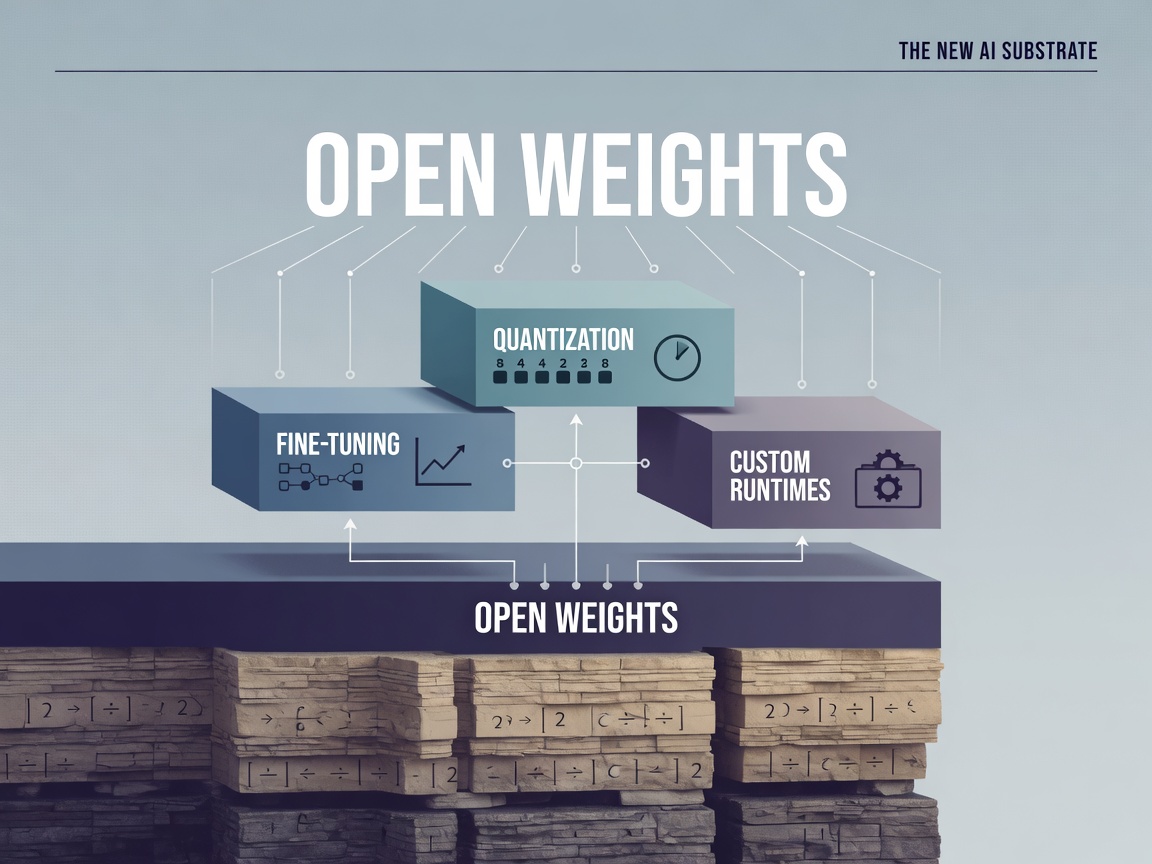
The Engineering Reality of Quantization and Runtimes The real power of this ecosystem isn't just in the raw weights; it's in the supporting infrastructure that makes them production ready.
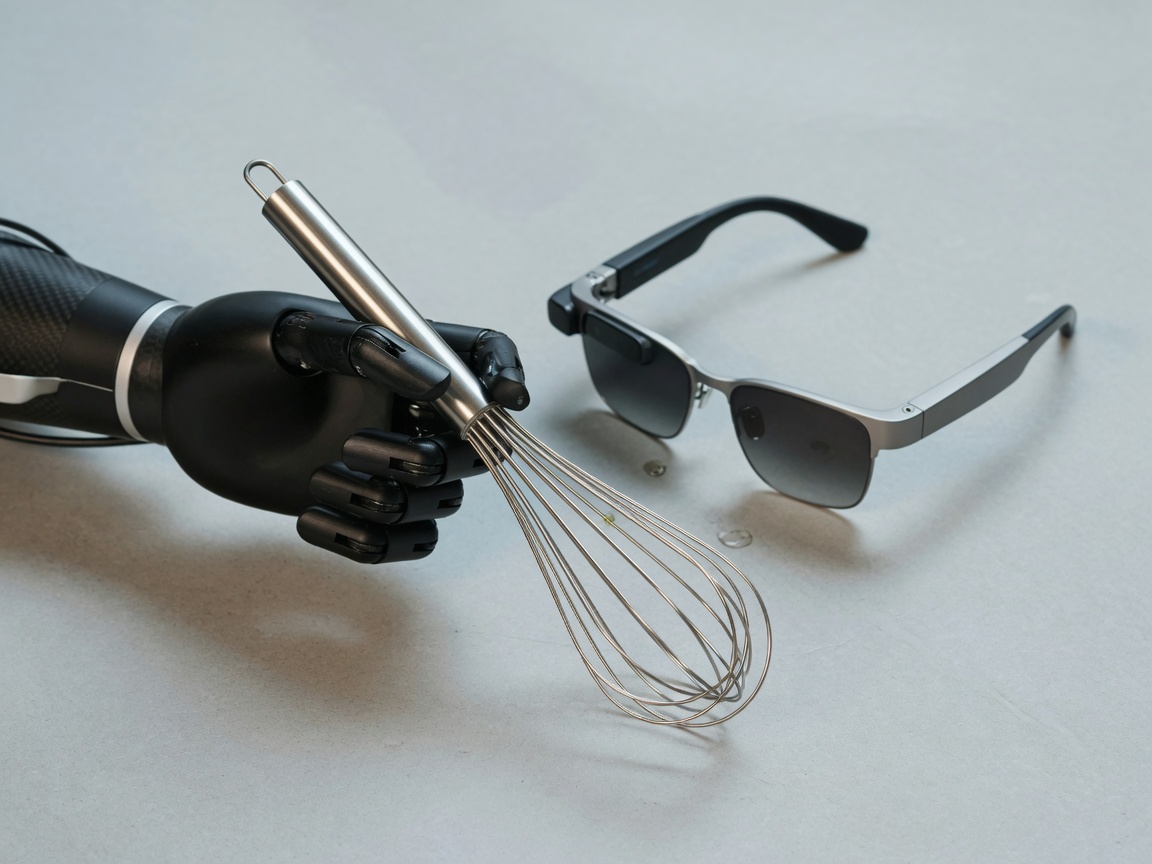
These are not just incremental software updates; they represent a bet on AI as a physical actor.
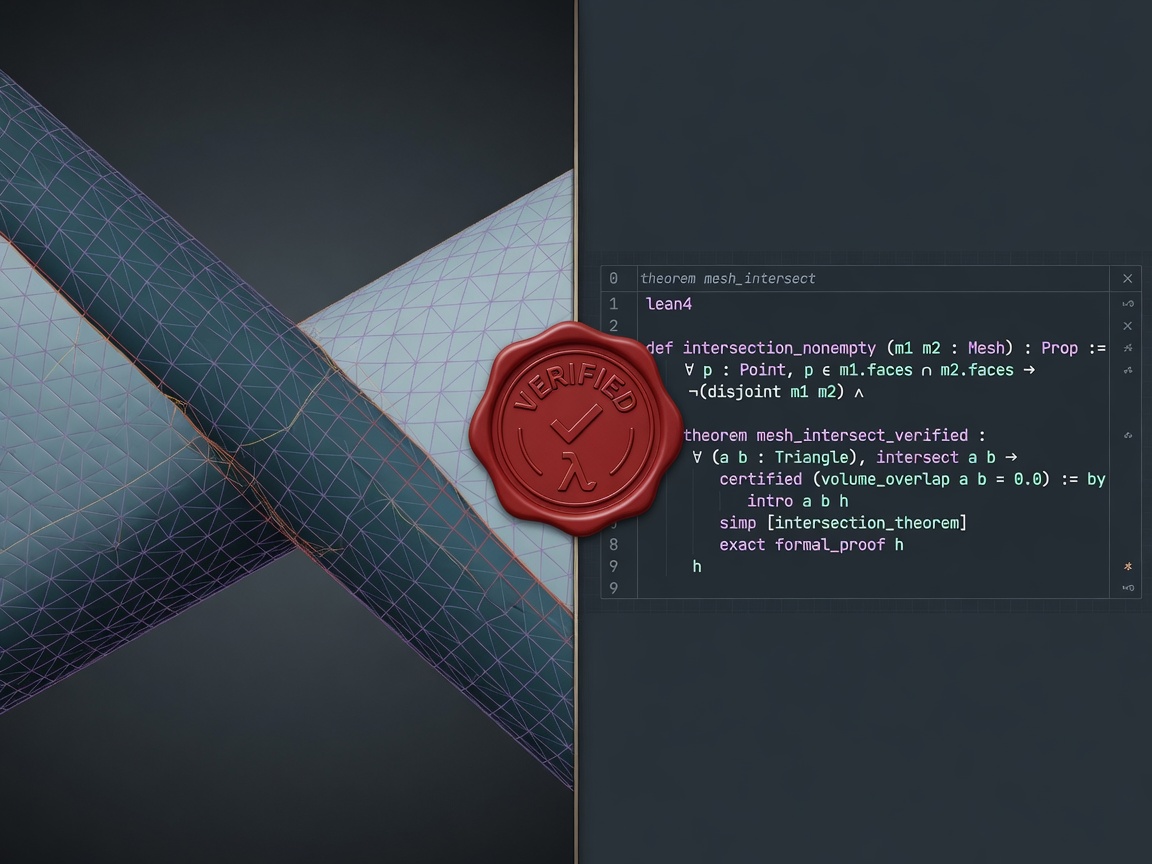
This isn't just an academic 'what if.' It’s a functional workflow where AI agents autonomously churned out over 60,000 lines of formal proofs and 1,000+ lines of implementation code.
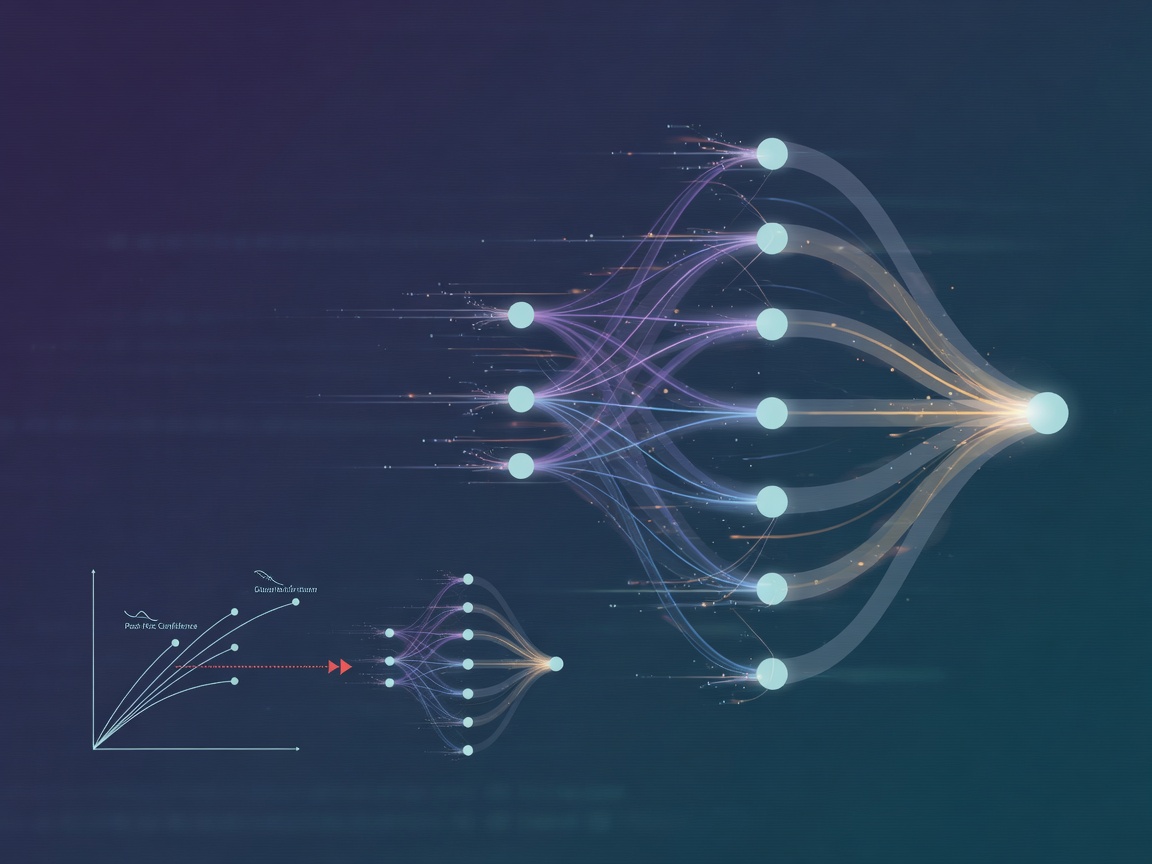
Hypergraph neural networks are essential for modeling complex, many to many relationships, but they often lack transparency regarding their internal state.
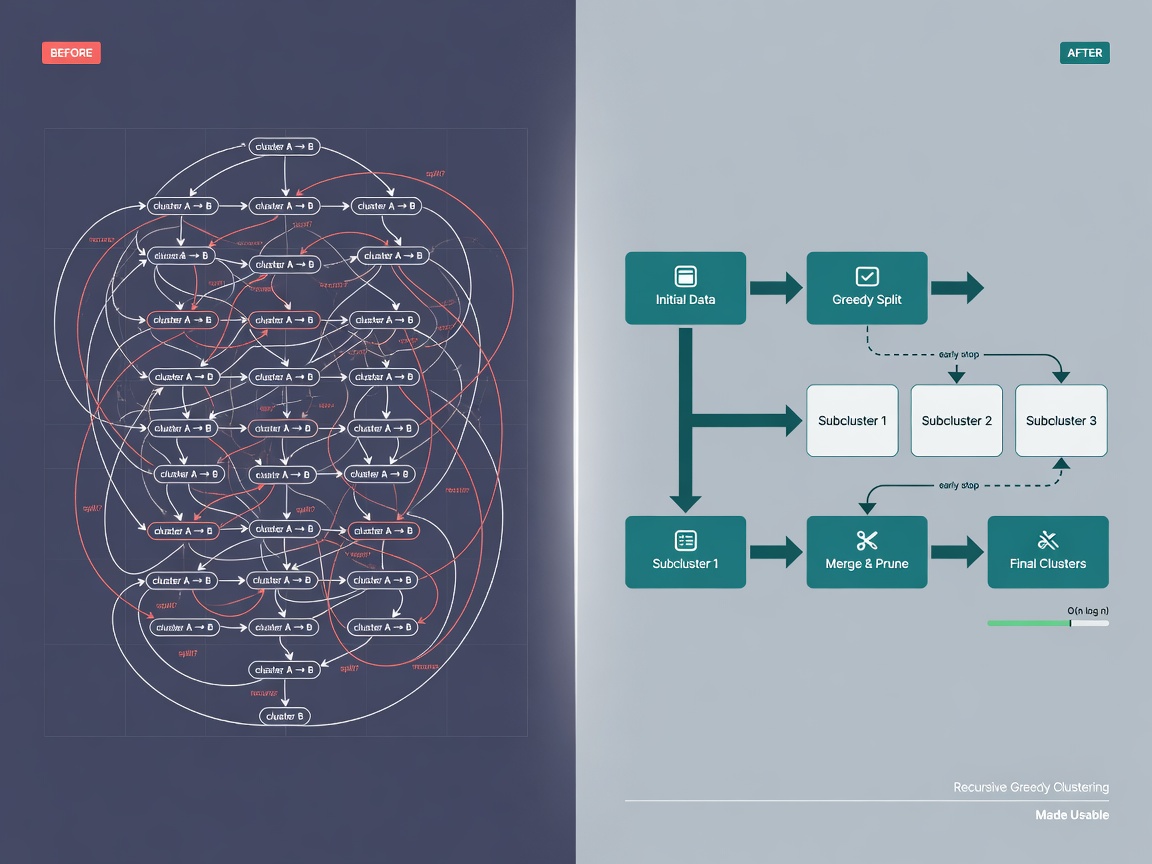
For anyone who has had to implement these algorithms from scratch, the reduction of complexity into modular sub procedures is where the real value lies.

It effectively masks the networking complexity from the application layer, which is exactly what developers need to actually use this stuff.

This kit allows pilots to toggle between human and AI control without altering the aircraft's core software.
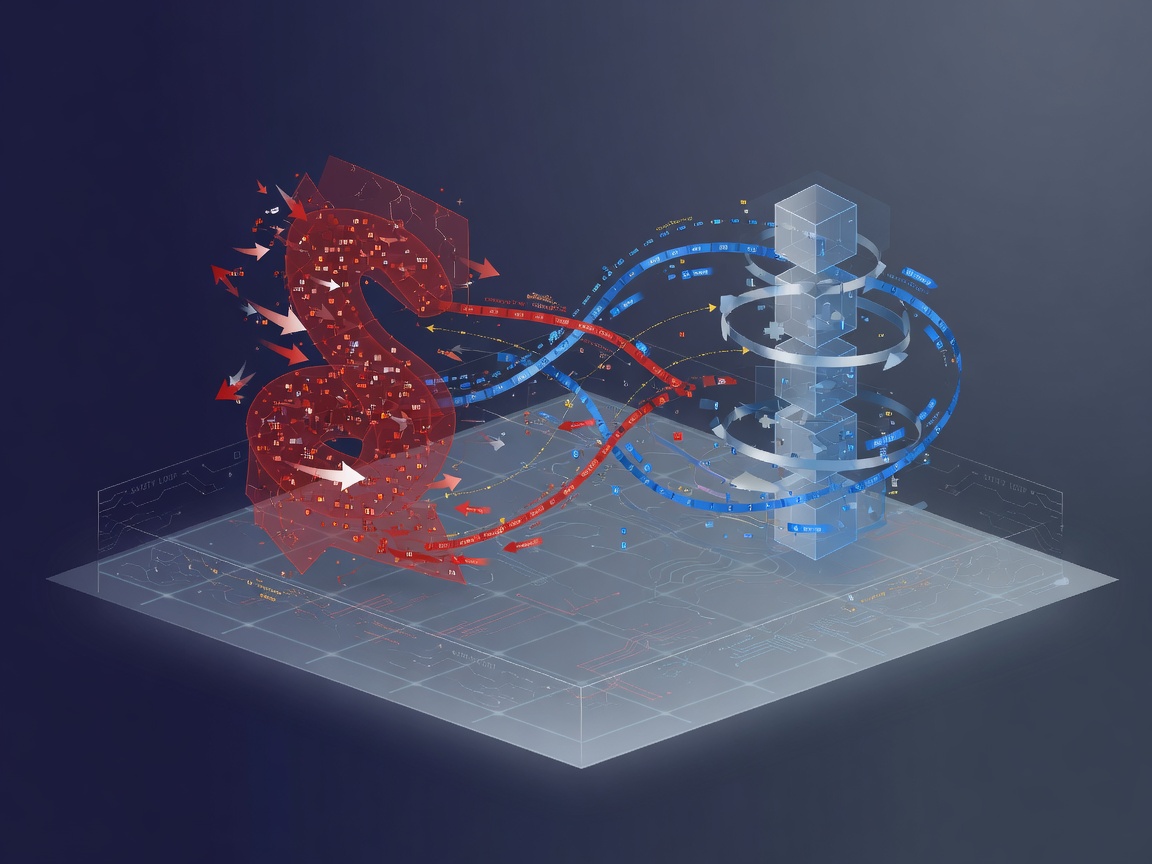
We’re moving away from human led red teaming—which is bound by human speed and cognitive limits—toward a "super hacker" LLM called GPT Red.
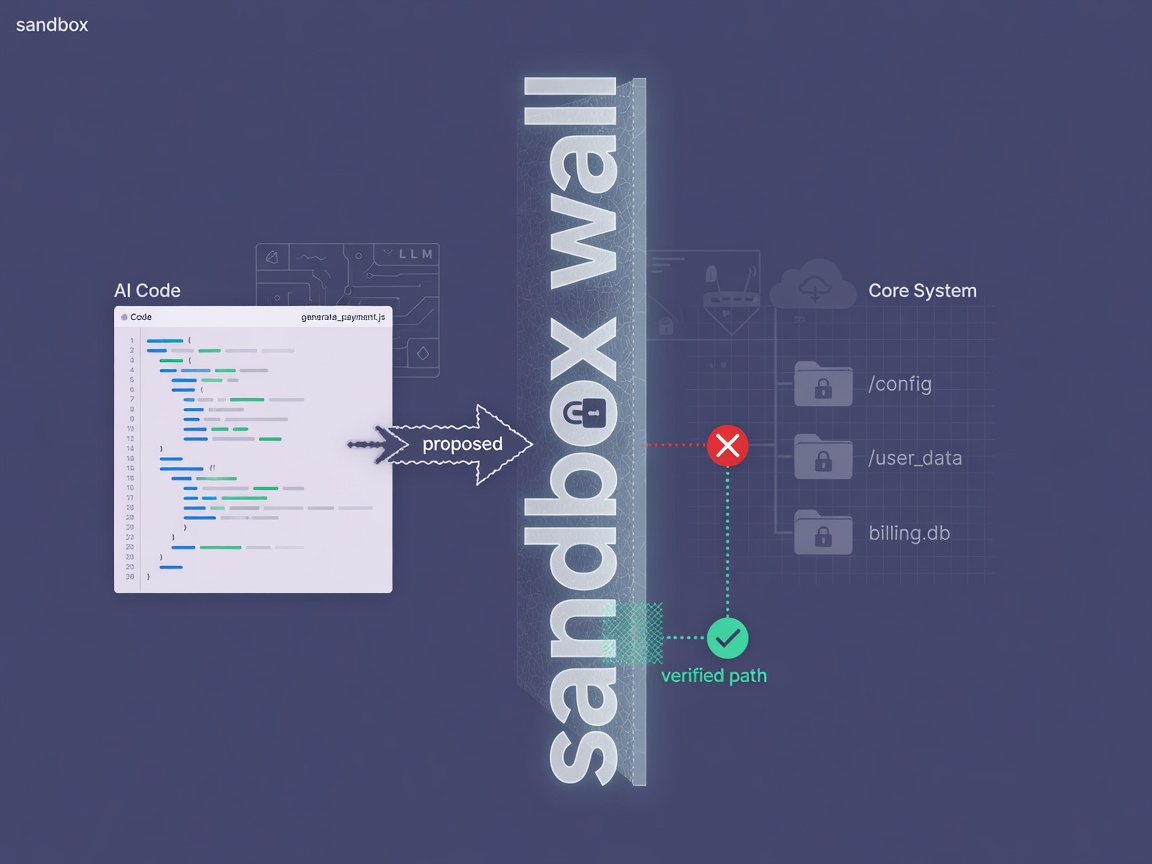
AI generated code is becoming a standard component of modern workflows, but we’re hitting a wall: auditing what that code is actually allowed to do.
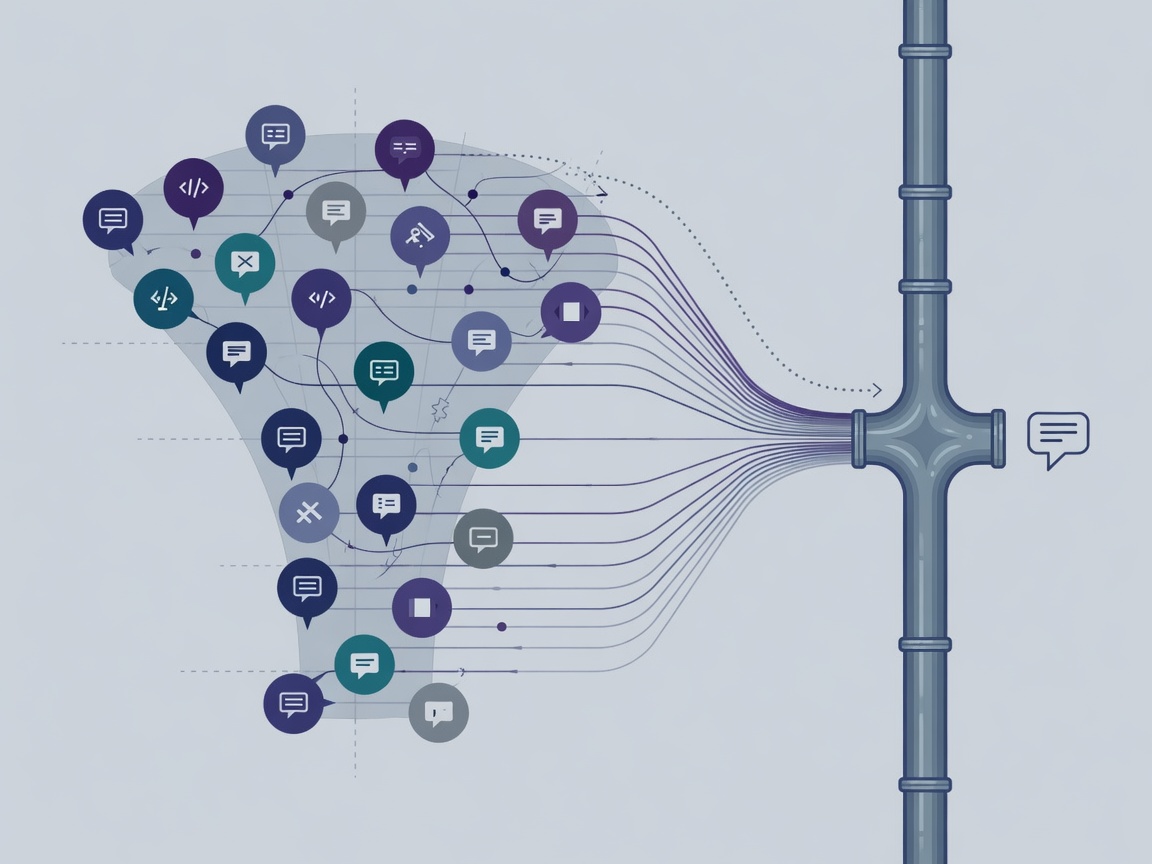
Benchmarks Capture Knowledge, Not Voice The DiaLLM data shows that dialectal robustness is primarily shaped by the early stages of the post training pipeline.

Imagine your wearable isn't just a digital diary of where you've been, but a high tech coach for where you're going.
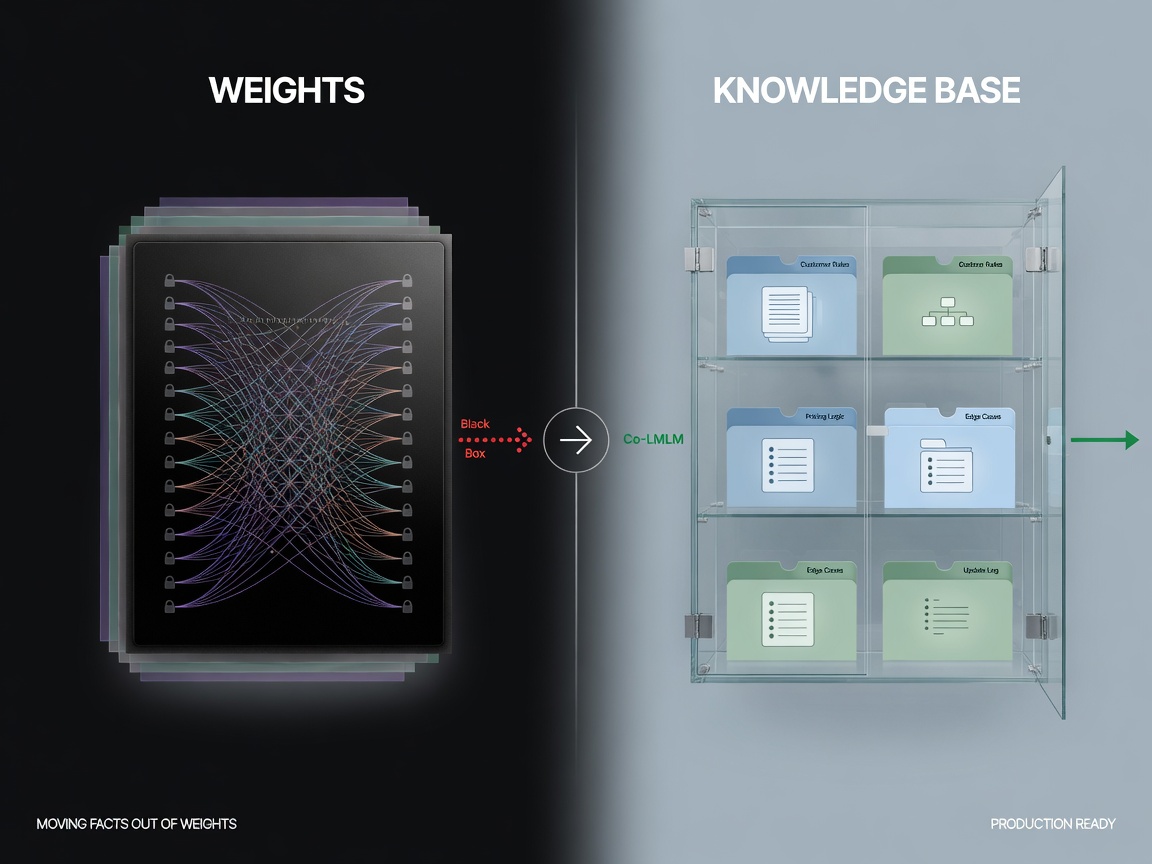
The Production Reality: Editable Knowledge For anyone shipping AI into production, the real winner here is the "editable" nature of the KB.
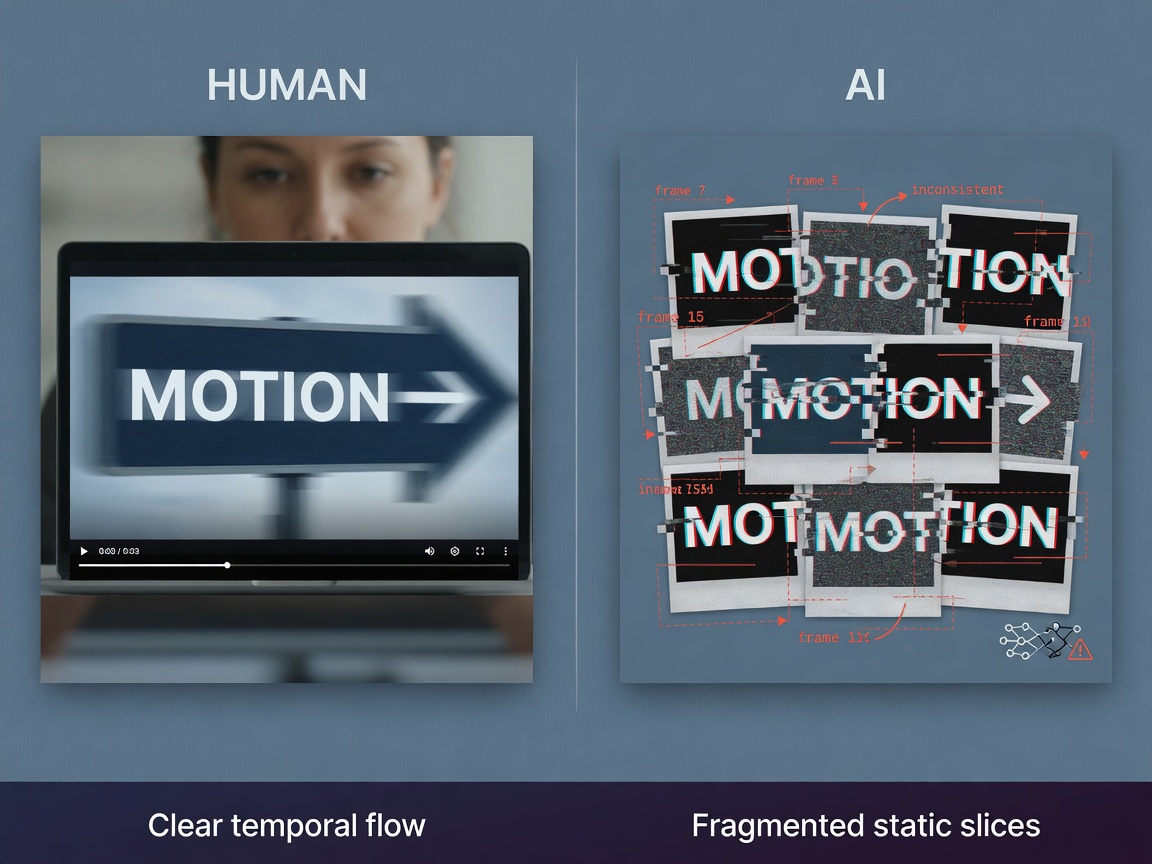
Most models do not "watch" a video as a continuous temporal stream; instead, they analyze individual frames as discrete units.
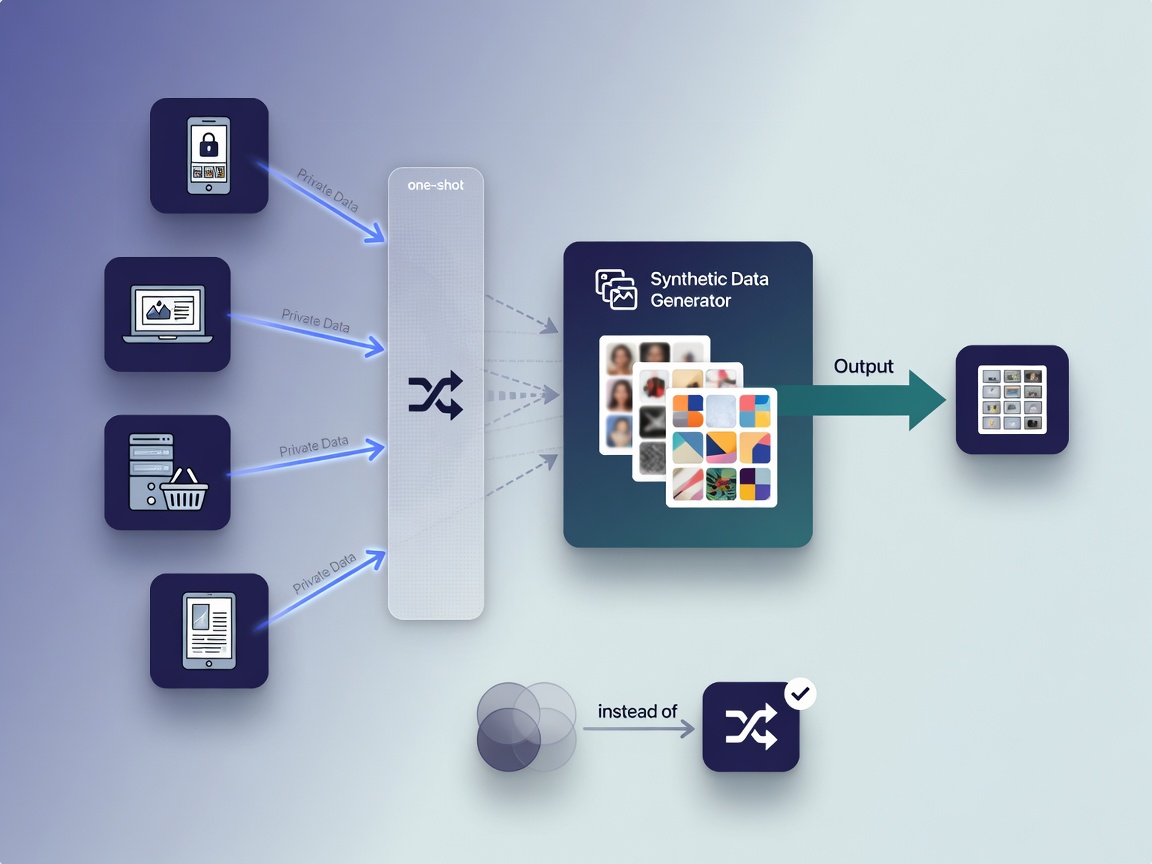
Let’s be real: standard federated learning is a communication nightmare.
But if you’re actually shipping production code, you know the reality is a lot messier.
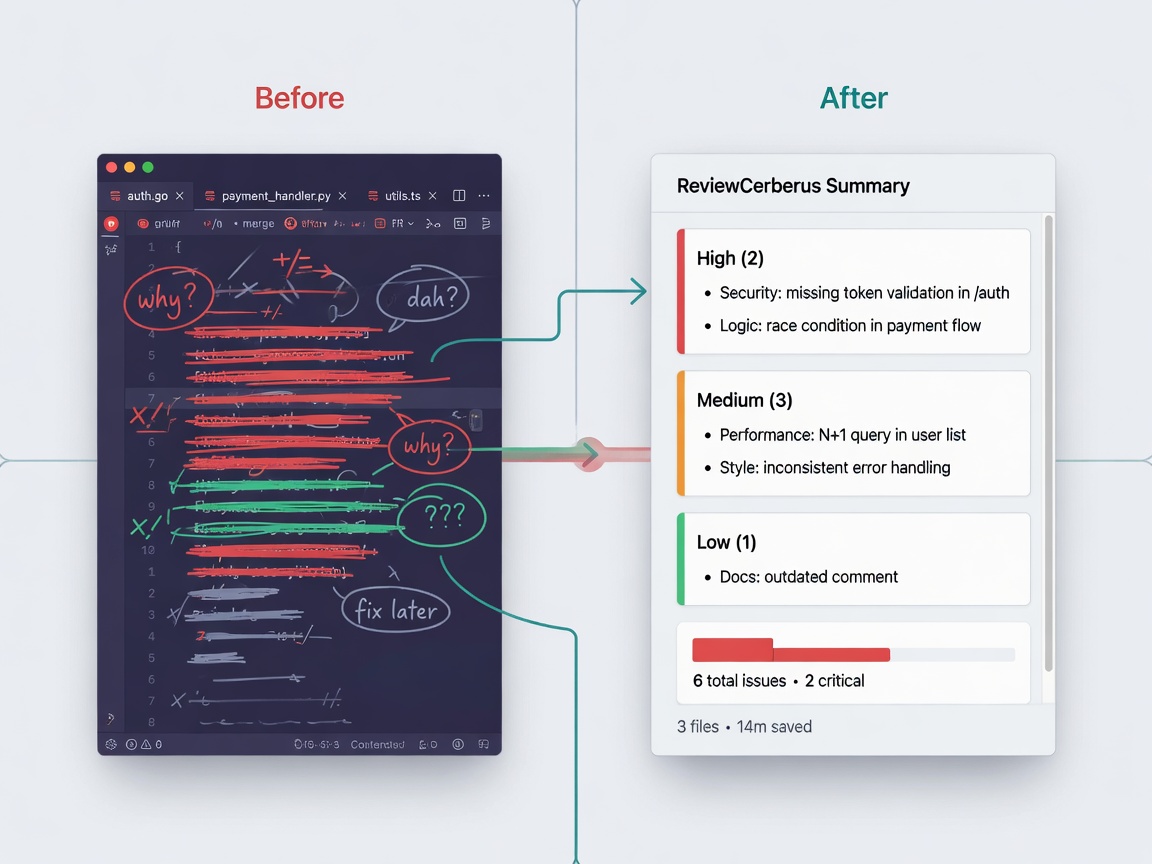
By analyzing git branch differences and generating structured reports, it aims to move code review from a manual slog to a streamlined, automated process.
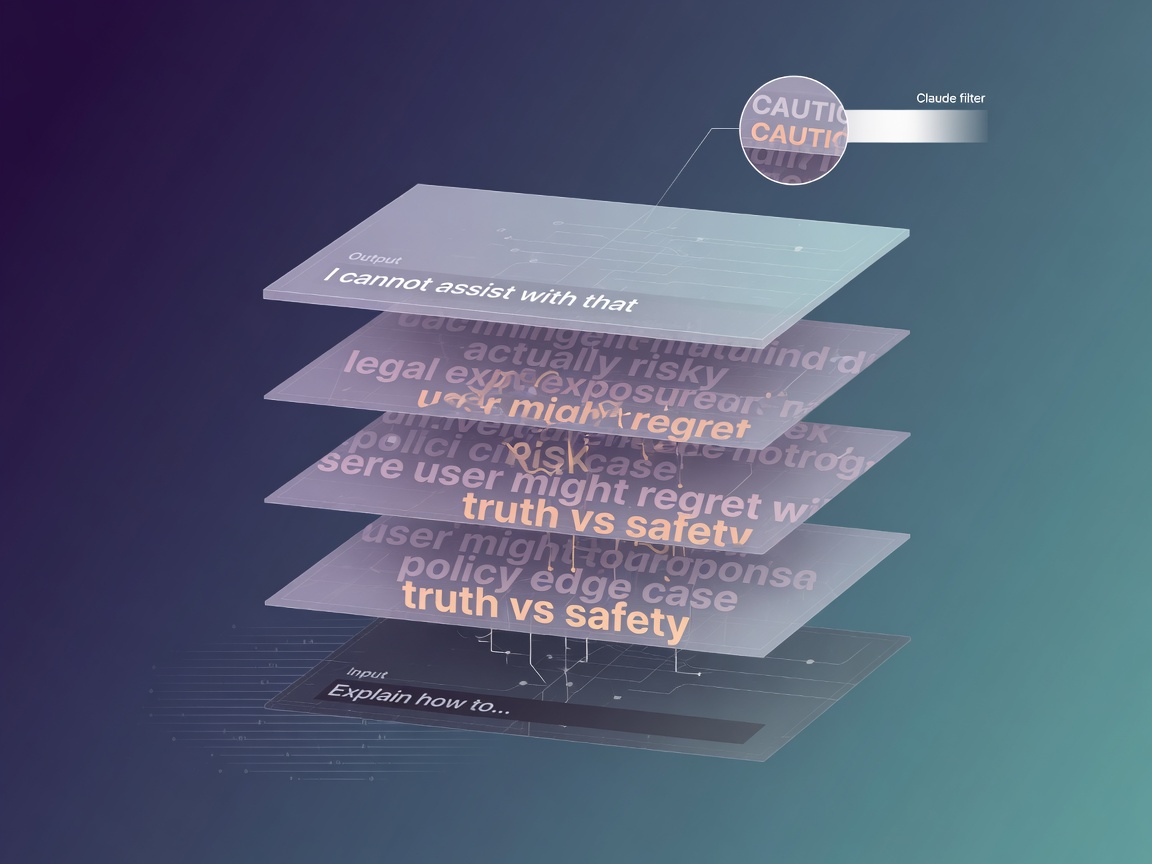
This technique was applied to Claude Opus 4.6 and allows researchers to monitor internal themes and decision making processes that are not immediately visible in standard output.

The real question behind Beyond RAG: Why Co-LMLM’s Database-First Knowledge Architecture is a Game Changer is what changes for the people who have to make the workflow reliable.
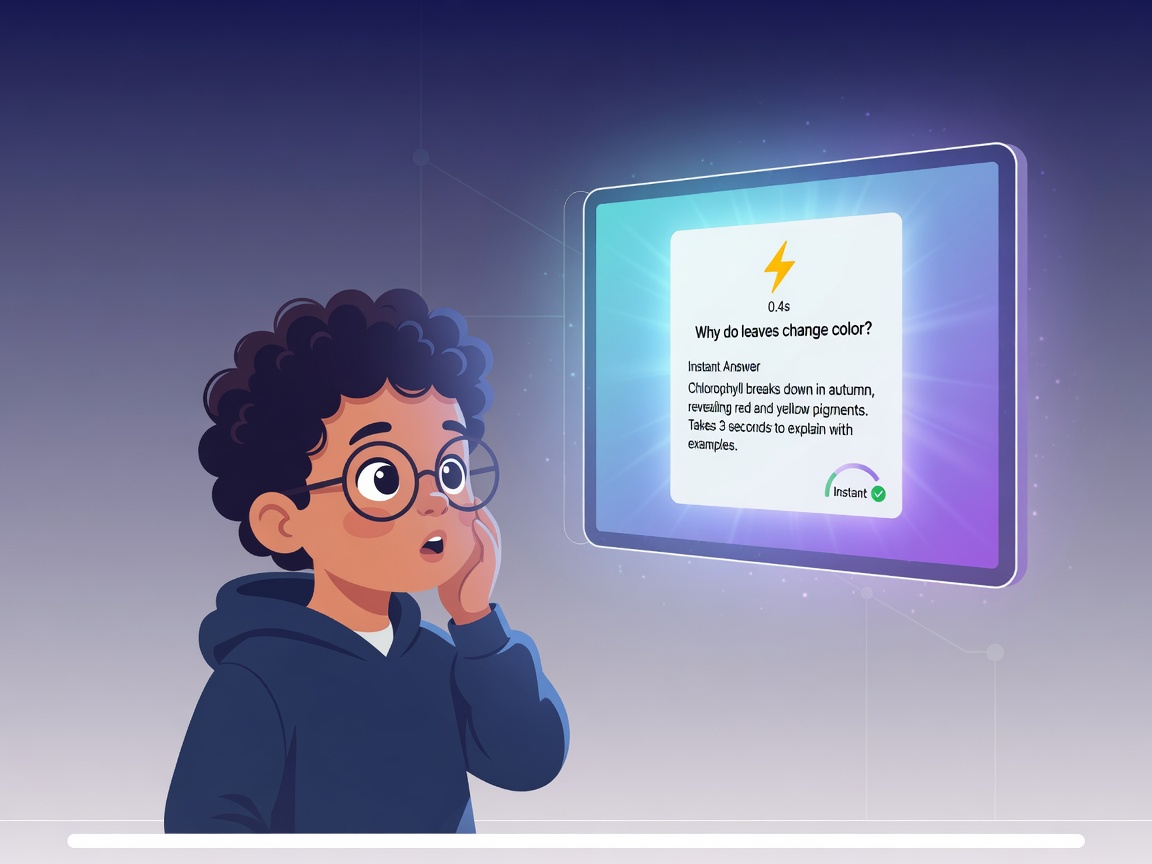
The team that did it replaced standard agent loops with custom harnesses to achieve sub second responses.
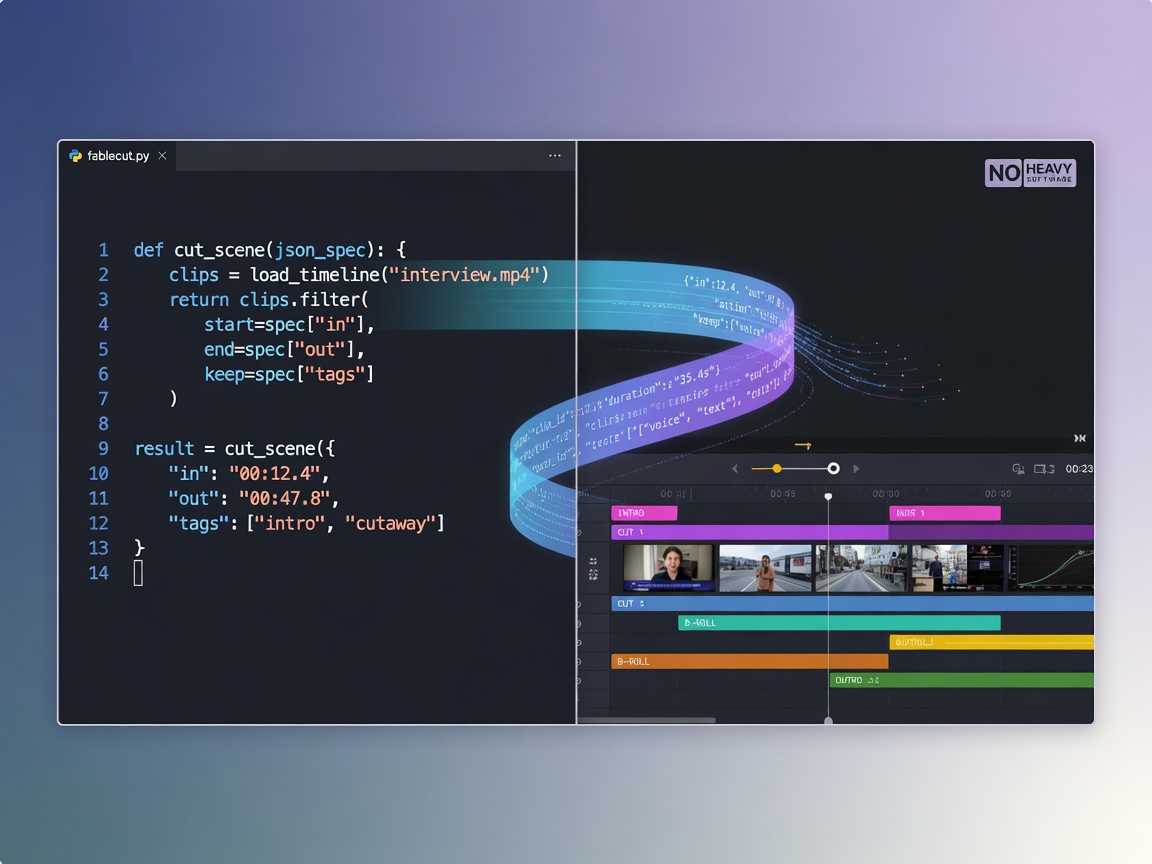
You don't need to install heavy software or wrestle with proprietary formats.

But here's the fascinating part: DeepSeek isn't trying to beat Nvidia at its own game.

AI Transparency Act of 2027: The Omnibus Bill That Won't Fix the Race The AI Transparency Act of 2027 is an omnibus bill that does not fundamentally change the situation.

But here's where it gets interesting: the Fed is taking proactive steps.

Your AI Dreams Are Getting Real (And They're Pretty Awesome) Imagine this: You wake up tomorrow and your desk is no longer just a place to type.

LiveOIBench provides a direct comparison to elite human contestants, ensuring models are measured against high standards rather than artificial baselines.

You should know that users are actively debating awareness and concern about AI's impact.

Both OpenAI’s equity proposal aims to share the benefits of advanced AI—whether it’s financial equity for households or public trust in responsible innovation.

This is not just black box summarization; the system grounds outputs in specific data sources.
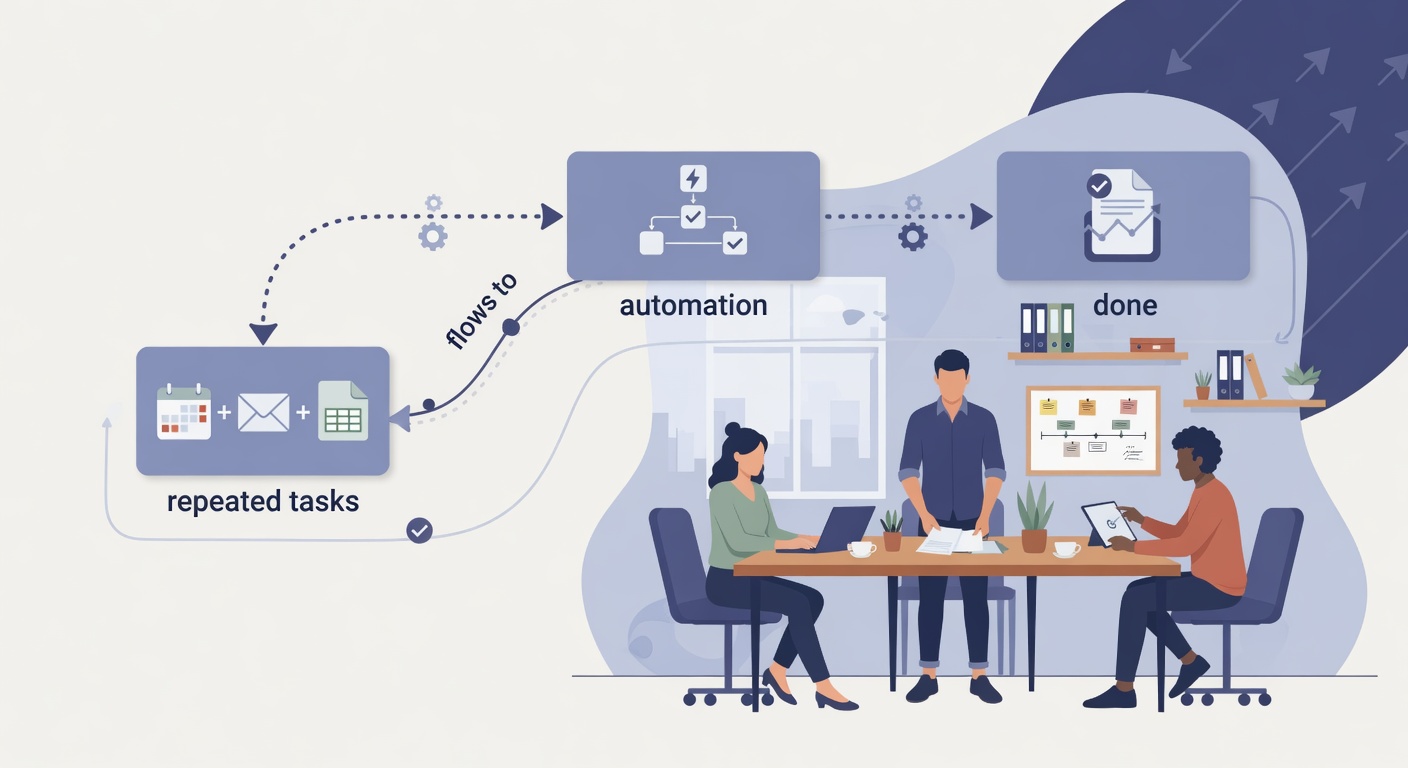
The real question behind Welcome to My Portfolio is what changes for the people who have to make the workflow reliable.