AI Route Optimisation Is Already Paying For Itself
Your shipping platform can now tell you not just where your cargo is, but which route to take, which carrier to pick, and which option carries the least risk. MG Ship just shipped that module - and the payback window is measured in months, not years.
Automation needs a narrow first win
The best first AI workflow is usually a repeated task with a clear input, clear output, and a human approval step.
Picture your shipping dashboard doing more than telling you where a container is - it tells you which route to take, which carrier to pick, and which option carries the least risk, all before the morning coffee gets cold. That's not a pitch deck fantasy anymore. MG Ship has launched an AI-powered route optimisation and carrier selection module built directly into its supply chain visibility platform, aimed at global retailers and commercial shippers - and the numbers around it suggest AI in logistics has quietly crossed from promise into payback.
What The Routing Engine Actually Looks At
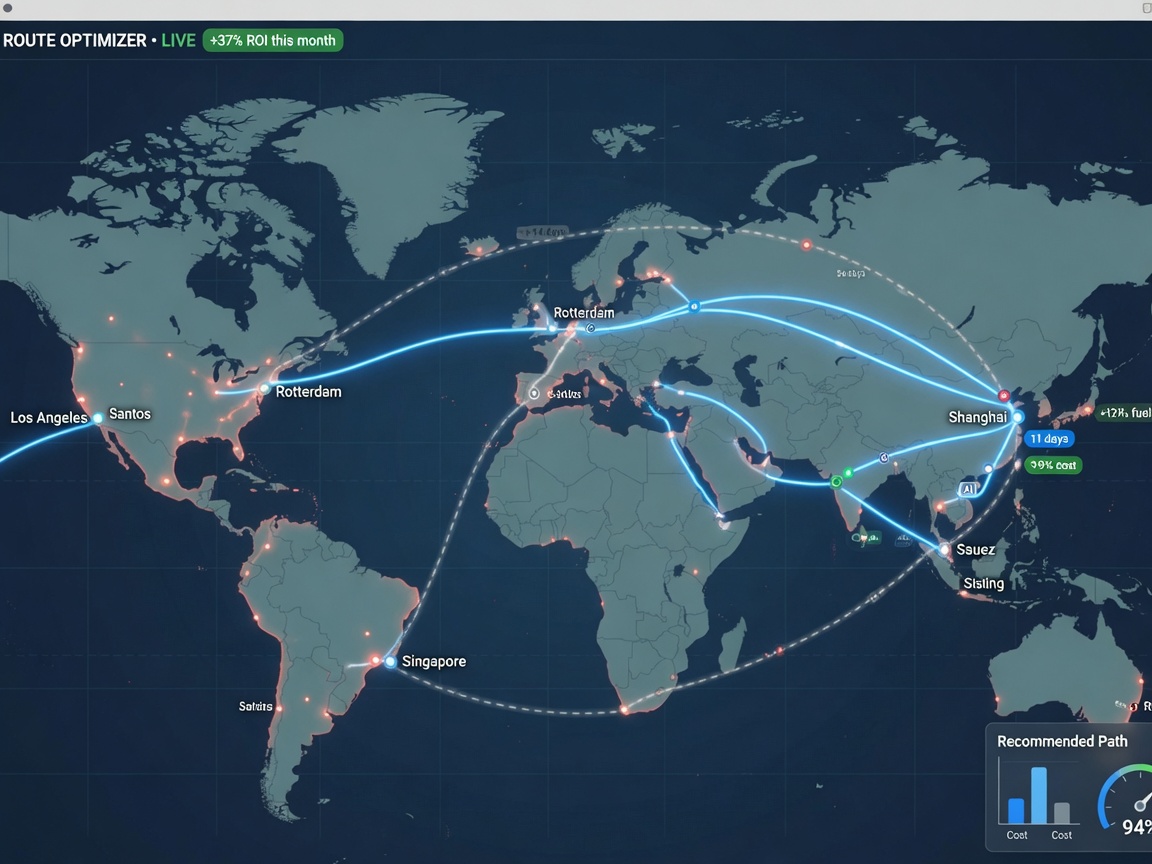
The interesting part is what feeds the decisions. The routing engine pulls in live and historical lane transit logs, weather, port congestion, customs risk alerts, and transit reliability data - so a route recommendation reflects conditions as they are, not as last quarter's spreadsheet assumed they'd be.
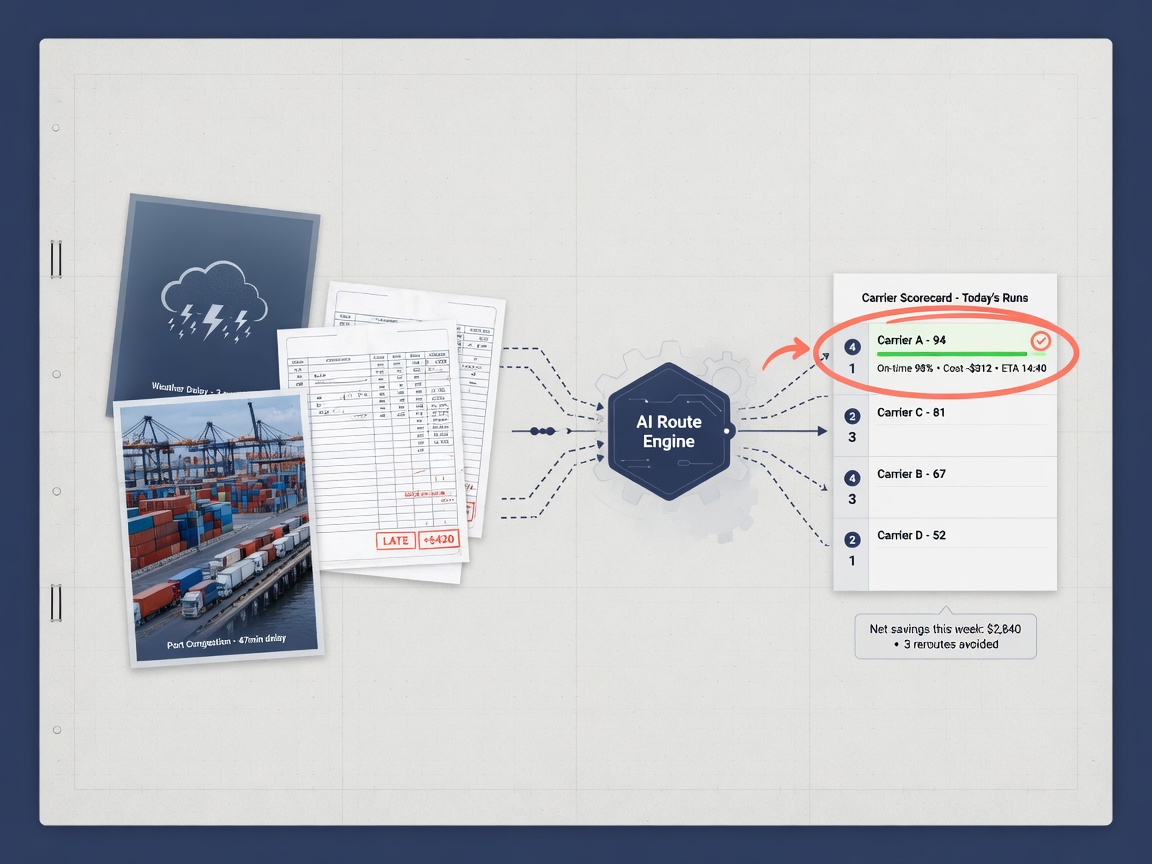
On the carrier side, the module scores providers on on-time metrics, transit consistency, exceptions, claims rates, available volume, and total cost-to-serve. That last one matters: instead of picking whoever quoted the lowest rate, shippers get a view of what a carrier actually costs once delays, claims, and exceptions are priced in.
There's also a scenario simulation mode, built for testing assumptions before peak shipping quarters - the stretch of the calendar where one bad routing decision compounds across an entire season. Getting to rehearse peak season digitally before it arrives live is exactly the kind of capability that used to be reserved for the biggest players.
Phugialy Picks

AI Engineering: Building Applications with Foundation Models
A practical guide to building real-world applications with foundation models and LLMs.

GMKtec K15 AI Mini PC Oculink Intel Ultra 5 125U 32GB DDR5 512GB SSD | Desktop Computer AI Boost, 3X M.2 2280 Storage Expansion, Dual NIC...

AI: Understand the Revolution: From Basics and Buzzwords to Tech Giants, Governments, and Your Future
Some Phugialy Picks use affiliate links. If you buy through one, Phugialy may earn a commission. It doesn't change what we recommend. Full disclosure →
The Numbers Behind The Hype
Here's where the story stops being theoretical. Logistics operators are reporting measurable returns: dynamic route planning has cut fuel consumption by 15-20 percent, transit speeds improved by 15-25 percent, and transportation costs dropped by 12-22 percent - with payback landing in just three to six months.
And it's not just routing. Predictive demand forecasting has reduced projection errors by 20-40 percent, planning accuracy improved by up to 35 percent, and excess inventory decreased by 20-30 percent within six to 12 months. Automated freight documentation cut manual task duration by up to 85 percent, warehouse productivity gains hit 25-35 percent, and five-year operational expense reductions of 10-25 percent are being reported.
MG Ship CEO Suki Cheung, who will present deployment metrics at the WMX Asia conference on a panel alongside executives from Pos Malaysia, Omniva, and OnyX Space, put it plainly: "Too many AI conversations in logistics remain focused on future possibilities. The reality is that AI is already delivering measurable business outcomes today." The platform, per the company, "does not simply tell businesses where their cargo is" - "it recommends the best route, the right carrier, and the lowest-risk option based on real-time conditions."
What This Actually Points To
Here's my read, and it's the part I find genuinely exciting: the headline feature is route optimisation, but the quietly bigger thing is that logistics is becoming a decision-making discipline rather than a tracking one. Visibility platforms started as answer machines for the question "where is my stuff?" - and they're evolving into recommendation engines for "what should I do next?"
That shift compounds. Once carrier selection is scored on total cost-to-serve and claims rates, carrier relationships themselves become data-driven, which changes the negotiating dynamics for every mid-sized shipper who never had the analytics team to run those numbers before. When payback shows up in three to six months rather than years, the barrier to trying this drops from board-level deliberation to an ops-manager pilot. Give this a year, and the question won't be whether AI routing works - it'll be why your supply chain still runs without it.
Got a question about how this applies to you? →
Keep reading
Follow the thread
Middle-Mile Autonomy Gets Real: Inside Gatik's $200M Bet
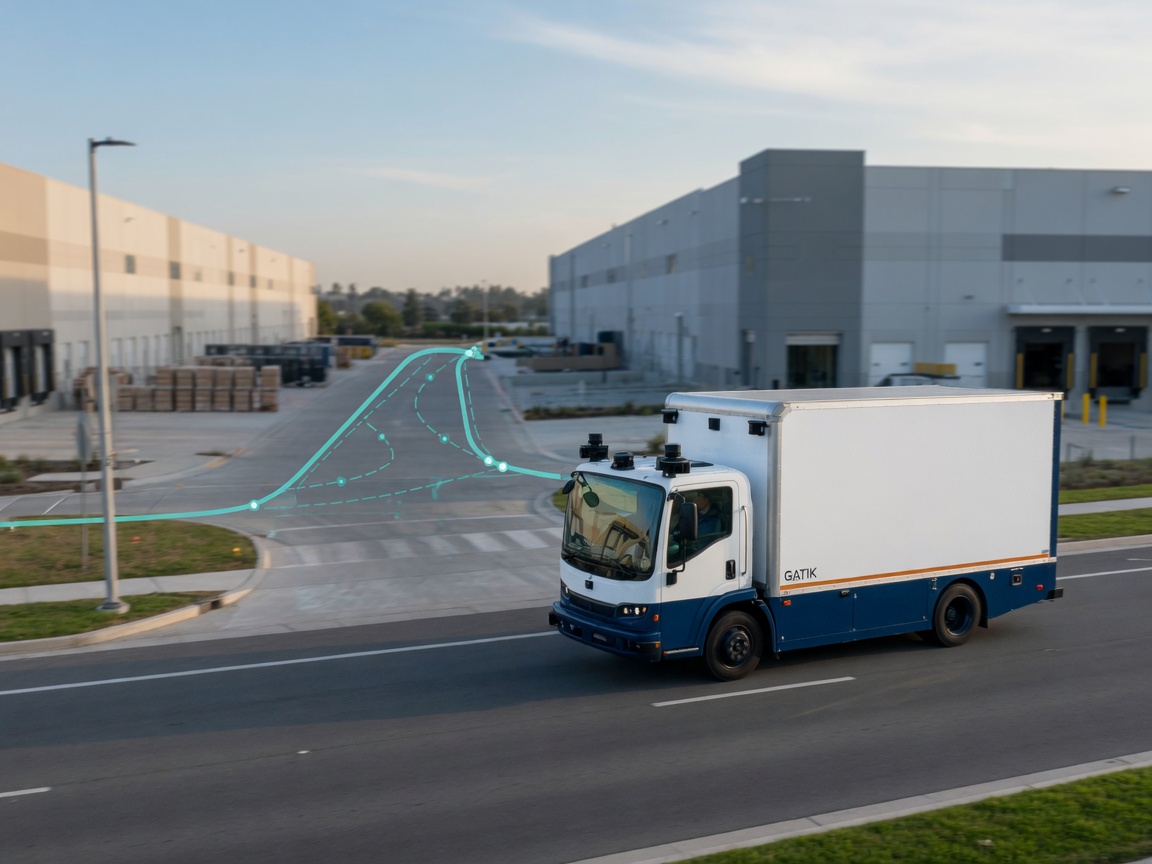
$200 million is the headline; $600 million in contracted revenue against just $30 million recognized last year is the real story at Gatik. The company's bet on middle-mile autonomy only pays off if that pipeline converts into driverless trucks on schedule.
Read this noteSame lane, different angle
VERA-MH Benchmark: Validating AI Chatbot Safety Testing
An LLM judge matched clinician consensus at 0.81 on mental health chatbot safety ratings — but only for one narrow domain. What VERA-MH validates is real; what people will assume it covers isn't.
37 An Hour To Train Your Replacement: Inside AI Training Jobs
A Ph.D. graduate was offered $37 an hour — eighteen times South Africa's minimum wage — to teach an AI system how he thinks. He walked away, but most won't.