The 'Butthole Era': Why AI Branding is Collapsing into Circles
The original draft was a bit too academic for the 'Builder' persona. I sharpened the tone to be more direct and pragmatic, swapped generic subheadings for specific ones, and strengthened the analytical connection between branding homogeneity and engineering differentiation.
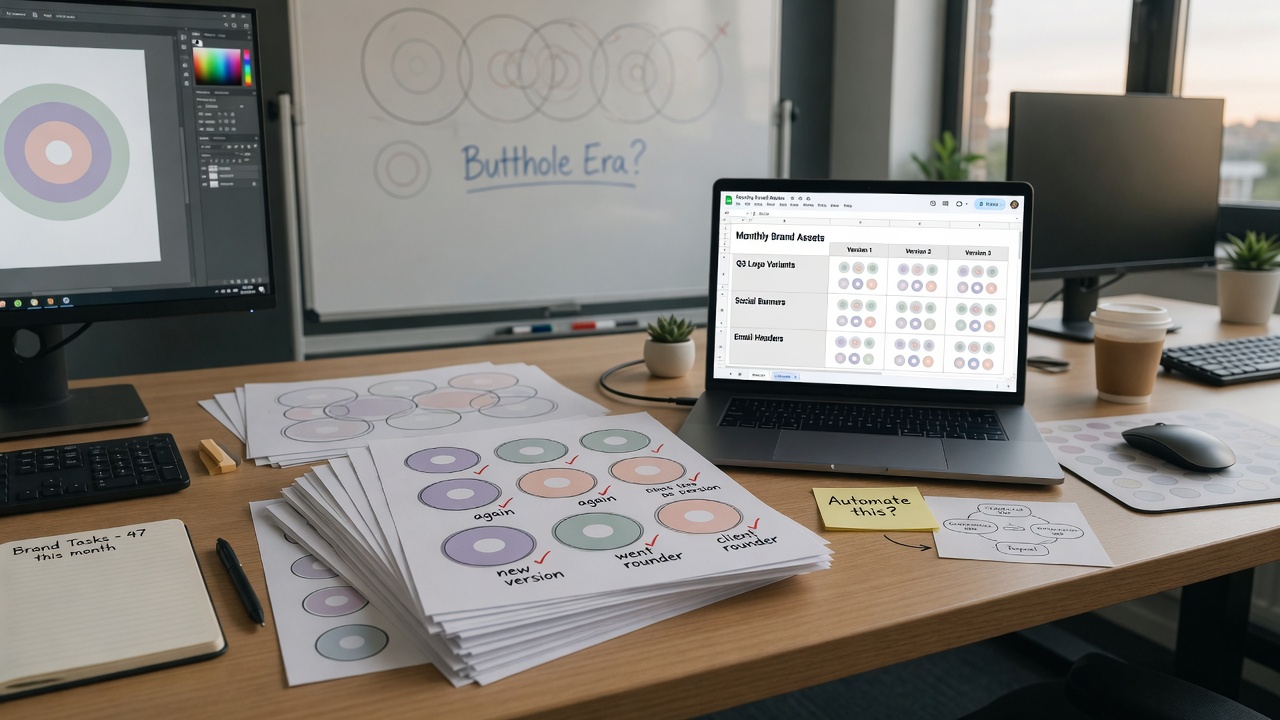
Automation needs a narrow first win
The best first AI workflow is usually a repeated task with a clear input, clear output, and a human approval step.
AI branding is hitting a wall of 'safe' geometry. Look around: from OpenAI’s 'Blossom' to Anthropic’s Claude, the industry is obsessed with the circular shape, soft gradients, and central focal points. It feels intentional, but let’s call it what it is: a retreat into visual homogeneity. This isn't just a vibe; it's a direct result of psychological drivers and corporate constraints that are flattening the tech landscape.
The Psychology of the 'Safe' Circle
Why circles? Because they represent 'wholeness' and 'unity'—the ultimate corporate buzzwords for an integrated intelligence system. But there’s a deeper, weirder layer here: pareidolia. Humans are hardwired to find patterns, and the specific geometry of these logos—often featuring a central opening or focal point—unintentionally triggers a resemblance to anatomical features.
When you mix this with 'design by committee' environments, you get a predictable outcome. In high-stakes corporate settings, designers often take the path of least resistance. If a circle feels 'safe' to stakeholders, it becomes the default for every new entrant. We’ve entered what some are calling 'The Butthole Era' of tech design. It’s where the 'fluidity and warmth of human-centered thinking' becomes a shield for standardized branding. As the source insight puts it: "Now we have an industry where standing out means looking exactly like everyone else's butthole."
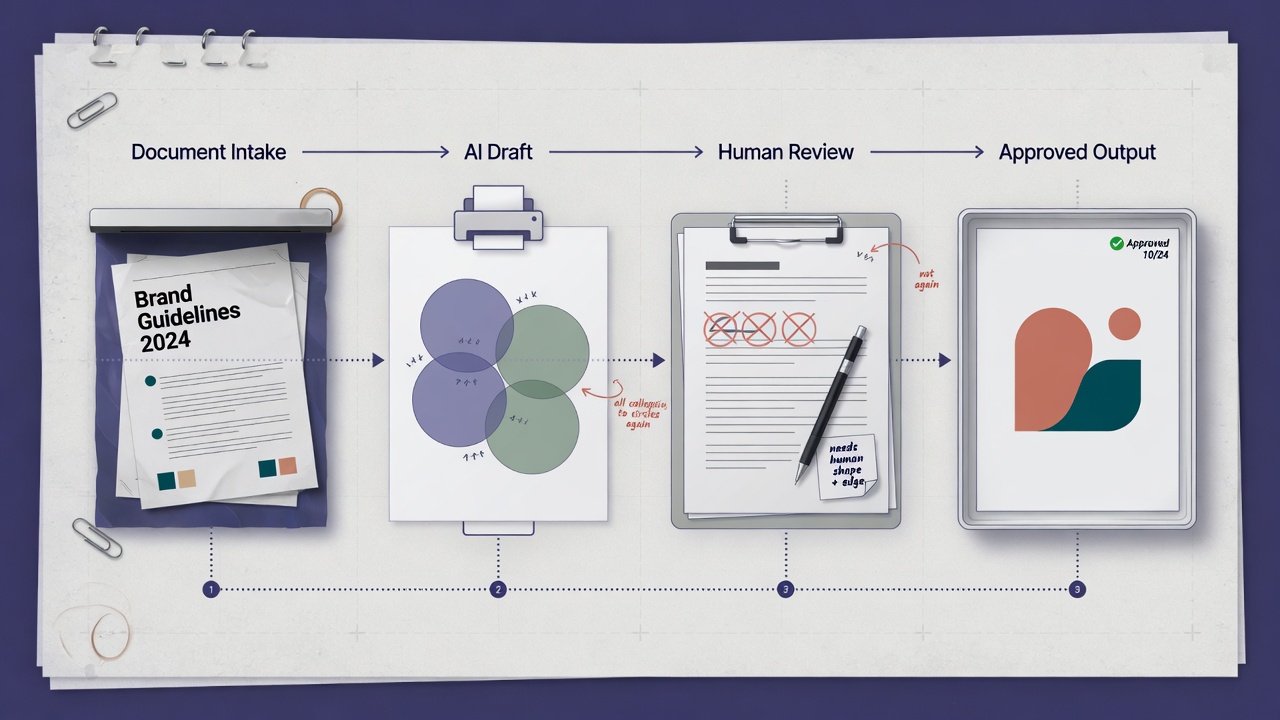
Worth a look
Phugialy Picks

AI Engineering: Building Applications with Foundation Models
A practical guide to building real-world applications with foundation models and LLMs.

AI: Understand the Revolution: From Basics and Buzzwords to Tech Giants, Governments, and Your Future

OMOTON C2 Adjustable Aluminum Phone Stand
We'd buy this if: You want your phone upright on your desk for calls/notifications without a cable getting in the way.
We'd skip this if: You never keep your phone on your desk.
Some Phugialy Picks use affiliate links. If you buy through one, Phugialy may earn a commission. It doesn't change what we recommend. Full disclosure →
When Branding Fails, the Stack Speaks
For those of us actually building on these models, this level of homogenization is a massive signal. When every major player uses the same visual shorthand for 'intelligence,' the burden of differentiation shifts entirely to the UX and the reliability of your API.
The real story here is the maturity (or lack thereof) of the AI sector. We’re in a 'safe' design phase where companies care more about looking like an established entity than carving out a unique identity. For developers, this is a double-edged sword. A familiar mental model is nice for the user, but it means the 'magic' of the tech has to work harder to be felt. When you’re integrating these tools into a messy, real-world stack, a logo that looks like everyone else's doesn't help you solve a rate-limiting issue or a hallucination. The trend suggests that while the industry is trying to look 'whole,' the actual work of differentiation is being pushed further down the stack—into the code itself.
Got a question about how this applies to you? →
Keep reading
Follow the thread
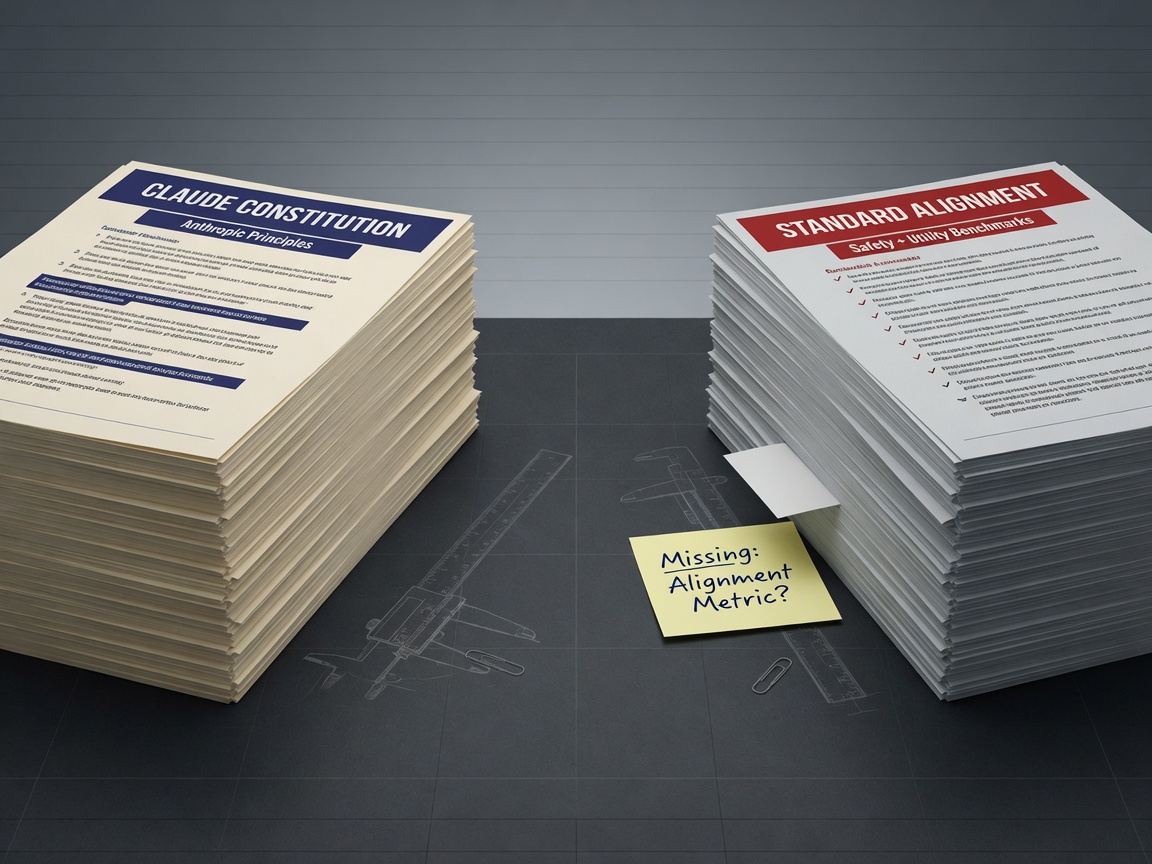
Does Anthropic's Claude Constitution Really Risk AI Alignment?
Microsoft's AI CEO says Anthropic's constitution risks alignment failures - but neither side has proposed an evaluation that would prove it. The shutdown-resistance data everyone cites doesn't actually point where they think it does.
Read this noteSame lane, different angle
When AI Labs Counterbalance Government, Who Checks Them?
OpenAI's new Head of Strategic Futures argued frontier AI labs could become a "counterbalance to government." The sharper question is what happens when AI providers embedded in hospitals and agencies start looking like critical infrastructure — with no elections, courts, or FOIA laws to hold them accountable.
The Compliance Pivot: OpenAI’s Strategic Alignment with the EU AI Act
OpenAI is moving toward a standardized compliance model by aligning its safety and security practices with the EU’s General-Purpose AI (GPAI) Code of Practice. By integrating its Preparedness Framework and Frontier Gover