The Polish Gap: Why AI Can't Replace Engineering Judgment
AI can follow a recipe perfectly, but it doesn't know what a steak is. If we outsource the 'how' to a machine, we risk a future of technically correct but practically flawed software. Here is why human judgment remains the most critical part of the stack.
Automation needs a narrow first win
The best first AI workflow is usually a repeated task with a clear input, clear output, and a human approval step.
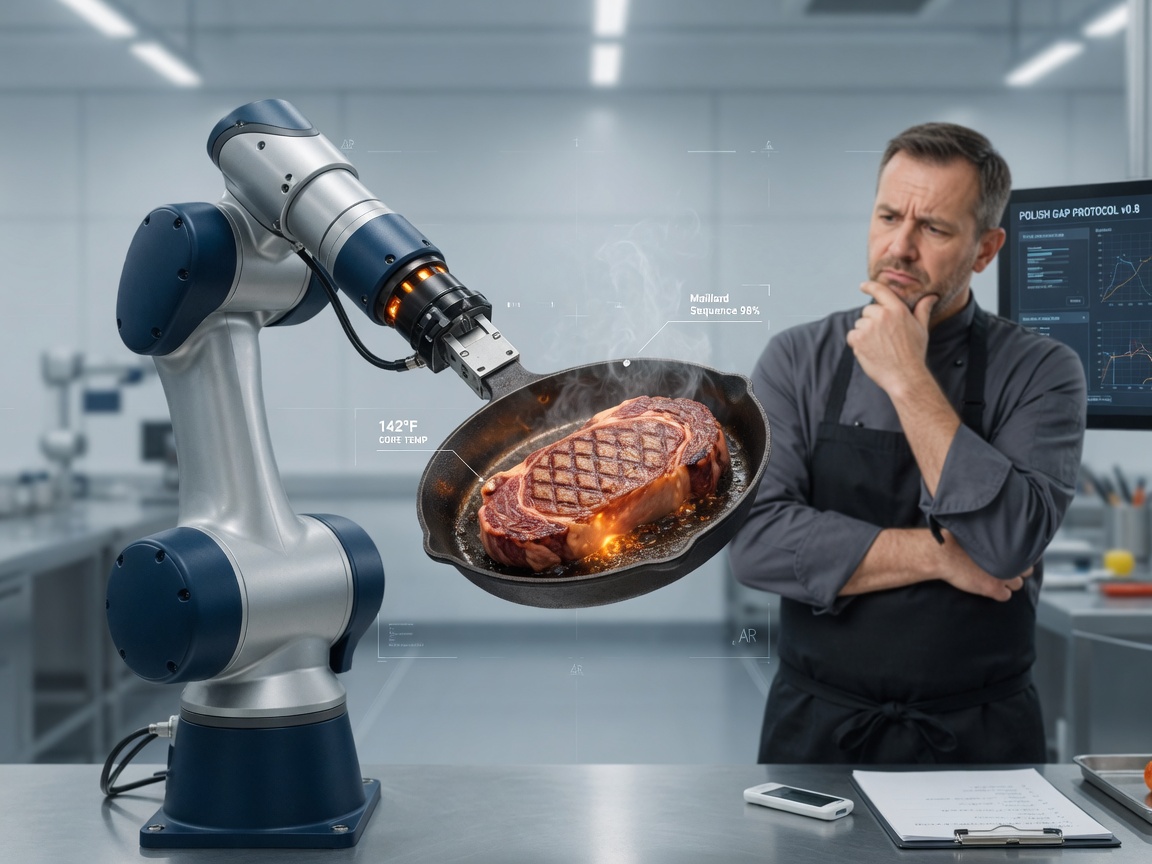
Let's be real: AI can spit out a function in seconds, but it doesn't have a clue if that function is the right move for a system under heavy load. The core limitation of current AI in software development isn't speed; it's a total lack of "why." The source material frames this perfectly with a cooking analogy: AI acts as a "steak machine." It can follow a recipe and scale the process perfectly, but it has no understanding of the user’s ultimate vision or intent. It can produce a result that matches the instructions, but it cannot tell you if that result is actually what the user needs to solve their problem.
When "Technically Correct" Becomes a Liability
When you plug AI into your production pipeline, the dopamine hit of instant output is real. However, relying on AI without a deep grasp of underlying principles leads to a very specific type of technical debt. Because AI doesn't understand intent, it can't make the necessary trade-offs between performance, maintainability, and scalability. It can scale a process, but it cannot understand the soul of the software. If you treat the AI as a replacement for engineering judgment rather than a high-powered tool for automation, you risk creating a system that follows instructions perfectly while failing to solve the actual problem. It’s like having a machine that makes a perfect steak but serves it on a plate that’s too small for the customer to actually use.
Worth a look
Phugialy Picks

The Agentic AI Bible: The Complete and Up-to-Date Guide to Design, Develop, and Scale Goal-Driven, LLM-Powered Agents that Think, Execute...

The Pragmatic Programmer: 20th Anniversary Edition, 2nd Edition: Your Journey to Mastery

Anker USB-C to USB-C 60W Fast Charging Cable (2-Pack)
We'd buy this if: You need a reliable spare charging cable that won't fray in a month.
We'd skip this if: You already have enough cables lying around.
Some Phugialy Picks use affiliate links. If you buy through one, Phugialy may earn a commission. It doesn't change what we recommend. Full disclosure →
The Management Trap of "Good Enough"
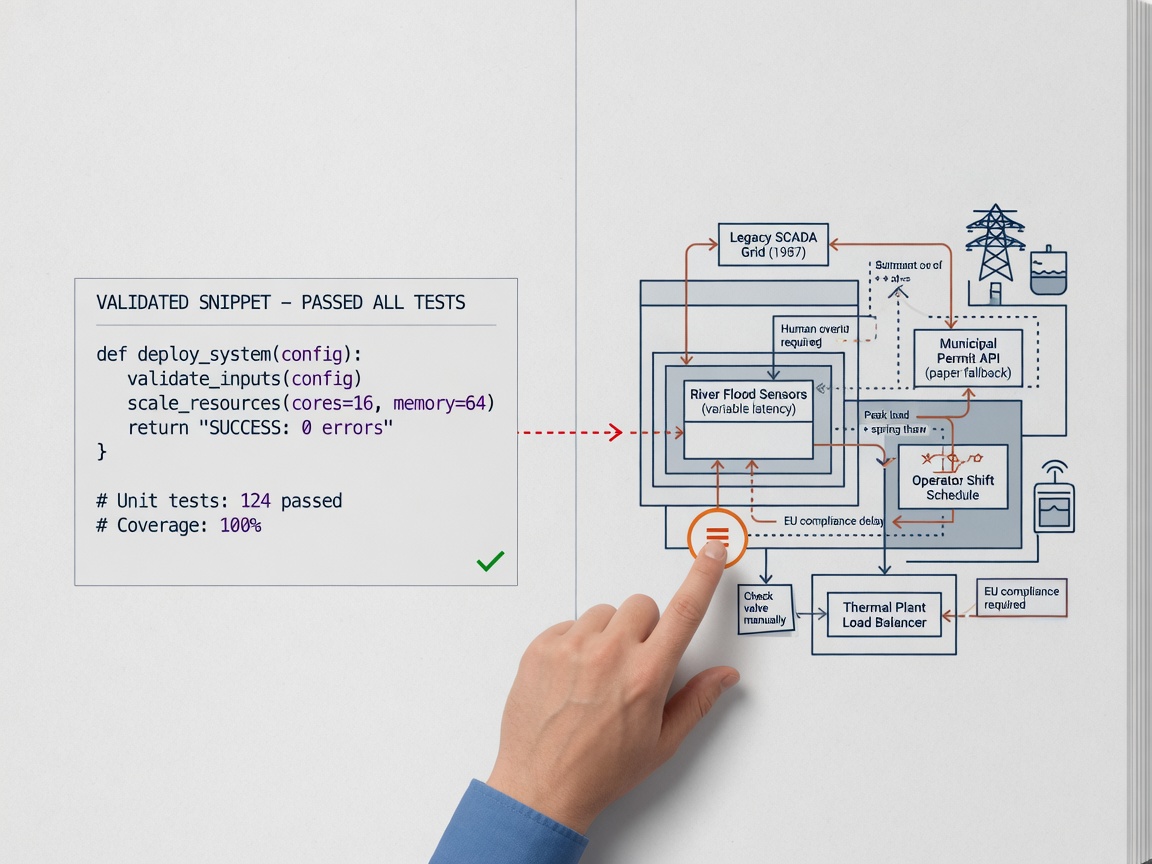
From a management perspective, this usually shows up as a cost-cutting shortcut. If the only metric is "time-to-ship," teams start flooding the codebase with AI-generated snippets that look clean on the surface but lack polish and structural integrity. This is how you end up with "acceptable" but flawed software—code that passes the linter and the basic tests but creates long-term friction because it wasn't built with a holistic view of the system. A machine can give you a technically correct answer, but only a human can tell you when that answer is practically wrong for your specific production constraints.
The New Role: From Coder to Auditor
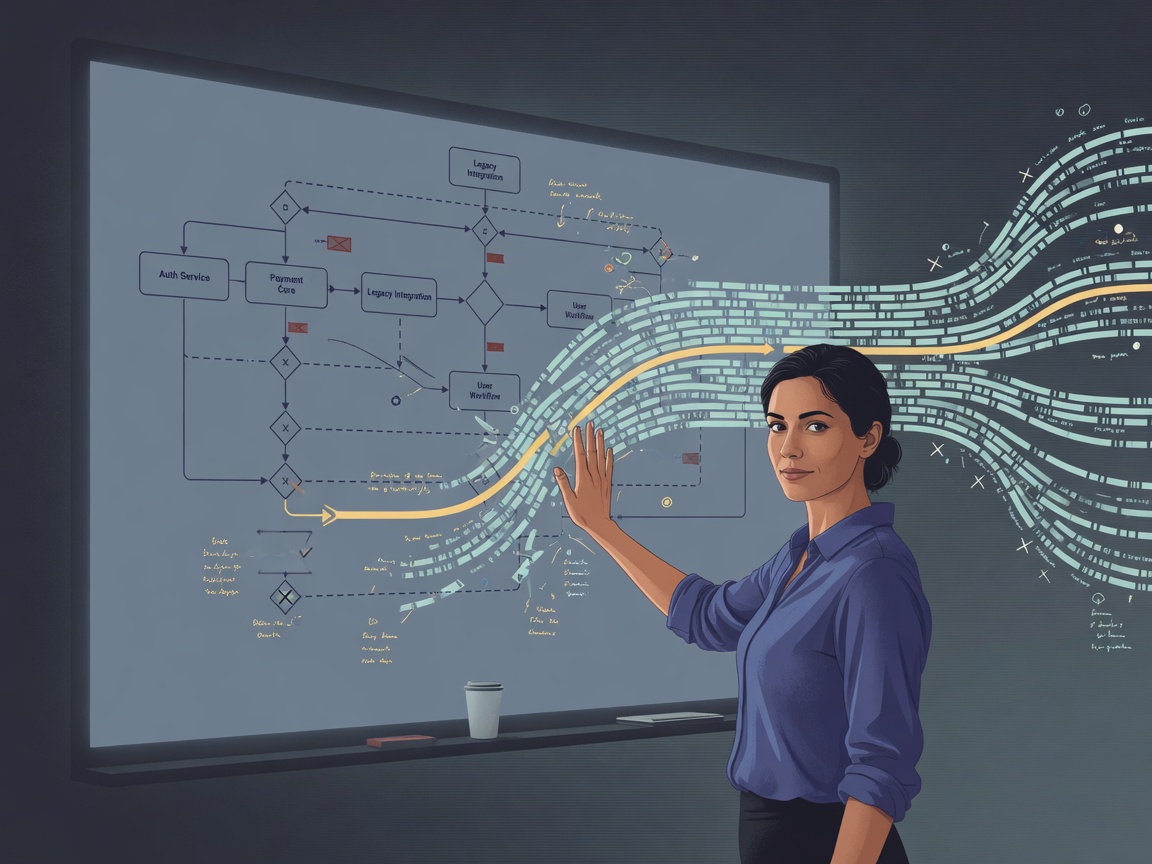
The real story here is that the developer’s job is moving upstream. As AI handles more of the repetitive syntax and the boilerplate, your value shifts from "writing code" to "auditing intent." This points to a looming "polish gap" in the industry. As more teams use AI to hit output targets, we risk a plateau of mediocre software where every product feels functional but none feel refined. To stay ahead, you can't just learn how to prompt; you have to deepen your understanding of software engineering principles. If you don't know what "good" looks like beyond the demo, you won't be able to catch the subtle errors that break things at scale. The human in the loop isn't just there to check for bugs; they are the guardian of the user's vision.
Got a question about how this applies to you? →
Keep reading
Follow the thread

The Verification Tax: Why AI is Failing at Software Architecture
AI is an excellent data distiller, but it is currently a mediocre tool for actual software development. While it excels at condensing search results and processing information, the transition from 'summarizing a concept'
Read this noteSame lane, different angle
Moving Past the AI Mythology: Engineering Social Collaboration
We need to stop treating "Artificial Intelligence" as a literal description of the technology and start treating it as a misleading label. For developers trying to integrate these models into production, the mythological
Debian’s AI Policy: Responsibility Isn't Automated
If you can't defend every line an LLM spat out, you have no business hitting 'merge'.