The Shift Toward Open-Weight Models as the Standard AI Substrate
If the open ecosystem is the inevitable winner, why are we still wasting resources building proprietary moats that are destined to be bypassed by a more portable substrate?
Automation needs a narrow first win
The best first AI workflow is usually a repeated task with a clear input, clear output, and a human approval step.
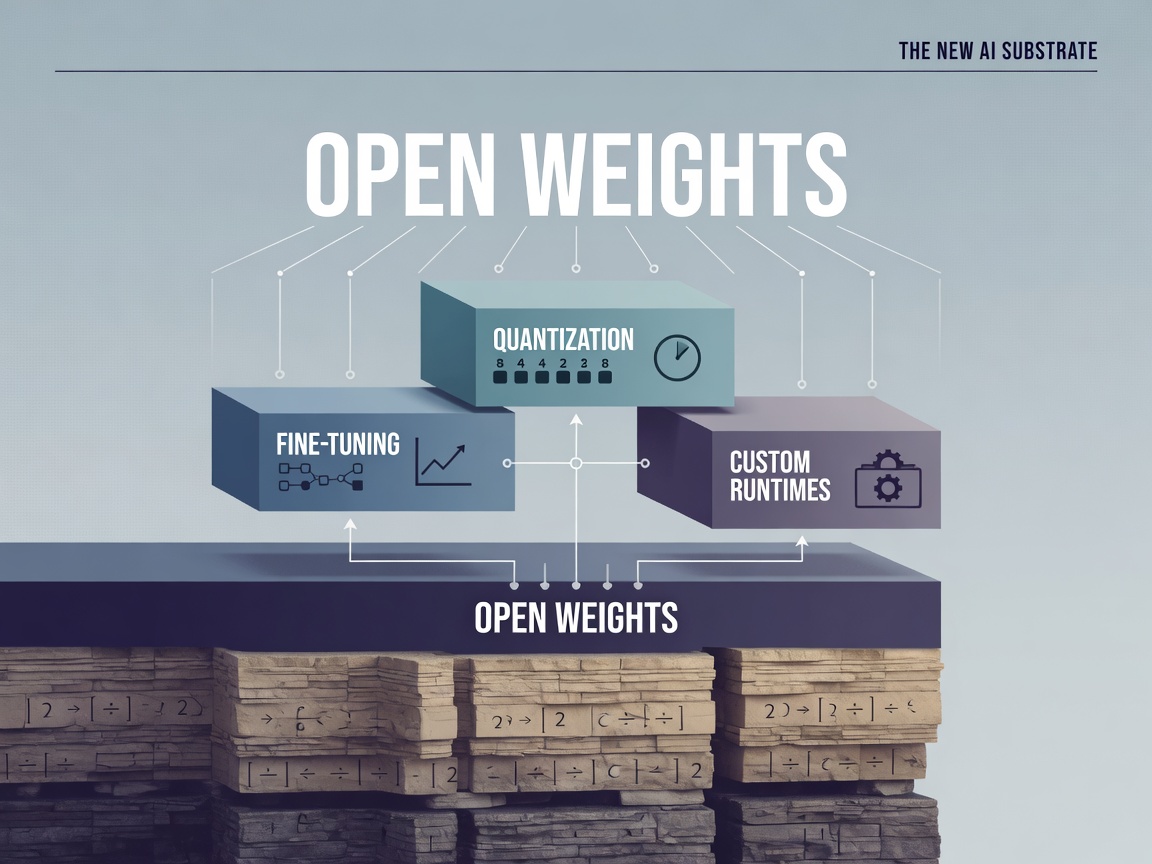
Open-weight models have moved past the 'experimental' phase. They are becoming the foundational substrate for the AI ecosystem, functioning much like Kubernetes did for cloud-native software. Instead of a landscape dominated by a few proprietary APIs, we are seeing a shift toward a neutral base where weights serve as a commodity. This allows for a combined rate of innovation that no single vendor can replicate alone, as it enables a massive, distributed network of developers to contribute simultaneously.
The Engineering Reality of Quantization and Runtimes
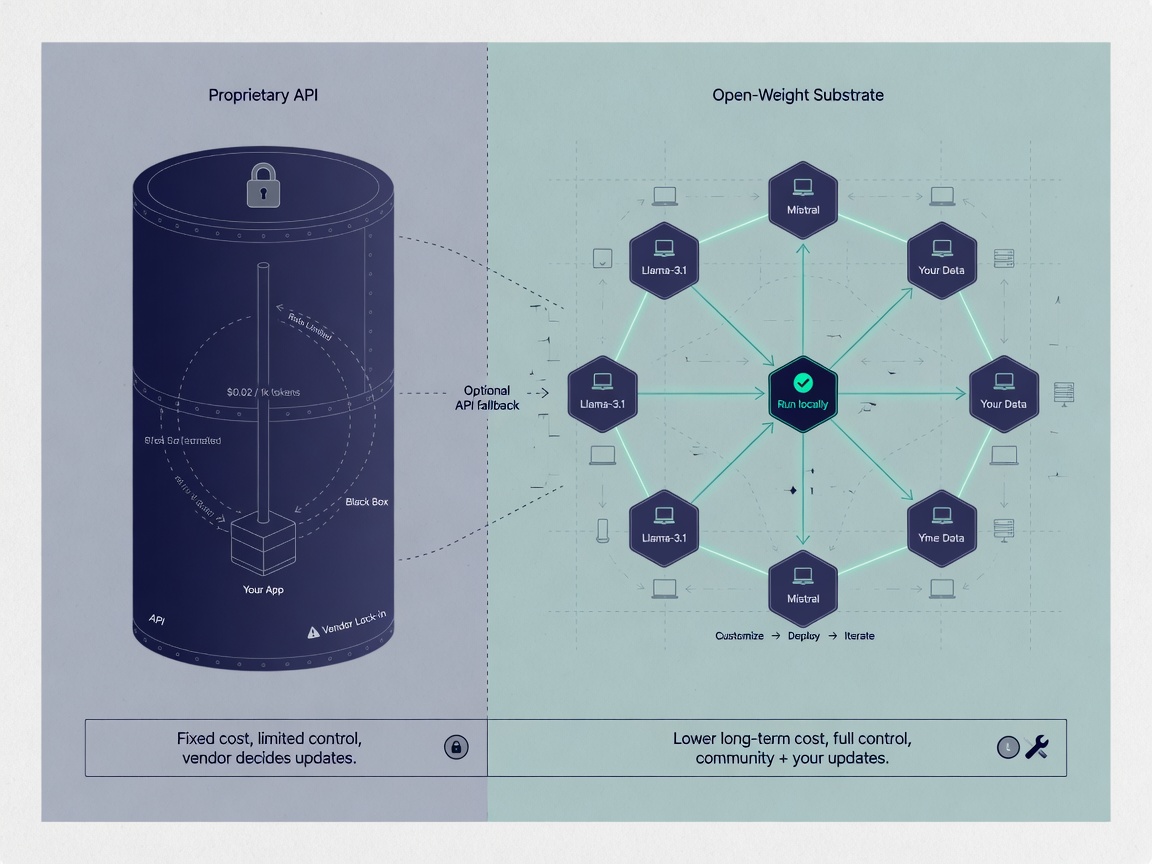
The real power of this ecosystem isn't just in the raw weights; it's in the supporting infrastructure that makes them production-ready. We are seeing a robust layer of quantized weights, model merges, and specialized runtimes like vLLM and llama.cpp. This stack allows developers to maintain absolute control over data privacy and compute costs by self-hosting, rather than being locked into a black box.
When Hugging Face hosts more than two million public models, the model ceases to be a 'product' and becomes a component—something to be adapted, redistributed, and optimized for specific tasks. For the practitioner, this is the difference between renting a house and owning the land; you have the freedom to build whatever you want, provided you're willing to manage the foundation.
Worth a look
Phugialy Picks

The Agentic AI Bible: The Complete and Up-to-Date Guide to Design, Develop, and Scale Goal-Driven, LLM-Powered Agents that Think, Execute...

livho Blue Light Blocking Computer Glasses
We'd buy this if: You spend most of your day staring at a screen and haven't tried blue light glasses yet.
We'd skip this if: You already wear prescription glasses with a blue light coating, or don't notice eye strain.
INIU 10000mAh 45W Fast Charging Portable Power Bank
We'd buy this if: You've been caught with a dead phone/laptop away from an outlet more than once.
We'd skip this if: You're always near a charger anyway.
Some Phugialy Picks use affiliate links. If you buy through one, Phugialy may earn a commission. It doesn't change what we recommend. Full disclosure →
The Geopolitical Trap of Isolationism
There is a significant geopolitical dimension to this trend that often gets buried in safety-first headlines. Chinese models currently account for 41% of model downloads over the past year. This means the global innovation hub is already heavily integrated with these weights. Attempting to isolate US researchers from this ecosystem by banning foreign models is a tactical error. It risks cutting off domestic developers from a massive pool of tools and community standards that are already being set.
The move toward open-weight models suggests that the path forward isn't retreat, but competition. The US should compete by releasing frontier-grade models under permissive licenses and using government procurement to favor portable systems. The goal should be setting the safety standards for the global ecosystem, not trying to build a walled garden that the rest of the world has already moved past.
Sovereignty vs. The Burden of Optimization
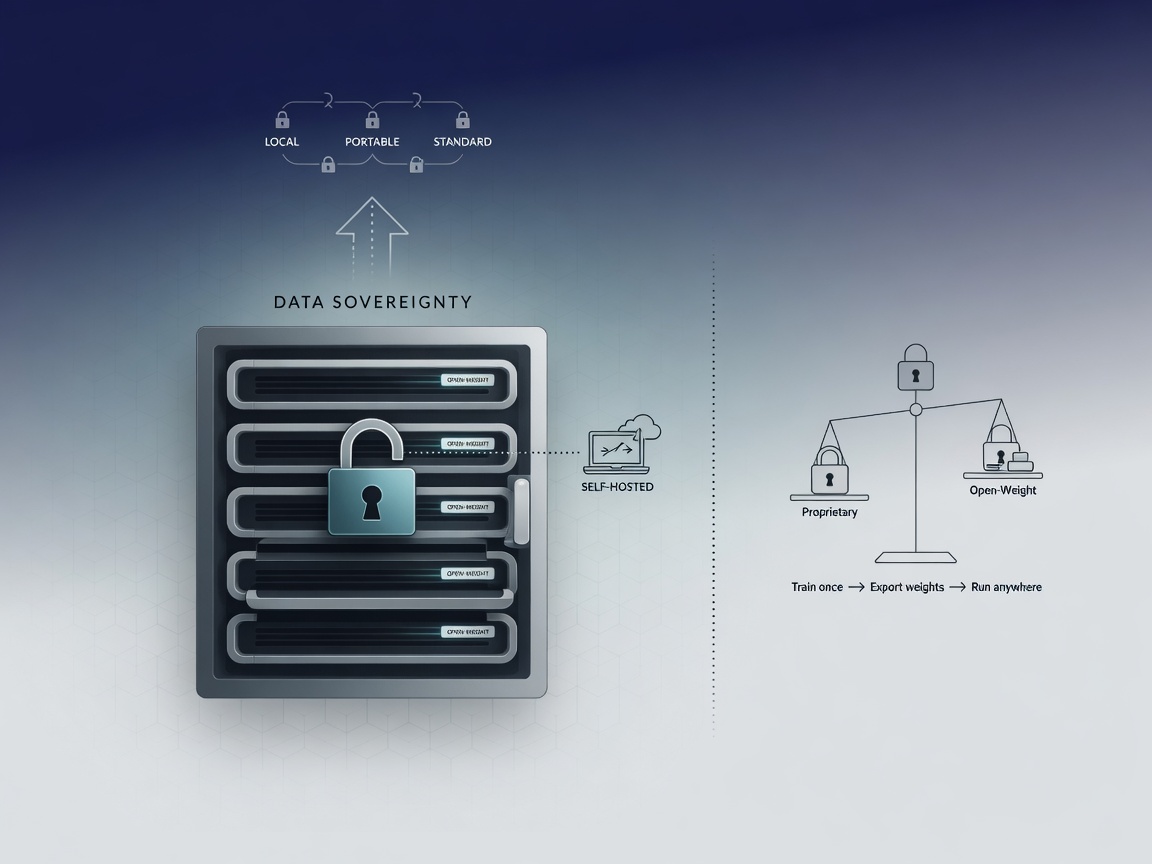
While the headline is about 'openness,' the practical reality for engineers is about portability and sovereignty. The benchmark numbers—like a model hitting 62.1% on SWE-bench Pro—are impressive, but the real story is the decoupling of performance from vendor lock-in. For a practitioner, this means you can swap out a backend without rewriting your entire integration logic.
However, we need to be clear: 'open' does not mean 'easy.' While open weights provide the substrate, the burden of optimization, safety alignment, and infrastructure maintenance still falls on the user. The shift to open-weight models isn't a magic bullet for deployment; it’s a strategic move toward a modular AI stack where the model is just one piece of a much larger, self-hosted engineering puzzle.
Got a question about how this applies to you? →
Keep reading
Follow the thread
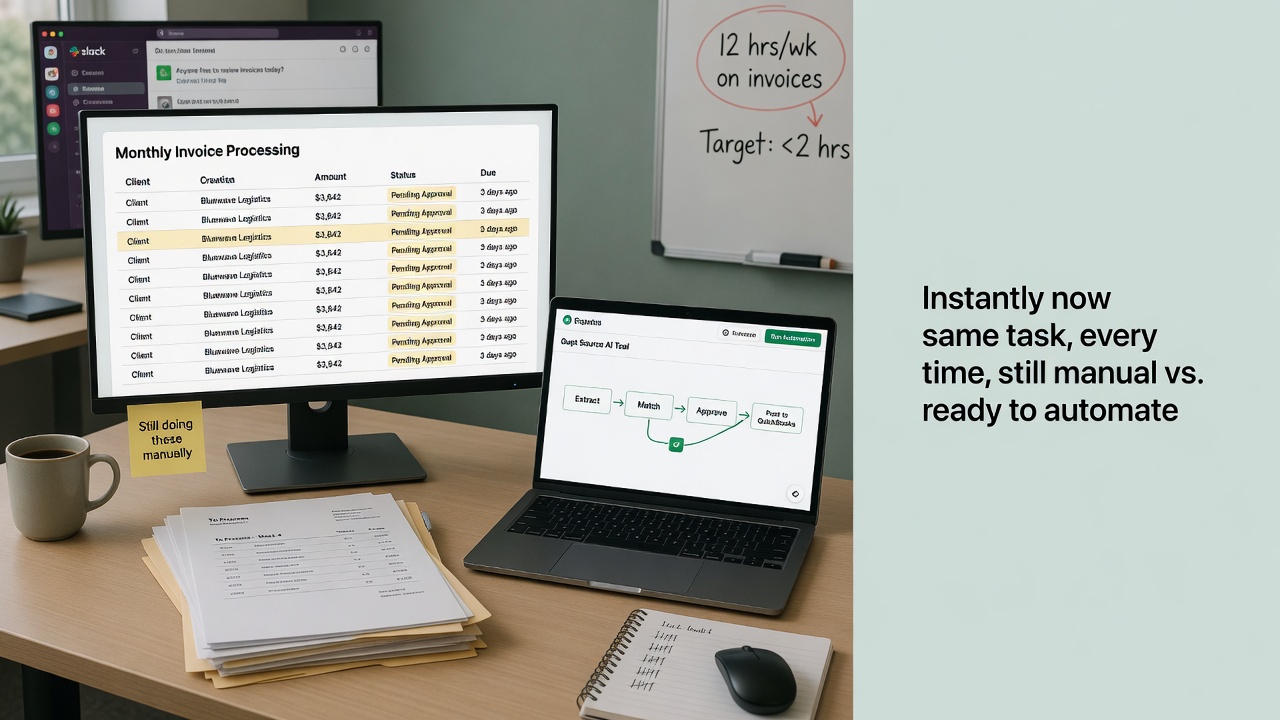
The Operational Gap: Why Open-Source AI Is Winning the Demo but Losing the Deployment
The original draft was a bit too 'reporter-style' and lacked the high-energy, direct punch of the 'Builder' persona. I tightened the prose to remove passive phrasing, sharpened the LinkedIn hook to create a real stake for developers, and emphasized the 'Model vs. Systems' engineering trade-off to strengthen the perspective.
Read this noteSame lane, different angle
TimEE: Time Series Classification With Zero Real Training Data
A time series is just a list of numbers measured over time - heartbeats, sensor readings, stock prices - and classifying one usually means training a new model from scratch for every single dataset. TimEE, a new 4.5M-par
Your Playlists Are a Privacy Leak: Inferring PII From Spotify
Researchers have built a deep learning tool that infers sensitive personal information — age, gender, country, drinking and smoking habits, even Big Five personality scores — from nothing but a user's public Spotify play