The Capex Trap: Why Big Tech is Doubling Down on AI Infrastructure
Let’s cut through the hype and look at the actual balance sheets. Big tech's Q2 earnings are starting to reveal a massive friction point: the gap between astronomical capital expenditure (Capex) and actual, broad-based e
Automation needs a narrow first win
The best first AI workflow is usually a repeated task with a clear input, clear output, and a human approval step.
Let’s cut through the hype and look at the actual balance sheets. Big tech's Q2 earnings are starting to reveal a massive friction point: the gap between astronomical capital expenditure (Capex) and actual, broad-based enterprise value. While the headlines scream about AI growth, the underlying free cash flow metrics are telling a much more complicated story about the cost of building the future.
Capex vs. Free Cash Flow Friction
We are watching a high-stakes tug-of-war between investment and liquidity. Meta’s free cash flow took a massive hit because of the sheer scale of spending required for AI data centers. On the other side, Amazon’s stock climbed 15% today, but that growth is a complex mix of AWS expansion, AI investment, and energy price hedging—with $45 billion in cash turning into $10 billion. Meanwhile, Apple is struggling, down 10% today with free cash flow dipping below $1 billion (down from $8.5 billion last year).
The takeaway for anyone building in this space is clear: the infrastructure is being built at a staggering pace—with Amazon alone hitting $220 billion in capex—but the returns aren't uniform. We aren't seeing a smooth tide of profit; we're seeing a massive, lopsided deployment of capital that is straining the very companies leading the charge.
Worth a look
Phugialy Picks

AI Engineering: Building Applications with Foundation Models
A practical guide to building real-world applications with foundation models and LLMs.

GMKtec K15 AI Mini PC Oculink Intel Ultra 5 125U 32GB DDR5 512GB SSD | Desktop Computer AI Boost, 3X M.2 2280 Storage Expansion, Dual NIC...

GEEKOM IT15 AI Mini PC, Intel Ultra 9 285H(99 Tops), 32GB DDR5, 1TB SSD | The Most Powerful Workstation,Arc 140T GPU,WiFi 7,8K Business D...
Some Phugialy Picks use affiliate links. If you buy through one, Phugialy may earn a commission. It doesn't change what we recommend. Full disclosure →
The Lab Concentration Bottleneck
One of the most critical pieces of this puzzle is where the demand actually lives. Right now, the demand underwriting that $220 billion in capex isn't coming from your local business or a wide array of startups. It is concentrated in a handful of AI labs—one of which Amazon happens to own a meaningful piece of.
This creates a massive bottleneck for the rest of the ecosystem. While the marketing narrative pushes "enterprise adoption," the reality is that broader adoption remains a forecast, not a realized metric. For developers and builders, this means the current infrastructure is being optimized for a few specific players rather than a decentralized, broad-market utility. We are essentially building a private high-speed rail for three companies while the rest of the city is still trying to figure out if they need cars.
The Sunk Cost Fallacy as a Market Driver
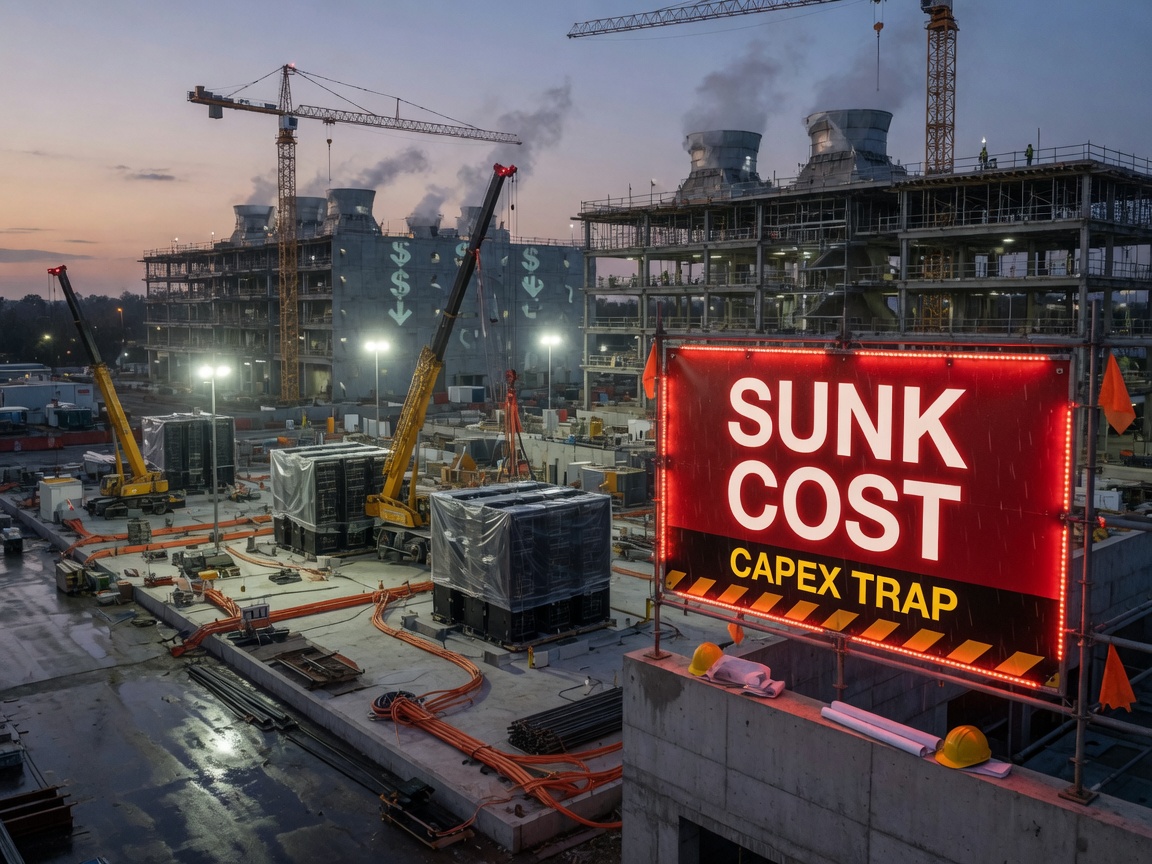
The real story here is that we might be witnessing the "sunk cost fallacy" on an infrastructure scale. When you look at these numbers, it’s easy to see why the spending doesn't stop. These companies have already committed so much to the hardware and the data center footprint that pulling the plug now feels like a total loss.
From a builder's perspective, this is the part worth watching. If the demand is currently concentrated in labs and hasn't hit widespread production environments, the "bubble" isn't necessarily a lack of technology—it's a mismatch between the speed of infrastructure build-out and the actual rate of commercial integration. We're building the highway before we know if the cars are actually going to be on the road, and because the investment is so massive, it’s going to be very hard for anyone to hit the brakes.
Got a question about how this applies to you? →
Keep reading
Follow the thread
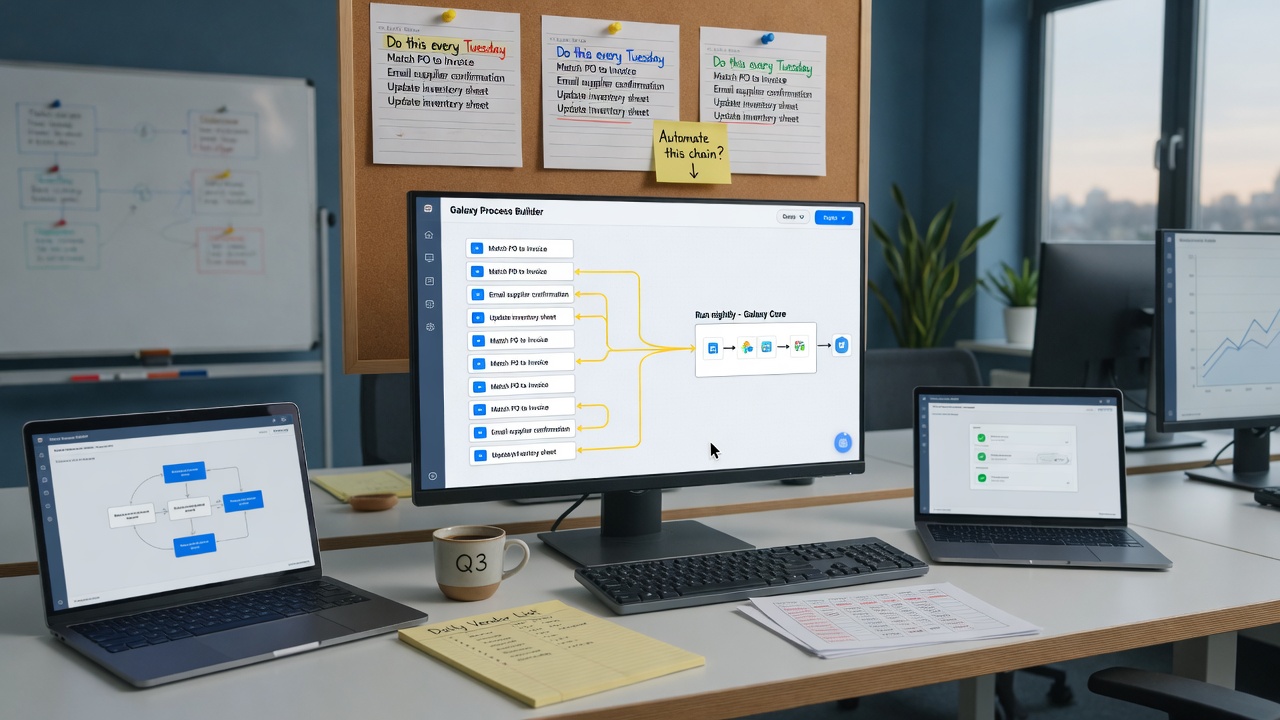
SenseTime’s Galaxy Project: The Software Play for Hardware Independence
SenseTime is moving past the 'chip replacement' phase and into a full-stack infrastructure play. By launching the Galaxy Project, they aren't just trying to source better silicon; they are attempting to build a domestic
Read this noteSame lane, different angle
The ROI Reality Check: Navigating the AI Infrastructure Correction
Nvidia’s 5% share price drop on Monday, which saw it lose its position as the world’s most valuable listed company to Apple, represents a fundamental recalibration of the AI investment thesis. We are moving out of a peri
The Physicality Pivot: Why AI’s Next Frontier is Hardware, Not Just Hype
AI is moving from your screen into your physical space. From 1X's robotic hands to Meta's smart glasses, the next competitive frontier isn't just better chat—it's physical agency.