The Hardware Bottleneck: Michigan’s AI Infrastructure Friction
AI development has moved past the point of just needing smarter algorithms; it now requires a massive overhaul of physical infrastructure. In Michigan, this is manifesting as a push for 30 large and small data center pro
Automation needs a narrow first win
The best first AI workflow is usually a repeated task with a clear input, clear output, and a human approval step.
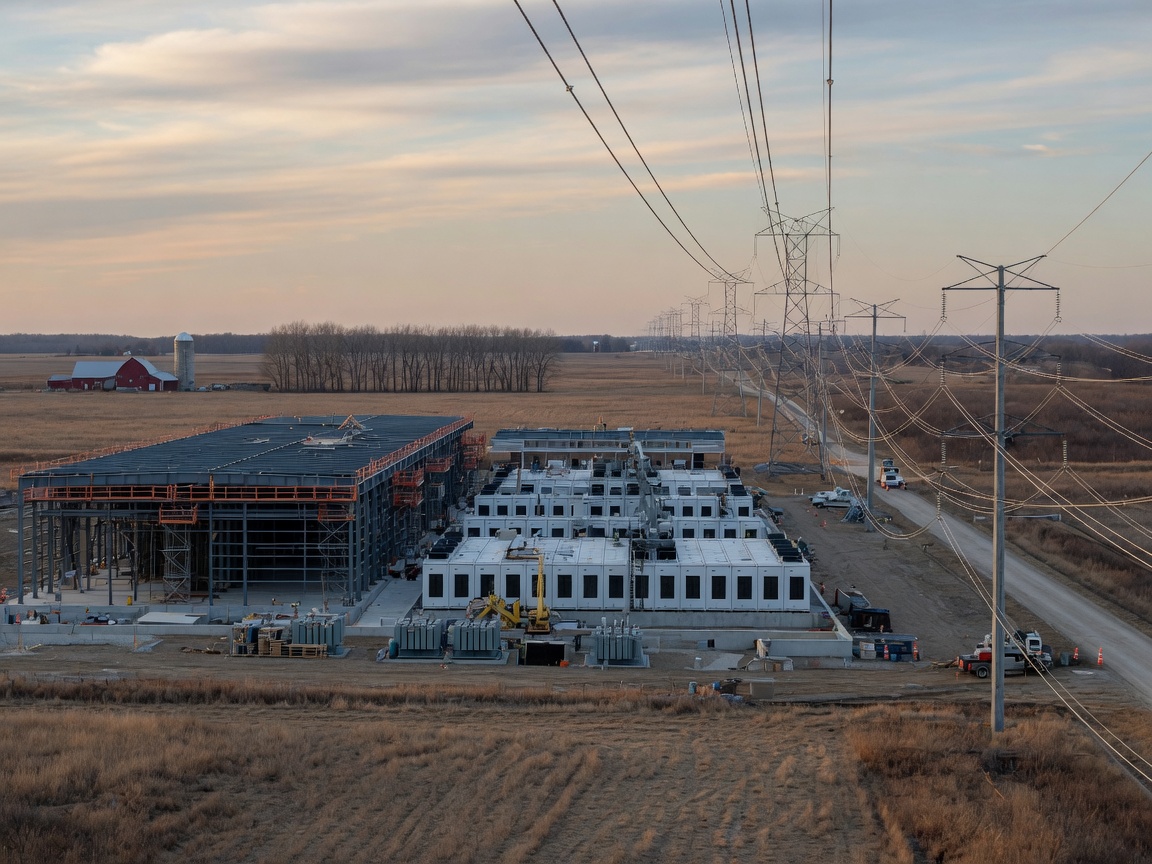
AI development has moved past the point of just needing smarter algorithms; it now requires a massive overhaul of physical infrastructure. In Michigan, this is manifesting as a push for 30 large and small data center projects. To put the scale of this demand into perspective, these projects are expected to require 2.7 gigawatts of electricity—roughly equivalent to the demand of 2 million homes. This isn't just a minor expansion; it is a heavy industrial effort to build the capacity required for AI systems to handle business requests and filter through the vast amounts of information available today.
The Conflict Between Utility Profit and Local Survival
Tech companies are currently seeking more land to house the storage and processing power necessary to support AI systems in both business and daily life. This demand creates a specific set of winners and losers. Power companies, for instance, may favor these projects as a way to capitalize on new customers and infrastructure investment. However, this industrial push often clashes with local communities who are concerned about the tangible impacts of these facilities. These concerns are not abstract; they involve specific issues like noise pollution, land use changes, and the significant consumption of water and local power. When a project requires the power of 2 million homes, the "cloud" stops feeling abstract and starts feeling like a heavy industrial footprint on a local town's resources.
Worth a look
Phugialy Picks

GMKtec K15 AI Mini PC Oculink Intel Ultra 5 125U 32GB DDR5 512GB SSD | Desktop Computer AI Boost, 3X M.2 2280 Storage Expansion, Dual NIC...

GEEKOM IT15 AI Mini PC, Intel Ultra 9 285H(99 Tops), 32GB DDR5, 1TB SSD | The Most Powerful Workstation,Arc 140T GPU,WiFi 7,8K Business D...

GMKtec EVO-T2S Mini PC AI Ultra X7 Processor 358H 64GB LPDDR5X 8533 MT/S | Gaming Mini Computer Arc B390 1TB PCIe 5.0 SSD Oculink, WiFi 7...
Some Phugialy Picks use affiliate links. If you buy through one, Phugialy may earn a commission. It doesn't change what we recommend. Full disclosure →
Legislative Shortcuts and the Reality of Scarcity
To facilitate this growth, the Michigan Legislature has passed laws exempting data center operators from sales and use taxes. This is a clear attempt to use fiscal policy to solve a physical capacity problem. While these tax exemptions are designed to attract tech companies, they highlight a growing tension between state-level economic goals and the localized reality of resource scarcity. The conflict highlights that the expansion of AI is no longer just a matter of code and weights; it is a matter of zoning, utilities, and public sentiment.
From Software-Limited to Hardware-Limited AI
What this actually points to is a fundamental shift from a software-limited era to a hardware-limited era in AI development. For years, the conversation was dominated by model architecture and data quality. Now, the bottleneck is physical: where do we put the machines, and how do we power them without straining local resources? The part worth being skeptical of is the "infinite" scalability implied by many tech roadmaps. When a project requires the power of 2 million homes, the "cloud" stops feeling abstract and starts feeling like a heavy industrial footprint. In practice, this means that the next phase of AI growth won't be determined by who has the best code, but by who can navigate the messiest local politics and infrastructure constraints. The real story is that we are running out of easy space to hide the physical costs of digital intelligence.
Got a question about how this applies to you? →
Keep reading
Follow the thread
The Capex Trap: Why Big Tech is Doubling Down on AI Infrastructure
Let’s cut through the hype and look at the actual balance sheets. Big tech's Q2 earnings are starting to reveal a massive friction point: the gap between astronomical capital expenditure (Capex) and actual, broad-based e
Read this noteSame lane, different angle
SenseTime’s Galaxy Project: The Software Play for Hardware Independence
SenseTime is moving past the 'chip replacement' phase and into a full-stack infrastructure play. By launching the Galaxy Project, they aren't just trying to source better silicon; they are attempting to build a domestic
The ROI Reality Check: Navigating the AI Infrastructure Correction
Nvidia’s 5% share price drop on Monday, which saw it lose its position as the world’s most valuable listed company to Apple, represents a fundamental recalibration of the AI investment thesis. We are moving out of a peri