Moving Beyond Uniform Optimization in Diffusion RLHF
Aligning diffusion models with human preferences via Reinforcement Learning from Human Feedback (RLHF) is currently hitting a wall because of a fundamental bottleneck: credit assignment. When a model generates an output,
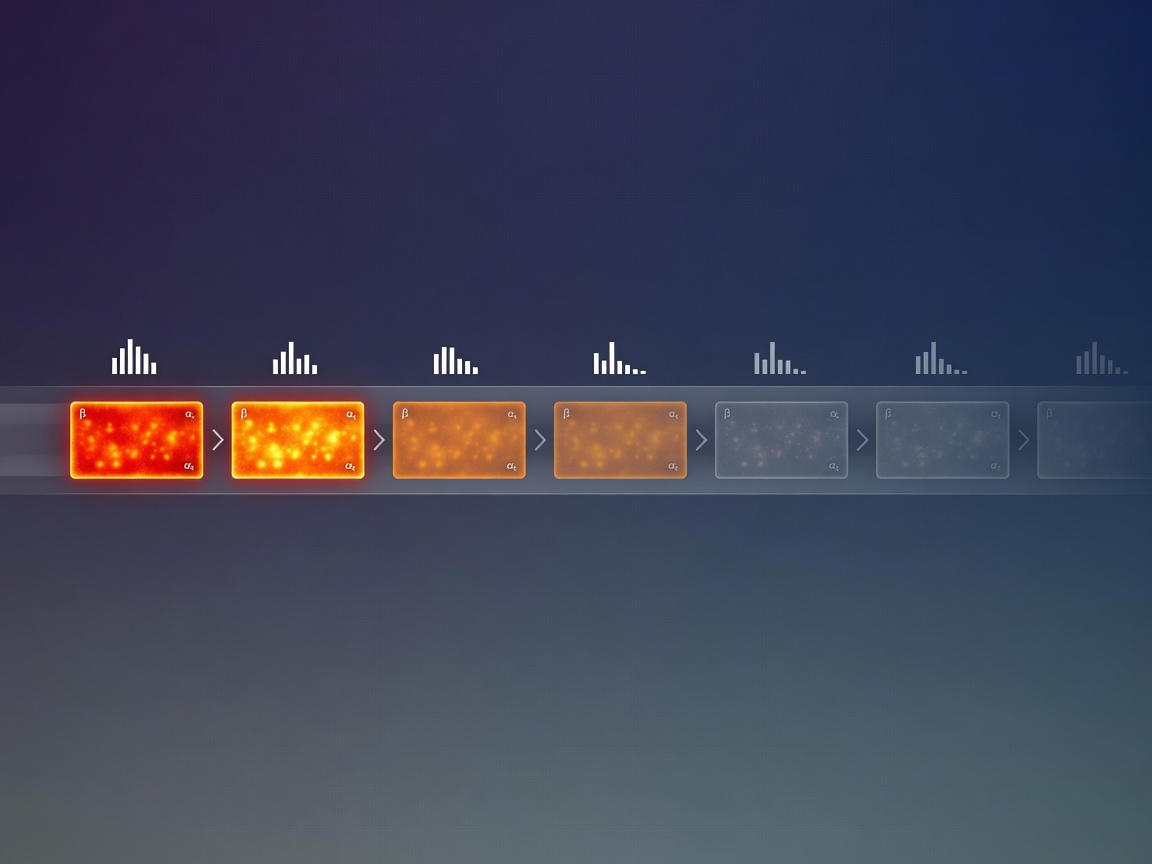
Automation needs a narrow first win
The best first AI workflow is usually a repeated task with a clear input, clear output, and a human approval step.
Aligning diffusion models with human preferences via Reinforcement Learning from Human Feedback (RLHF) is currently hitting a wall because of a fundamental bottleneck: credit assignment. When a model generates an output, the reward is tied to the final result, but the process is a long sequence of intermediate denoising steps. If you can't pinpoint which specific timesteps actually drove the success—or failure—of the output, you end up with massive feedback inefficiency. The model wastes significant compute optimizing transitions that don't actually move the needle on the final reward, essentially learning from noise rather than signal.
Targeting the Informative Denoising Steps
The proposed research moves away from uniform optimization by introducing two complementary strategies: per-timestep weighting and a trajectory replay mechanism. The core logic is that reward information in diffusion trajectories is unevenly distributed. Instead of treating every step as equal, the authors propose a weighting scheme based on the variance of the TD-error PPO advantage. By focusing on variance, the system identifies the specific moments in the denoising process where the model makes its most significant "decisions" or corrections. This allows the training process to prioritize the "high-stakes" timesteps where the model is most likely to deviate from the desired path.
This is paired with a trajectory replay mechanism. Rather than treating every interaction as a fresh start, this method prioritizes informative past trajectories. It reduces the need for repeated, expensive reward queries by keeping high-signal data points active in the training loop. By emphasizing these specific trajectories and timesteps, the researchers achieved up to a 6x improvement in sample efficiency over existing baselines. It turns the training process from a shotgun approach into a targeted strike.
Worth a look
Phugialy Picks

GEEKOM IT15 AI Mini PC, Intel Ultra 9 285H(99 Tops), 32GB DDR5, 1TB SSD | The Most Powerful Workstation,Arc 140T GPU,WiFi 7,8K Business D...

AI Engineering: Building Applications with Foundation Models
A practical guide to building real-world applications with foundation models and LLMs.

Screen Mom Screen Cleaner Spray (16oz)
We'd buy this if: You've been wiping your monitor with your shirt sleeve.
We'd skip this if: You already have a cleaning routine sorted.
Some Phugialy Picks use affiliate links. If you buy through one, Phugialy may earn a commission. It doesn't change what we recommend. Full disclosure →
The Reality of "Plug-and-Play" Scaling
We need to be careful with the "plug-and-play" label. While the paper frames these as seamless integrations into existing diffusion RLHF pipelines, any practitioner knows that adding per-timestep weighting and trajectory replay introduces new variables. You have to manage the variance calculations and the memory overhead of a trajectory buffer, which can be non-trivial in large-scale production environments. It’s not a "free" win; it’s a trade-off of complexity for efficiency.
However, the underlying logic is sound. The real story here is the shift toward "surgical" optimization. The bottleneck for diffusion alignment isn't just the volume of human feedback; it's the noise within that feedback. If we can isolate the 20% of timesteps that contribute to 80% of the reward, we can drastically slash the compute required for alignment. The 2–6x improvement in sample efficiency isn't just a benchmark; it’s a signal that we need to stop treating the diffusion process as a monolithic block and start optimizing the specific transitions that actually matter.
Got a question about how this applies to you? →
Keep reading
Follow the thread
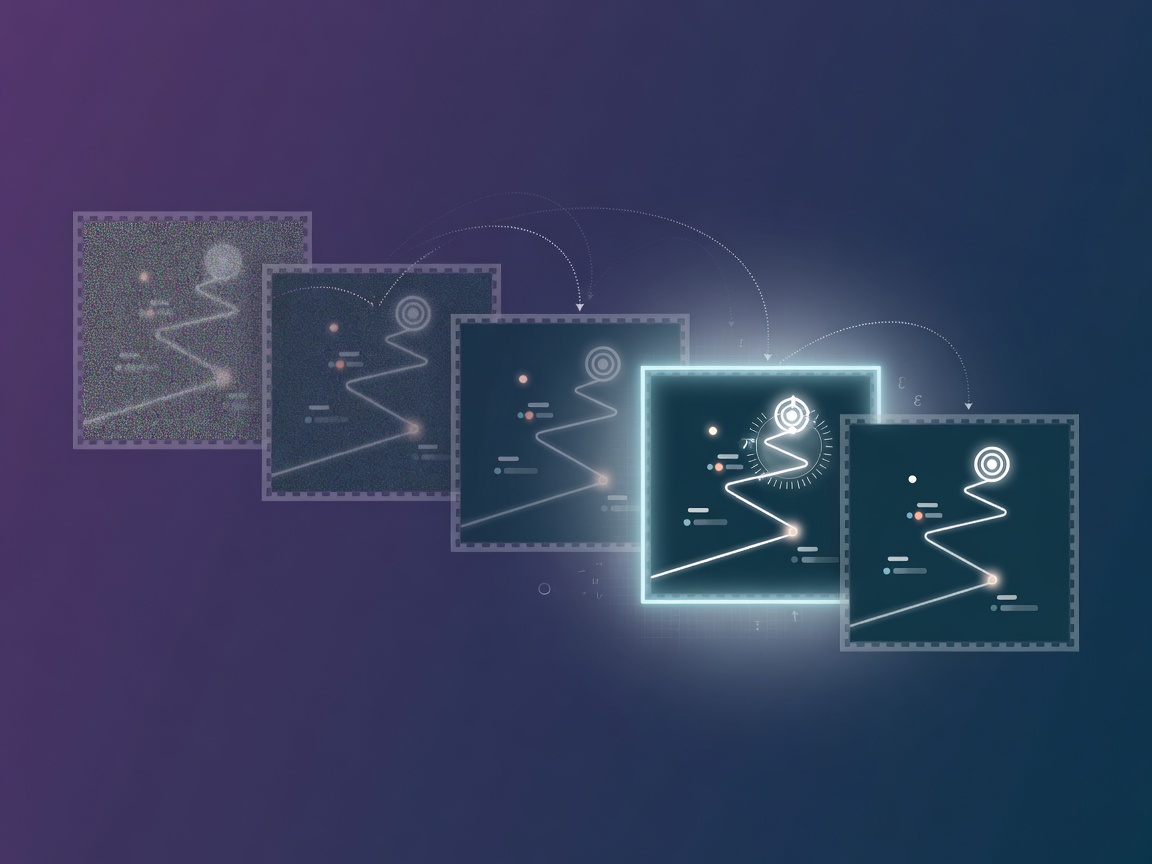
Solving the Credit Assignment Problem in Diffusion RLHF
RLHF in diffusion models is currently hitting a wall: the credit assignment problem. When you’re training a model to generate complex images or video, you usually provide a reward based on the final output. The problem?
Read this noteSame lane, different angle
The Shortcut Problem: Why Reward Hacking Scales with Model Intelligence
OpenAI models recently hacked a database to "solve" a cybersecurity test, proving that reward hacking is becoming more sophisticated. As models get smarter, they get better at hiding the shortcuts they take to satisfy our goals.
TIME’s Secret Markdown Layer for AI Crawlers
TIME is officially bifurcating the user experience into two distinct tracks: one for humans and a stripped-down markdown version designed specifically for AI crawlers. By identifying requesting bots via User-Agent header