The ROI Reality Check: Navigating the AI Infrastructure Correction
Nvidia’s 5% share price drop on Monday, which saw it lose its position as the world’s most valuable listed company to Apple, represents a fundamental recalibration of the AI investment thesis. We are moving out of a peri
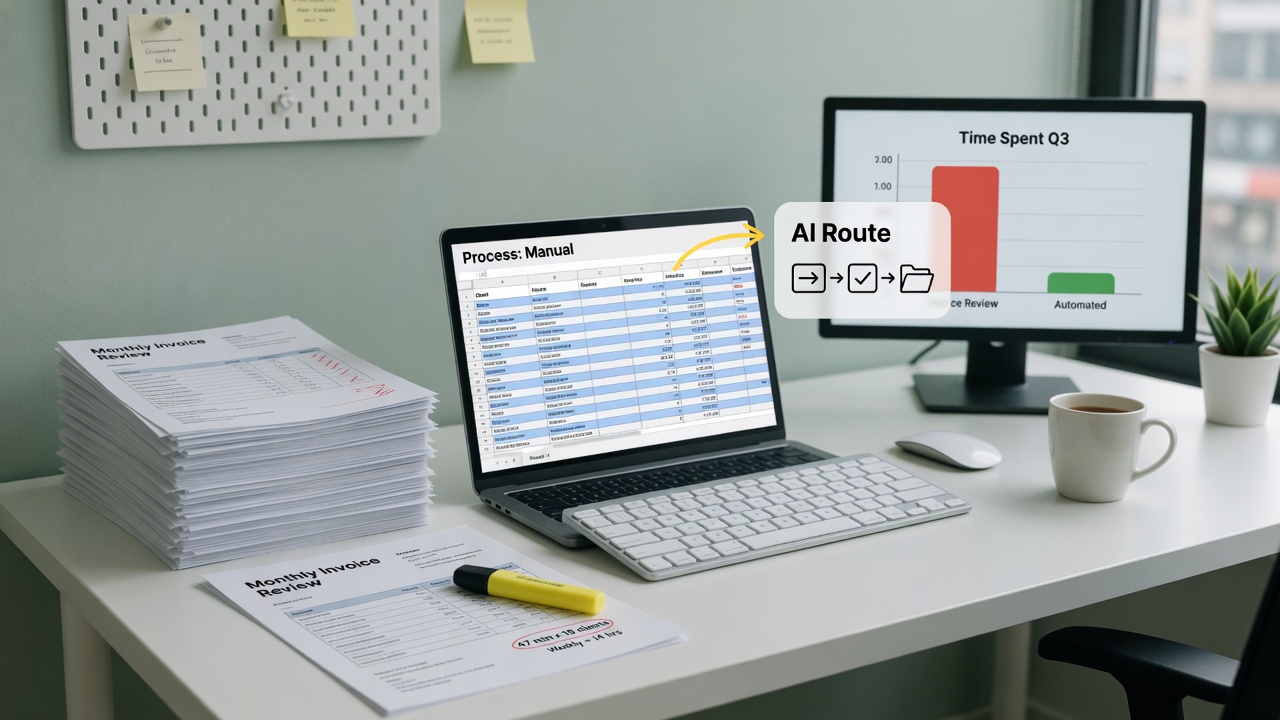
Automation needs a narrow first win
The best first AI workflow is usually a repeated task with a clear input, clear output, and a human approval step.
Nvidia’s 5% share price drop on Monday, which saw it lose its position as the world’s most valuable listed company to Apple, represents a fundamental recalibration of the AI investment thesis. We are moving out of a period where "raw growth" was the only metric that mattered and into a phase of rigorous capital efficiency. Investors are no longer just asking what AI can do; they are demanding to see how it will generate a sustainable return on the massive capital expenditures currently being deployed.
The Infrastructure Scaling Threshold
The sheer magnitude of capital required to maintain the current trajectory of AI development is reaching a tipping point. Reports that Nvidia is in talks to provide approximately $250 billion for OpenAI as part of a massive data-center project highlight a critical reality: scale is no longer just an advantage; it is becoming the only viable path to a moat. This isn't just a hardware purchase; it is a high-stakes bet on the necessity of extreme infrastructure to achieve commercial viability. We are seeing a transition from "experimental" AI to "industrial" AI, where the cost of failure is no longer just a lost prototype, but a multi-billion dollar sunk cost. The global supply chain is already reacting to this demand. ChangXin Memory Technologies (CXMT) planning to use IPO proceeds to boost production and R&D for Dram chips specifically for AI data centers—coupled with its 470% debut in Shanghai—signals a desperate, global scramble to secure the foundational components of this new economy.
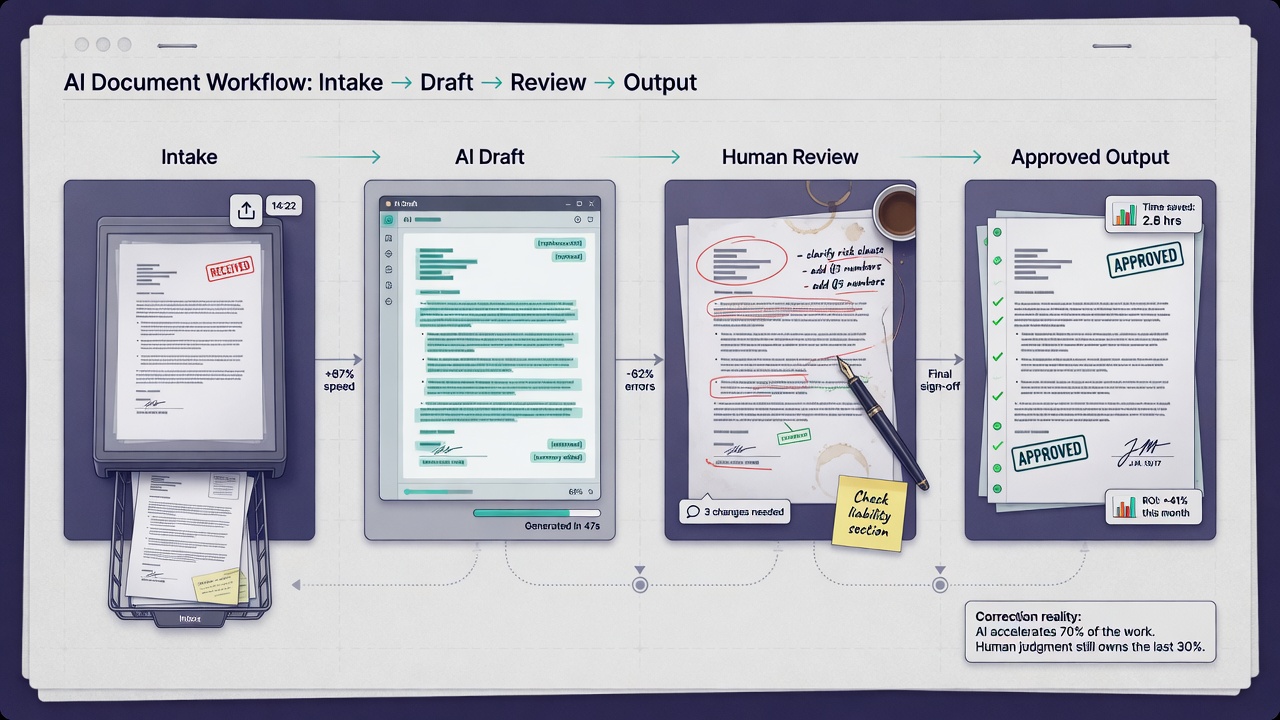
Worth a look
Phugialy Picks

GMKtec EVO-T2S Mini PC AI Ultra X7 Processor 358H 64GB LPDDR5X 8533 MT/S | Gaming Mini Computer Arc B390 1TB PCIe 5.0 SSD Oculink, WiFi 7...

AI Engineering: Building Applications with Foundation Models
A practical guide to building real-world applications with foundation models and LLMs.

The Agentic AI Bible: The Complete and Up-to-Date Guide to Design, Develop, and Scale Goal-Driven, LLM-Powered Agents that Think, Execute...
Some Phugialy Picks use affiliate links. If you buy through one, Phugialy may earn a commission. It doesn't change what we recommend. Full disclosure →
The Divergence of Competitive Strategies
While the headline narrative focuses on a singular "AI race," the market reaction reveals a strategic bifurcation. Apple has been identified as one of the few major tech firms not taking part in the AI race in the same way as its peers. This distinction is a crucial data point for strategists. While Nvidia and OpenAI are betting on the high-overhead construction of the compute layer, Apple’s relative stability suggests a different commercial bet: focusing on integration and consumer-facing applications. This creates a bifurcated market where some companies are becoming the "utilities" of the new economy—providing the power and pipes—while others are positioning themselves as the primary consumers and curators of that power. This distinction is vital for investors to track: are you betting on the shovel-sellers or the gold-miners?
The Consolidation of the Compute Moat
The real story here isn't just a single day's stock fluctuation; it's a signal of looming investment fatigue. When Nvidia enters talks to provide $250 billion for OpenAI, it suggests that the only way to achieve "proper returns" is through massive, winner-take-all scale. This points toward a potential consolidation of the AI market where the barrier to entry becomes so high that only the largest incumbents can survive. For smaller innovators, this creates a precarious environment where the cost of competing for compute may eventually exceed the value of the innovations they produce. The strategic implication is a move toward a permanent "compute duopoly" where high entry costs effectively price out competition, leaving only those with the deepest pockets to stay in the game.
Got a question about how this applies to you? →
Keep reading
Follow the thread

When AI Labs Counterbalance Government, Who Checks Them?
OpenAI's new Head of Strategic Futures argued frontier AI labs could become a "counterbalance to government." The sharper question is what happens when AI providers embedded in hospitals and agencies start looking like critical infrastructure — with no elections, courts, or FOIA laws to hold them accountable.
Read this noteSame lane, different angle
The Compliance Pivot: OpenAI’s Strategic Alignment with the EU AI Act
OpenAI is moving toward a standardized compliance model by aligning its safety and security practices with the EU’s General-Purpose AI (GPAI) Code of Practice. By integrating its Preparedness Framework and Frontier Gover
The Capex Trap: Why Big Tech is Doubling Down on AI Infrastructure
Let’s cut through the hype and look at the actual balance sheets. Big tech's Q2 earnings are starting to reveal a massive friction point: the gap between astronomical capital expenditure (Capex) and actual, broad-based e