The Robotics Protectionism Trap: Security at the Cost of Speed
The FTC is moving to ban foreign imports of advanced robots—humanoids, quadrupeds, and wheeled models alike. The official line is national security: protecting the domestic US robotics industry from foreign influence. Bu
Automation needs a narrow first win
The best first AI workflow is usually a repeated task with a clear input, clear output, and a human approval step.
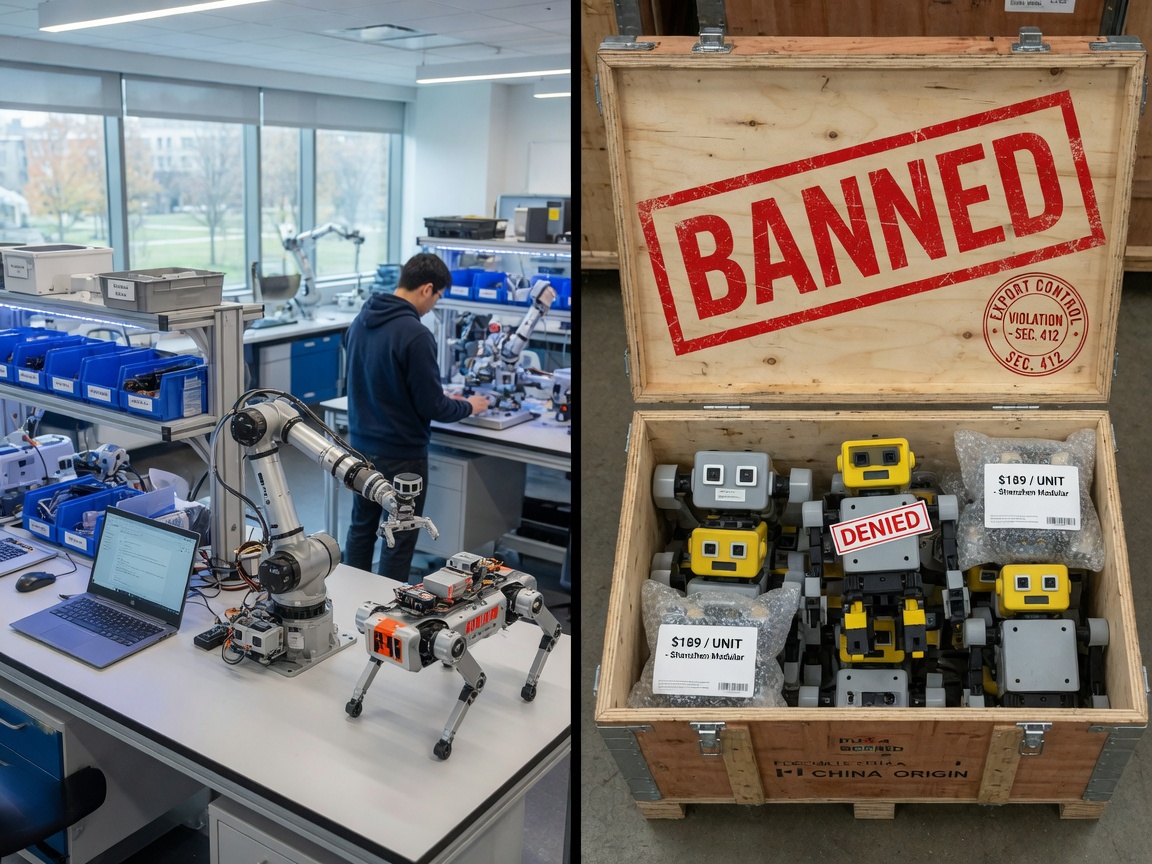
The FTC is moving to ban foreign imports of advanced robots—humanoids, quadrupeds, and wheeled models alike. The official line is national security: protecting the domestic US robotics industry from foreign influence. But for those actually building the tech, this policy creates a massive friction point. While the government tries to secure the AI frontier, it might be dismantling the very infrastructure required to reach it.
The Hardware Dependency Gap
The FTC’s sweeping ban targets the fundamental building blocks of modern robotics. The technical reality is that US research is currently tethered to affordable Chinese hardware for training and learning tasks. To see the scale: 90% of recent robotics research papers from US universities relied on robots from Unitree. These machines cost approximately $4,600. Compare that to a Boston Dynamics robot, which can run to $278,000. By cutting off affordable imports, the US is effectively removing the primary toolset used by the academic community to iterate on AI behaviors. This creates a massive infrastructure hurdle for labs that lack the capital to maintain a fleet of high-end domestic machines.
Worth a look
Phugialy Picks

GMKtec K15 AI Mini PC Oculink Intel Ultra 5 125U 32GB DDR5 512GB SSD | Desktop Computer AI Boost, 3X M.2 2280 Storage Expansion, Dual NIC...

GEEKOM IT15 AI Mini PC, Intel Ultra 9 285H(99 Tops), 32GB DDR5, 1TB SSD | The Most Powerful Workstation,Arc 140T GPU,WiFi 7,8K Business D...

GMKtec EVO-T2S Mini PC AI Ultra X7 Processor 358H 64GB LPDDR5X 8533 MT/S | Gaming Mini Computer Arc B390 1TB PCIe 5.0 SSD Oculink, WiFi 7...
Some Phugialy Picks use affiliate links. If you buy through one, Phugialy may earn a commission. It doesn't change what we recommend. Full disclosure →
The Strategic Friction of Protectionism
We are seeing a broader geopolitical tightening. Beyond hardware, the Trump administration is considering a ban on open-source Chinese models that rival OpenAI and Anthropic. Robotics is now firmly categorized as a strategic frontier, with nearly $6 billion in evaluations already reflecting this shift toward high-stakes competition. The US is attempting to build a "walled garden" around both the compute models and the physical bodies that execute them. At the same time, companies like Google are releasing new AI models specifically designed to help humanoids learn new tasks faster. This creates a direct tension: we are pushing for software iteration while restricting the physical tools needed to test that software at scale.
The Hidden Cost of Research Protectionism
The real story here is the tradeoff between security and speed. While the $25 billion in annual savings from Chinese imports is a significant economic figure, the move forces a concrete choice. We are potentially turning the "AI frontier" into a gated community. If the domestic manufacturing base can't provide the volume and variety of robots needed to sustain university research without causing a multi-year stagnation, the "protection" becomes a self-inflicted wound. We are trading a low-cost research environment for a high-security one, and the winners will be the few entities with the capital to bridge that gap.
Got a question about how this applies to you? →
Keep reading
Follow the thread
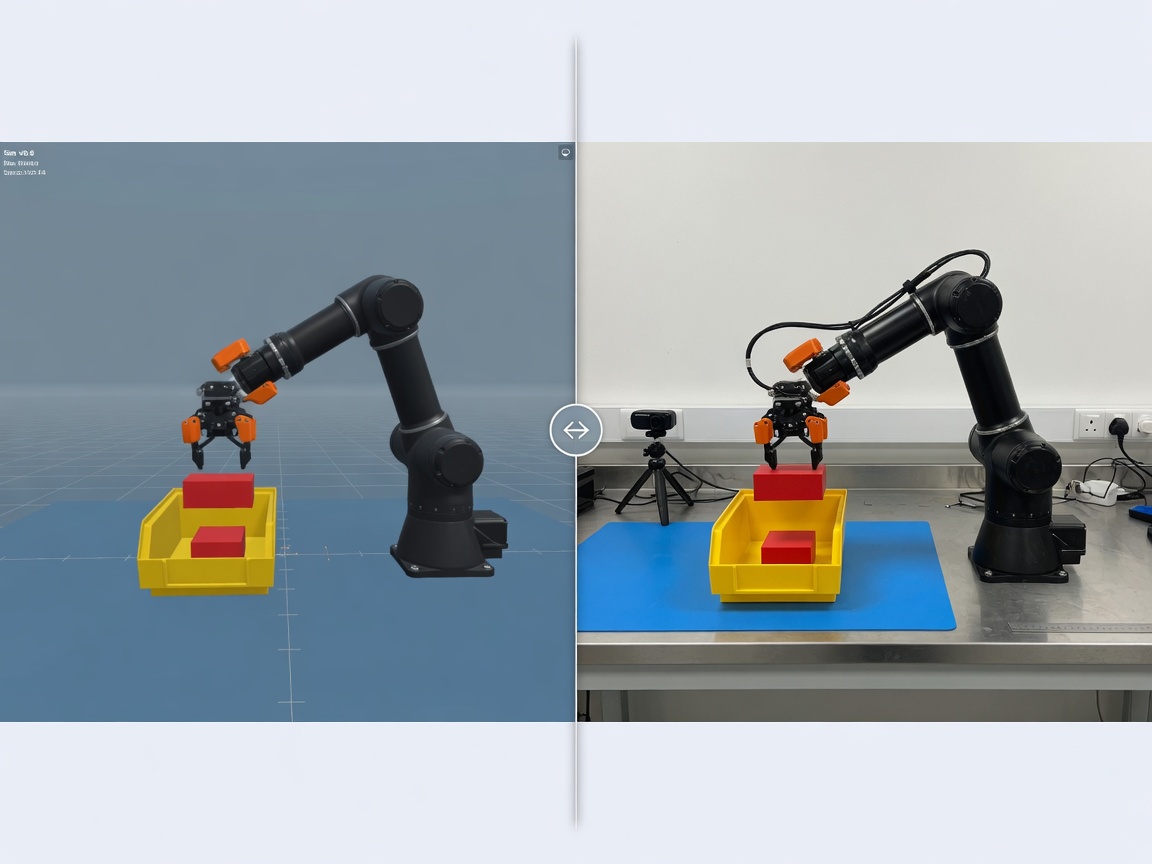
RoboDojo Tests Robot Manipulation Policies Where It Counts
A new benchmark finally tests robot manipulation policies in both simulation and the real world - 42 sim tasks, 18 physical ones, and 30 policies already ranked under identical conditions. Here's what that changes about every robotics result you've seen so far.
Read this noteSame lane, different angle
AI Regulation Now Depends on the Companies It Regulates
The most uncomfortable line in a recent analysis on AI's institutional power: a government may end up trying to regulate an AI provider whose technology it simultaneously depends on. That's the vendor lock-in problem every developer knows, scaled until the dependent party writes the rules — and with a footprint of more than a billion devices, the dependency is already shipping.
When AI Labs Counterbalance Government, Who Checks Them?
OpenAI's new Head of Strategic Futures argued frontier AI labs could become a "counterbalance to government." The sharper question is what happens when AI providers embedded in hospitals and agencies start looking like critical infrastructure — with no elections, courts, or FOIA laws to hold them accountable.