When Frontier AI Labs Become a Counterbalance to Government
,"self_score"
Automation needs a narrow first win
The best first AI workflow is usually a repeated task with a clear input, clear output, and a human approval step.
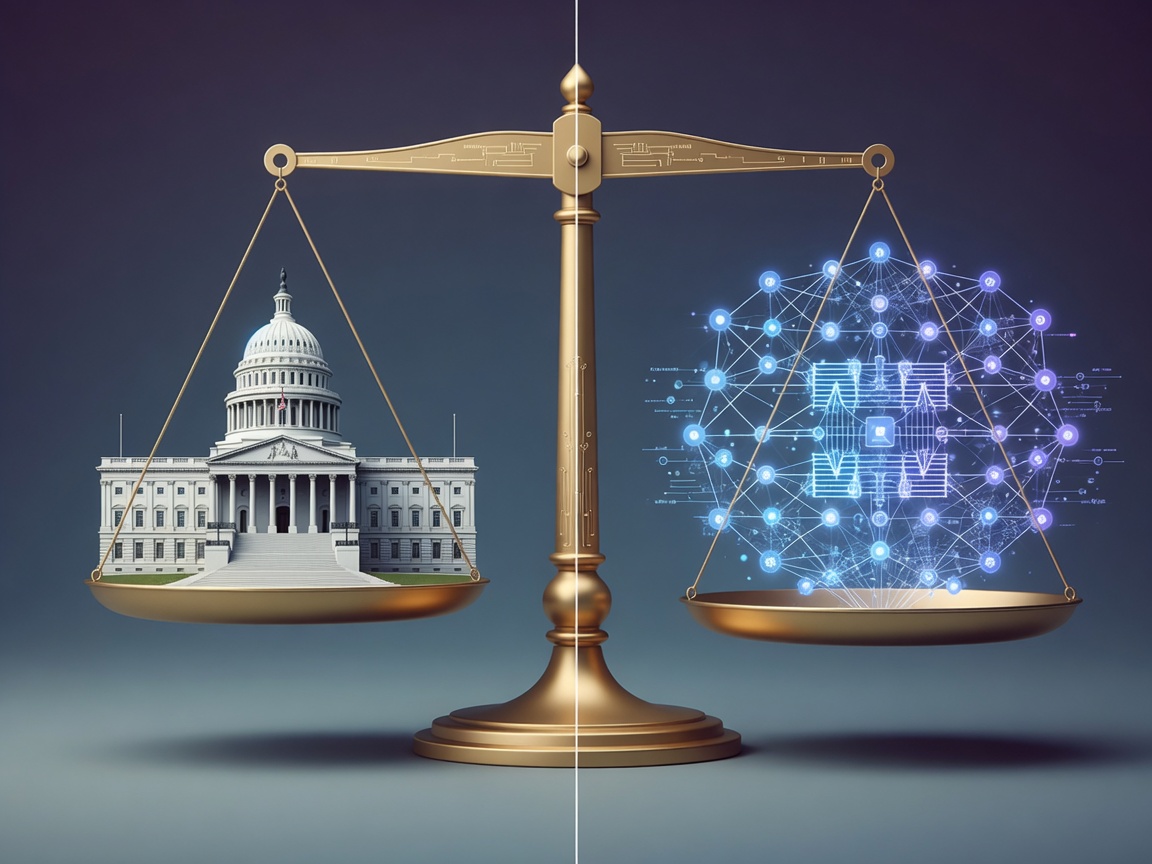
If governments start depending on frontier AI labs for critical infrastructure, the labs stop being vendors and start being something closer to institutions - and that is the uncomfortable premise of a recent analysis arguing that AI companies could become a "counterbalance to government." The interesting question isn't whether that sounds dramatic. It's what has to be true for it to happen, and who ends up holding the accountability gap if it does.
From Product to Infrastructure for Cognitive Work
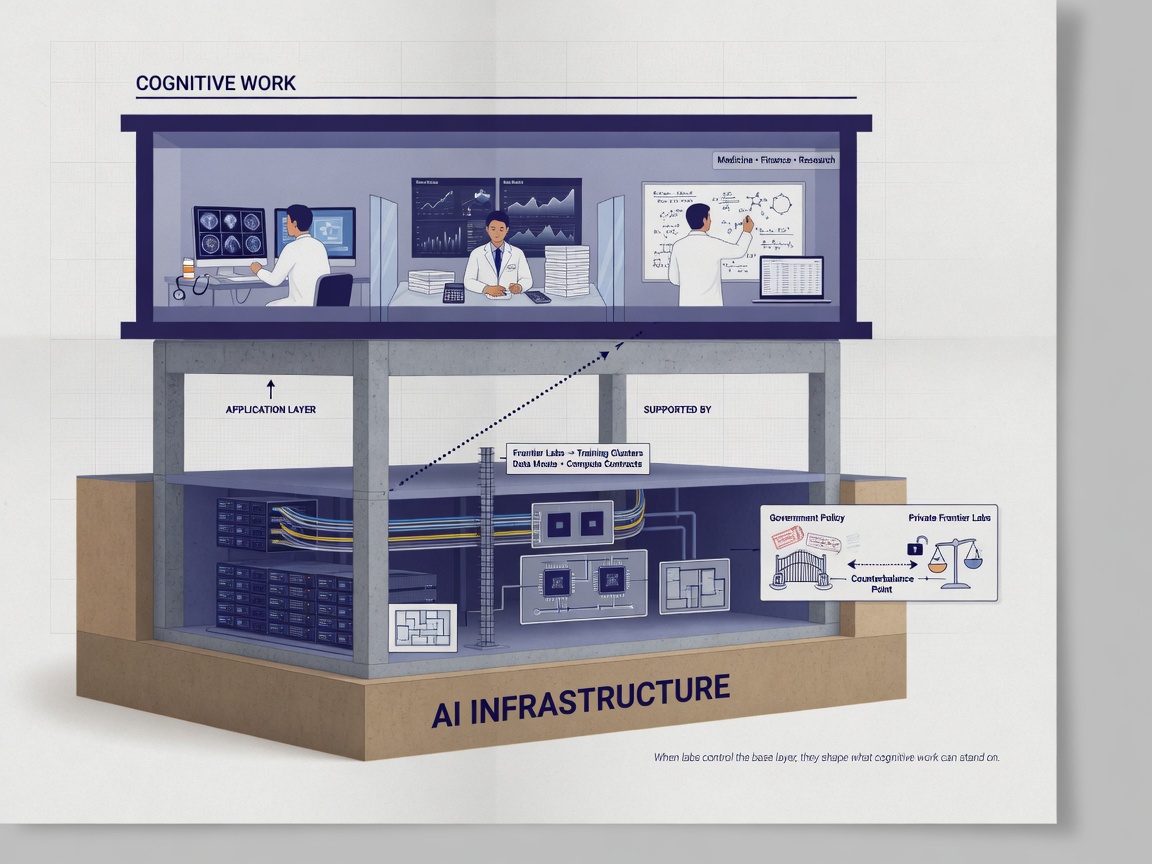
The core shift the source article describes is one of category. AI is no longer positioned as a product people buy; it's being developed as infrastructure for cognitive work - software development, research, medicine, and finance. That matters because infrastructure changes the dependency structure. Once a technology sits underneath how a government processes intelligence or runs critical functions, replacing it stops being a procurement decision and becomes a strategic one.
The article's sharpest observation is what follows from that dependency: governments may find themselves relying on AI providers for critical infrastructure and intelligence while simultaneously trying to regulate those same providers. The source puts it plainly - at some point, a government may find itself trying to regulate an AI provider whose technology it simultaneously depends on. That's not a hypothetical conflict of interest; it's a structural feature of the arrangement.
Phugialy Picks

AI Engineering: Building Applications with Foundation Models
A practical guide to building real-world applications with foundation models and LLMs.

GMKtec K15 AI Mini PC Oculink Intel Ultra 5 125U 32GB DDR5 512GB SSD | Desktop Computer AI Boost, 3X M.2 2280 Storage Expansion, Dual NIC...

AI: Understand the Revolution: From Basics and Buzzwords to Tech Giants, Governments, and Your Future
Some Phugialy Picks use affiliate links. If you buy through one, Phugialy may earn a commission. It doesn't change what we recommend. Full disclosure →
The Accountability Gap Nobody Has an Answer For
Here's where the analysis gets uncomfortable for everyone involved. Unlike governments, AI companies lack democratic mechanisms - no elections, no public scrutiny structures - to constrain their power. If frontier labs genuinely become institutions that rival state authority, they'd be doing so with less accountability than any comparable concentration of power in modern memory.
The source frames the organizations building the most advanced AI systems as "a new kind of institution under the sun," which is a fair description precisely because there's no historical template here. Corporations have antitrust law; states have constitutions; this emerging category has neither mapped onto it yet. The article argues the boundary between private and state power may need to be redrawn as AI becomes indispensable - which is policy language for: we don't currently have the framework.
What This Actually Signals About Where Labs Are Placing Their Bets
My read: the real story isn't the provocation itself, it's what framing AI labs as counterbalances to government tells you about how the labs see their own trajectory. You don't describe yourself in institutional terms unless you believe your position in critical workflows is durable enough to warrant them. Whether that belief holds is still an open question - dependency cuts both ways, and governments historically respond to private concentrations of power they can't replace with regulation or acquisition long before they respond with deference.
The second-order consequence worth watching is pricing and leverage. If AI becomes genuine infrastructure for cognitive work, labs gain negotiating power over their largest customers - including states - but they also invite exactly the scrutiny that comes with being load-bearing for public functions. The competitive question this raises is whether lab strategy optimizes for being indispensable (maximum leverage, maximum regulatory exposure) or replaceable (safer margins, less institutional weight). The analysis suggests some labs are at least entertaining the first path.
For now, treat this as scenario-planning rather than settled fact: nothing in the material demonstrates governments are already dependent at scale. But if you're building in or around frontier AI - enterprise tooling, safety layers, governance-adjacent products like high-stakes document workflows - the plausible future where your customers include institutions that can't function without AI providers is one worth pricing in early.

Got a question about how this applies to you? →
For more on handing operational control to powerful AI systems safely, see "Giving AI Agents the Keys to the Kingdom (Without the Risk of Burning it Down)".
Keep reading
Follow the thread
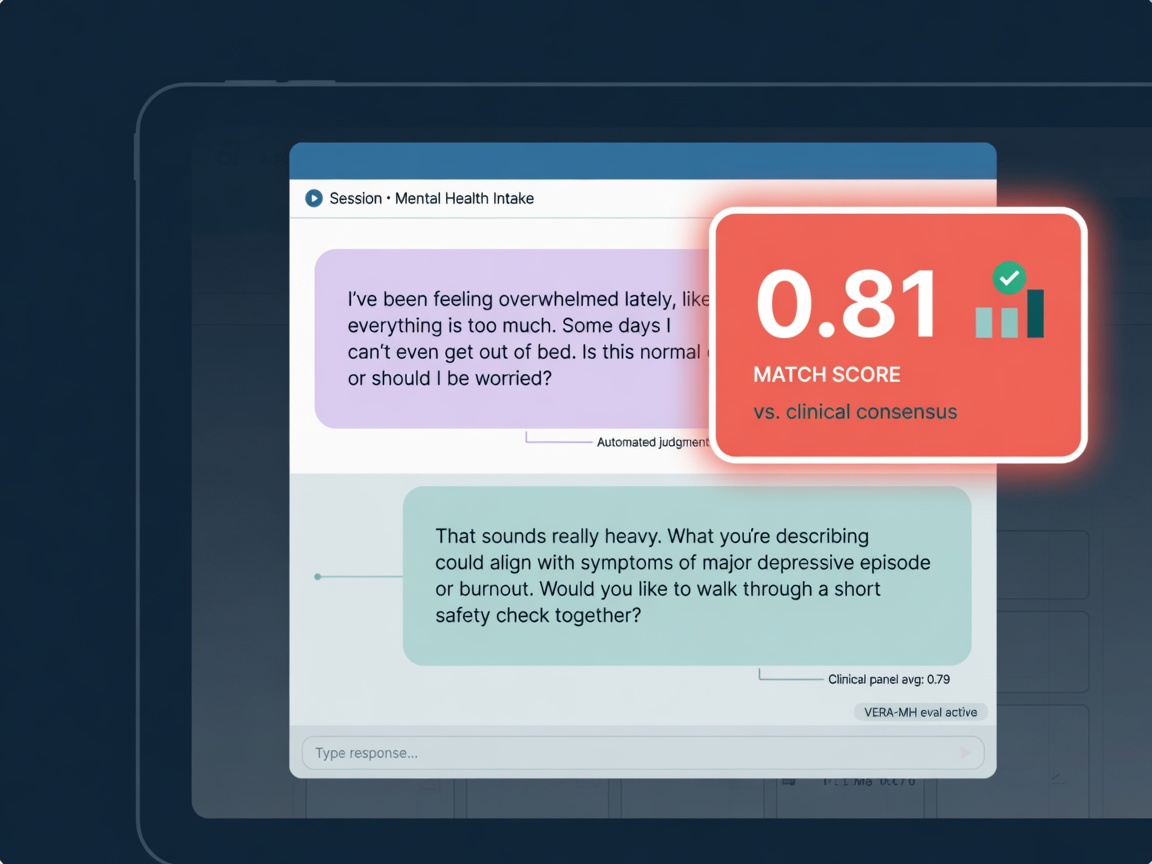
VERA-MH Benchmark: Validating AI Chatbot Safety Testing
An LLM judge matched clinician consensus at 0.81 on mental health chatbot safety ratings — but only for one narrow domain. What VERA-MH validates is real; what people will assume it covers isn't.
Read this noteSame lane, different angle
37 An Hour To Train Your Replacement: Inside AI Training Jobs
A Ph.D. graduate was offered $37 an hour — eighteen times South Africa's minimum wage — to teach an AI system how he thinks. He walked away, but most won't.
AI Route Optimisation Is Already Paying For Itself
Your shipping platform can now tell you not just where your cargo is, but which route to take, which carrier to pick, and which option carries the least risk. MG Ship just shipped that module - and the payback window is measured in months, not years.