The Institutionalization of Frontier AI Labs: From Software to Infrastructure
If we outsource our cognitive infrastructure to private labs, we aren't just buying a tool—we're surrendering the keys to the switch.

Automation needs a narrow first win
The best first AI workflow is usually a repeated task with a clear input, clear output, and a human approval step.
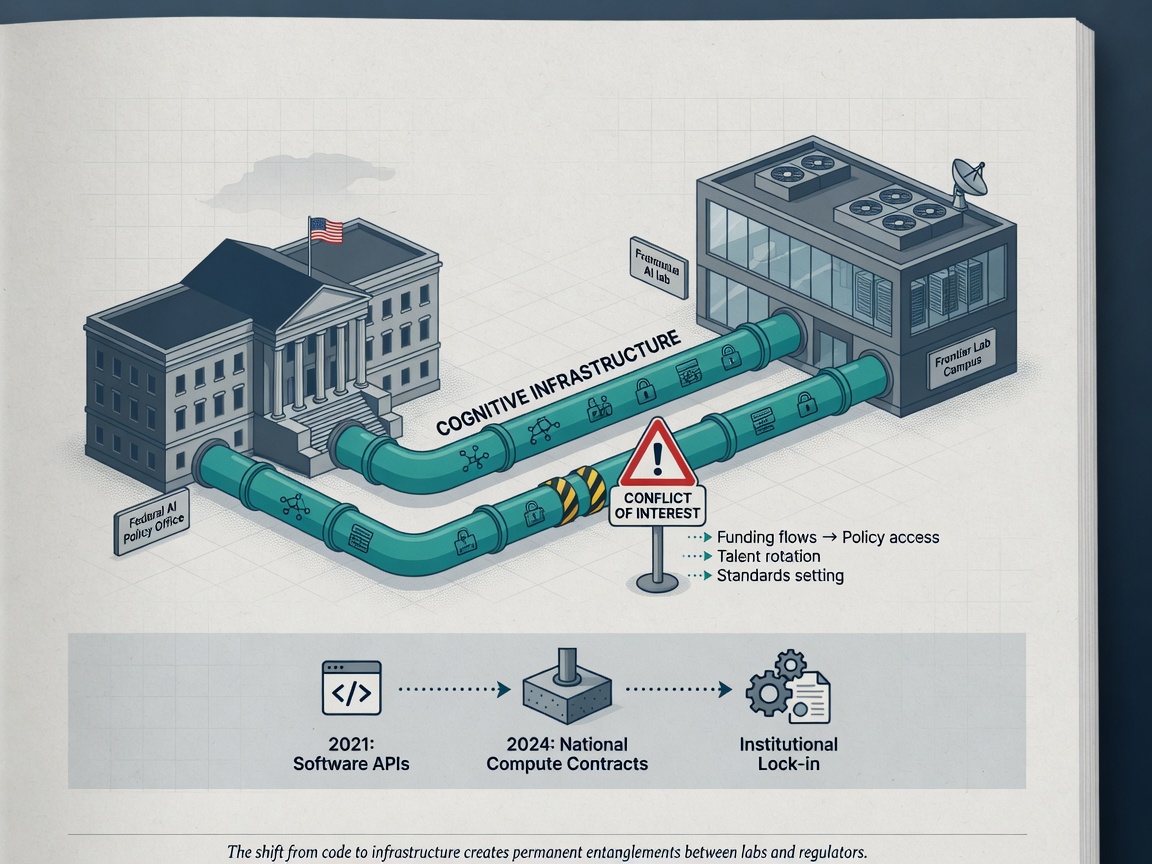
Frontier AI labs are no longer just software companies; they are becoming providers of cognitive infrastructure. This shift moves them out of the realm of traditional tech and into a space where they function as a structural counterbalance to state power. When AI becomes the underlying system for essential cognitive work—the "rails" for how we think, organize, and operate—the organizations building it aren't just selling a product; they are constructing the foundation of modern society.
The Paradox of Regulating Your Own Supplier
The friction point isn't just about "big tech" power; it’s a structural paradox of dependency. When a government integrates frontier models into its critical infrastructure, it creates a massive conflict of interest for regulation. It is fundamentally difficult to objectively oversee a provider that is simultaneously your primary service operator. If a state relies on these systems for core functions, the ability to impose meaningful constraints becomes secondary to the risk of operational disruption. We are seeing a shift where the regulator is becoming the customer, and the customer has very little leverage when the provider holds the keys to the infrastructure.
Phugialy Picks

AI Engineering: Building Applications with Foundation Models
A practical guide to building real-world applications with foundation models and LLMs.

GMKtec K15 AI Mini PC Oculink Intel Ultra 5 125U 32GB DDR5 512GB SSD | Desktop Computer AI Boost, 3X M.2 2280 Storage Expansion, Dual NIC...

GEEKOM IT15 AI Mini PC, Intel Ultra 9 285H(99 Tops), 32GB DDR5, 1TB SSD | The Most Powerful Workstation,Arc 140T GPU,WiFi 7,8K Business D...
Some Phugialy Picks use affiliate links. If you buy through one, Phugialy may earn a commission. It doesn't change what we recommend. Full disclosure →
Private Power Without Democratic Checks
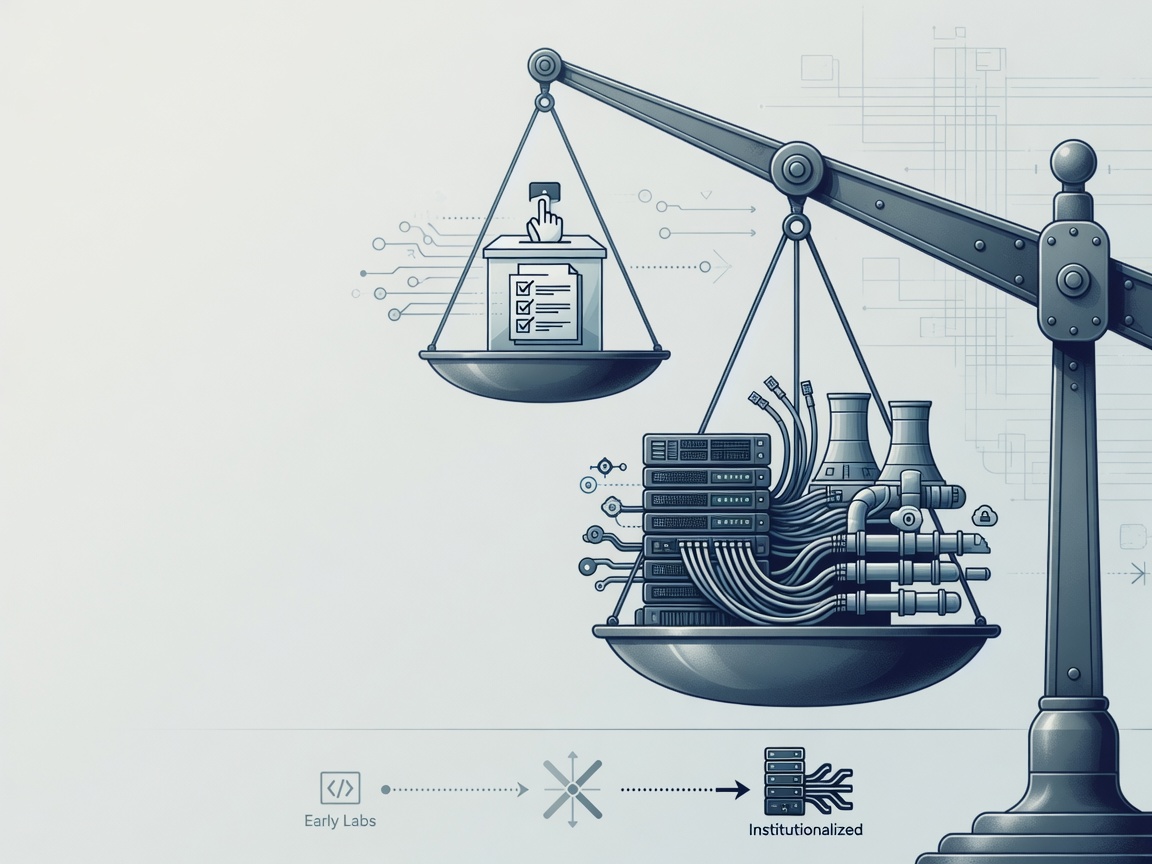
Unlike governments, which are constrained by elections, administrative law, and public accountability, corporations lack these democratic mechanisms. This is why frontier labs are emerging as a "new kind of institution under the sun." We are moving toward a model where private entities manage systems with public-scale influence but without the checks and balances required of public institutions. While high-risk capabilities—like those enabling biological weapons—might eventually necessitate stronger state intervention, the broader issue is the management of private entities that provide the foundation for cognitive work. We are essentially outsourcing the architecture of public life to private boardrooms.
The Erosion of Regulatory Boundaries
The real story here isn't just "AI power"—it’s the erosion of traditional regulatory boundaries. We are moving toward a reality where the most critical infrastructure for human cognition is owned by entities that are not accountable to the public in any traditional sense. We need to be skeptical of the idea that we can simply "regulate" our way out of this. If the technology is already woven into the fabric of government and industry as essential infrastructure, the leverage shifts toward the providers. In practice, we are trading democratic oversight for operational efficiency, creating a permanent tension between private corporate goals and public needs that our current legal frameworks aren't built to handle.
Got a question about how this applies to you? →
Keep reading
Follow the thread
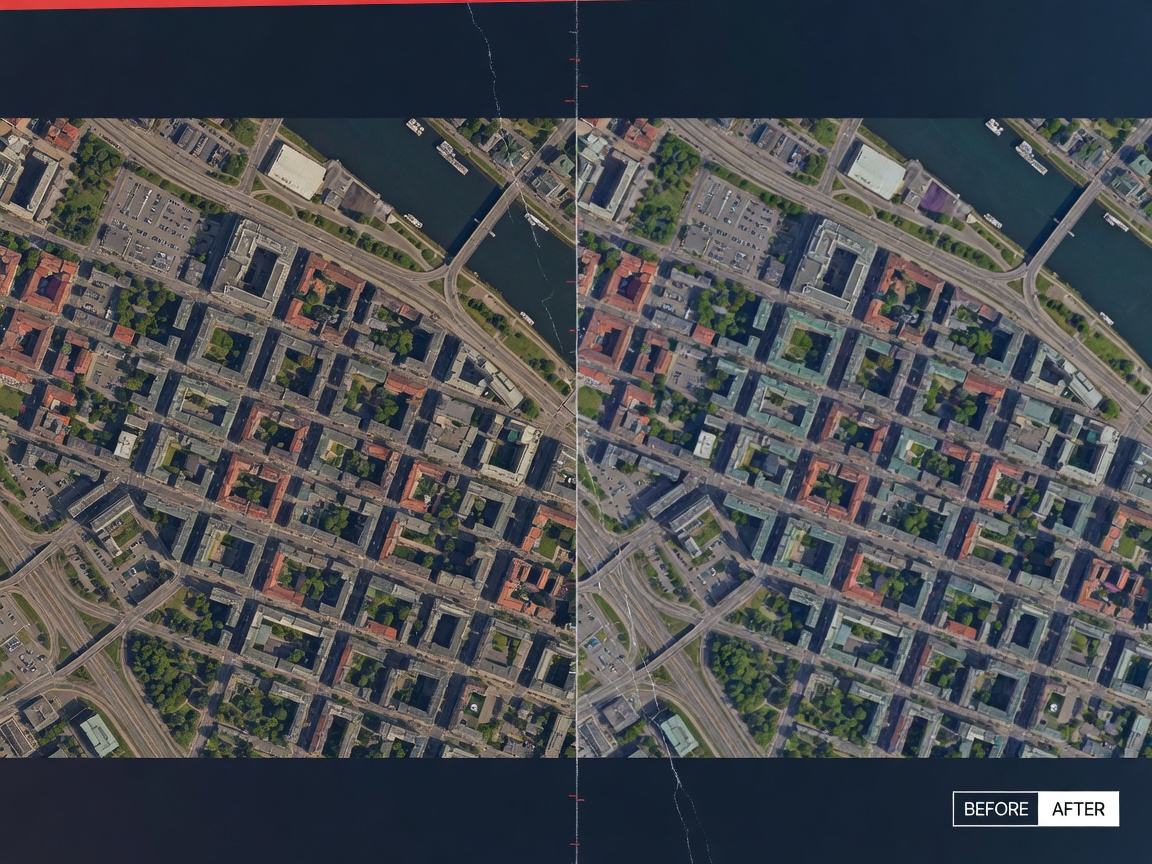
Google Earth’s Image Generation Rollback: A Lesson in Guardrail Debt
Google just pulled the plug on its image generation feature in Google Earth. The reason? Policy violations. Even though the generated images were watermarked as AI-generated and kept in a 'private' sandbox—meaning they w
Read this noteSame lane, different angle
From Sci-Fi to Standard: Building the Public Health Nervous System
Let’s be real: for a while, talking about AI in healthcare felt like watching a high-budget sci-fi movie—spectacular to look at, but you couldn't actually step inside the set. That's all about to change. The Coalition fo
Moving Past the AI Mythology: Engineering Social Collaboration
We need to stop treating "Artificial Intelligence" as a literal description of the technology and start treating it as a misleading label. For developers trying to integrate these models into production, the mythological