AI Accelerates Product Development Across Beauty and Food Industries
# AI Is Shortening Product Timelines in Beauty and Food Major consumer goods companies are leveraging artificial intelligence to tackle long-standing challenges in product development. From beauty ingredients to food fo
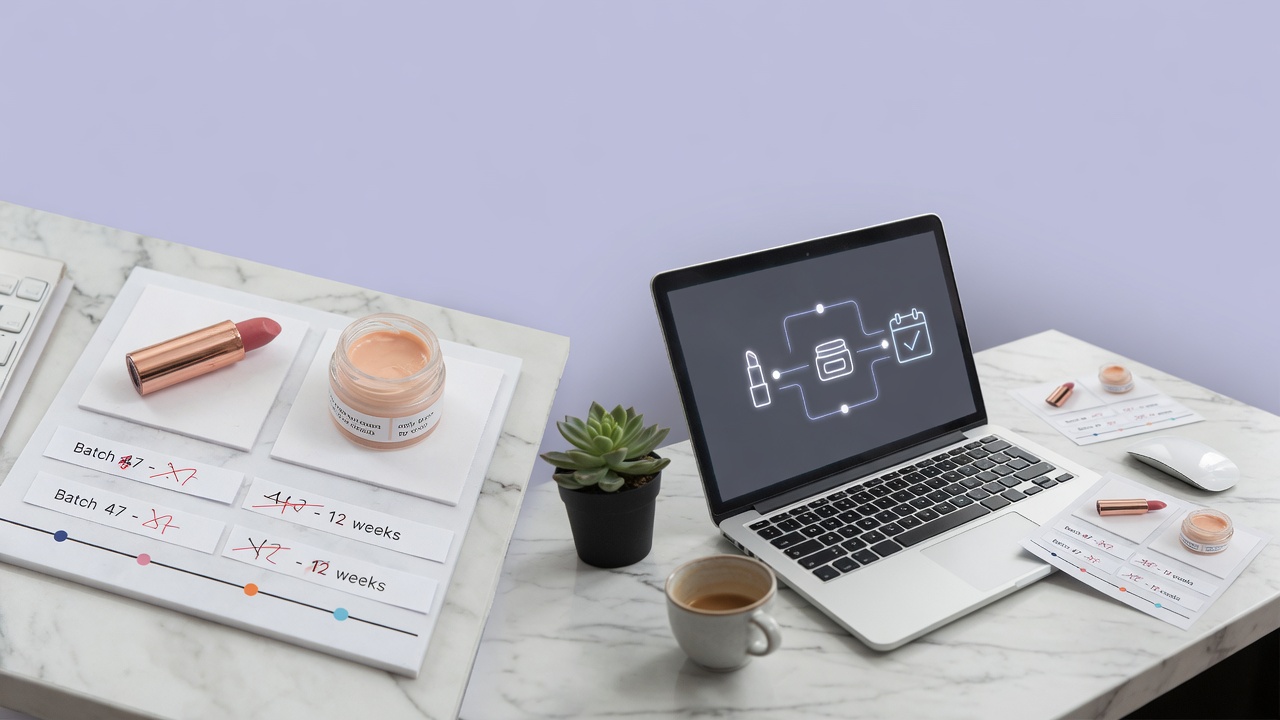
Automation needs a narrow first win
The best first AI workflow is usually a repeated task with a clear input, clear output, and a human approval step.
AI Is Shortening Product Timelines in Beauty and Food
Major consumer goods companies are leveraging artificial intelligence to tackle long-standing challenges in product development. From beauty ingredients to food formulations, the technology is enabling faster iteration, better optimization, and more sustainable outcomes.
L'Oreal has reported that AI helps simulate ingredient performance and narrow down formulation options before moving to lab testing. This allows product teams to test new combinations of molecules and assess their potential benefits more quickly.
Mondelez is employing similar strategies in the food sector. They use AI tools to generate recipe ideas and reduce the number of physical samples needed during product development. Additionally, AI helps Mondelez identify alternative recipe options when ingredients vary due to availability, price, or other requirements.
Nestle has set an ambitious target: removing artificial food colourings from all products worldwide by the end of 2026. To meet this goal, they plan to screen natural alternatives using AI. Nestle and IBM Research also developed a generative AI tool designed to identify high-barrier packaging materials in 2025.
Haleon announced a five-year collaboration with Microsoft covering consumer insights, product innovation, and supply chain operations. Barry Callebaut partnered with NotCo to use AI in chocolate recipe development, including plant-based ingredient alternatives.
The results speak for themselves. For Mondelez, the AI tool helps create and test recipe options more efficiently, reducing the number of samples typically generated during product innovation.
AI allows product teams to test new combinations of molecules and assess their potential benefits more quickly. The technology helps companies save time and resources while improving product quality.
As these companies demonstrate, AI is proving itself as a practical tool in consumer goods development. It's not about hype—it's about measurable improvements in speed, sustainability, and efficiency across multiple industry sectors.
Worth a look
Phugialy Picks

RK ROYAL KLUDGE R98 Pro Wired Mechanical Keyboard, 96% Creamy Gaming Keyboard RGB Backlit with Number Pad and Volume Knob, Gasket Mount, ...

ASUS TUF Gaming GeForce RTX 5070 12GB GDDR7 OC Edition Graphics Card

2024 Mac mini Desktop Computer with M4 chip, 10-core CPU and 10-core GPU
Some Phugialy Picks use affiliate links. If you buy through one, Phugialy may earn a commission. It doesn't change what we recommend. Full disclosure →
Got a question about how this applies to you? →
Keep reading
Follow the thread
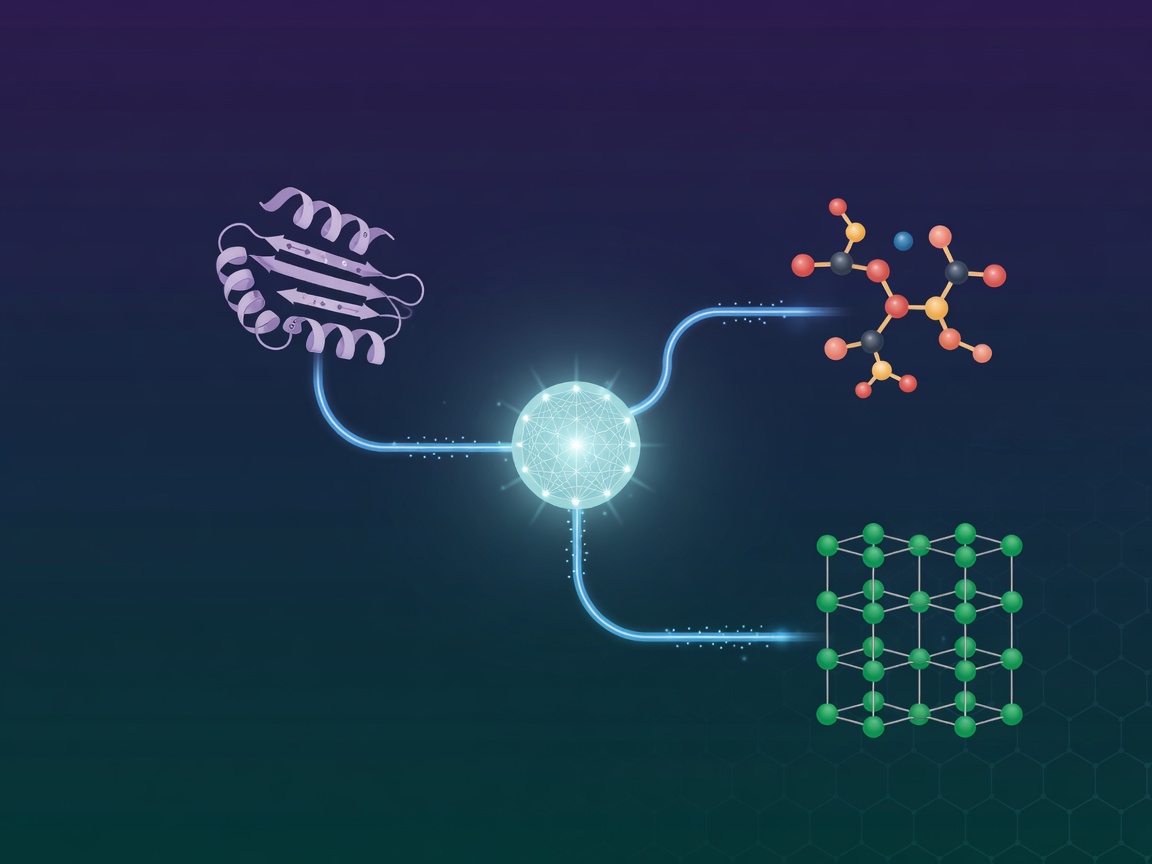
SciReasoner: One Model Reasons Across Proteins, Molecules, Crystals
Proteins, molecules, and crystals share almost nothing on the surface - different representations, different tools, different vocabularies entirely. What if one model could reason natively across all three? That's the pr
Read this noteSame lane, different angle
Testing Gemini 3.6 Flash for Counterfeit Cosmetics Detection
Gemini 3.6 Flash spotted fake Rhode lip tints from photos alone — typos, mismatched distributors, even a known counterfeit batch code (112505). It also mistook camera glare for a printing error, which tells you exactly how far this actually gets you.
Quantifying the AI Noise Floor: A Hacker News Tracker
The Days Since AI Tracker isn't just a fun widget; it’s a live pulse check on the Hacker News ecosystem. It monitors headlines in real-time, resetting a countdown every time a story featuring "AI" pops up. It’s a simple