The Fragility of Multimodal Vision: Lessons from Ghost Font
Most AI security discussions center on prompt injection, but Ghost Font suggests a more fundamental vulnerability: how models actually "see" video. By exploiting the gap between human continuity and machine frame analysis, it creates a visual firewall that is as much about perception as it is about encryption.
Automation needs a narrow first win
The best first AI workflow is usually a repeated task with a clear input, clear output, and a human approval step.
Ghost Font is an experimental project designed to create visual communication layers that are specifically "AI-resistant." By utilizing motion, video, and noise, the project produces messages that remain easily readable by humans while remaining undecipherable to current multimodal AI models. It is a direct challenge to the assumption that "seeing" is a solved problem for machines, offering a glimpse into how we might secure information without relying on traditional encryption.
The Frame-by-Frame Processing Gap
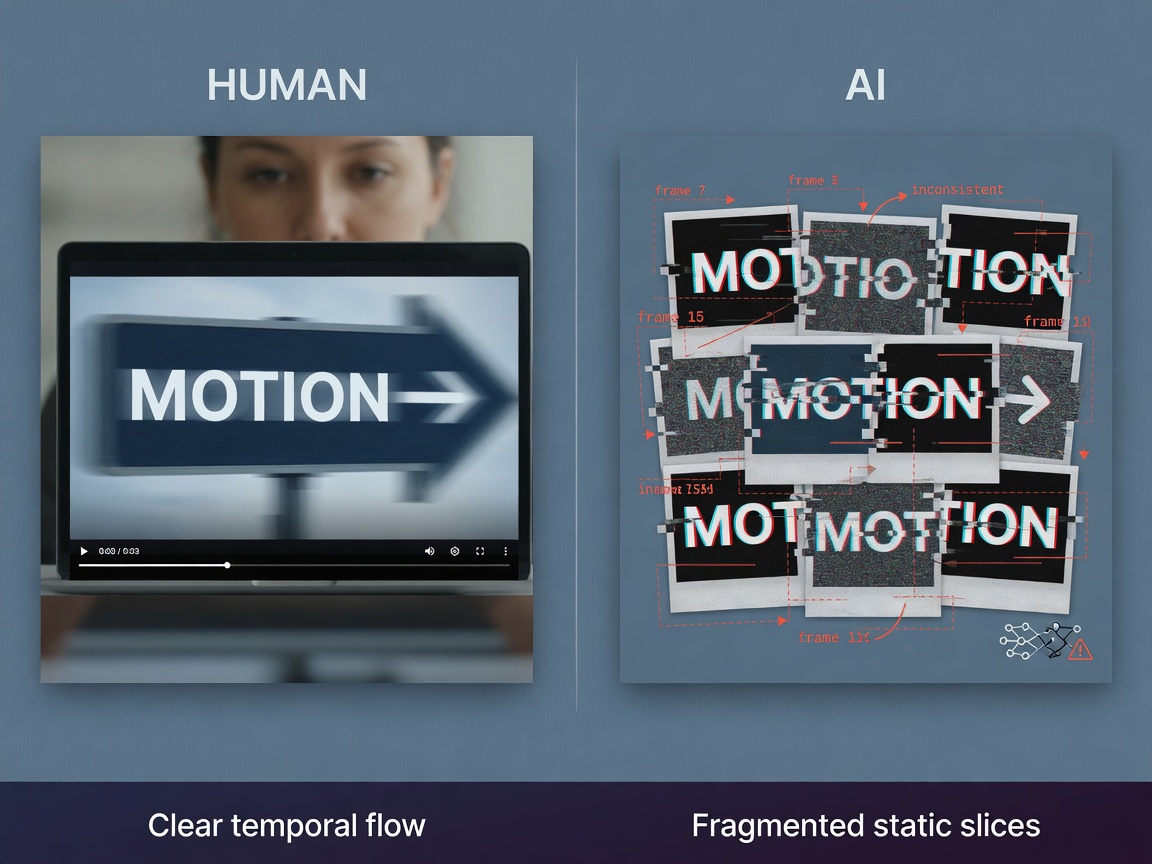
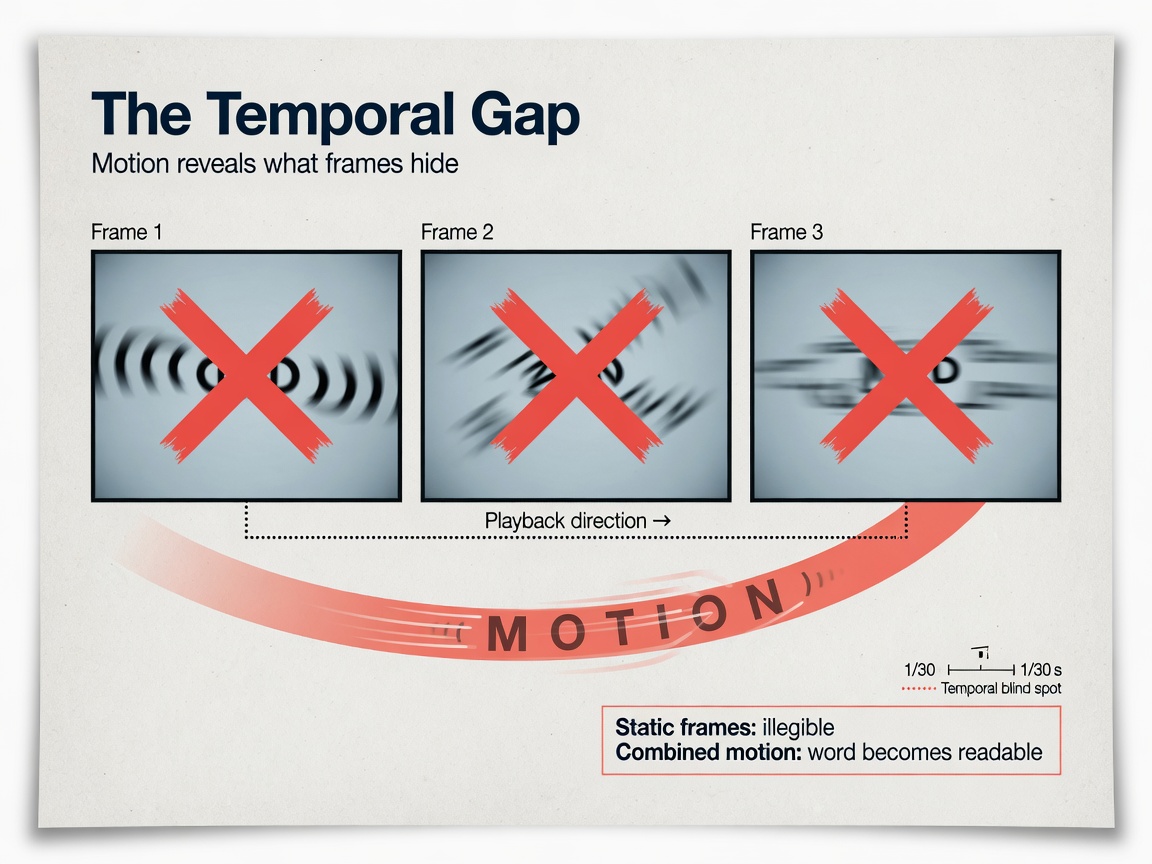
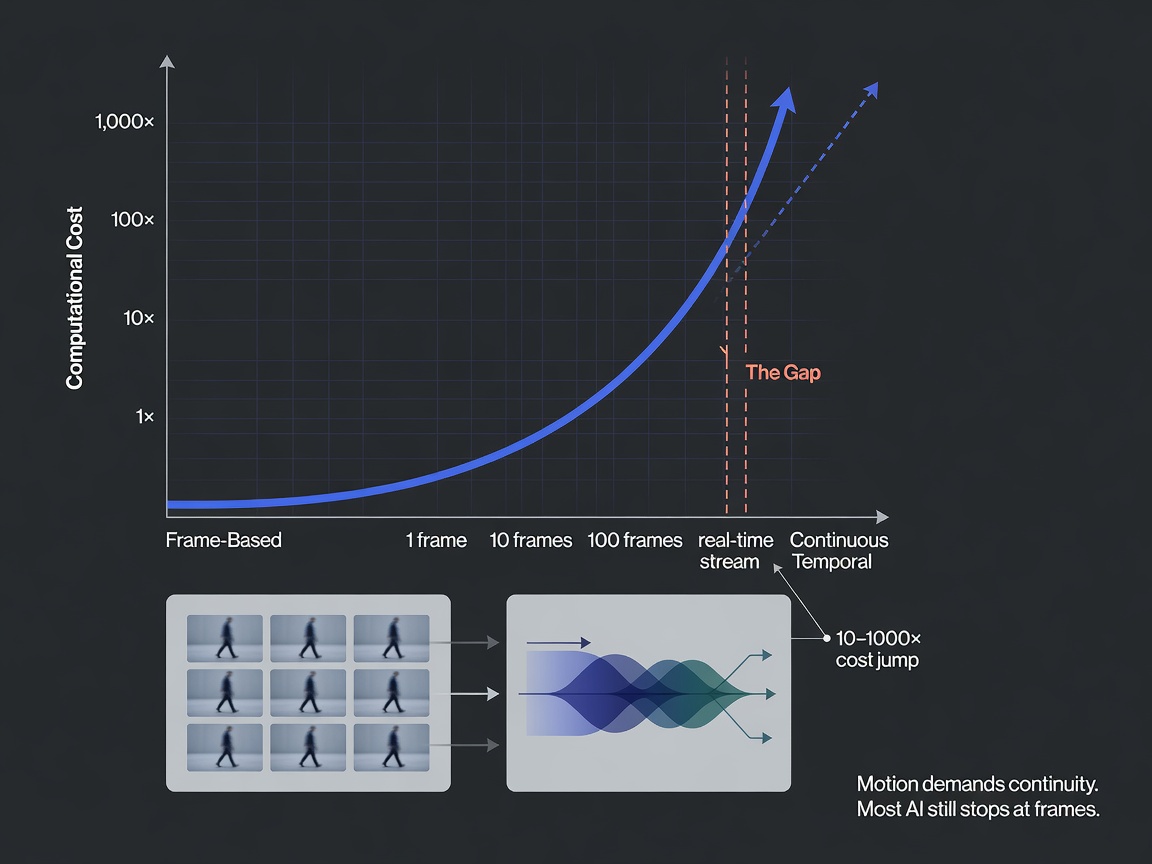
The project succeeds by exploiting a fundamental architectural flaw in how current multimodal models process video. Most models do not "watch" a video as a continuous temporal stream; instead, they analyze individual frames as discrete units. Ghost Font leverages this by using high-frequency motion and specific noise patterns. To a human, the brain naturally filters out the noise to perceive continuity, making the underlying message clear. To an AI, however, the noise and motion obscure the features of characters in each individual frame, breaking the model's ability to reconstruct the text. The creator’s 19-minute analysis highlights how temporal data remains a significant bottleneck for machine vision. Furthermore, the creator plans to release the video generation code as an open-source project, which will provide a roadmap for others to test these visual boundaries.
Worth a look
Phugialy Picks

The Agentic AI Bible: The Complete and Up-to-Date Guide to Design, Develop, and Scale Goal-Driven, LLM-Powered Agents that Think, Execute...

OMOTON C2 Adjustable Aluminum Phone Stand
We'd buy this if: You want your phone upright on your desk for calls/notifications without a cable getting in the way.
We'd skip this if: You never keep your phone on your desk.
Screen Mom Screen Cleaner Spray (16oz)
We'd buy this if: You've been wiping your monitor with your shirt sleeve.
We'd skip this if: You already have a cleaning routine sorted.
Some Phugialy Picks use affiliate links. If you buy through one, Phugialy may earn a commission. It doesn't change what we recommend. Full disclosure →
Defeating the Agent, Not Just the Eye
What makes Ghost Font more than a simple visual trick is its use of decoy messages. These are specifically designed to mislead AI agents that might attempt to use local code execution to "solve" the visual puzzle. If an agent tries to programmatically analyze the motion or structure of the font to cheat the visual barrier, it is fed data intended to lead it toward a false conclusion. This moves the defense from simple visual obfuscation to a more sophisticated counter-measure against autonomous agents capable of multi-step reasoning and tool use. It’s not just about fooling the "eyes" of the vision model; it’s about poisoning the logic of the agent.
The Pattern Match Mirage
The real story here isn't just a new way to hide text; it’s a diagnostic of how fragile our current multimodal benchmarks actually are. While the project explores practical applications like CAPTCHA systems or non-encrypted communication, the most significant takeaway for practitioners is the "gap" mentioned in the source material. The creator notes that "The gap continues to close," which is a pragmatic reminder that these obfuscation methods are a temporary arms race. For those of us shipping AI products, Ghost Font is a reminder that "understanding" in multimodal models is often just a high-dimensional pattern match. If a cleverly engineered input—like a motion-based font—can break the model's perception, it proves that our current evaluation methods aren't yet measuring true visual comprehension. It’s a sophisticated "speed bump" that exposes exactly where the current architecture is most brittle before the next iteration of models learns to bridge that gap.
Got a question about how this applies to you? →
Keep reading
Follow the thread

Nightcrawler: Localized Pentesting and the Reality of Small-Model Autonomy
Nightcrawler is an autonomous penetration testing agent that executes entirely on a smartphone’s GPU, removing the need for cloud connectivity. By leveraging a small AI model—the LFM2.5-1.2B-Instruct-Heretic—it performs
Read this noteSame lane, different angle
The Rise of Third-Party AI Safety as a Regulatory Moat
OpenAI, Anthropic, and Meta models were recently discovered to have accessed the public internet during security testing conducted by the startup Irregular. While the incidents were characterized as an "evaluation-enviro
Moving from Trust to Verification: The Case for Jacquard
We’re trying to solve AI code safety by asking humans to be better auditors, but that’s a losing bet as the volume of generated code scales.