The Case for Distributed AI: Zuckerberg’s Vision for Personal Superintelligence
Mark Zuckerberg is laying out a blueprint that flips the script on the AI "end game." While the industry is obsessed with who owns the biggest cluster of H100s, he’s arguing that the real win is in "personal superintelli
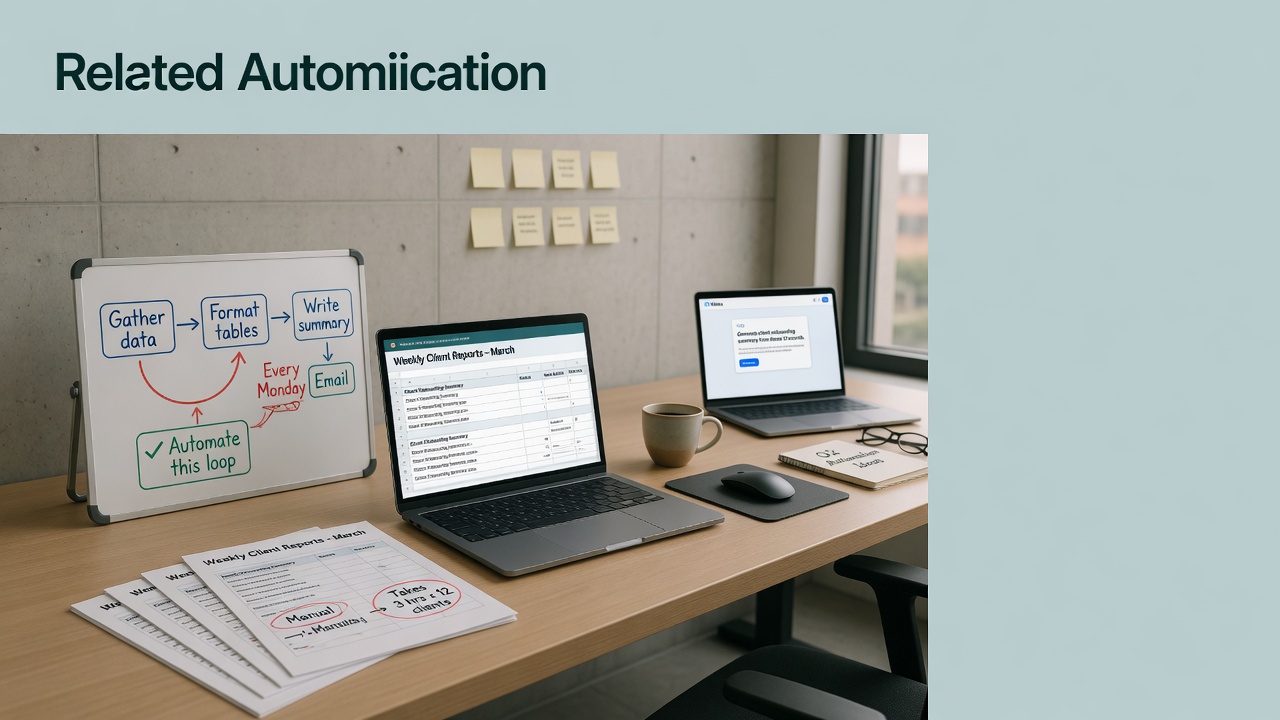
Automation needs a narrow first win
The best first AI workflow is usually a repeated task with a clear input, clear output, and a human approval step.
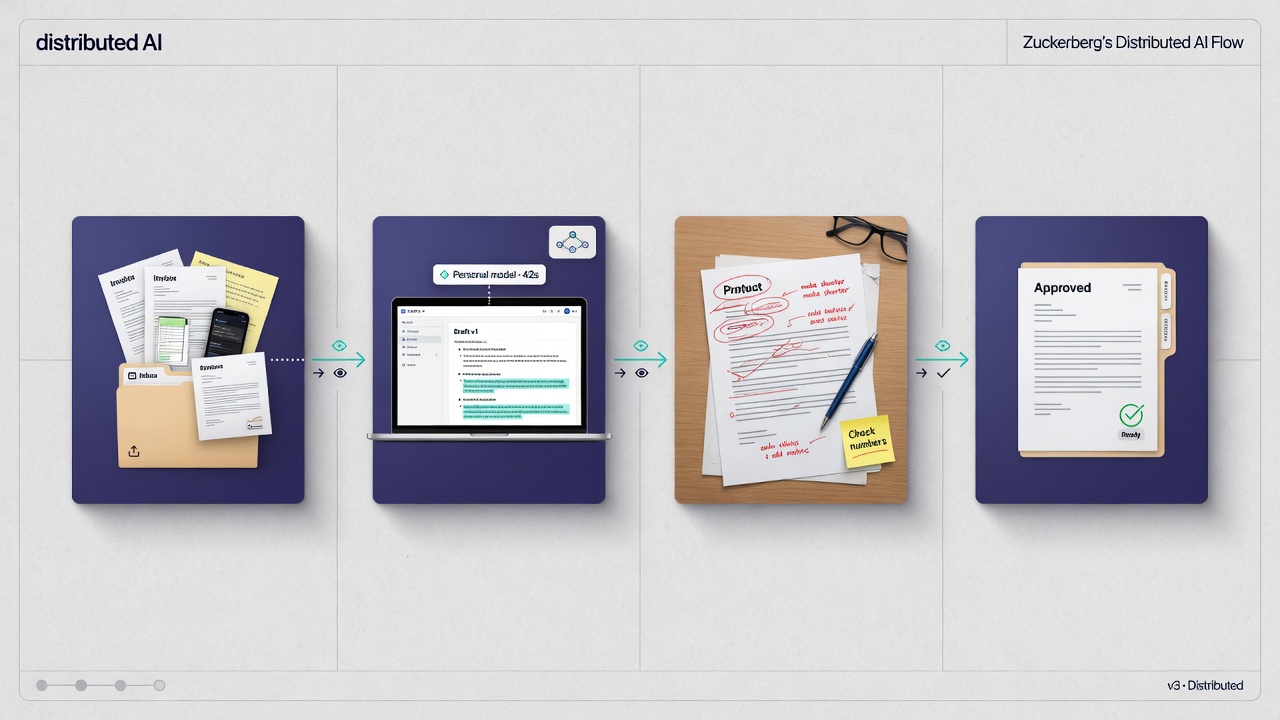
Mark Zuckerberg is laying out a blueprint that flips the script on the AI "end game." While the industry is obsessed with who owns the biggest cluster of H100s, he’s arguing that the real win is in "personal superintelligence"—distributed tools that put power in individual hands rather than locking it inside a few massive institutions.
The Blueprint for Distributed Power
Meta isn't just throwing out buzzwords; they’re grounding this vision in three specific principles: individual empowerment as the source of prosperity, invention as the primary purpose of superintelligence, and balance of power as the foundation of safety.
For those of us actually building in this space, this is a massive shift in target audience. The goal isn't just to build another enterprise-grade LLM for the Fortune 500. It’s about creating tools that allow a single founder or a three-person team to operate with the capabilities of a large organization. Zuckerberg’s argument is that wide distribution of AI actually creates more jobs by lowering the capital barrier for small businesses. If a local shop can use AI to handle logistics, marketing, and inventory as effectively as a national chain, that's a win for the economy.
He also makes a very pragmatic distinction on safety that builders need to pay attention to. He’s advocating for open-source access to mitigate cybersecurity risks—basically saying transparency is our best defense there. But when it comes to biological risks, he’s calling for government coordination. It’s a nuanced split: open for the hackers, regulated for the high-stakes bio-threats. It’s a direct pushback against the "doom" discourse that often defaults to "centralize everything" just because it feels safer in the short term.
Worth a look
Phugialy Picks

AI Engineering: Building Applications with Foundation Models
A practical guide to building real-world applications with foundation models and LLMs.

GMKtec K15 AI Mini PC Oculink Intel Ultra 5 125U 32GB DDR5 512GB SSD | Desktop Computer AI Boost, 3X M.2 2280 Storage Expansion, Dual NIC...

GEEKOM IT15 AI Mini PC, Intel Ultra 9 285H(99 Tops), 32GB DDR5, 1TB SSD | The Most Powerful Workstation,Arc 140T GPU,WiFi 7,8K Business D...
Some Phugialy Picks use affiliate links. If you buy through one, Phugialy may earn a commission. It doesn't change what we recommend. Full disclosure →
The Engineering Gap: From Capability to Reliability
The real story here isn't just the philosophy of personal superintelligence; it’s the transition from "capability" to "reliability."
Anyone can demo a model that writes a poem or summarizes a meeting. But if you’re building for a small business owner, you aren't dealing with perfectly curated datasets. You’re dealing with messy spreadsheets, inconsistent emails, and "tribal knowledge" that’s never been digitized. This is the "messy middle" of AI integration where the real work happens.
The real opportunity for builders right now isn't just in the frontier models; it’s in the middle layer of integration. The question isn't "Can a model do this task?" It's "Can it do this task reliably enough to be the backbone of a business without a human babysitting every single output?" Zuckerberg is pushing for the distribution of power, but our job is to close the gap between a high-performing demo and a tool that handles the non-standardized workflows of the real world. If we can solve for that reliability, we move from a philosophical goal to a practical economic shift.
Got a question about how this applies to you? →
Keep reading
Follow the thread
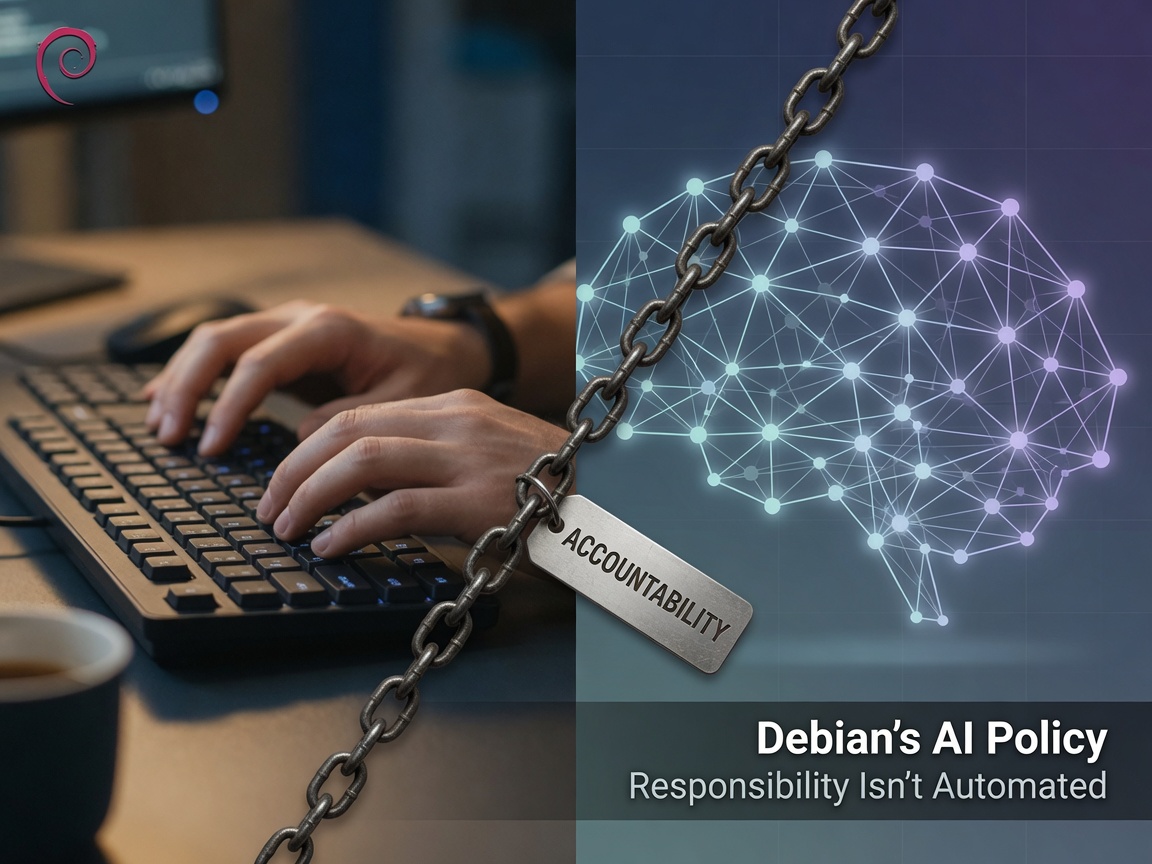
Debian’s AI Policy: Responsibility Isn't Automated
If you can't defend every line an LLM spat out, you have no business hitting 'merge'.
Read this noteSame lane, different angle
The Linux Kernel's AI Pivot: Technical Merit vs. The Verification Bottleneck
If we're strictly chasing technical excellence, what happens when the 'best' code is just the code that aligns with a corporate owner's hidden priorities?
OpenJDK’s AI Policy: Why Your Copilot Output is a One-Way Street
Oracle just dropped a reality check on how we use AI in the OpenJDK ecosystem. As the corporate sponsor, they’re drawing a hard line: you can use AI as a personal power tool, but you can't let it do the heavy lifting in