Why AI Images Are Killing the Authenticity of Personal Blogs
AI images might look great in a demo, but they might be eroding the very thing that makes personal blogs worth reading: authenticity. If you're trying to build a real connection with your audience, the shortcut of algorithmic art might be costing you more than you think.
Automation needs a narrow first win
The best first AI workflow is usually a repeated task with a clear input, clear output, and a human approval step.
When you’re building a personal blog, your primary product isn't just information—it’s your unique perspective. Every piece of content is a brick in the foundation of your personal brand. While the temptation to use AI-generated images is high because it feels like a productivity win, you have to ask yourself: is this shortcut actually eroding the very thing that makes people want to read your work? In a space where personal voice is the only thing that matters, the tools you use to represent that voice are just as critical as the words you type.
The Signal of Intent vs. Algorithmic Polish
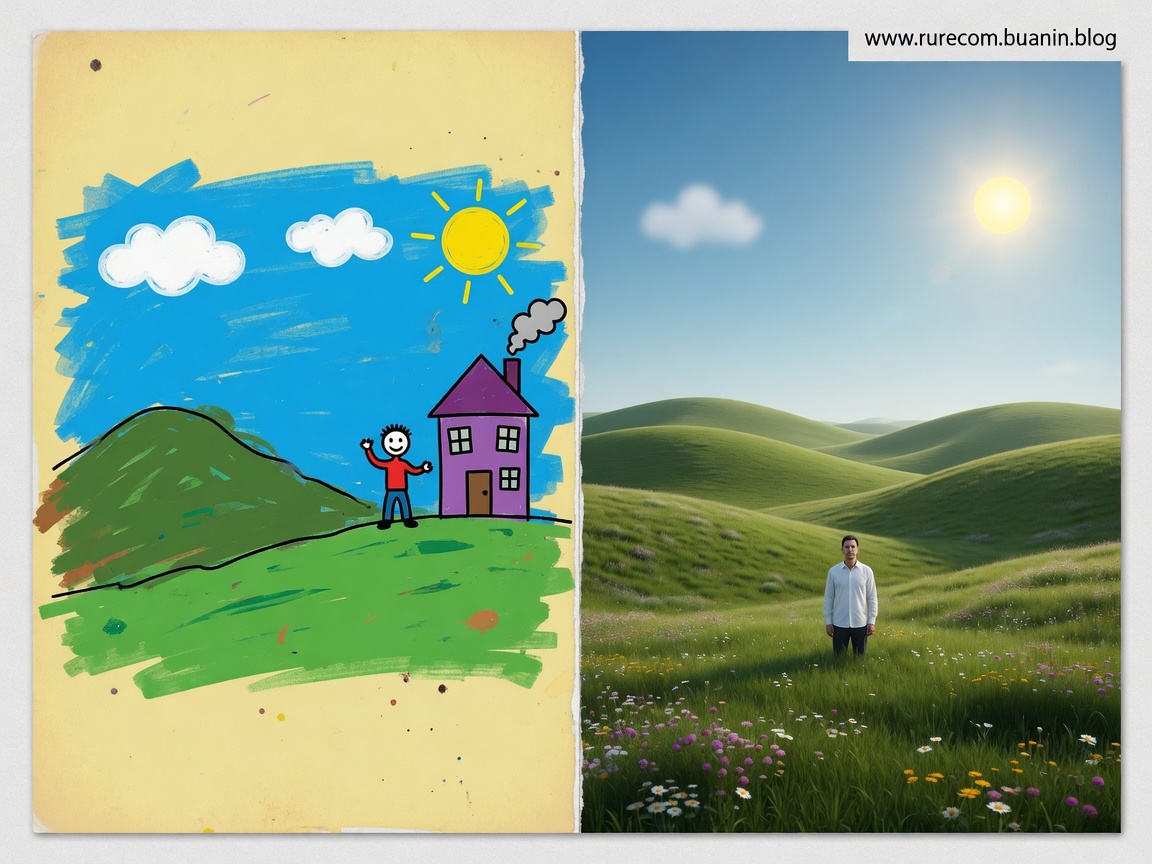
There is a massive difference between 'content' and 'connection.' The source material hits on a vital point: human-made content, even when it’s technically 'worse,' carries a weight that AI simply can't replicate. When you post a shitty Microsoft Paint drawing, you are sending a clear signal of intent. You are saying, 'I sat down, I had an idea, and I put my own hands on this.' It’s a proof of human presence.
When you swap that out for a polished, hyper-realistic AI visual, you’re outsourcing the 'vibe' of your thoughts to a black box. The result is often a sense of disappointment because the image doesn't actually represent your internal state; it just represents a prompt's average output. For an indie blogger, the goal isn't to have the most polished feed—it’s to have the most honest one.
Worth a look
Phugialy Picks

AI Engineering: Building Applications with Foundation Models
A practical guide to building real-world applications with foundation models and LLMs.

GMKtec K15 AI Mini PC Oculink Intel Ultra 5 125U 32GB DDR5 512GB SSD | Desktop Computer AI Boost, 3X M.2 2280 Storage Expansion, Dual NIC...

GEEKOM IT15 AI Mini PC, Intel Ultra 9 285H(99 Tops), 32GB DDR5, 1TB SSD | The Most Powerful Workstation,Arc 140T GPU,WiFi 7,8K Business D...
Some Phugialy Picks use affiliate links. If you buy through one, Phugialy may earn a commission. It doesn't change what we recommend. Full disclosure →
The Trust Tax of Generic Visuals
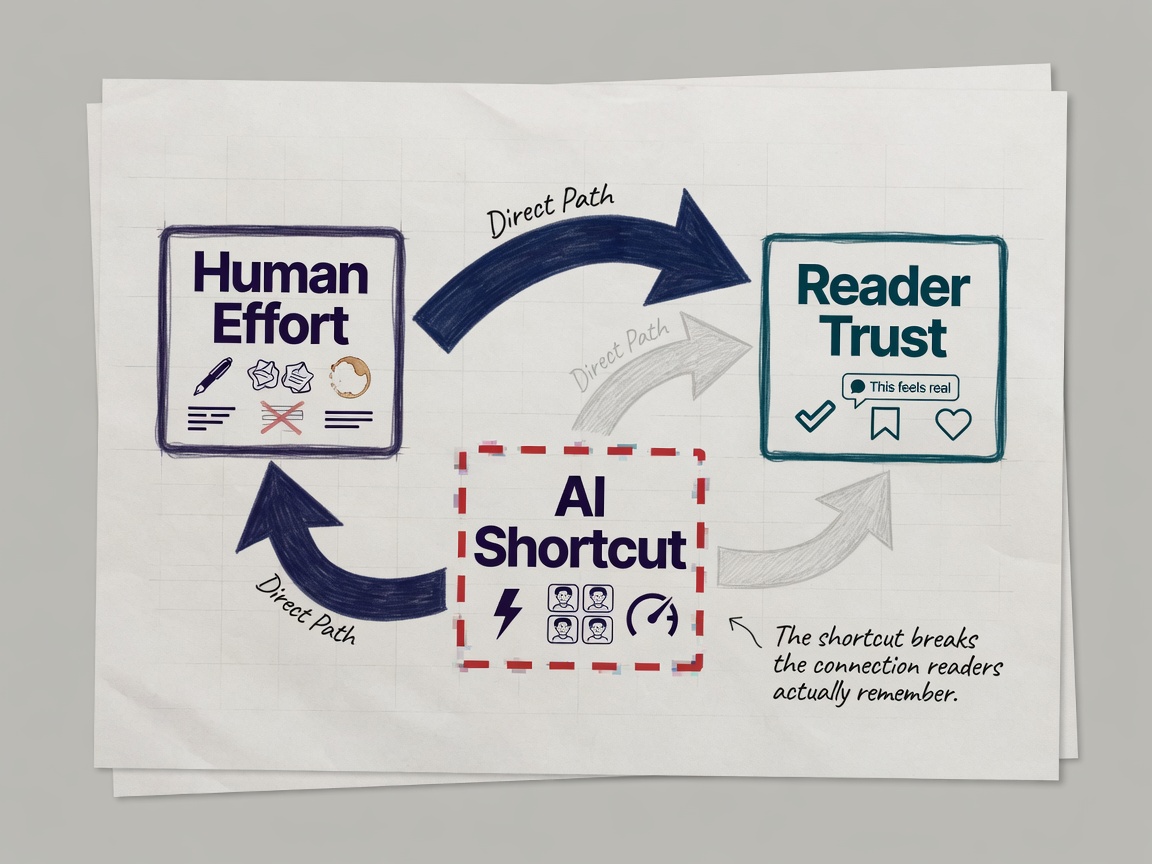
Personal blogs thrive on the fact that they aren't corporate content farms. They rely on a high signal-to-noise ratio. If a reader senses that the visual layer of your post is being generated by an automated system, it creates a 'trust tax.' They start to wonder if the prose itself is equally automated.
If every blog post on the internet starts looking like a high-fidelity, slightly uncanny AI fever dream, the unique signal of your personal voice gets buried in the noise of algorithmic perfection. Avoiding AI images isn't about being 'anti-tech'; it’s about protecting the integrity of your brand. You don't want your readers to feel like they're consuming a commodity; you want them to feel like they're hearing from a person.
Choosing Friction Over Convenience
The real question for creators isn't whether AI images look 'good enough'—they often do. The question is what happens when you prioritize that visual polish over the integrity of your personal brand. We have to decide where the 'human' part of human-centric content ends.
If your goal is to build a loyal following, the trade-off is clear: using AI images might save you ten minutes of searching for or making a graphic, but it costs you a piece of the reader's connection to your specific perspective. This is the missing piece for creators who want to scale without losing their identity. If the aesthetic becomes a generic commodity, your unique voice is all that's left to hold onto—and even that feels thinner when it's surrounded by machine-generated artifacts. Choose the friction of human creation over the convenience of the machine.
Got a question about how this applies to you? →
Keep reading
Follow the thread
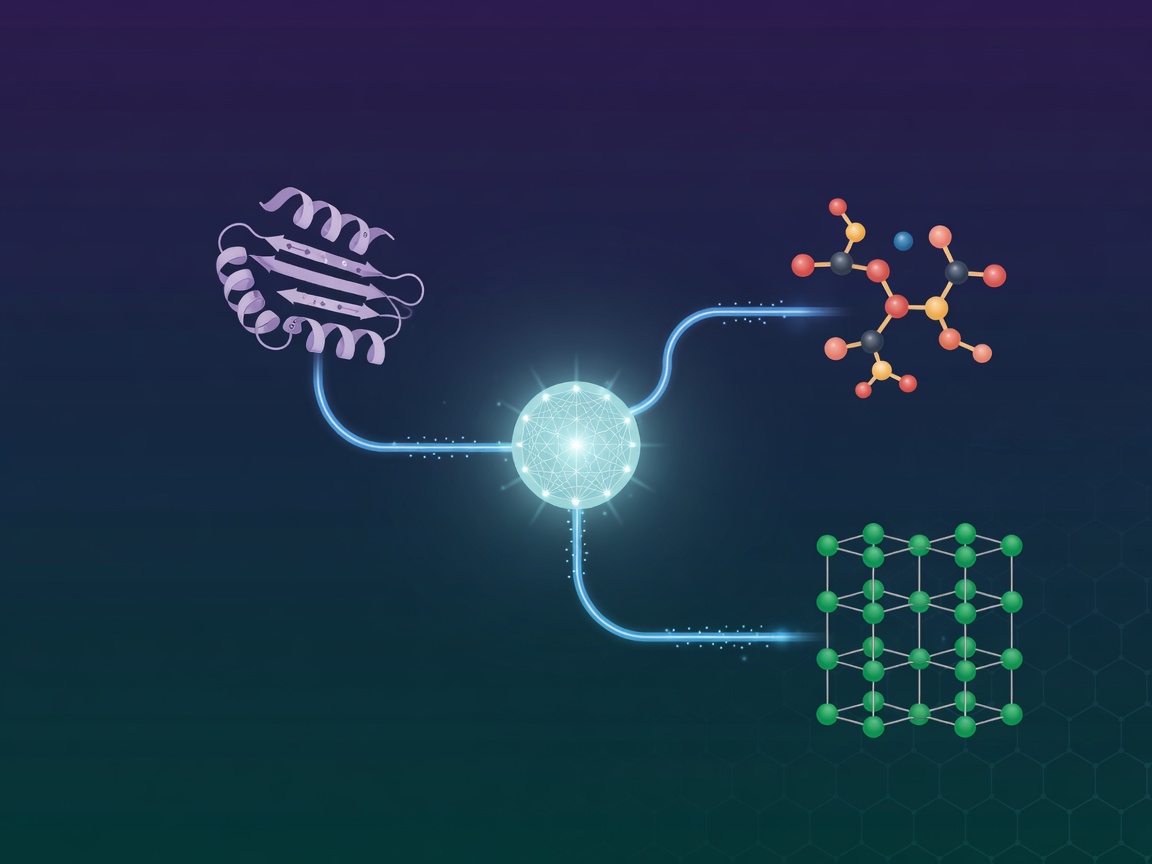
SciReasoner: One Model Reasons Across Proteins, Molecules, Crystals
Proteins, molecules, and crystals share almost nothing on the surface - different representations, different tools, different vocabularies entirely. What if one model could reason natively across all three? That's the pr
Read this noteSame lane, different angle
Testing Gemini 3.6 Flash for Counterfeit Cosmetics Detection
Gemini 3.6 Flash spotted fake Rhode lip tints from photos alone — typos, mismatched distributors, even a known counterfeit batch code (112505). It also mistook camera glare for a printing error, which tells you exactly how far this actually gets you.
Quantifying the AI Noise Floor: A Hacker News Tracker
The Days Since AI Tracker isn't just a fun widget; it’s a live pulse check on the Hacker News ecosystem. It monitors headlines in real-time, resetting a countdown every time a story featuring "AI" pops up. It’s a simple