Why AI Isn't Closing the Engineering Productivity Gap
AI isn't a magic button for shipping software faster because the hardest part of engineering isn't writing the syntax—it's figuring out what to write in the first place. While the demos show instant code generation, the
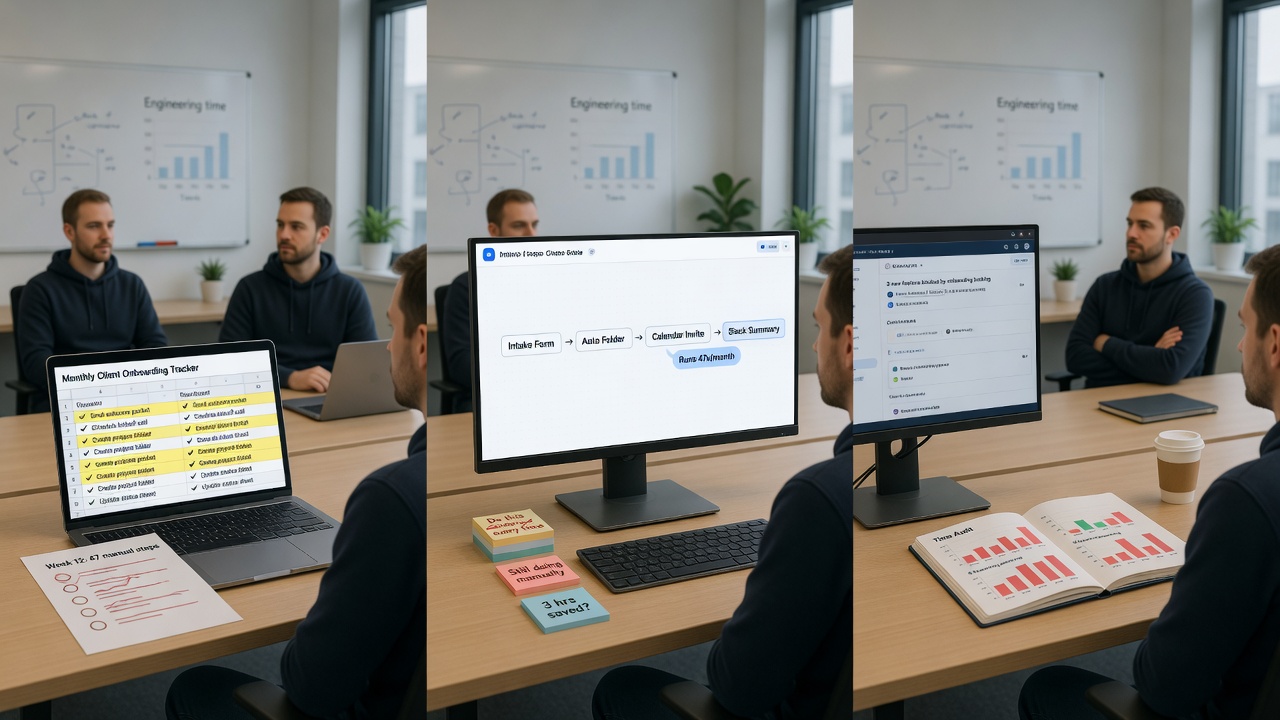
Automation needs a narrow first win
The best first AI workflow is usually a repeated task with a clear input, clear output, and a human approval step.
AI isn't a magic button for shipping software faster because the hardest part of engineering isn't writing the syntax—it's figuring out what to write in the first place. While the demos show instant code generation, the reality of production environments means that reasoning about systems and breaking down requirements remain the primary bottlenecks. We’re seeing a clear divide in how these tools actually land in different roles.
The Disparity Between Coding and Reasoning
The data reveals a massive split in productivity gains. Junior developers are seeing a higher percentage of gains because they spend more time on the "how"—the coding tasks AI handles efficiently. For these roles, the boost is significant, with some seeing gains of 25% or even working 3x faster on specific tasks. But for senior engineers, the "3x faster" narrative often falls apart when applied to complex system architecture.
For a senior engineer, the day is spent navigating legacy constraints, aligning stakeholders, and ensuring data integrity across distributed services. A tool that generates a perfect function in isolation doesn't move the needle as much as it does for someone tasked with writing a standalone script. The core complexity of software engineering—understanding the "why" and the "where"—remains a human-centric hurdle that current AI hasn't simplified.
Worth a look
Phugialy Picks

AI Engineering: Building Applications with Foundation Models
A practical guide to building real-world applications with foundation models and LLMs.

GMKtec K15 AI Mini PC Oculink Intel Ultra 5 125U 32GB DDR5 512GB SSD | Desktop Computer AI Boost, 3X M.2 2280 Storage Expansion, Dual NIC...

GEEKOM IT15 AI Mini PC, Intel Ultra 9 285H(99 Tops), 32GB DDR5, 1TB SSD | The Most Powerful Workstation,Arc 140T GPU,WiFi 7,8K Business D...
Some Phugialy Picks use affiliate links. If you buy through one, Phugialy may earn a commission. It doesn't change what we recommend. Full disclosure →
The Documentation and Requirement Trap
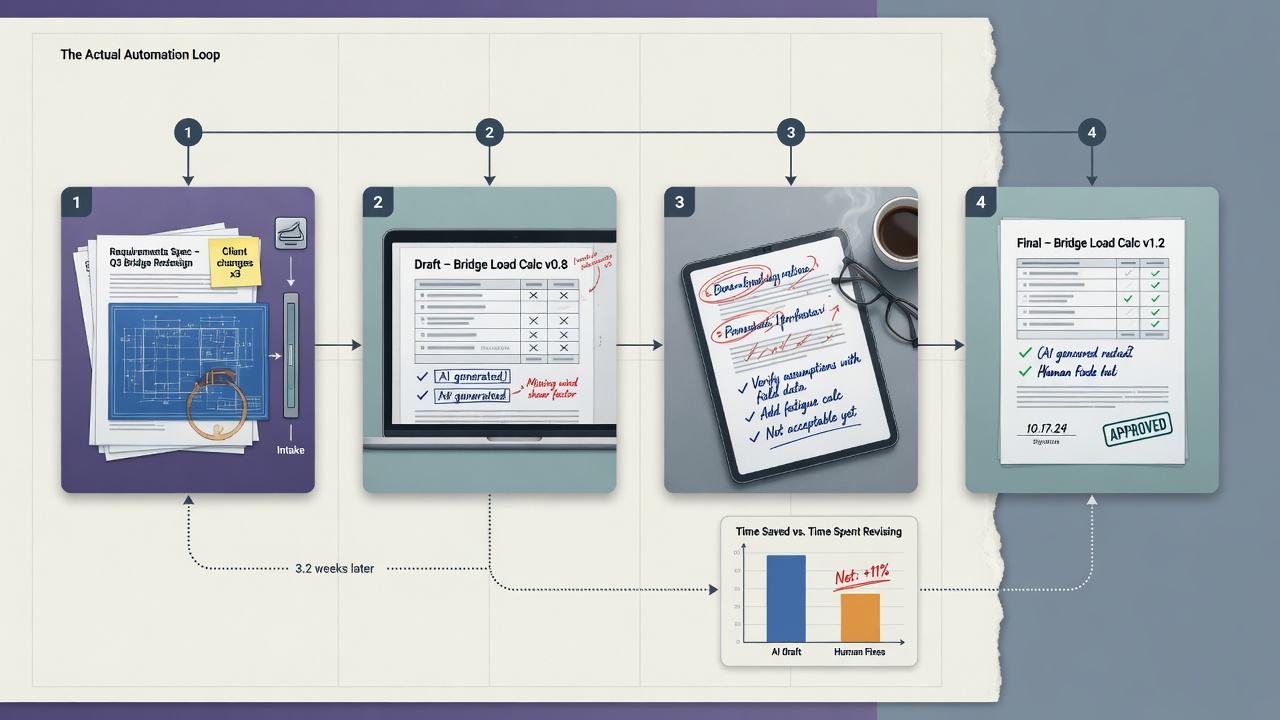
Here’s a friction point that kills my flow: AI-generated documentation can actually be harder to distill because it often provides excessive detail. In a production environment, you don't need a 50-page manual for a microservice; you need to know the failure modes and integration points. When AI generates a wall of text, the human engineer still has to do the heavy lifting of filtering out the noise to find the signal.
This creates "distillation debt." If you're using AI to save time but spending an extra hour pruning that documentation to make it actually useful for your team, your net gain is zero. We are essentially trading one type of manual labor for another.
The Real Story Is the Reasoning Gap
The real story here is that we are moving toward a world where "being a good coder" is essentially table stakes. The value shift isn't just about who can prompt the best; it's about who can manage the complexity of the system the AI is helping to build. The interesting question isn't whether the AI can write the code, but what happens when you have to integrate that code into a messy, high-scale production environment where requirements are never as clean as a prompt.
This is the missing piece for teams trying to scale: the bottleneck is moving upstream. If your team isn't seeing dramatic gains, it’s likely because the "reasoning" phase—breaking down requirements and understanding system dependencies—is still 100% manual. The tool is great for the "how," but we are still stuck doing the "what" and the "why" on our own.
Got a question about how this applies to you? →
Keep reading
Follow the thread
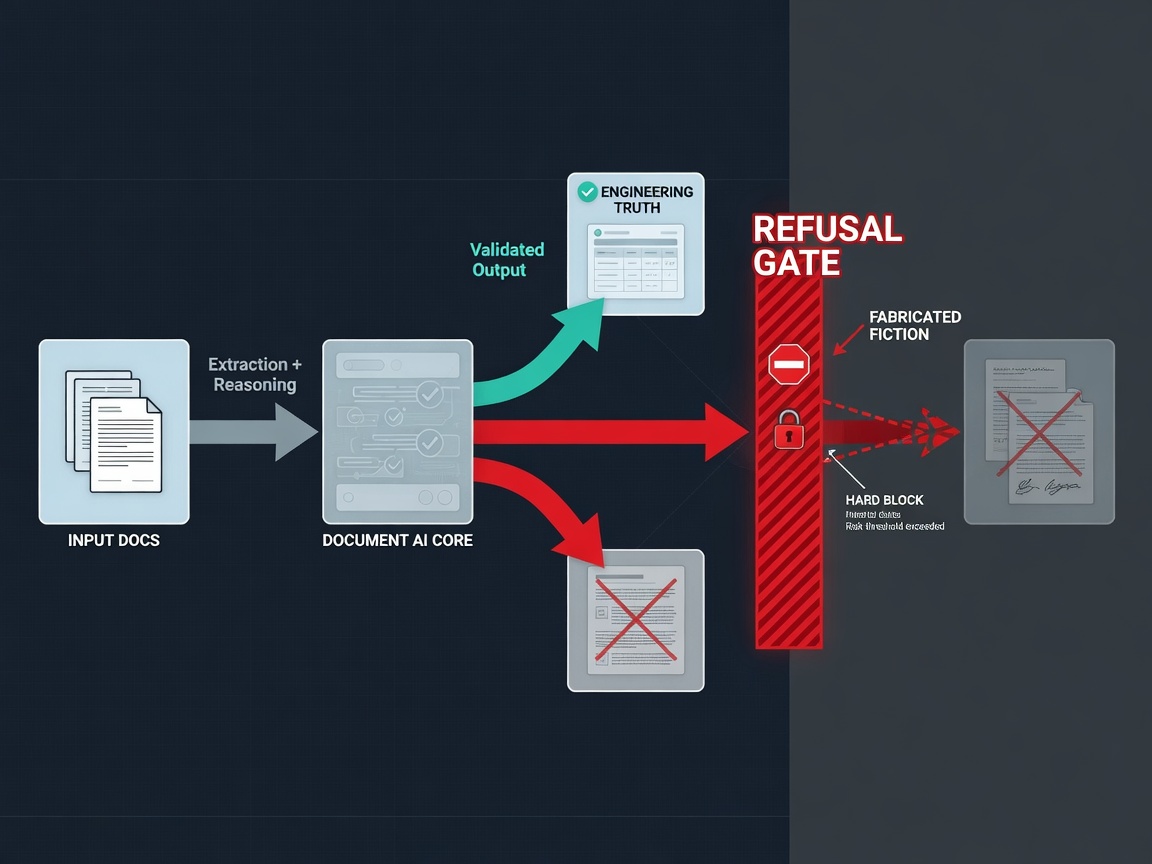
Engineering Truth in High-Stakes Document AI
If your AI can't say 'no,' it’s not a tool—it’s a liability generator for your legal team.
Read this noteSame lane, different angle
The Great Leveling: Why AI is a Productivity Power-Up for Newcomers
Imagine a world where the most daunting part of starting a new career—the mountain of routine research, the tedious drafting, and the repetitive data sorting—is handled by a digital partner before you even sit down. This
The Production Risk of Offloading Reasoning to Deep Research Tools
Deep Research tools from Google and OpenAI are fundamentally shifting the unit economics of information gathering. We’re moving from a world where complex research took days to one where it happens in minutes. For develo