The Abstraction Gap: Why AI is a Technical Debt Trap
AI is great at distilling data, but it's failing as a software development tool. The reason isn't the code quality—it's a fundamental lack of abstraction in our current engineering practices.

Automation needs a narrow first win
The best first AI workflow is usually a repeated task with a clear input, clear output, and a human approval step.
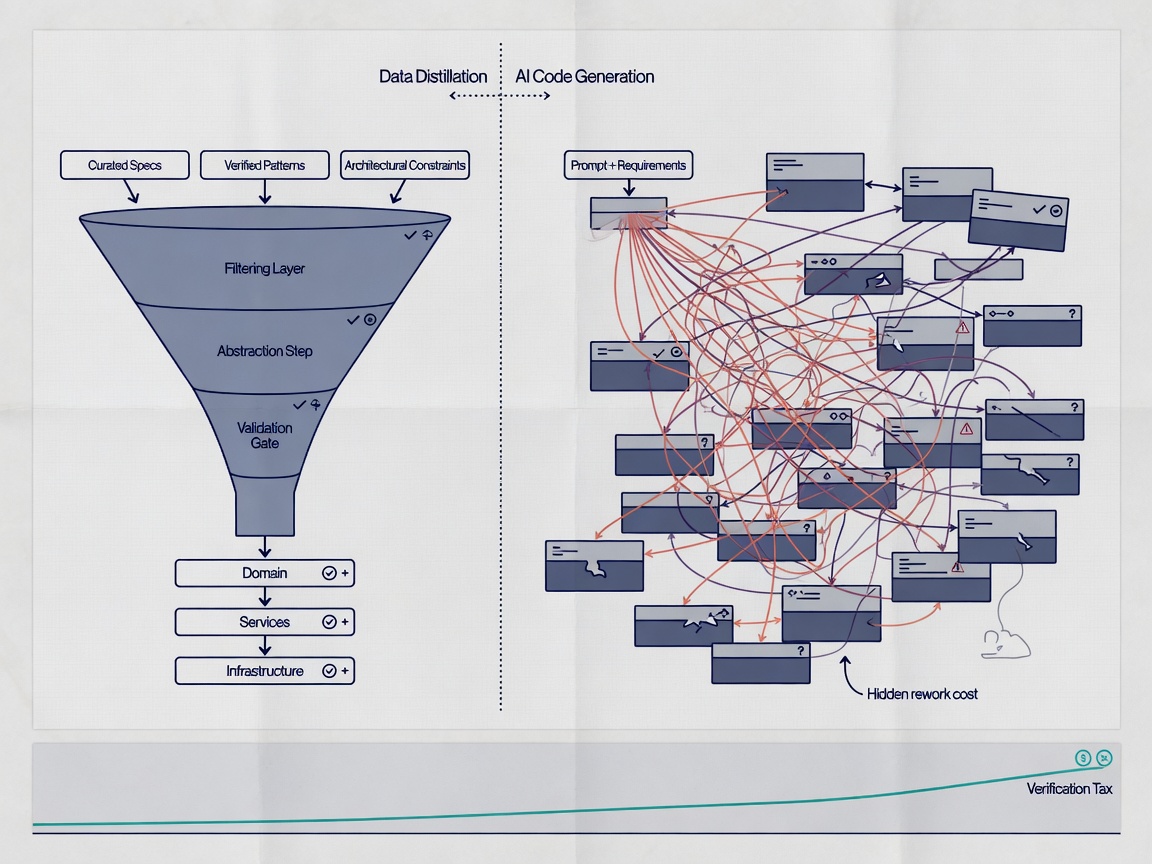
AI is currently being sold as the ultimate shortcut for software engineering. But if you’re actually shipping production code, you know the reality is a lot messier. While AI is a beast at distilling data—condensing massive search results or summarizing logs into something usable—it’s failing fundamentally as a tool for building complex systems. The problem isn't just 'bad code.' It's a fundamental failure of abstraction and a massive leap in opacity.
The Verification Bottleneck
When you pull AI-generated code into a repo, the work doesn't end at the "generate" button. In fact, that’s where the real work begins. Because these models are black boxes with unstable patterns, "prompt engineering" feels less like a reliable engineering discipline and more like a game of chance. It’s a machine-realized form of "trust me bro."
In a production environment, this is a massive liability. If you have to spend more time auditing a block of AI code for security flaws or logical correctness than it would have taken to write it from scratch, the tool has failed its primary purpose. It hasn't increased your velocity; it’s just moved the bottleneck from "writing" to "verifying." We’re trading the effort of creation for the high-stakes anxiety of debugging a black box.
Worth a look
Phugialy Picks

LG 38WN75C-B Monitor 38" 21:9 Curved UltraWide QHD+ (3840 x 1600) IPS Display, HDR 10, sRGB 99% Color Gamut, Tilt/Height Adjustable Stand...

Stanley Quencher H2.0 Tumbler 30oz
We'd buy this if: You want a large, well-reviewed insulated tumbler and don't mind it having nothing to do with AI.
We'd skip this if: You'd rather every Pick on this site stay strictly on-topic.
livho Blue Light Blocking Computer Glasses
We'd buy this if: You spend most of your day staring at a screen and haven't tried blue light glasses yet.
We'd skip this if: You already wear prescription glasses with a blue light coating, or don't notice eye strain.
Some Phugialy Picks use affiliate links. If you buy through one, Phugialy may earn a commission. It doesn't change what we recommend. Full disclosure →
How AI Exposes Our Architecture Failures
Here’s the part that should make every senior dev uncomfortable: AI’s ability to churn out functional, trivial code actually exposes how poorly abstracted our current software stacks are. If a model can generate a working solution just by mimicking existing patterns, it means the solution itself isn't well-abstracted. It’s just a pattern-match.
This becomes a nightmare for testing. AI-written tests are notorious for biasing toward existing implementations rather than following independent specifications. Instead of validating what the system should do, the AI just mirrors what the code already does. You end up in a feedback loop where you’re merely confirming your own existing mistakes at 10x speed. It’s not a safety net; it’s a mirror of our own technical debt.
The Real Story: Solving the Abstraction Problem
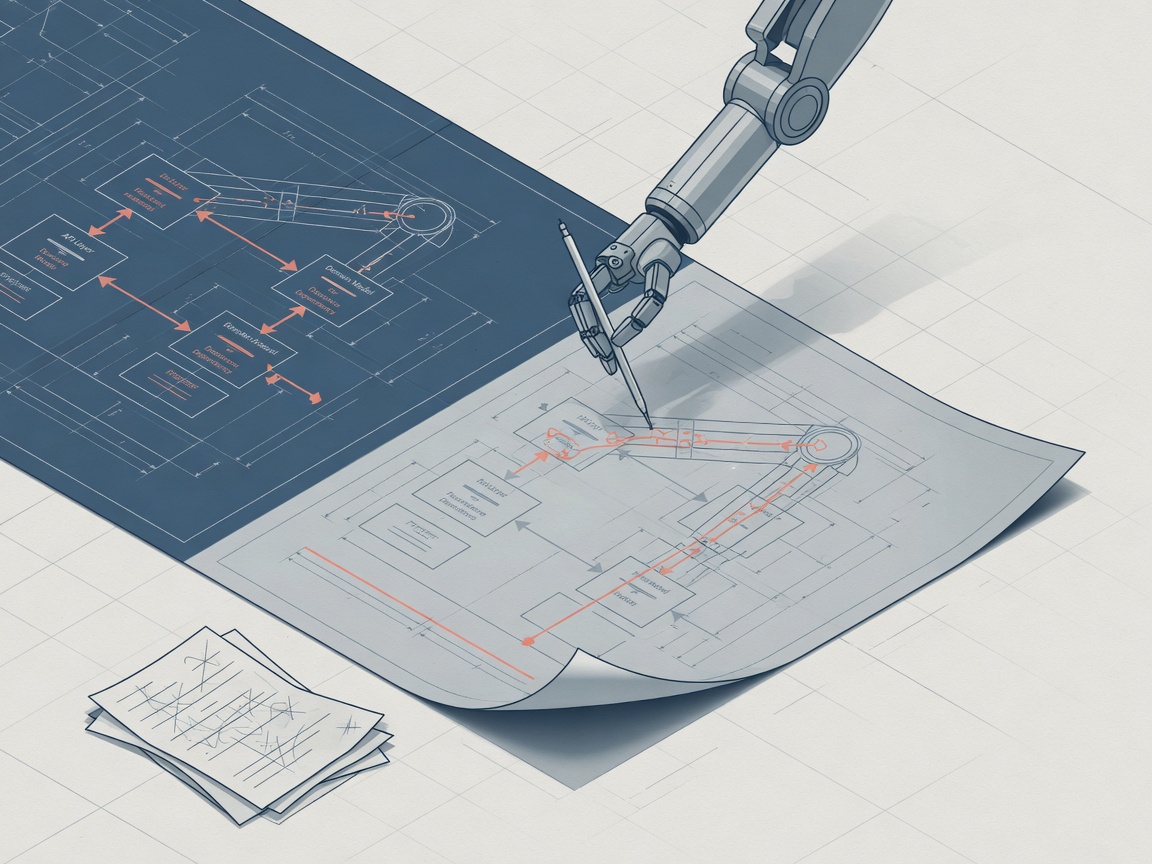
The real story here is that we’re using AI to mask a lack of deep architectural understanding. AI is a fantastic "data distiller"—use it to find that obscure API call or summarize a stack trace. But it is not a substitute for architectural thinking.
If we keep using it to fill in the blanks of our codebase, we aren't just automating tasks; we are automating the production of unabstracted, opaque code. The way forward isn't finding a "better" prompt or a more "capable" model. It’s about doubling down on deep understanding and proper abstraction. If we don't solve the abstraction problem, we aren't building faster; we’re just building mountains of technical debt at the speed of light.
Got a question about how this applies to you? →
Keep reading
Follow the thread
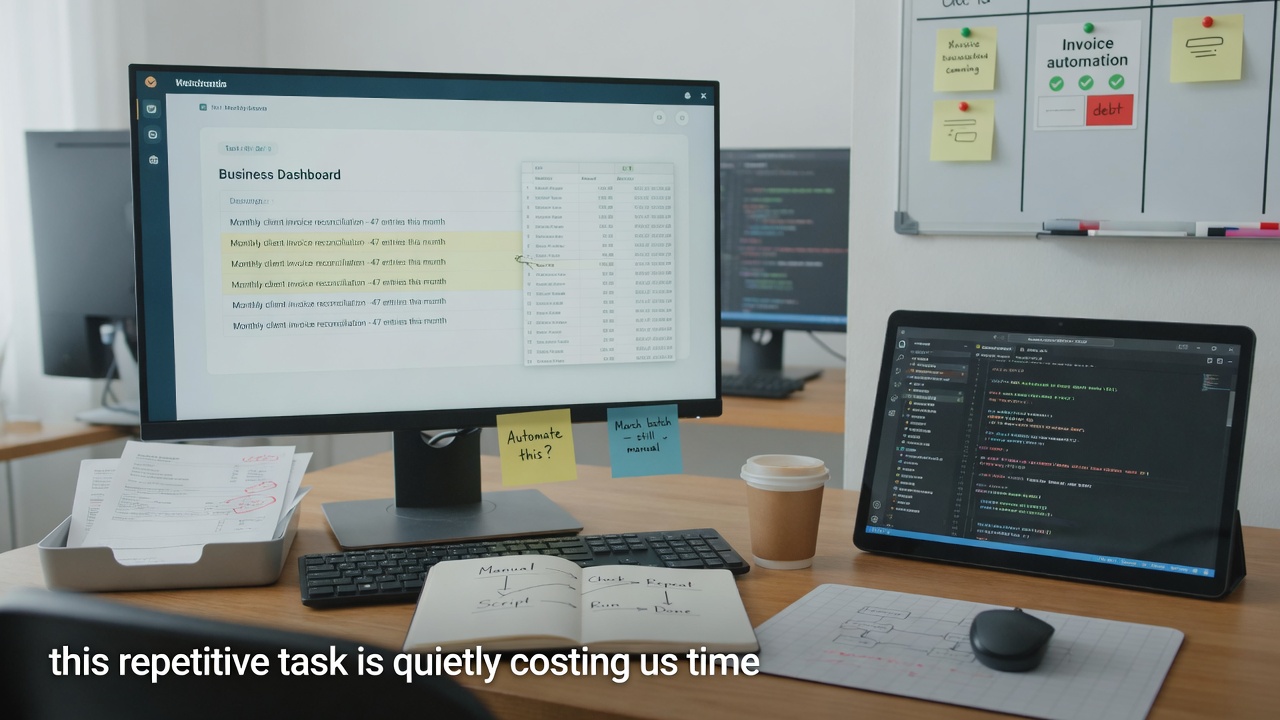
The Maintenance Debt of AI-Generated Code
The Linux distribution Debian is currently voting on whether to ban AI-assisted contributions. This isn't a Luddite reaction to new technology; it’s a response to a fundamental shift in the economics of open-source maint
Read this noteSame lane, different angle
The Professional Cost of AI Slop in Engineering
Let’s call it what it is: AI-generated "slop" isn't a side effect of modern dev work anymore—it’s the baseline. From PR descriptions and unit tests to entire roadmaps and marketing copy, AI is saturating every layer of t
AI Tutors Work Only If Students Use Them: Trial
A two-year trial across 18 middle schools found Khan Academy's AI tutor raised math scores modestly - but here's the catch: the gains looked just like those from practice without any AI at all. The real story isn't whether AI tutoring works; it's that 96% of students tried it and almost none used it when they actually needed help.