Building a Data Pipeline for Preventive Health: Neko Health’s $700M Play
Neko Health just secured a massive $700 million Series C to take their AI-driven preventive screening service into the US. They aren't just building another app; they’re building a high-throughput medical imaging and dia
Automation needs a narrow first win
The best first AI workflow is usually a repeated task with a clear input, clear output, and a human approval step.
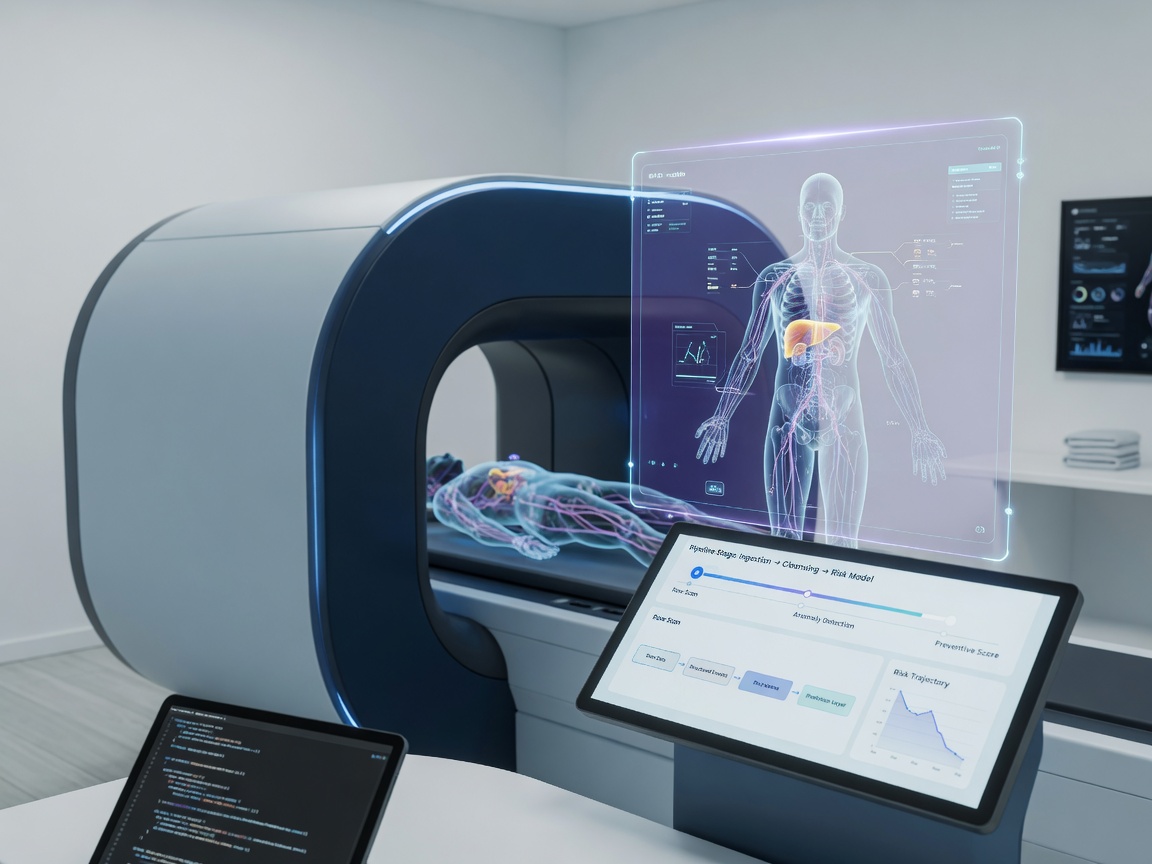
Neko Health just secured a massive $700 million Series C to take their AI-driven preventive screening service into the US. They aren't just building another app; they’re building a high-throughput medical imaging and diagnostic pipeline. The goal? A 60-minute, non-invasive health assessment that combines blood tests, proprietary sensors, and over 2,000 high-resolution images to flag conditions like skin cancer and cardiovascular disease early.
Engineering the Hardware-Software Handshake
For any builder looking at this stack, the hardware roadmap is where the real complexity lives. Neko Health recently rolled out updated Derma, Echo, and Spectrum devices, with the Derma-2 and Spectrum-2 hitting FDA clearance in May 2026. The engineering challenge here isn't just "taking a better picture"—it's about automating the capture process at scale. When you're moving toward 100,000 scans, you can't have clinicians manually overseeing every single image capture. You need high-throughput pipelines that can ingest thousands of data points per patient without creating a bottleneck. The hardware has to be smart enough to handle the heavy lifting so the human clinicians can focus on high-value interpretation.
Worth a look
Phugialy Picks

AI Engineering: Building Applications with Foundation Models
A practical guide to building real-world applications with foundation models and LLMs.

GMKtec K15 AI Mini PC Oculink Intel Ultra 5 125U 32GB DDR5 512GB SSD | Desktop Computer AI Boost, 3X M.2 2280 Storage Expansion, Dual NIC...

GEEKOM IT15 AI Mini PC, Intel Ultra 9 285H(99 Tops), 32GB DDR5, 1TB SSD | The Most Powerful Workstation,Arc 140T GPU,WiFi 7,8K Business D...
Some Phugialy Picks use affiliate links. If you buy through one, Phugialy may earn a commission. It doesn't change what we recommend. Full disclosure →
Solving the Multimodal Data Normalization Problem
Then there’s the data ingestion layer. Neko uses an AI dictation system to summarize clinical data—everything from medical records and questionnaires to actual conversation snippets and scan results. This is a classic "messy data" problem. You’re trying to normalize disparate inputs: unstructured audio/text, structured blood chemistry, and high-dimensional image metadata. If the AI summarization doesn't maintain the nuance of the patient-clinician interaction while still being structured enough for a quick review, it becomes a liability. For the engineers behind this, the win is creating a "single source of truth" that actually makes sense to a doctor in under 60 seconds.
Avoiding the "Sophisticated Data Graveyard"
The real story is this: generating 2,000 images in an hour is an impressive feat of engineering, but it doesn't inherently save lives. The risk for high-data-density tools is that they become incredibly sophisticated at collection but fail at action. Currently, Neko’s public materials don't show a comparative study on whether this combined approach actually improves clinical outcomes or cost-effectiveness compared to existing pathways. As builders, we know that a pipeline is only as good as its output. If this tech doesn't lead to faster, cheaper, or more accurate interventions than the current status quo, it’s just a very expensive way to generate a lot of noise. The next milestone isn't just more funding; it's proving that this data actually moves the needle on patient health.
Got a question about how this applies to you? →
Keep reading
Follow the thread
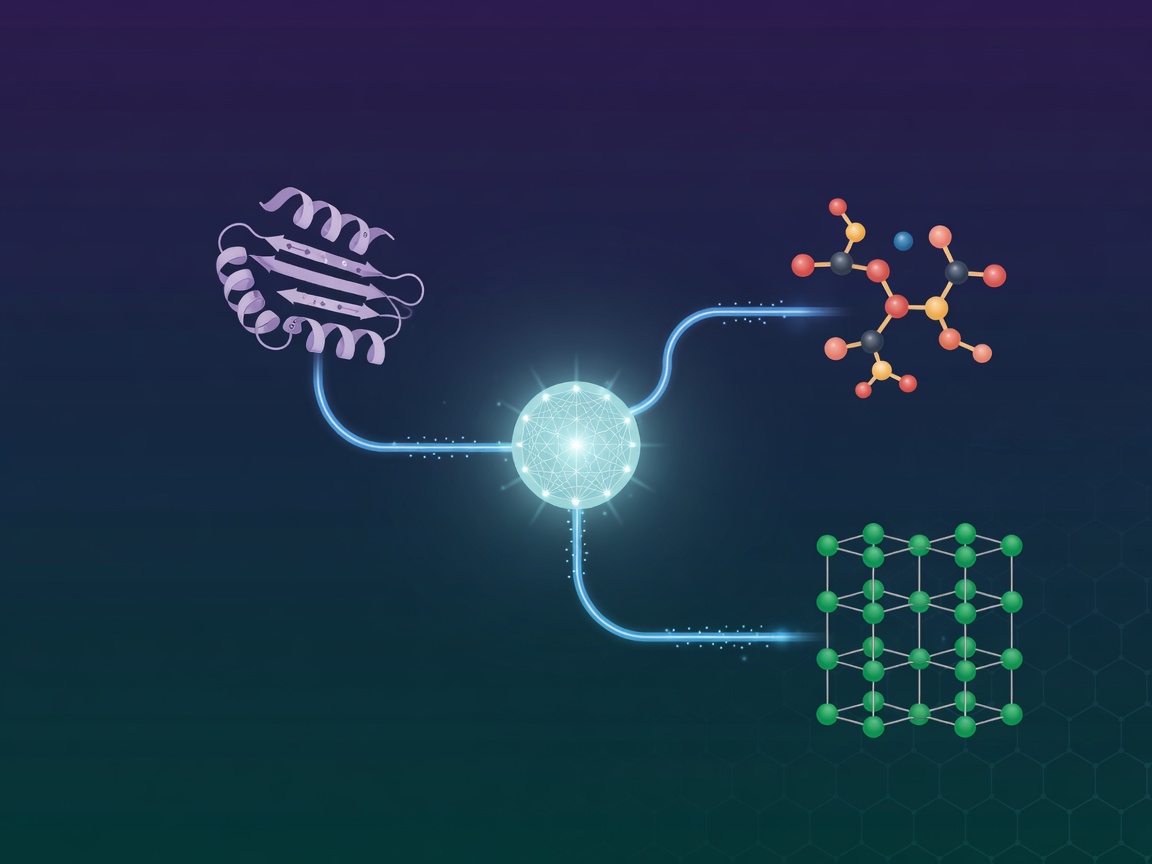
SciReasoner: One Model Reasons Across Proteins, Molecules, Crystals
Proteins, molecules, and crystals share almost nothing on the surface - different representations, different tools, different vocabularies entirely. What if one model could reason natively across all three? That's the pr
Read this noteSame lane, different angle
Testing Gemini 3.6 Flash for Counterfeit Cosmetics Detection
Gemini 3.6 Flash spotted fake Rhode lip tints from photos alone — typos, mismatched distributors, even a known counterfeit batch code (112505). It also mistook camera glare for a printing error, which tells you exactly how far this actually gets you.
Quantifying the AI Noise Floor: A Hacker News Tracker
The Days Since AI Tracker isn't just a fun widget; it’s a live pulse check on the Hacker News ecosystem. It monitors headlines in real-time, resetting a countdown every time a story featuring "AI" pops up. It’s a simple