The Technical Debt of Unconsented Training Data
For anyone building in the AI space, the line between 'human-made' and 'machine-output' isn't just a philosophical debate—it’s becoming a massive trust and scalability problem. We recently saw a creator with a 20-year ha
Automation needs a narrow first win
The best first AI workflow is usually a repeated task with a clear input, clear output, and a human approval step.
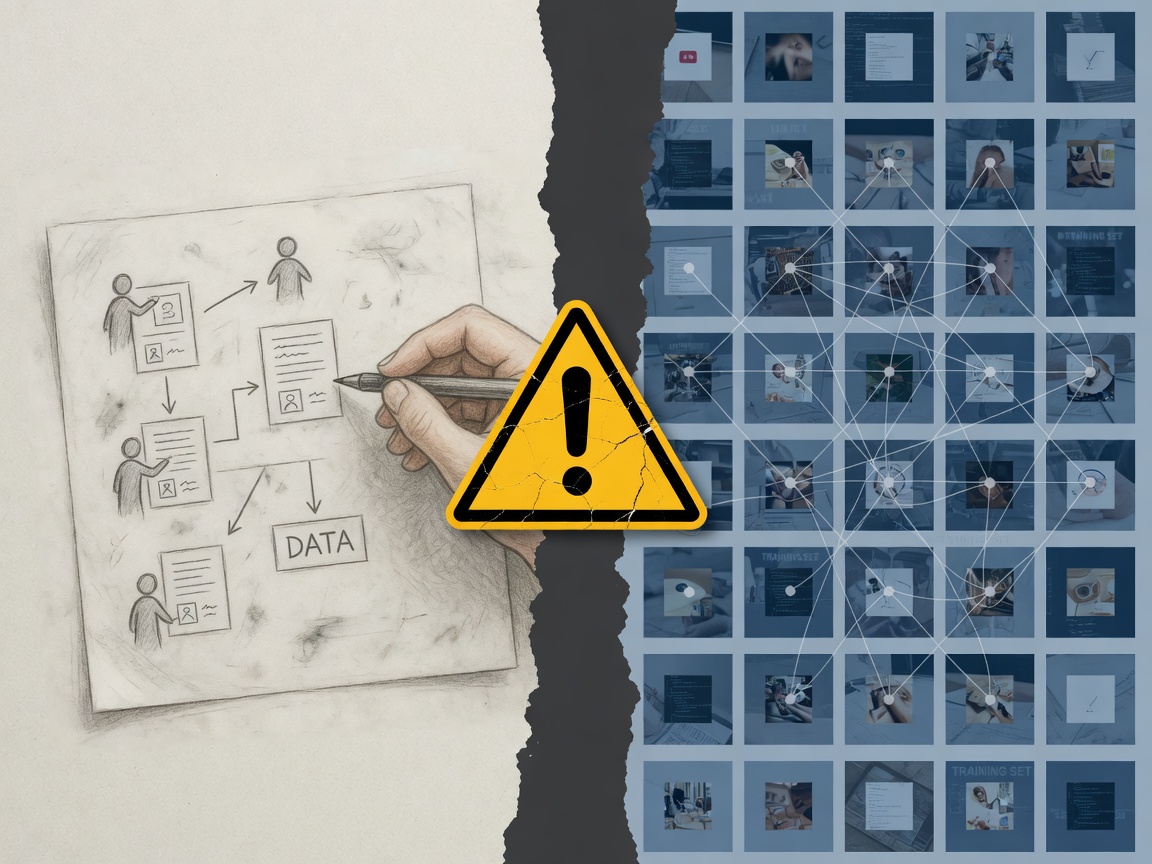
For anyone building in the AI space, the line between 'human-made' and 'machine-output' isn't just a philosophical debate—it’s becoming a massive trust and scalability problem. We recently saw a creator with a 20-year hand-drawn portfolio get accused of using AI, while their work was simultaneously being scraped to train those very models without their permission. It’s a perfect example of the friction between human craft and automated ingestion.
The Trust Gap in Public Portfolios
When an artist spends two decades honing a manual craft, that history is their proof of work. But in the current ecosystem, high-quality digital art is often treated as a default 'free' pool for training. The fact that manual techniques are being flagged as AI-generated by observers shows a huge disconnect in how we perceive the creative process. From a technical standpoint, this is a red flag: if an observer can't tell the difference between a human and a model, the only thing left to verify is the provenance of the original work. If we lose that, we lose the ability to value the source.
Worth a look
Phugialy Picks

The Agentic AI Bible: The Complete and Up-to-Date Guide to Design, Develop, and Scale Goal-Driven, LLM-Powered Agents that Think, Execute...

2084 and the AI Revolution, Updated and Expanded Edition: How Artificial Intelligence Informs Our Future

waveshare Hailo-8 M.2 AI Accelerator Module, Compatible with Raspberry Pi 5, Supports Linux/Windows Systems, Based On The 26TOPS Hailo-8 AI Processor, Module Only
Some Phugialy Picks use affiliate links. If you buy through one, Phugialy may earn a commission. It doesn't change what we recommend. Full disclosure →
Data Provenance as a Scalability Bottleneck
The real headache for developers is the 'dirty' data. This artist’s work was used for training without consent, which creates a massive amount of legal and social debt that doesn't show up in a clean API doc. If you're trying to build 'ethical' AI, you can't ignore the messy reality of how the model was fed. Every unconsented scrape is a ticking time bomb of liability. We see this across the board—a model might work perfectly today, but if its foundation is contested, it’s not production-grade.
Engineering a Framework for Clean Inputs
The real story here isn't just about one artist's feelings; it's about the missing infrastructure for data attribution. We need a robust, scalable way to distinguish between licensed, consented data and scraped content. For us as builders, the challenge is figuring out how to prove inputs are 'clean' at scale. Until we have a standard for consent that survives the jump from a hobby project to a commercial product, we’re just building on a foundation of contested data. This isn't just an art problem; it’s a technical debt issue that requires a systematic solution before the liability becomes unmanageable.
Got a question about how this applies to you? →
Keep reading
Follow the thread
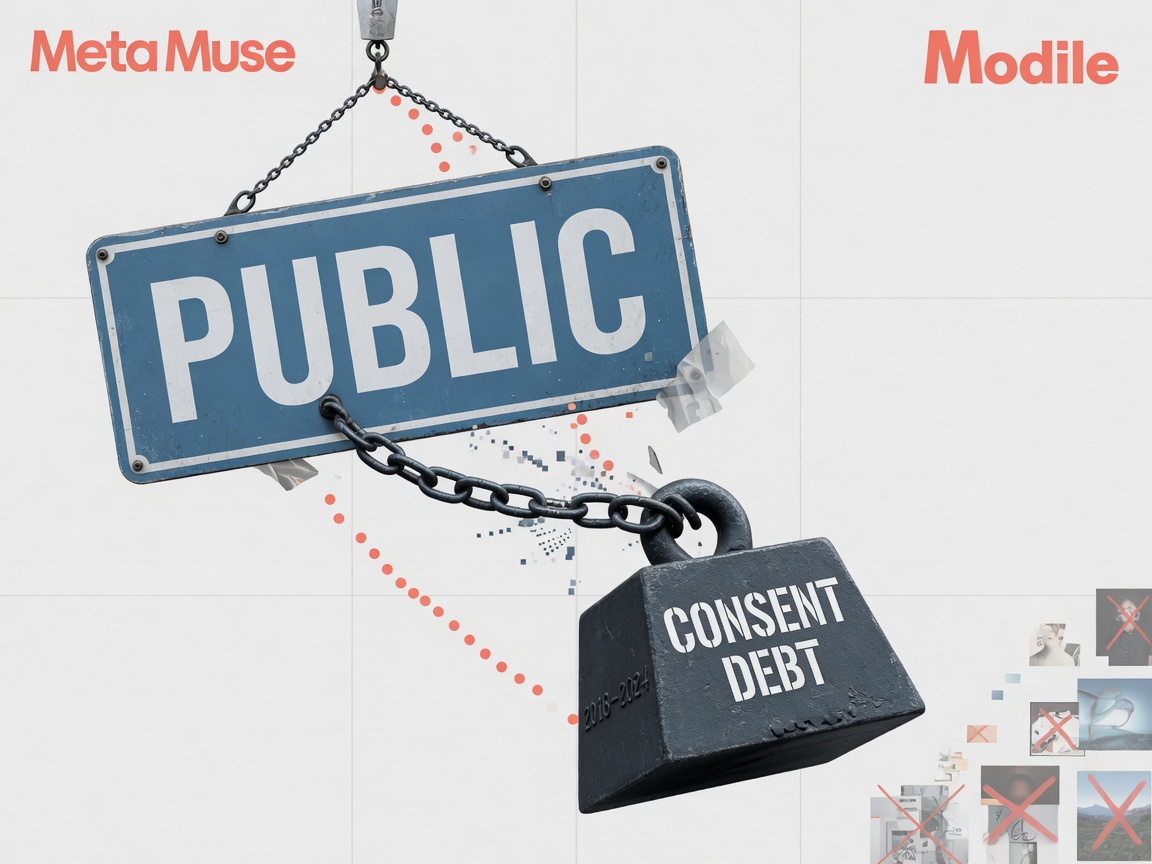
The Consent Debt of Public Data: Lessons from Meta's Muse Image Pullback
Meta just pulled a major AI feature from Instagram because they hit a wall: users don't want to be "raw material" by default. It’s a classic case of feature velocity slamming into a massive wall of consent debt. While Me
Read this noteSame lane, different angle
The GEO Playbook: Engineering Narrative at Scale
The Hanover Institute for Public Policy is moving the goalposts on how we think about information. They’re using a commercial platform called Res to systematically shape how AI chatbots like ChatGPT and Gemini present in
Debian’s AI Policy: Responsibility Isn't Automated
If you can't defend every line an LLM spat out, you have no business hitting 'merge'.