Beyond the Chatbot: Building a Socratic AI That Actually Teaches
If the AI refuses to give the answer, how do you ensure it doesn't just become a source of frustration for a student who's already stuck?

Automation needs a narrow first win
The best first AI workflow is usually a repeated task with a clear input, clear output, and a human approval step.
Bloomy is tackling the Bloom 2-sigma problem by ditching the "blank chat window" trend. Most AI tools just spit out answers, which is the opposite of learning. Bloomy builds a Socratic AI tutor that refuses to do the work for the student. It uses a scaffolded tutoring ladder and a knowledge graph—built in collaboration with the Learning Commons and Chan Zuckerberg Initiative—to create personalized paths based on actual diagnostic skill gaps.
Engineering the Mastery Gate
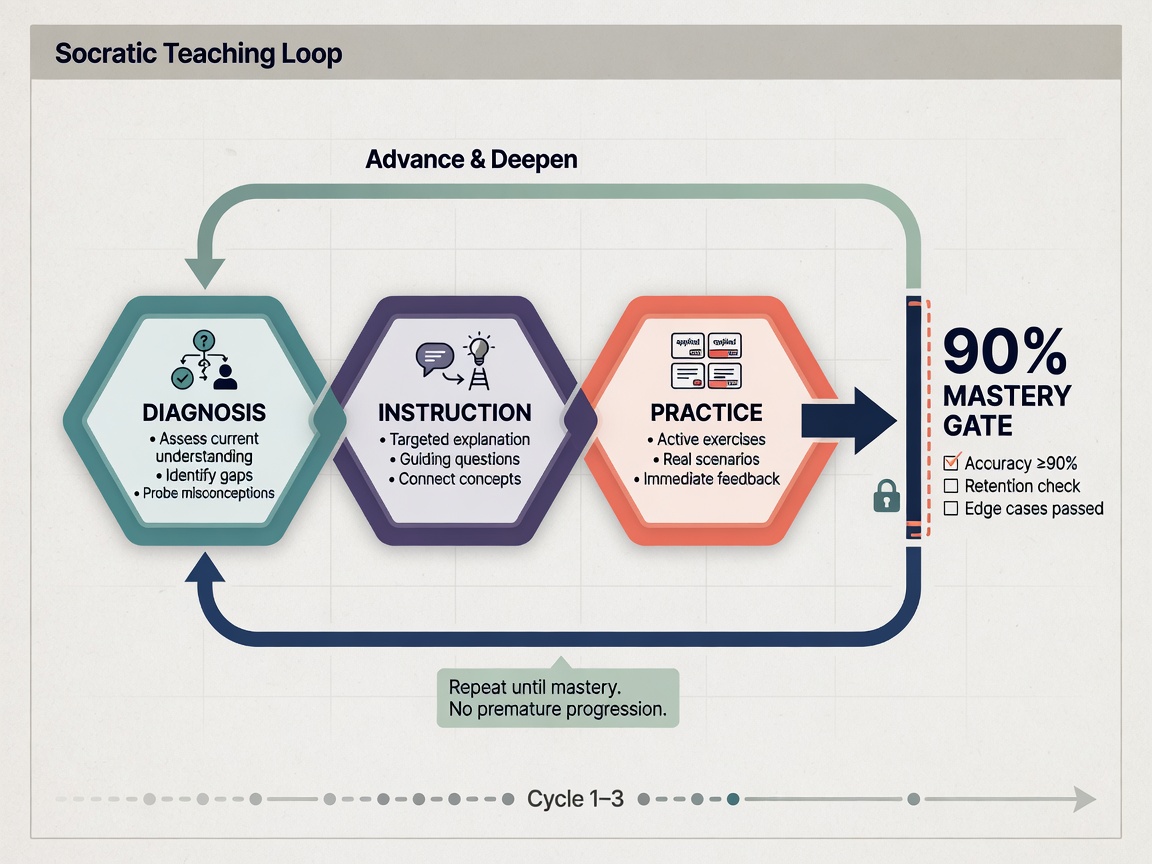
As builders, we know that "personalized learning" is often just a buzzword for randomized content. Bloomy takes a different path by focusing on gatekeeping logic. Students have to hit 90% mastery on independent assessments called Summits before they can move forward. This creates a structured loop: diagnosis, instruction, and practice.
Technically, this is a heavy lift. You aren't just prompting an LLM; you're building a state machine that tracks progress across a knowledge graph. By integrating Anthropic and OpenAI models with Zero Data Retention agreements, the platform handles the high-level reasoning required for Socratic tutoring while meeting the non-negotiable privacy standards of K-12 education. The upcoming Math curriculum launch on July 31 is a huge test for this architecture—scaling these precise "rungs" of the ladder to a full subject area is where the real engineering happens.
Worth a look
Phugialy Picks

AI Engineering: Building Applications with Foundation Models
A practical guide to building real-world applications with foundation models and LLMs.

GMKtec K15 AI Mini PC Oculink Intel Ultra 5 125U 32GB DDR5 512GB SSD | Desktop Computer AI Boost, 3X M.2 2280 Storage Expansion, Dual NIC...

GEEKOM IT15 AI Mini PC, Intel Ultra 9 285H(99 Tops), 32GB DDR5, 1TB SSD | The Most Powerful Workstation,Arc 140T GPU,WiFi 7,8K Business D...
Some Phugialy Picks use affiliate links. If you buy through one, Phugialy may earn a commission. It doesn't change what we recommend. Full disclosure →
Scaling "Observant" AI
The jump from a polished demo to a production environment with thousands of concurrent students is where most AI projects break. The challenge isn't just "can the AI tutor?" but "can it stay observant?" BloomyBot is designed to be a live, interactive tutor providing context-aware help rather than binary "correct/incorrect" pings.
This is the hard part. If the AI gives too much help, the student doesn't learn. If it gives too little, the student checks out. The success of this model hinges on the precision of that knowledge graph. The AI needs to know exactly which concept the student is tripping over so it can provide the specific nudge needed to get them over the hurdle. It’s about maintaining that "scaffold" without letting it collapse into frustration or circular loops.
From Content Generation to Process Management
The real story here is a massive shift in how we think about AI in education. We’re moving away from "content generation" (the easy stuff) toward "process management" (the hard stuff). The value isn't in the AI's ability to explain a math problem—a calculator can do that. The value is in the AI's ability to recognize a specific misconception and steer the student toward self-correction.
For those of us building in this space, this is the high-stakes frontier. It requires a system smart enough to know when to stay silent. That’s significantly harder to debug than a hallucination, but it’s the only way to actually solve the 2-sigma problem. We aren't just building a tutor; we're building a system that manages the act of learning.
Got a question about how this applies to you? →
Keep reading
Follow the thread
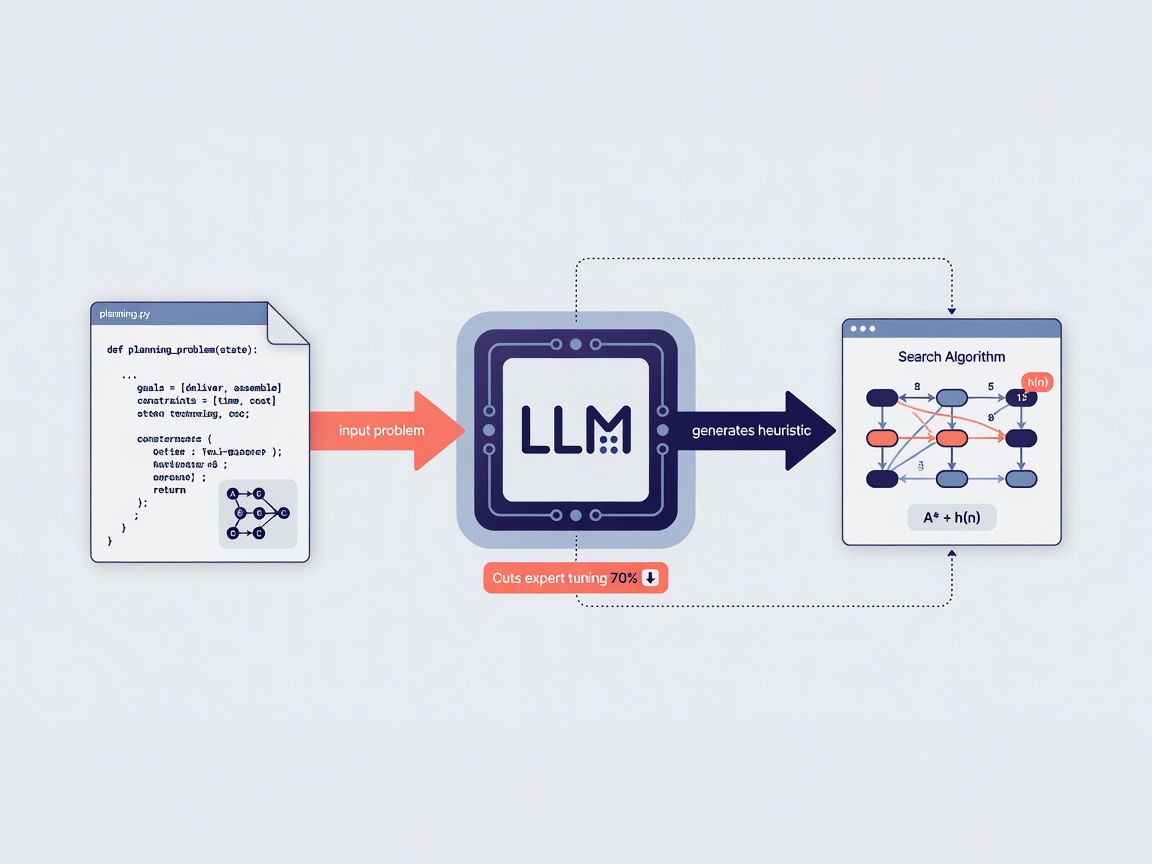
LLM Heuristics For Planning Tasks Cut Expert Tuning Costs
Classical planning systems have always needed expensive hand-tuned heuristics to work well on your specific problems. A new method has LLMs write them automatically from code-level problem definitions — with state-of-the-art benchmark results.
Read this noteSame lane, different angle
Poverty Mapping With Multimodal AI: What Actually Works
Fusing satellite imagery with LLM text lifts household wealth prediction from R²=0.63 to 0.77 - but one part of that pipeline didn't earn its keep.
LLMs in Cybersecurity: Reading Past the 50% Malware Claim
A new survey claims LLM-generated malware will account for 50% of detected threats in 2025, up from just 2% in 2021 — and that projection is doing more work than any evidence behind it. The paper, a synthesis of over 70