AI Computing Power and Grid Infrastructure Challenges
# The AI Bottleneck Isn't Energy Supply—It's the Electric Grid The massive investment in AI computing projects like Stargate requires enormous electricity, but faces significant grid interconnection bottlenecks. While e
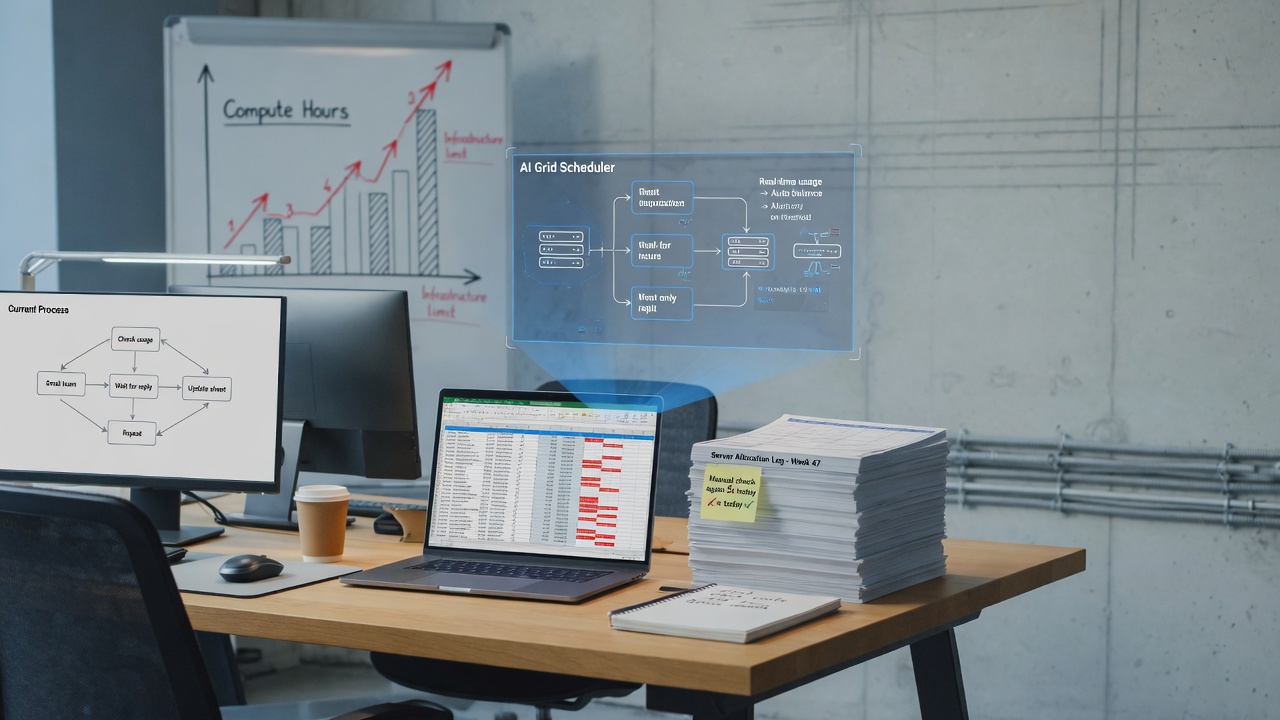
Automation needs a narrow first win
The best first AI workflow is usually a repeated task with a clear input, clear output, and a human approval step.
The AI Bottleneck Isn't Energy Supply—It's the Electric Grid
The massive investment in AI computing projects like Stargate requires enormous electricity, but faces significant grid interconnection bottlenecks. While energy supply is not the primary constraint, connecting new data centers to the electric grid is severely backlogged, limiting future AI model training capabilities.
The Scale of the Challenge
The Stargate project in Abilene, Texas, will cost over $40 billion and draw 1.2 gigawatts at peak load. Total AI computing power could reach 100 gigawatts worldwide by 2030 if 2025 growth rates continue.
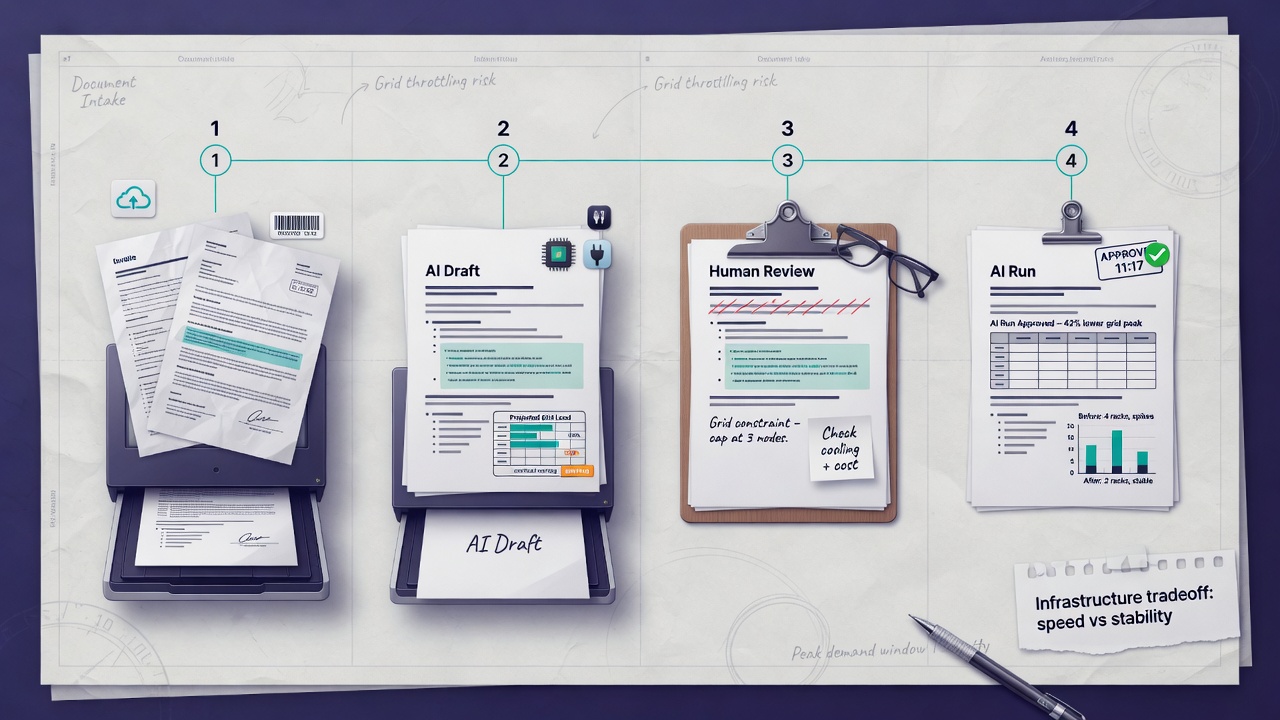
Worth a look
Phugialy Picks

AI Engineering: Building Applications with Foundation Models
A practical guide to building real-world applications with foundation models and LLMs.

GMKtec K15 AI Mini PC Oculink Intel Ultra 5 125U 32GB DDR5 512GB SSD | Desktop Computer AI Boost, 3X M.2 2280 Storage Expansion, Dual NIC...

GEEKOM IT15 AI Mini PC, Intel Ultra 9 285H(99 Tops), 32GB DDR5, 1TB SSD | The Most Powerful Workstation,Arc 140T GPU,WiFi 7,8K Business D...
Some Phugialy Picks use affiliate links. If you buy through one, Phugialy may earn a commission. It doesn't change what we recommend. Full disclosure →
Grid Interconnection Backlogs
The grid interconnection process has become significantly backlogged, increasing wait times from less than 20 months in 2005 to 55 months by 2023. Major AI company leaders agree that future data centers will be power-limited due to grid constraints.
Market Signals and Energy Sources
Electricity prices and market mechanisms signal developers to balance different energy sources based on supply and demand. Solar overproduction in ERCOT reduced the value of midday power from 92.9% to 38.7% between 2020 and 2025.
Infrastructure Development
ERCOT battery storage capacity grew from almost none in 2020 to 8.6 gigawatts by October 2025. The abundance of [AI] will be limited by the abundance of energy, according to industry leaders who say they would build bigger clusters if they could get the energy to do it.
We need capacity – a lot of capacity.
Got a question about how this applies to you? →
Keep reading
Follow the thread
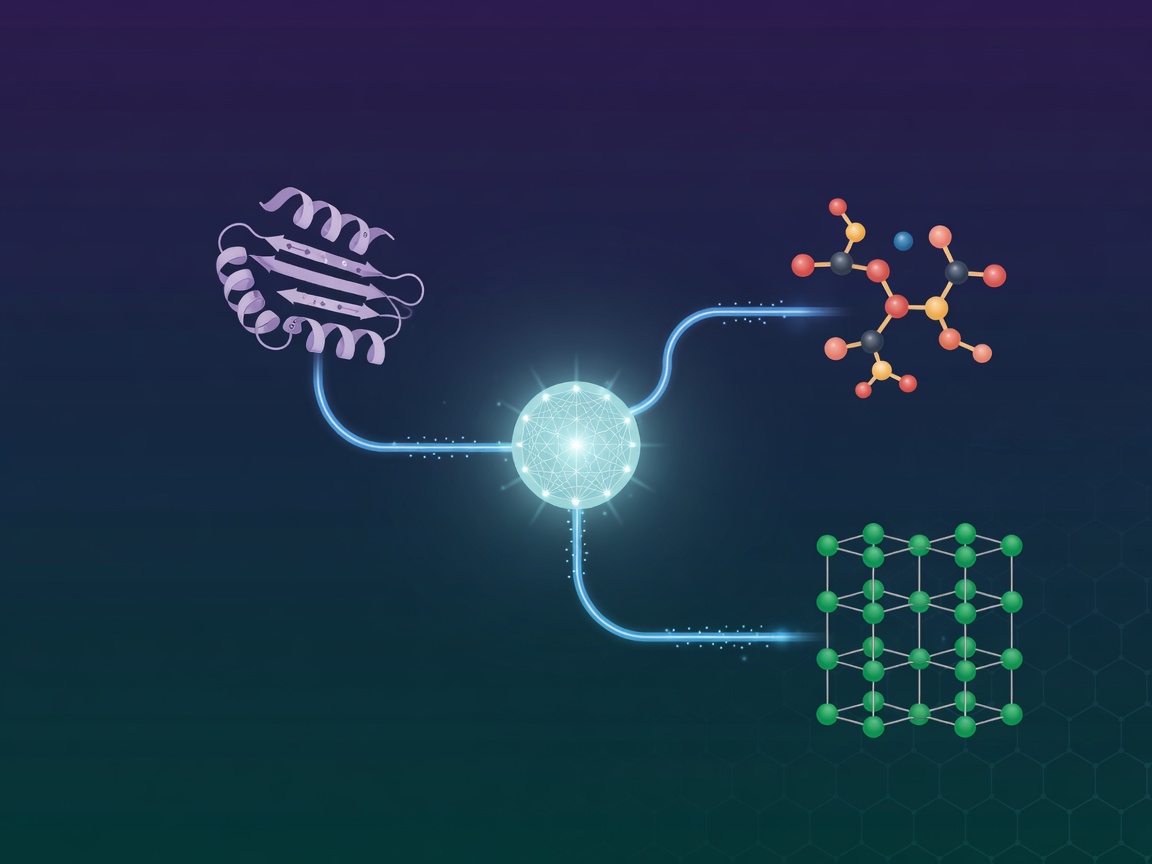
SciReasoner: One Model Reasons Across Proteins, Molecules, Crystals
Proteins, molecules, and crystals share almost nothing on the surface - different representations, different tools, different vocabularies entirely. What if one model could reason natively across all three? That's the pr
Read this noteSame lane, different angle
Testing Gemini 3.6 Flash for Counterfeit Cosmetics Detection
Gemini 3.6 Flash spotted fake Rhode lip tints from photos alone — typos, mismatched distributors, even a known counterfeit batch code (112505). It also mistook camera glare for a printing error, which tells you exactly how far this actually gets you.
Quantifying the AI Noise Floor: A Hacker News Tracker
The Days Since AI Tracker isn't just a fun widget; it’s a live pulse check on the Hacker News ecosystem. It monitors headlines in real-time, resetting a countdown every time a story featuring "AI" pops up. It’s a simple