The Metadata Band-Aid: Why Article 50 Fails to Stop Manipulation
Article 50 of the EU AI Act attempts to codify the transparency required between AI systems and humans. Rather than proposing a meaningful shift in how AI is deployed, it settles on specific mandates for providers and de
Automation needs a narrow first win
The best first AI workflow is usually a repeated task with a clear input, clear output, and a human approval step.
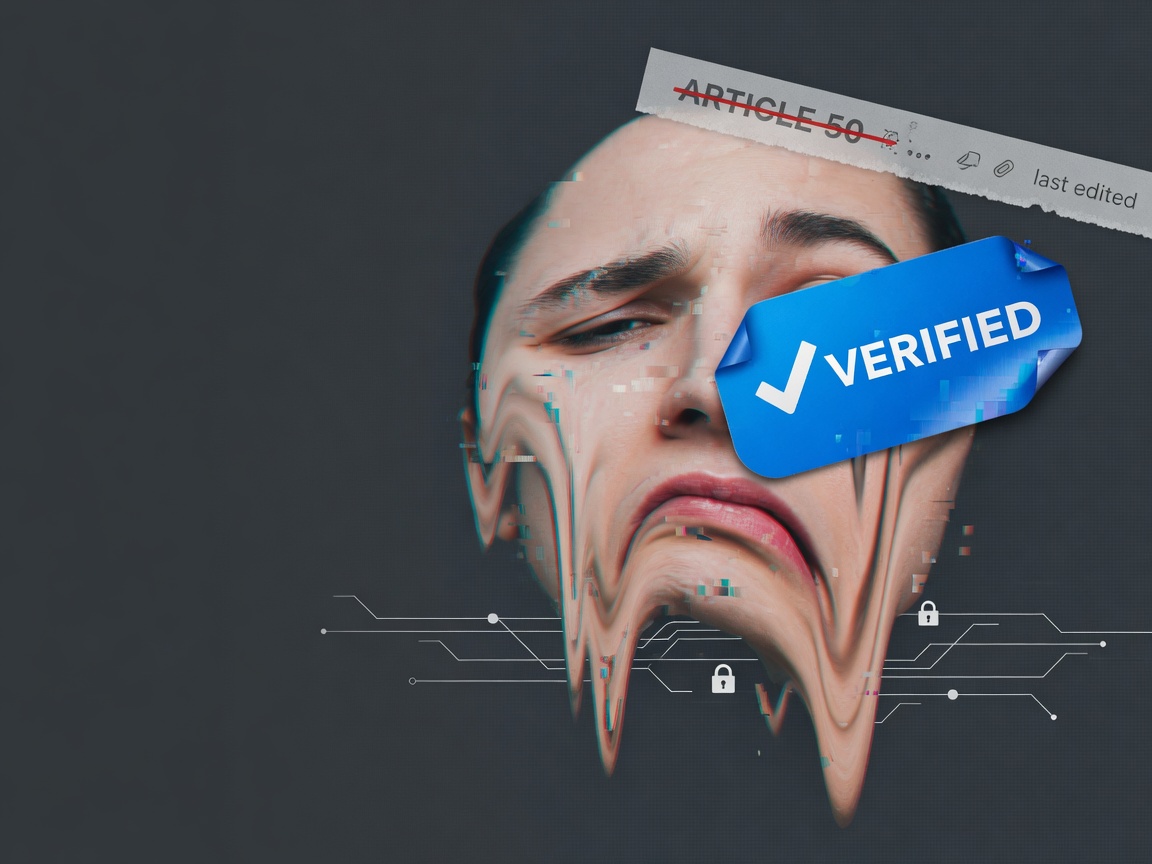
Article 50 of the EU AI Act attempts to codify the transparency required between AI systems and humans. Rather than proposing a meaningful shift in how AI is deployed, it settles on specific mandates for providers and deployers: interaction awareness, synthetic media identification, and biometric notification. The regulation aims to mitigate fraud and impersonation by forcing a level of disclosure that was previously left to the discretion of developers—a reactive measure that addresses the symptom rather than the source.
The Technical Requirement for Machine-Readable Marks
The regulation demands that synthetic audio, image, video, and text carry machine-readable marks. This is a key distinction from simple watermarking; it implies that metadata must be accessible to other software systems, not just visible to a human eye. This requirement is designed to allow platforms to automate the flagging of content at scale. Furthermore, the Act requires explicit notification for emotion recognition and biometric categorization systems. However, the scope is predictably porous. While deepfakes are subject to disclosure, the Act provides lighter requirements for artistic, satirical, or fictional works. This ostensibly acknowledges the tension between public discourse and creative expression, but in practice, it creates a convenient gray area for content that blurs these lines.
Worth a look
Phugialy Picks

AI Engineering: Building Applications with Foundation Models
A practical guide to building real-world applications with foundation models and LLMs.

GMKtec K15 AI Mini PC Oculink Intel Ultra 5 125U 32GB DDR5 512GB SSD | Desktop Computer AI Boost, 3X M.2 2280 Storage Expansion, Dual NIC...

GEEKOM IT15 AI Mini PC, Intel Ultra 9 285H(99 Tops), 32GB DDR5, 1TB SSD | The Most Powerful Workstation,Arc 140T GPU,WiFi 7,8K Business D...
Some Phugialy Picks use affiliate links. If you buy through one, Phugialy may earn a commission. It doesn't change what we recommend. Full disclosure →
The Editorial Loophole and Disclosure Limitations
A notable nuance in Article 50 concerns AI-generated text regarding matters of public interest. The regulation requires disclosure unless a human holds editorial responsibility. This creates a pathway where human oversight can serve as a substitute for automated disclosure. While this may encourage human-in-the-loop systems, it introduces a subjective standard: what constitutes "sufficient" editorial responsibility in an era of high-volume, AI-assisted content production? Compliance is structured around the Code of Practice on Transparency of AI-generated Content, suggesting the EU is prioritizing a manageable regulatory framework over a rigorous, case-by-case auditing process.
Transparency as a Metadata Tag Rather than a Structural Guardrail
What this actually points to is a regulatory philosophy that treats transparency as a technical metadata problem rather than a fundamental shift in how content is consumed. By focusing on "marking" as the primary mechanism, the regulation assumes that once a user knows a piece of content is synthetic, the risk of manipulation is effectively mitigated. This doesn't solve the problem of persuasive influence; it merely moves the responsibility for detection onto the infrastructure of the internet. The fact that "no grace period covers informing someone after the fact" is perhaps the most revealing detail. It confirms that Article 50 is strictly a preventative measure for identification, not a remedial framework for harm. If a synthetic image successfully deceives a user before the machine-readable mark can be parsed, the regulation offers no recourse. The real story here is that the EU is betting on the visibility of the "label" to counteract the persuasive power of the "content," leaving the actual mechanics of influence largely unaddressed.
Got a question about how this applies to you? →
Keep reading
Follow the thread

The Compliance Pivot: OpenAI’s Strategic Alignment with the EU AI Act
OpenAI is moving toward a standardized compliance model by aligning its safety and security practices with the EU’s General-Purpose AI (GPAI) Code of Practice. By integrating its Preparedness Framework and Frontier Gover
Read this noteSame lane, different angle
From Red Tape to Roadmaps: Why the EU AI Act is a Win for Innovation
Let’s be real: when most people hear the words 'regulation' and 'AI,' they immediately start picturing mountains of soul-crushing paperwork and a total chilling of the tech scene. But here’s the secret—the EU AI Act is a
NYC’s AI Disclosure Push: A Wake-Up Call for Real Estate Devs
NYC Mayor Zohran Mamdani just dropped the "Rental Ripoff Report," and it’s a massive signal for anyone building in the real estate tech stack. The city wants to mandate AI disclosures for rental listings to stop landlord