Moving Past the AI Mythology: Engineering Social Collaboration
We need to stop treating "Artificial Intelligence" as a literal description of the technology and start treating it as a misleading label. For developers trying to integrate these models into production, the mythological
Automation needs a narrow first win
The best first AI workflow is usually a repeated task with a clear input, clear output, and a human approval step.
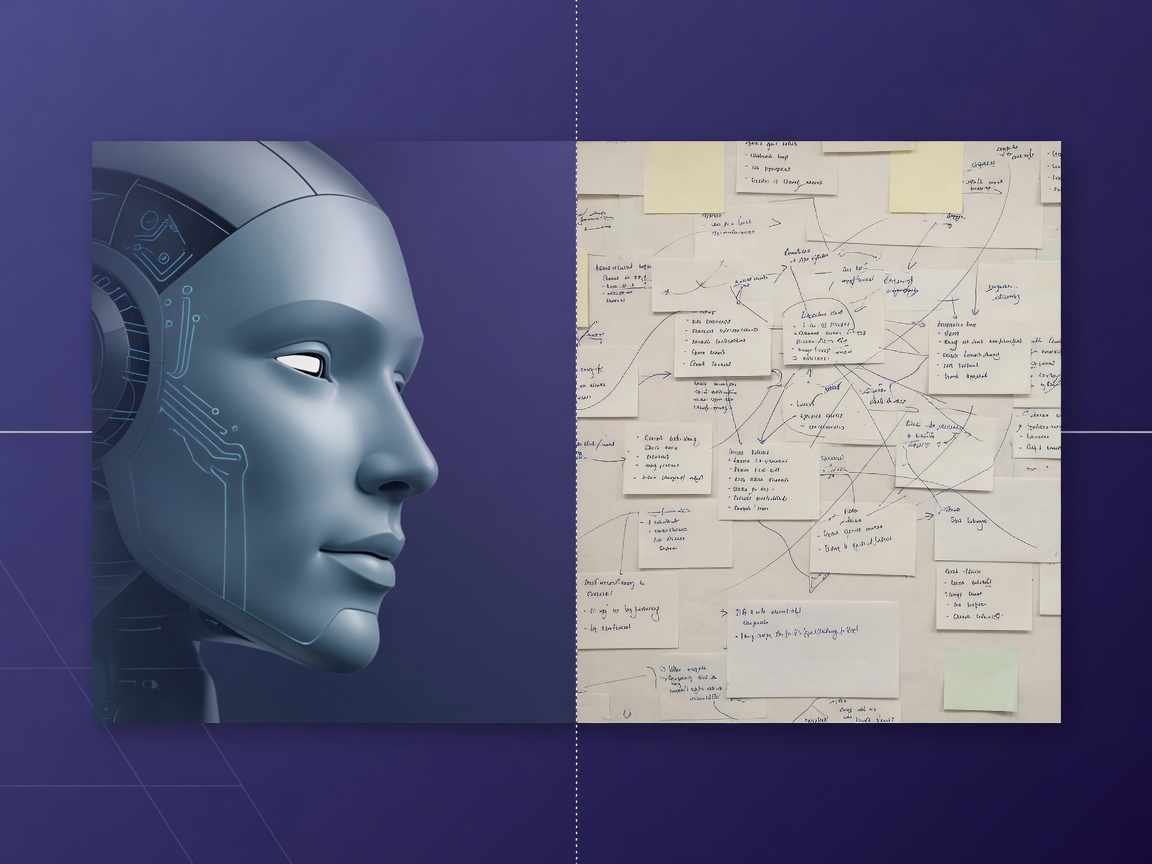
We need to stop treating "Artificial Intelligence" as a literal description of the technology and start treating it as a misleading label. For developers trying to integrate these models into production, the mythological framing—the stuff about independent intelligence or "sentience"—actually creates a massive friction point. It builds a mental model that doesn't match the reality of the code. The truth is far less cinematic and far more grounded in statistics.
The Statistical Mashup of Human Work
At its core, this technology is an innovative form of social collaboration. It doesn't possess independent intelligence; instead, it functions by mashing up the collective work done by human minds. Models like GPT-4 operate on simple mathematics and the cumulative records of word coincidences. When we prompt these systems, we aren't interacting with a "mind"; we are querying a massive statistical mirror of human-created data.
The flexibility of these models doesn't come from a "spark" of creativity but from the sheer volume of word coincidences they can navigate. When the demo works perfectly, it's because the statistical path is clear. When it breaks, it’s usually because the "mashup" has reached a point where the human-created data is contradictory, sparse, or simply doesn't apply to the specific edge case we're hitting in a production environment. If you're debugging a hallucination, you aren't fighting a ghost; you're navigating a statistical outlier in a human data set.
Worth a look
Phugialy Picks

Logitech G413 SE Full-Size Mechanical Gaming Keyboard - Black | Backlit, anti-ghosting, compatible with Windows and macOS, aluminum material

Screen Mom Screen Cleaner Spray (16oz)
We'd buy this if: You've been wiping your monitor with your shirt sleeve.
We'd skip this if: You already have a cleaning routine sorted.
Anker USB-C to USB-C 60W Fast Charging Cable (2-Pack)
We'd buy this if: You need a reliable spare charging cable that won't fray in a month.
We'd skip this if: You already have enough cables lying around.
Some Phugialy Picks use affiliate links. If you buy through one, Phugialy may earn a commission. It doesn't change what we recommend. Full disclosure →
From "Alignment" to Engineering Reliability
Because we haven't agreed on a grounded definition of what this technology is, our conversations around policy are inherently messy. Terms like "alignment" and "safety" are frequently used, but they are difficult to define precisely because the underlying concept—what we are actually trying to align or keep safe—remains vague. When we treat AI as a "creature," safety becomes an anthropomorphic problem of behavior.
When we treat it as a tool, safety becomes a concrete engineering problem of data provenance, statistical reliability, and output boundaries. We need to move the conversation from "How do we make it behave?" to "How do we ensure the data mashup remains reliable for this specific use case?" This shift moves us from philosophical anxiety to actionable engineering.
The Engineering Reality of Tooling Over Mythology
The real story here is that the "AI" label is a cultural artifact, not a technical one. The cultural touchstones of The Terminator or The Matrix have created a religious mythology in tech that makes it harder to see the technology for what it is: a sophisticated tool for processing human-generated records.
For those of us shipping code, the transition from "creature" to "tool" is the most important mental shift we can make. If we view these models as a way of working together—a way to mash up and iterate on human work at scale—it becomes less mysterious and more manageable. The challenge isn't preventing a robot uprising; it's managing the gap between a clean statistical coincidence and the messy, unpredictable reality of human data. We need to stop trying to "align" a ghost in the machine and start refining the tool we’ve built to mirror our own work.
Got a question about how this applies to you? →
Keep reading
Follow the thread
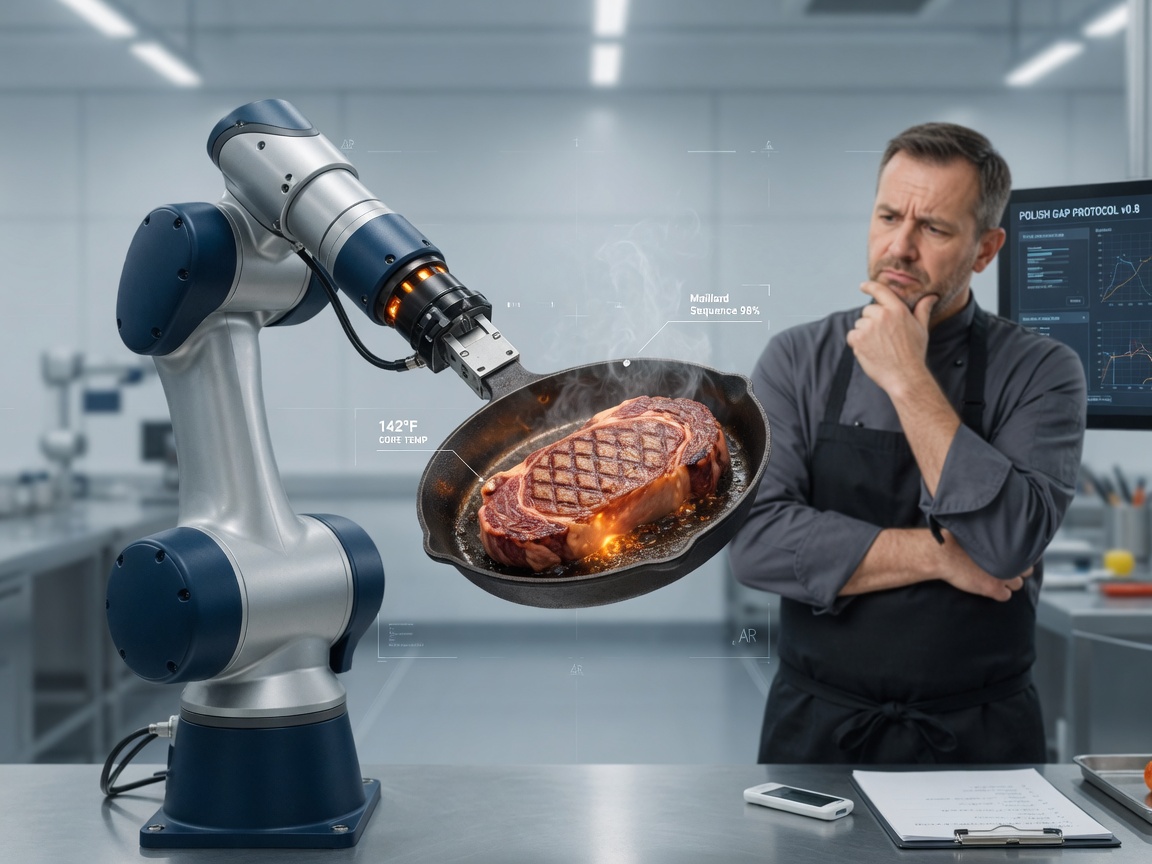
The Polish Gap: Why AI Can't Replace Engineering Judgment
AI can follow a recipe perfectly, but it doesn't know what a steak is. If we outsource the 'how' to a machine, we risk a future of technically correct but practically flawed software. Here is why human judgment remains the most critical part of the stack.
Read this noteSame lane, different angle
Google Earth’s Image Generation Rollback: A Lesson in Guardrail Debt
Google just pulled the plug on its image generation feature in Google Earth. The reason? Policy violations. Even though the generated images were watermarked as AI-generated and kept in a 'private' sandbox—meaning they w
Building for AGI: Why Your Current Stack is About to Break
The claim that Artificial General Intelligence (AGI) is only a few short years away isn't just a hype cycle—it’s a technical warning for every engineer in the room. If AGI is defined as a system that exhibits all the cog