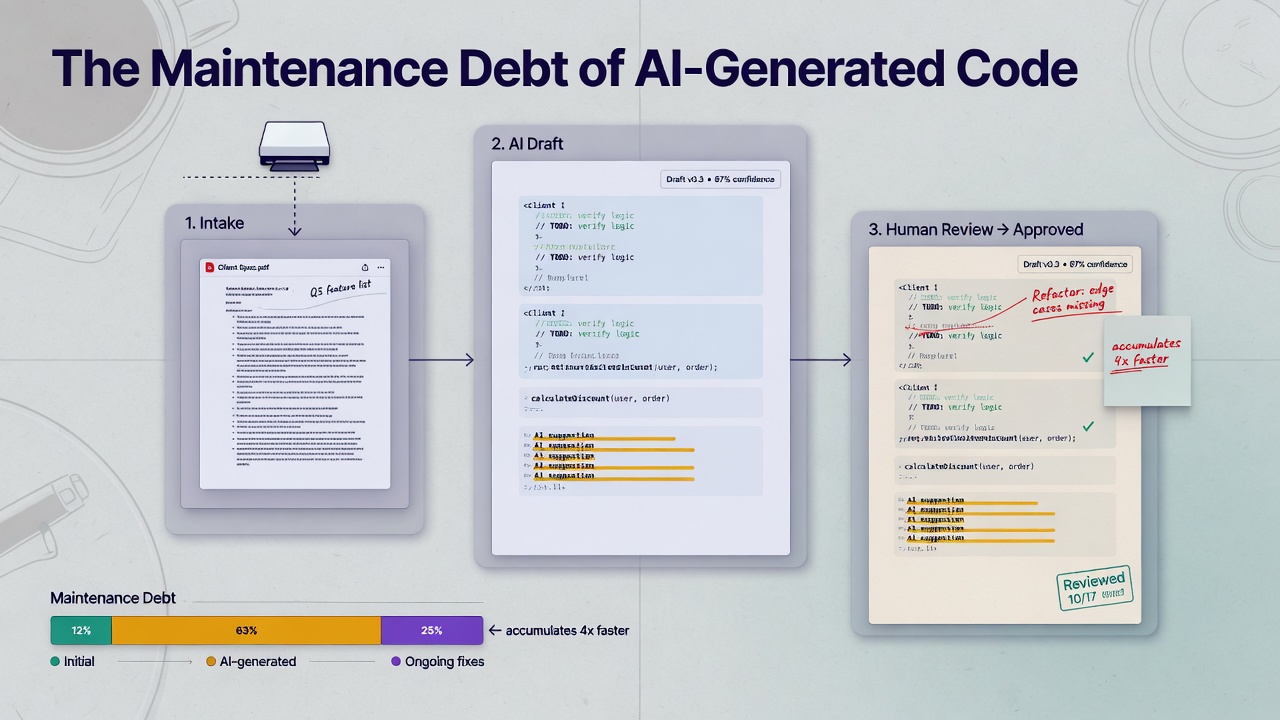
The Maintenance Debt of AI-Generated Code
The Linux distribution Debian is currently voting on whether to ban AI-assisted contributions. This isn't a Luddite reaction to new technology; it’s a response to a fundamental shift in the economics of open-source maint
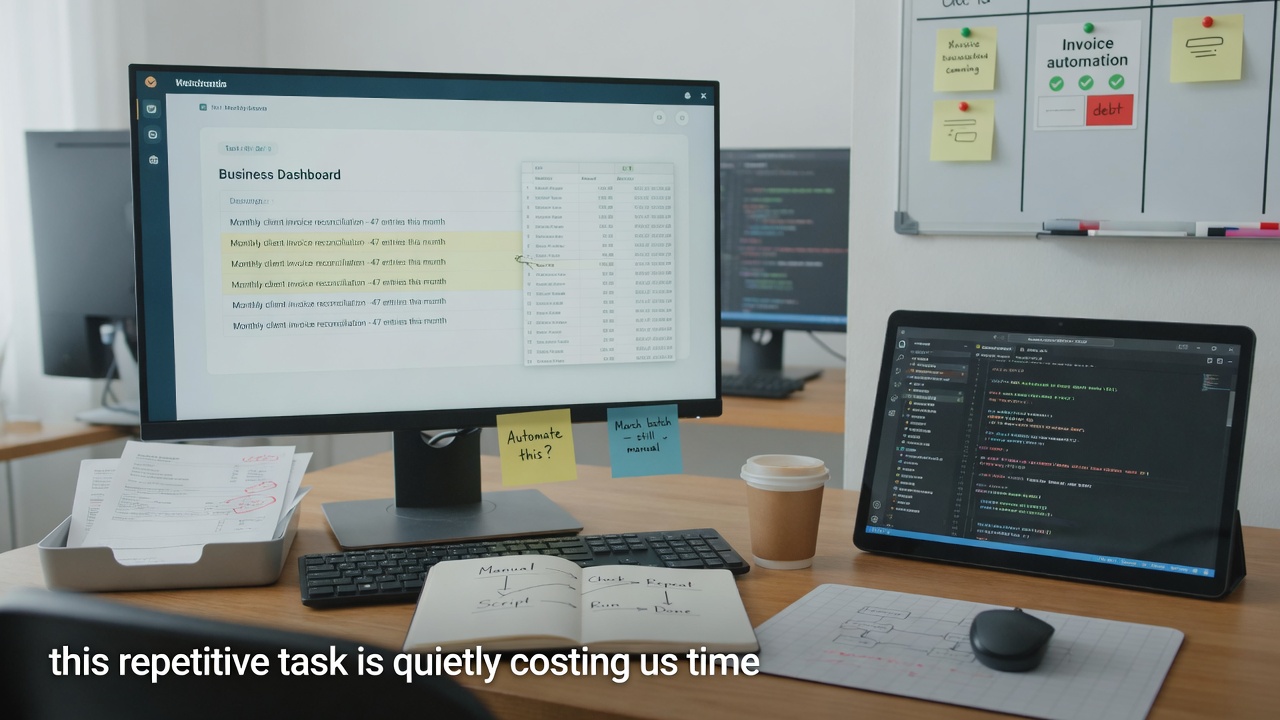
Automation needs a narrow first win
The best first AI workflow is usually a repeated task with a clear input, clear output, and a human approval step.
The Linux distribution Debian is currently voting on whether to ban AI-assisted contributions. This isn't a Luddite reaction to new technology; it’s a response to a fundamental shift in the economics of open-source maintenance. While LLMs offer a shortcut to volume, they are creating a "code slop" problem that threatens the integrity of the very ecosystems they aim to augment.
The Asymmetry of "Easy" Contributions
The core issue is information asymmetry. It’s easy for a novice developer to prompt an LLM to generate a complex function, but it is incredibly difficult for a senior maintainer to verify that function's safety, scalability, and architectural fit. We are seeing a flood of AI-generated contributions where the "cost" of production is shifted entirely onto the maintainer. When a model produces code that is syntactically perfect but logically flawed, the human reviewer is the one who pays the price in time and technical debt. The maintainer becomes a glorified filter for "code slop," spending their energy debugging confident hallucinations rather than building new features.
Phugialy Picks

AI Engineering: Building Applications with Foundation Models
A practical guide to building real-world applications with foundation models and LLMs.

GMKtec K15 AI Mini PC Oculink Intel Ultra 5 125U 32GB DDR5 512GB SSD | Desktop Computer AI Boost, 3X M.2 2280 Storage Expansion, Dual NIC...

GEEKOM IT15 AI Mini PC, Intel Ultra 9 285H(99 Tops), 32GB DDR5, 1TB SSD | The Most Powerful Workstation,Arc 140T GPU,WiFi 7,8K Business D...
Some Phugialy Picks use affiliate links. If you buy through one, Phugialy may earn a commission. It doesn't change what we recommend. Full disclosure →
Benchmarks vs. Production Reality
Marketing often ignores the technical reality of LLMs as statistical machines. By adjusting "temperature," these models introduce randomness that can result in outputs that are confidently incorrect. This isn't just a theoretical concern; the data backs it up. Frontier models currently show a pass rate of only about 50% on the Humanity’s Last Exam and resolve just under 77% of tasks on SWE-bench. In a high-stakes production environment, that 23% failure rate isn't just a statistic—it's a potential security vulnerability or a week of lost productivity. A 50% success rate might look like progress in a sandbox, but it’s a liability in a codebase where "almost correct" is the same as "broken.
The Signal-to-Noise Crisis
The real story here is the looming crisis of maintenance debt. We are approaching a tipping point where the volume of code produced by AI will far outpace the human capacity to audit it. If open-source projects become dumping grounds for high-volume, low-quality output, the barrier to entry for high-quality maintenance will skyrocket. For projects like Debian, a ban is a pragmatic move to preserve the signal-to-noise ratio. The goal isn't to stop progress; it's to ensure that the cost of verifying human-free code doesn't exceed the value of the contribution itself. If we can't maintain the signal, the open-source model breaks.
Got a question about how this applies to you? →
Keep reading
Follow the thread
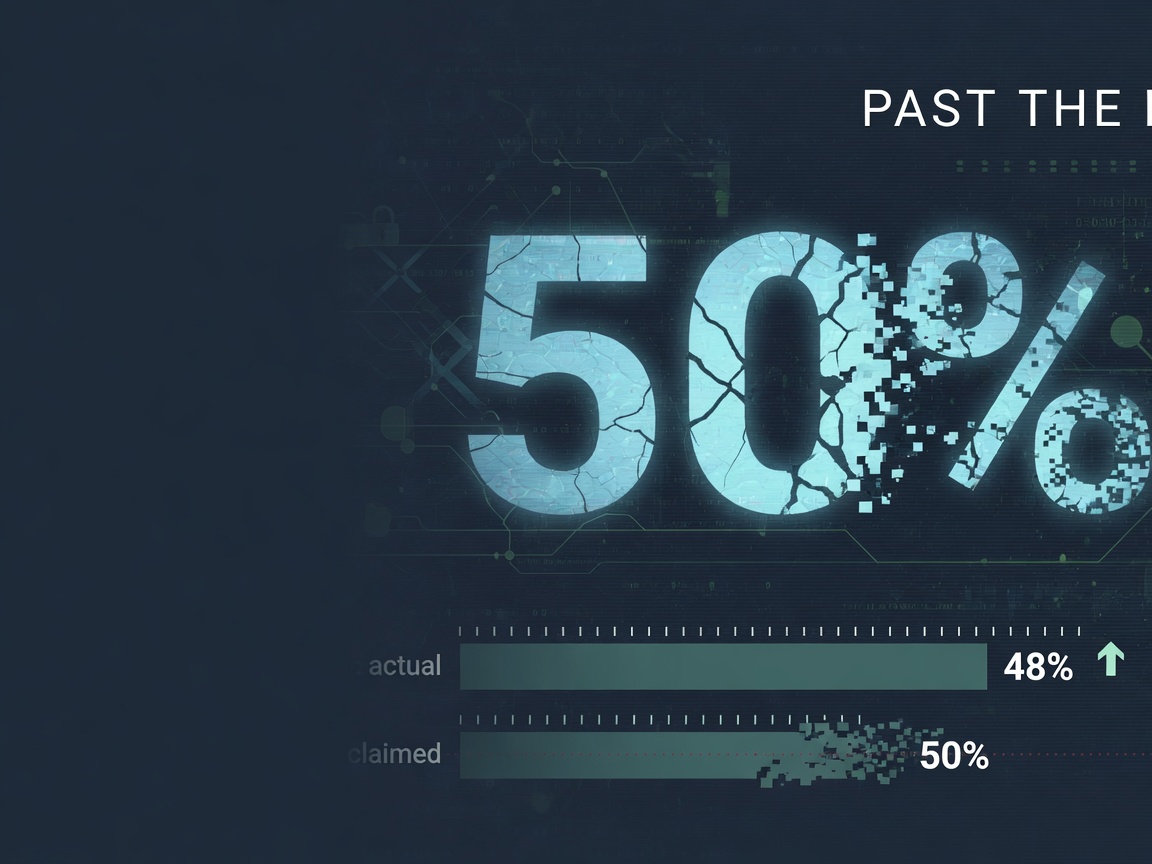
LLMs in Cybersecurity: Reading Past the 50% Malware Claim
A new survey projects LLM-generated malware will hit 50% of detected threats in 2025 — up from 2% in 2021. The number is everywhere this week; what's actually behind it is far thinner.
Read this noteSame lane, different angle
The Linux Kernel's AI Pivot: Technical Merit vs. The Verification Bottleneck
If we're strictly chasing technical excellence, what happens when the 'best' code is just the code that aligns with a corporate owner's hidden priorities?
The Robustness-Generation Gap: Why Dialect Adaptation Isn't Just a Fine-Tuning Problem
Most researchers think high benchmark scores mean a model has mastered a dialect. DiaLLM research shows that's not true: understanding a dialect and actually speaking it are governed by two different parts of the training pipeline.