The Professional Cost of AI Slop in Engineering
Let’s call it what it is: AI-generated "slop" isn't a side effect of modern dev work anymore—it’s the baseline. From PR descriptions and unit tests to entire roadmaps and marketing copy, AI is saturating every layer of t
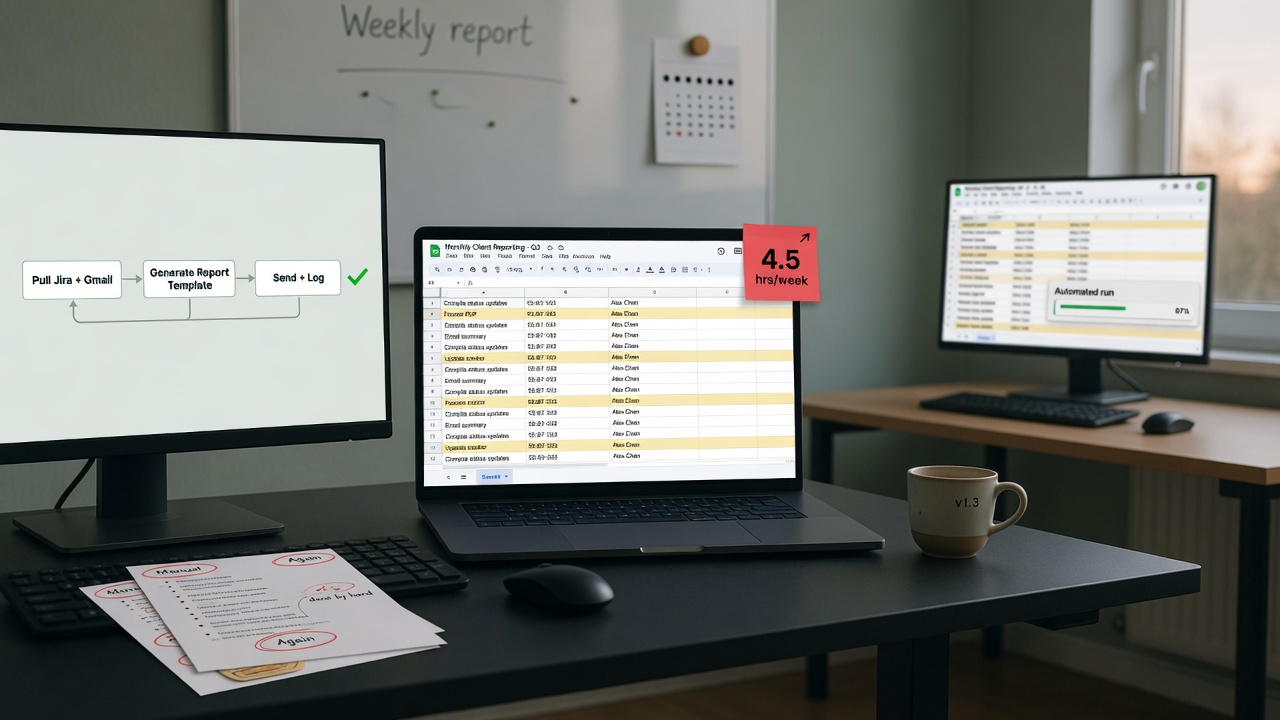
Automation needs a narrow first win
The best first AI workflow is usually a repeated task with a clear input, clear output, and a human approval step.
Let’s call it what it is: AI-generated "slop" isn't a side effect of modern dev work anymore—it’s the baseline. From PR descriptions and unit tests to entire roadmaps and marketing copy, AI is saturating every layer of the software development lifecycle. For most of us, the question isn't "Should we use it?" but "How do we survive the fact that we have to?" If you aren't leveraging these tools, you aren't just working slower; you're becoming a dinosaur in a culture that has already moved on to the next speed.
The Cultural Trap of Mandatory AI
The reality is pretty blunt: opting out of AI tools is becoming a professional liability. Because cultural and performance expectations have shifted so fast, developers who refuse to use AI are increasingly seen as a risk to the team's velocity. This isn't just about personal productivity; it’s about the "standard" way of working. We’re moving toward a model where AI is the default engine for production, and non-AI projects are being pushed into niche corners with zero commercial weight. When your peers are cranking out roadmaps and PR summaries in seconds, refusing to do the same makes your manual workflow look like a bottleneck, regardless of how "clean" your code actually is. You're being measured against a machine-accelerated curve, and if you can't keep up, the career consequences are real.
Worth a look
Phugialy Picks

AI Engineering: Building Applications with Foundation Models
A practical guide to building real-world applications with foundation models and LLMs.

GMKtec K15 AI Mini PC Oculink Intel Ultra 5 125U 32GB DDR5 512GB SSD | Desktop Computer AI Boost, 3X M.2 2280 Storage Expansion, Dual NIC...

GEEKOM IT15 AI Mini PC, Intel Ultra 9 285H(99 Tops), 32GB DDR5, 1TB SSD | The Most Powerful Workstation,Arc 140T GPU,WiFi 7,8K Business D...
Some Phugialy Picks use affiliate links. If you buy through one, Phugialy may earn a commission. It doesn't change what we recommend. Full disclosure →
From Creators to Curators
When you look at the footprint, the scale is staggering. In some practices, AI-generated content makes up 100% of the workflow, with at least 50% of that output being pure slop. This shifts the fundamental nature of our jobs. We are no longer just "builders" in the traditional sense; we are now auditors. Our primary task has shifted from creation to curation—filtering through layers of machine-generated noise to find the signal that actually solves a business problem. You aren't just writing code anymore; you're auditing a machine's attempt at your job, which requires a completely different mental model than pure development. You have to develop a "BS detector" for code that looks right but fails in edge cases.
The Hidden Debt of Production Slop
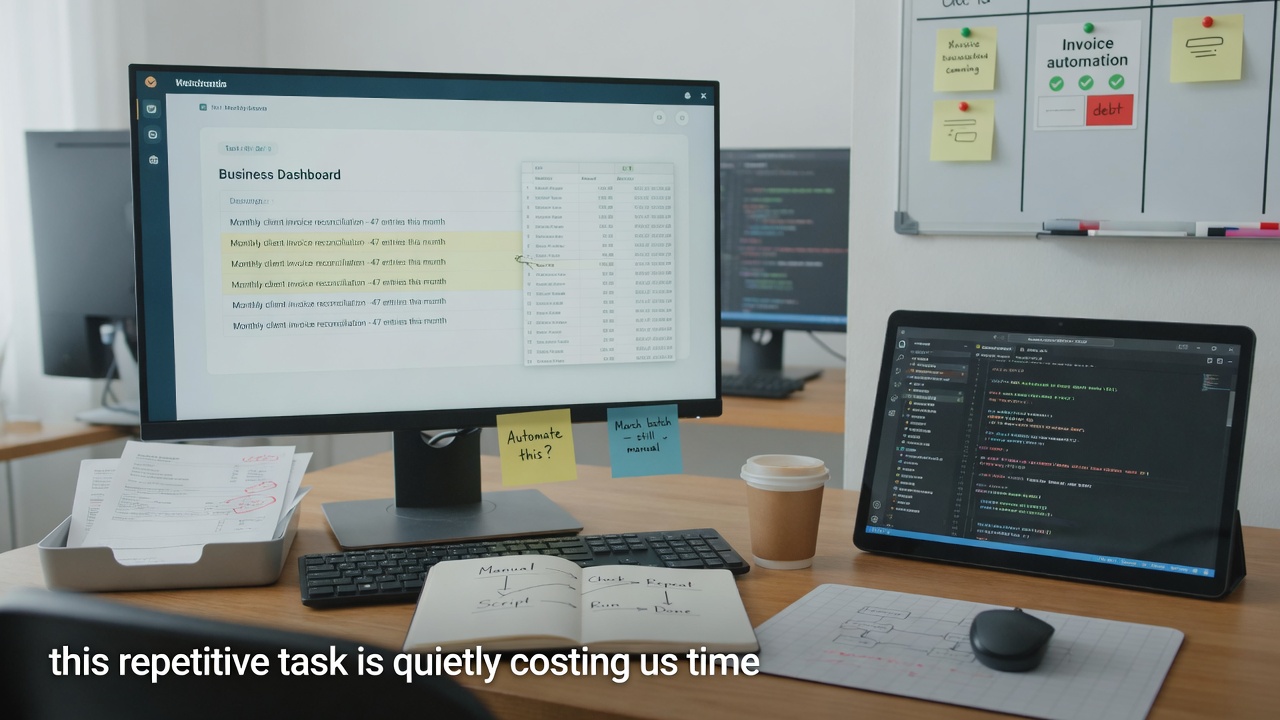
Here’s the real story: we’re trading immediate velocity for a massive mountain of hidden maintenance debt. An AI can spit out a functional snippet for a demo, but it doesn't understand the messy, inconsistent data or the legacy constraints of a real production environment. When "slop" becomes the standard, the burden of debugging and refactoring that imperfect output falls squarely on your shoulders. We are essentially trading today's speed for a future where we spend more time cleaning up automated errors than building new features. The gap between a "clean" AI example and a messy production reality is where the real engineering work lives now—and it’s getting harder to hide that friction. We need to start measuring the cost of the "slop" as clearly as we measure the speed of the generation.
Got a question about how this applies to you? →
Keep reading
Follow the thread
The Maintenance Debt of AI-Generated Code
The Linux distribution Debian is currently voting on whether to ban AI-assisted contributions. This isn't a Luddite reaction to new technology; it’s a response to a fundamental shift in the economics of open-source maint
Read this noteSame lane, different angle
The Abstraction Gap: Why AI is a Technical Debt Trap
AI is great at distilling data, but it's failing as a software development tool. The reason isn't the code quality—it's a fundamental lack of abstraction in our current engineering practices.
AI Tutors Work Only If Students Use Them: Trial
A two-year trial across 18 middle schools found Khan Academy's AI tutor raised math scores modestly - but here's the catch: the gains looked just like those from practice without any AI at all. The real story isn't whether AI tutoring works; it's that 96% of students tried it and almost none used it when they actually needed help.