The Linux Kernel's AI Pivot: Technical Merit vs. The Verification Bottleneck
If we're strictly chasing technical excellence, what happens when the 'best' code is just the code that aligns with a corporate owner's hidden priorities?
Automation needs a narrow first win
The best first AI workflow is usually a repeated task with a clear input, clear output, and a human approval step.
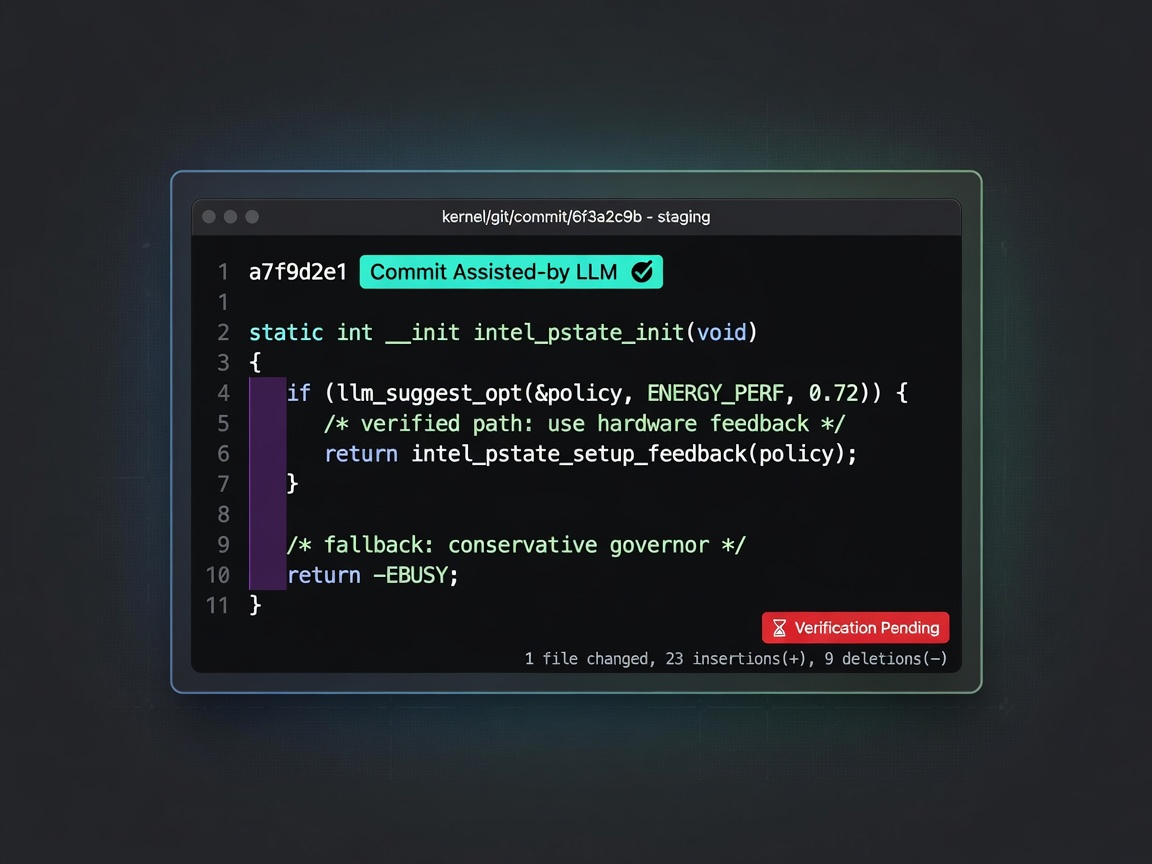
AI isn't just 'coming' to the Linux kernel—it’s already in the trenches. Since September 2025, over 1,200 kernel commits have been tagged with an “Assisted-by” tag, proving that LLMs have moved past simple boilerplate and into the heavy lifting of one of the world's most complex codebases.
From Authoring to Automated Review
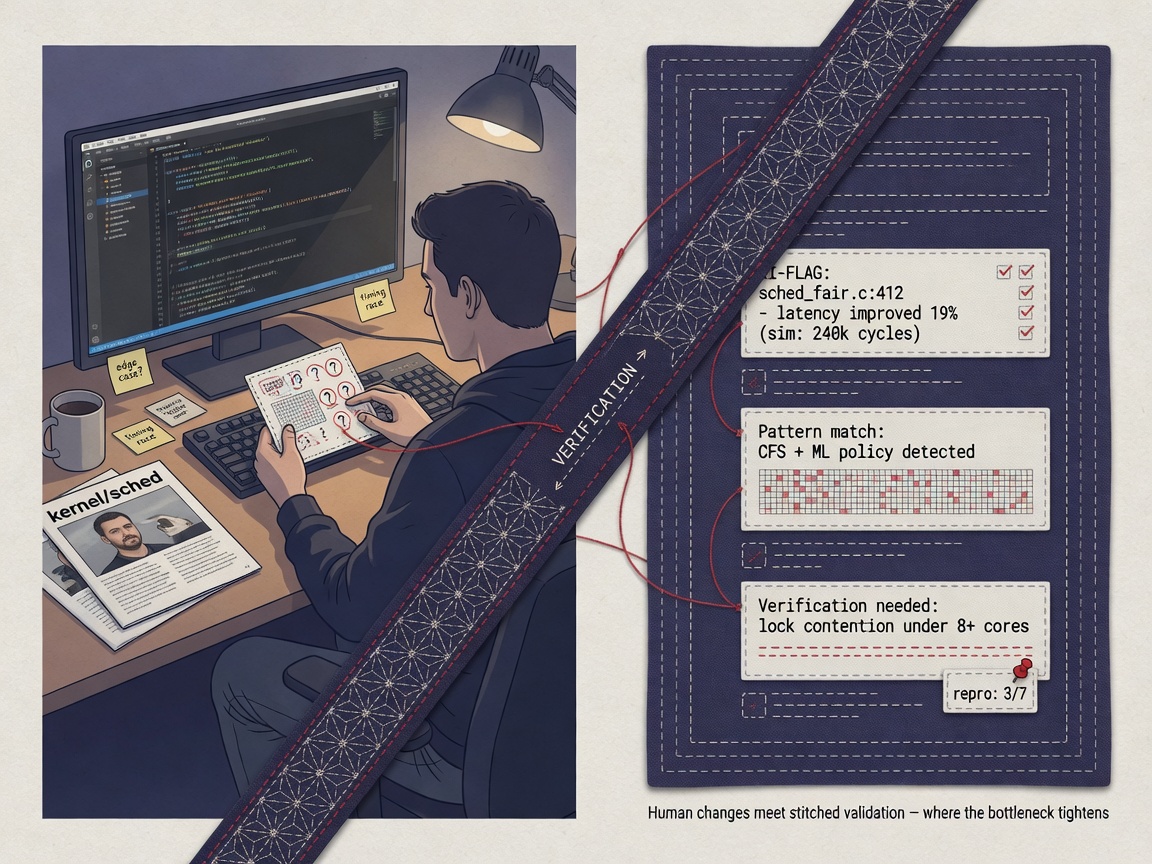
The real shift isn't just about who writes the lines; it’s about how we judge them. Enter Sashiko: a new tool generating code reviews across various subsystems. This changes the game for contributors. Instead of a human-to-human peer review loop, developers are increasingly interacting with AI-generated feedback. For a project this massive, the goal is obvious: manage the sheer volume of submissions. If Sashiko can deliver consistent, technically sound feedback on common subsystems, it offloads a massive cognitive load from maintainers. But it also changes the vibe of open-source collaboration from a conversation to a verification process.
Worth a look
Phugialy Picks

Open (Source) for Business: A Practical Guide to Open Source Software Licensing - Third Edition

LLM Inference Engineering Handbook: Crush API Costs, Cut Latency and Build Reliable Production Systems — Real Benchmarks, Python Code and Complete Code Repository for Engineers at Scale

AI Engineering: Building Applications with Foundation Models
A practical guide to building real-world applications with foundation models and LLMs.
Some Phugialy Picks use affiliate links. If you buy through one, Phugialy may earn a commission. It doesn't change what we recommend. Full disclosure →
The Torvalds Doctrine vs. The Carbon Footprint
This transition has lit a fire under the community. Critics are pointing out the physical reality of AI—the massive hardware requirements, CO2 emissions, and water usage. There’s also a deeper political anxiety: that by adopting these tools, the Linux project might be handing a megaphone to the corporations that own the underlying models. Linus Torvalds has been blunt about this. To him, Linux is a technology project, not a social crusade. His stance is pragmatic: if the tool improves the code, it stays. If you don't like the social implications, he's clear—fork it or walk away.
The Verification Bottleneck
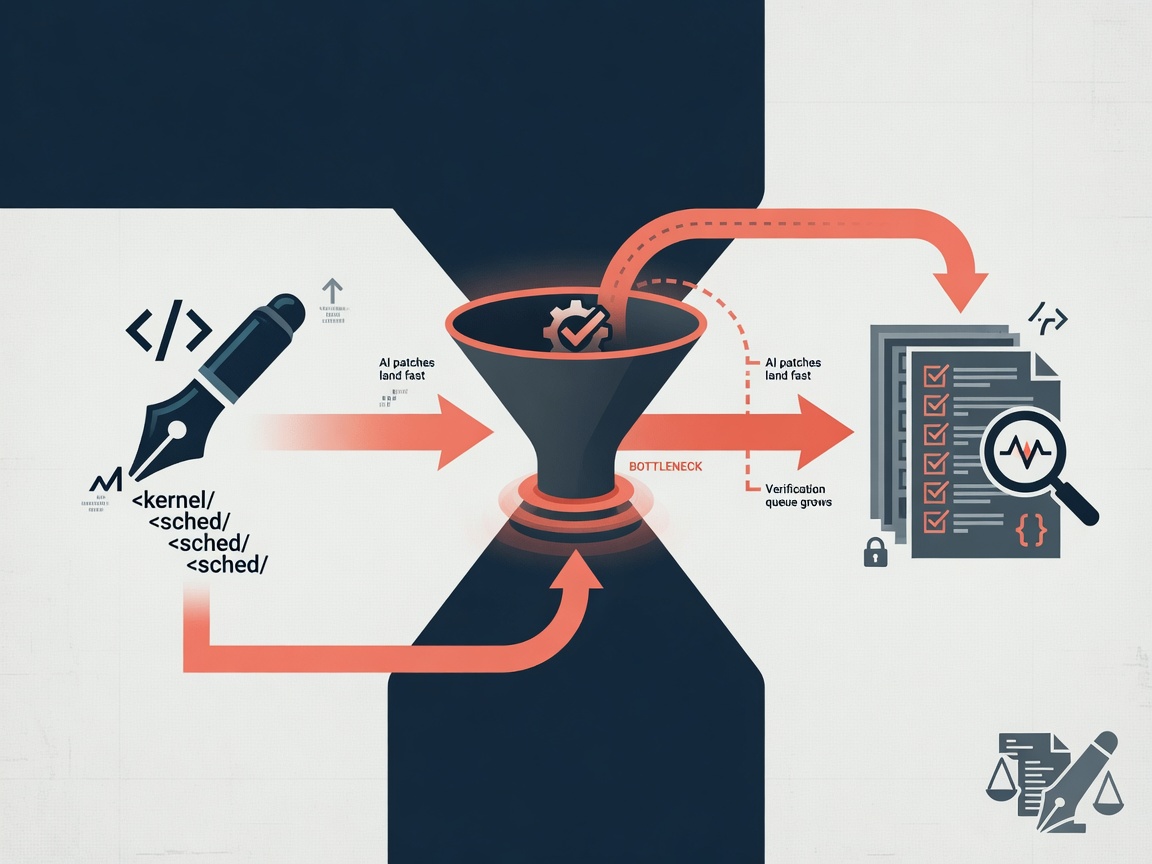
The real story here isn't just that AI is being used; it’s that we are redefining what 'human' contribution looks like at scale. When 1,200 commits are assisted, the human-in-the-loop becomes a human-in-the-editor. The bottleneck is shifting from 'who can write this' to 'who can verify this fast enough.' If Sashiko produces high-quality reviews at scale, the challenge for maintainers becomes maintaining the deep technical scrutiny that made Linux the gold standard. We need to be incredibly surgical about which subsystems we trust these automated reviews for, or we risk trading deep architectural understanding for sheer throughput.
Got a question about how this applies to you? →
Keep reading
Follow the thread
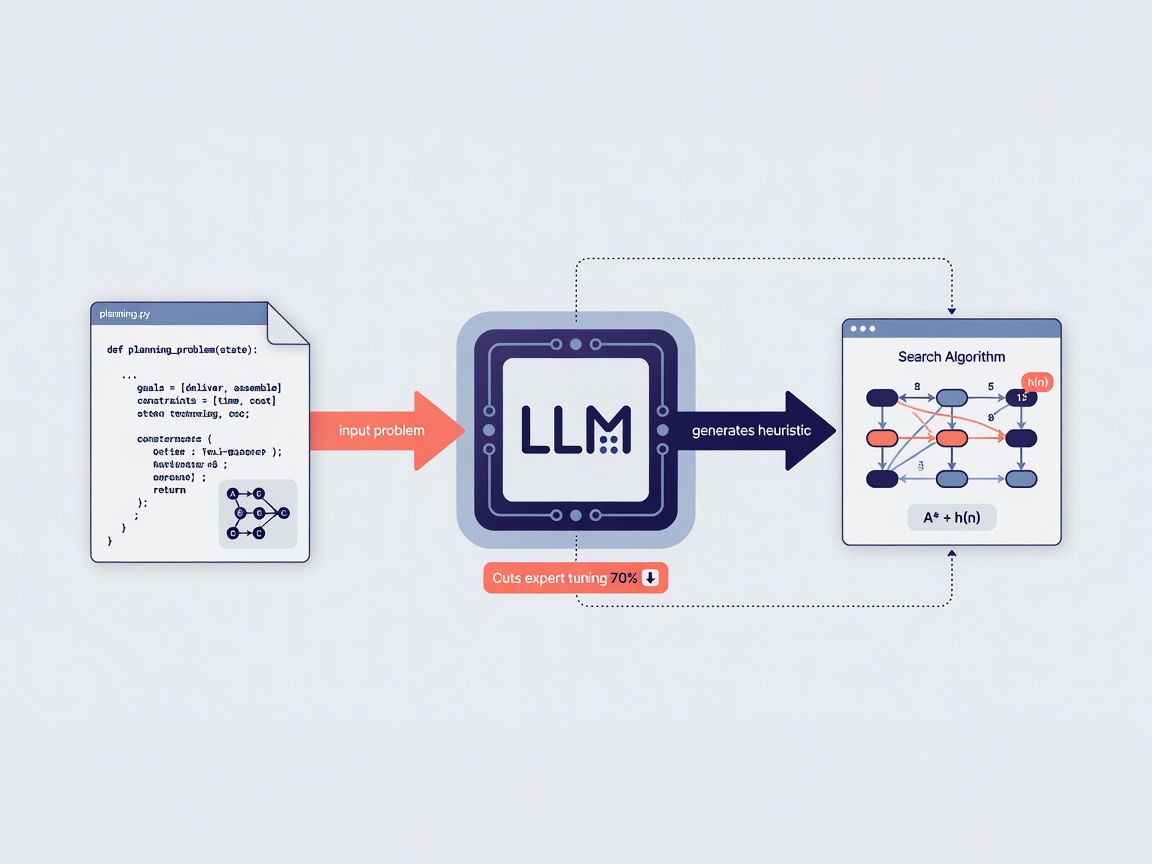
LLM Heuristics For Planning Tasks Cut Expert Tuning Costs
Classical planning systems have always needed expensive hand-tuned heuristics to work well on your specific problems. A new method has LLMs write them automatically from code-level problem definitions — with state-of-the-art benchmark results.
Read this noteSame lane, different angle
Poverty Mapping With Multimodal AI: What Actually Works
Fusing satellite imagery with LLM text lifts household wealth prediction from R²=0.63 to 0.77 - but one part of that pipeline didn't earn its keep.
LLMs in Cybersecurity: Reading Past the 50% Malware Claim
A new survey claims LLM-generated malware will account for 50% of detected threats in 2025, up from just 2% in 2021 — and that projection is doing more work than any evidence behind it. The paper, a synthesis of over 70