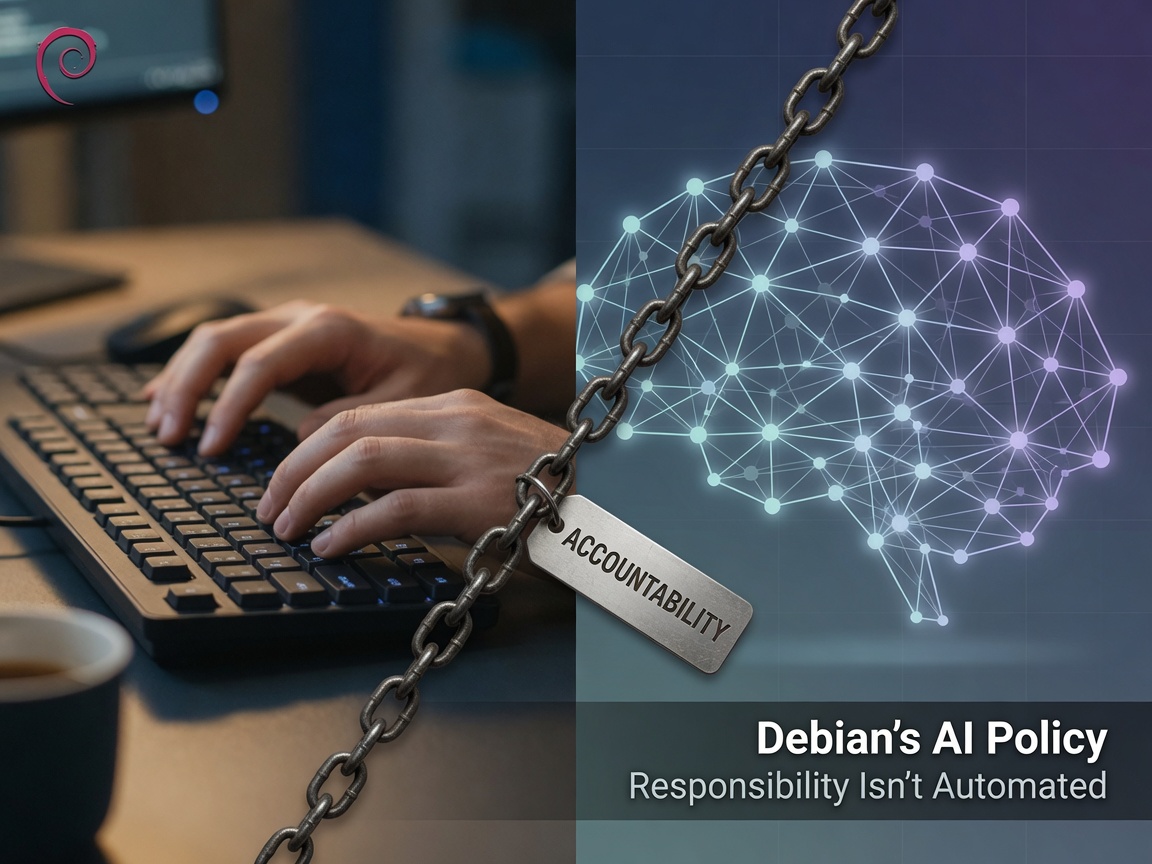
Debian’s AI Policy: Responsibility Isn't Automated
If you can't defend every line an LLM spat out, you have no business hitting 'merge'.
Automation needs a narrow first win
The best first AI workflow is usually a repeated task with a clear input, clear output, and a human approval step.
Debian isn't banning AI in software development, but they've issued a clear warning for anyone planning to hit "generate" and call it a day. If you're using LLMs to contribute to major projects, the responsibility for every line of code remains entirely on your shoulders.
Maintaining the Quality Bar Regardless of Origin
Debian’s policy on generative AI tools is essentially a "use at your own risk" framework for the open-source community. They aren't banning the tech, but they are establishing a hard line on accountability that many developers might overlook when they first start using LLMs to churn out code or documentation.
The Debian Project recognizes that generative AI can improve contributor productivity, but the core requirement remains unchanged: every contribution must satisfy existing standards for quality, correctness, and maintainability. From a technical standpoint, the "black box" nature of an LLM is irrelevant to the final pull request. If a tool generates a snippet that works in a clean demo but fails under specific edge cases or violates legal compliance, the responsibility for that failure sits squarely with the human who submitted it. You can't offload the "why" of your code to a model; you are still the gatekeeper of the repository's integrity.
Worth a look
Phugialy Picks

AI Engineering: Building Applications with Foundation Models
A practical guide to building real-world applications with foundation models and LLMs.

GMKtec K15 AI Mini PC Oculink Intel Ultra 5 125U 32GB DDR5 512GB SSD | Desktop Computer AI Boost, 3X M.2 2280 Storage Expansion, Dual NIC...

GEEKOM IT15 AI Mini PC, Intel Ultra 9 285H(99 Tops), 32GB DDR5, 1TB SSD | The Most Powerful Workstation,Arc 140T GPU,WiFi 7,8K Business D...
Some Phugialy Picks use affiliate links. If you buy through one, Phugialy may earn a commission. It doesn't change what we recommend. Full disclosure →
The Reality of the Review Cycle
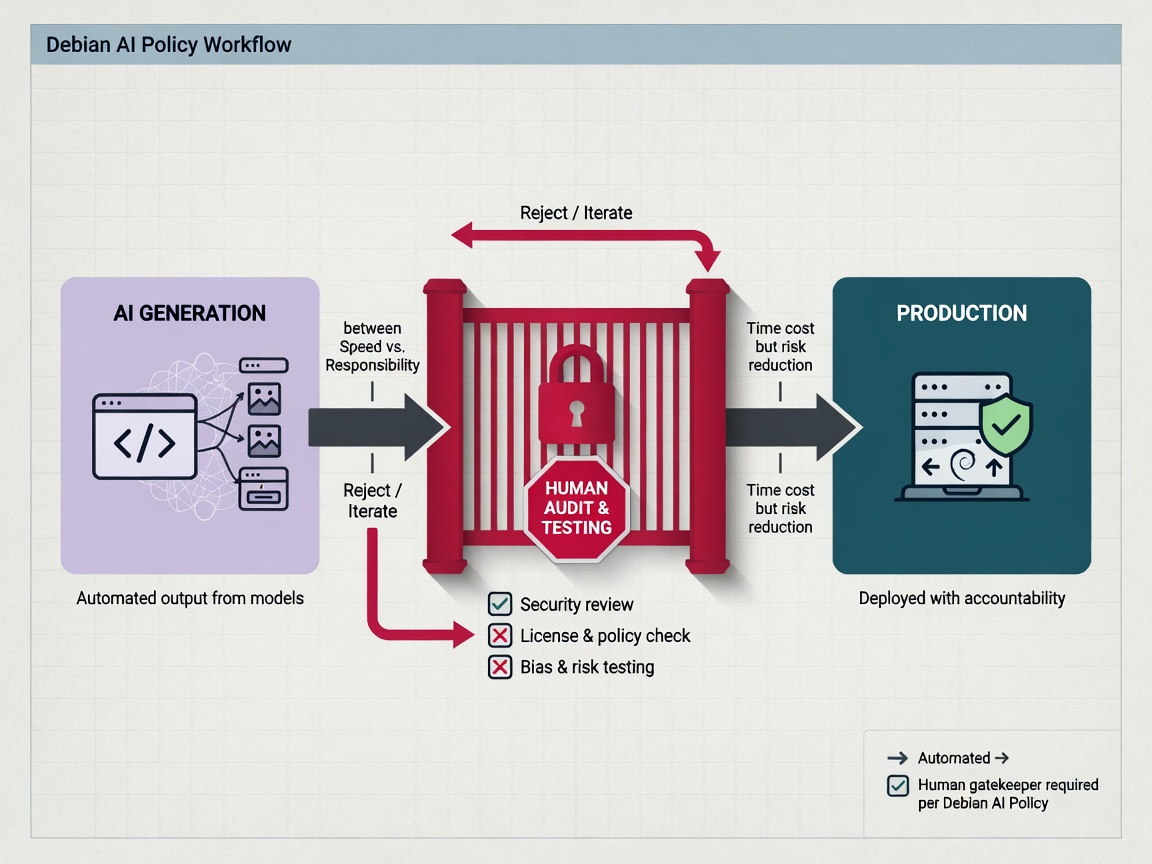
The policy explicitly states that contributors must understand, review, test, and modify AI-assisted output before it is incorporated into the project. This is where the friction happens in a real-world development workflow. It is easy to generate a function that solves a specific problem in a vacuum. It is much harder to ensure that function doesn't introduce a memory leak in a long-running daemon or violate a license because of a specific training set.
If you don't have the time to actually test and modify the output, then using the tool doesn't actually improve your productivity—it just moves the bug further down the pipeline and increases the technical debt you'll eventually have to pay. The real question isn't whether the AI can write the code; it's what happens when you are forced to audit every single line of that output for production-scale stability.
The Liability Gap in Production
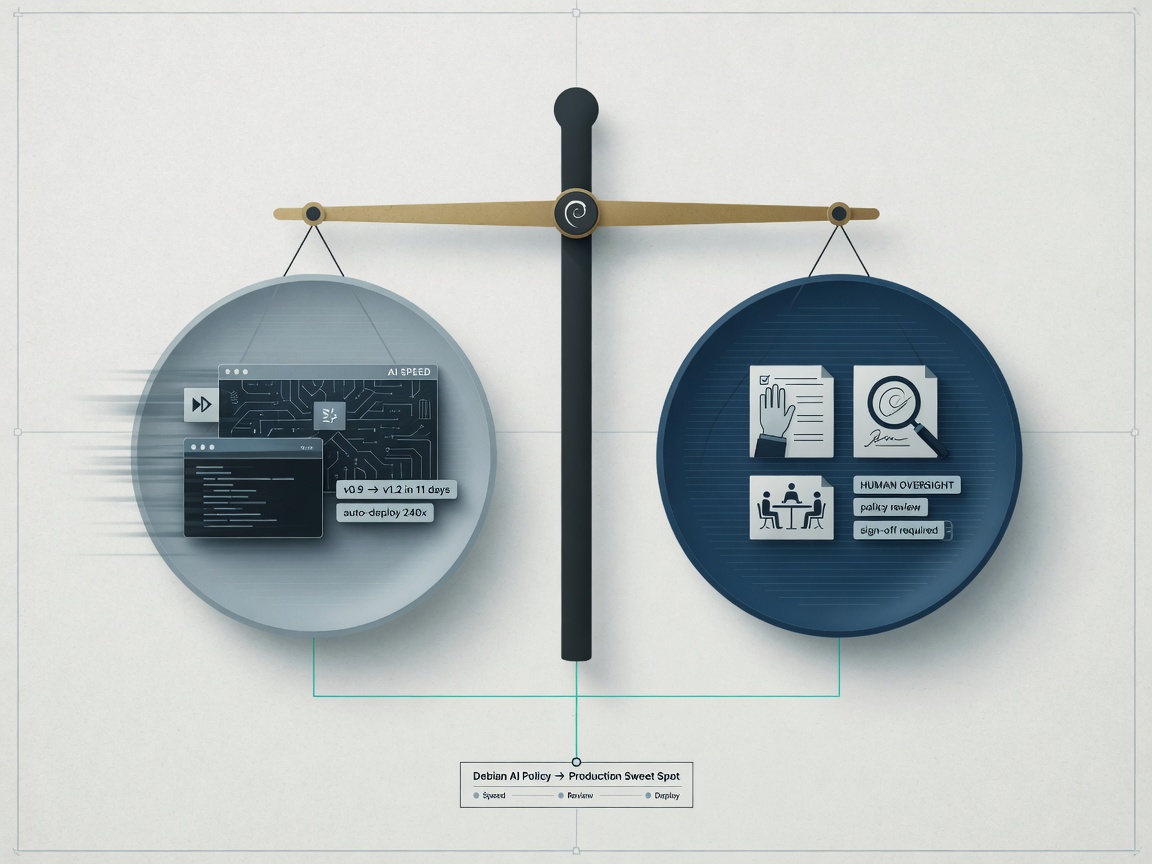
What this actually points to is a significant shift in how we need to think about the "cost" of AI integration. The real story here isn't about whether AI can write code; it's about who pays the price when the AI writes code that is technically functional but operationally dangerous. By making it clear that the use of a tool does not diminish responsibility, Debian is forcing a standard of "informed submission."
For a developer, this means you can't treat an LLM as a junior dev you can just "assign" tasks to without supervision. You have to treat it more like a high-speed, slightly hallucination-prone intern whose work requires a 100% audit rate. If the audit process becomes too cumbersome because the AI output is too unpredictable, the productivity gains of the tool disappear. The challenge for teams will be finding that sweet spot where the tool helps move the needle without creating a massive bottleneck in the review phase.
Got a question about how this applies to you? →
Keep reading
Follow the thread
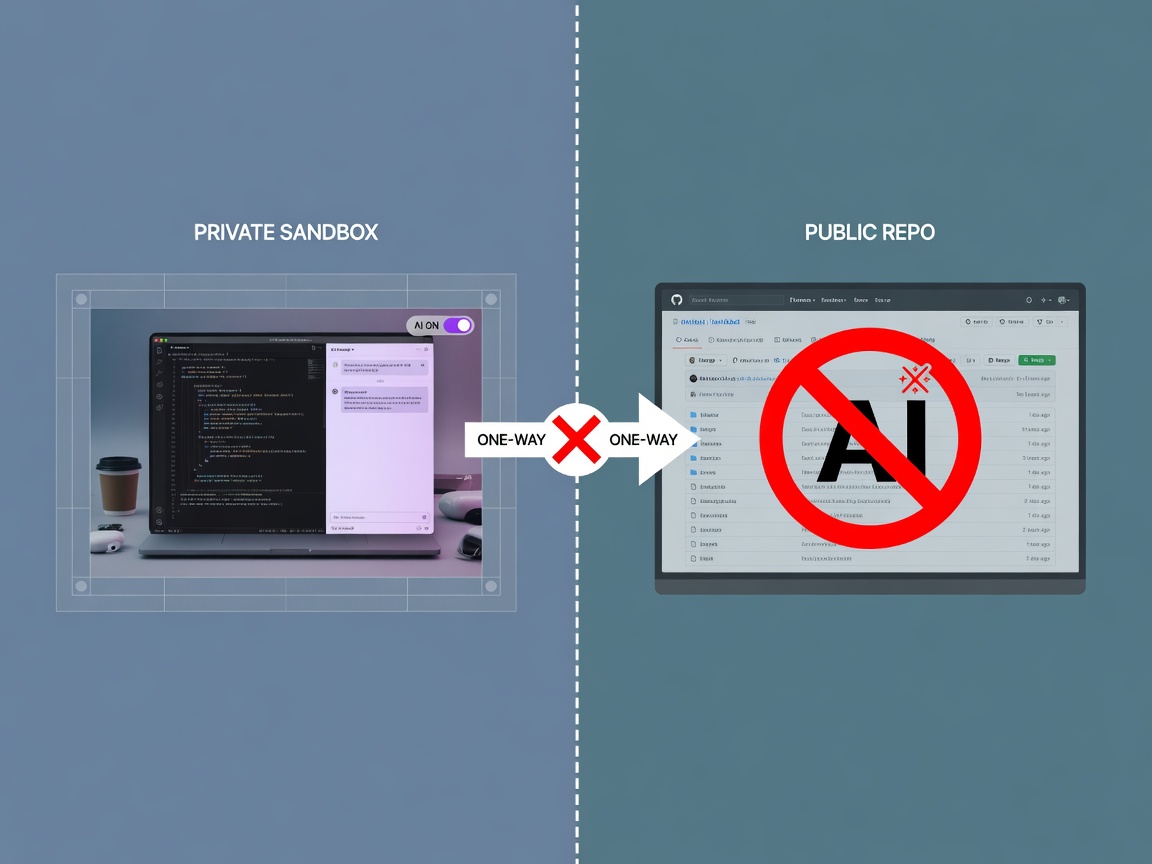
OpenJDK’s AI Policy: Why Your Copilot Output is a One-Way Street
Oracle just dropped a reality check on how we use AI in the OpenJDK ecosystem. As the corporate sponsor, they’re drawing a hard line: you can use AI as a personal power tool, but you can't let it do the heavy lifting in
Read this noteSame lane, different angle
From Prototype to Production: Mastering the Engineering Superpower in the AI Era
Let’s be real: the 'blank page' problem is officially on life support. We’ve all been there—staring at a blinking cursor, trying to figure out where the boilerplate ends and the actual magic begins. Well, thanks to AI, t
The Technical Debt of Unconsented Training Data
For anyone building in the AI space, the line between 'human-made' and 'machine-output' isn't just a philosophical debate—it’s becoming a massive trust and scalability problem. We recently saw a creator with a 20-year ha