The Evolution of Your Wrist: What Samsung’s AI Health Data Move Actually Unlocks
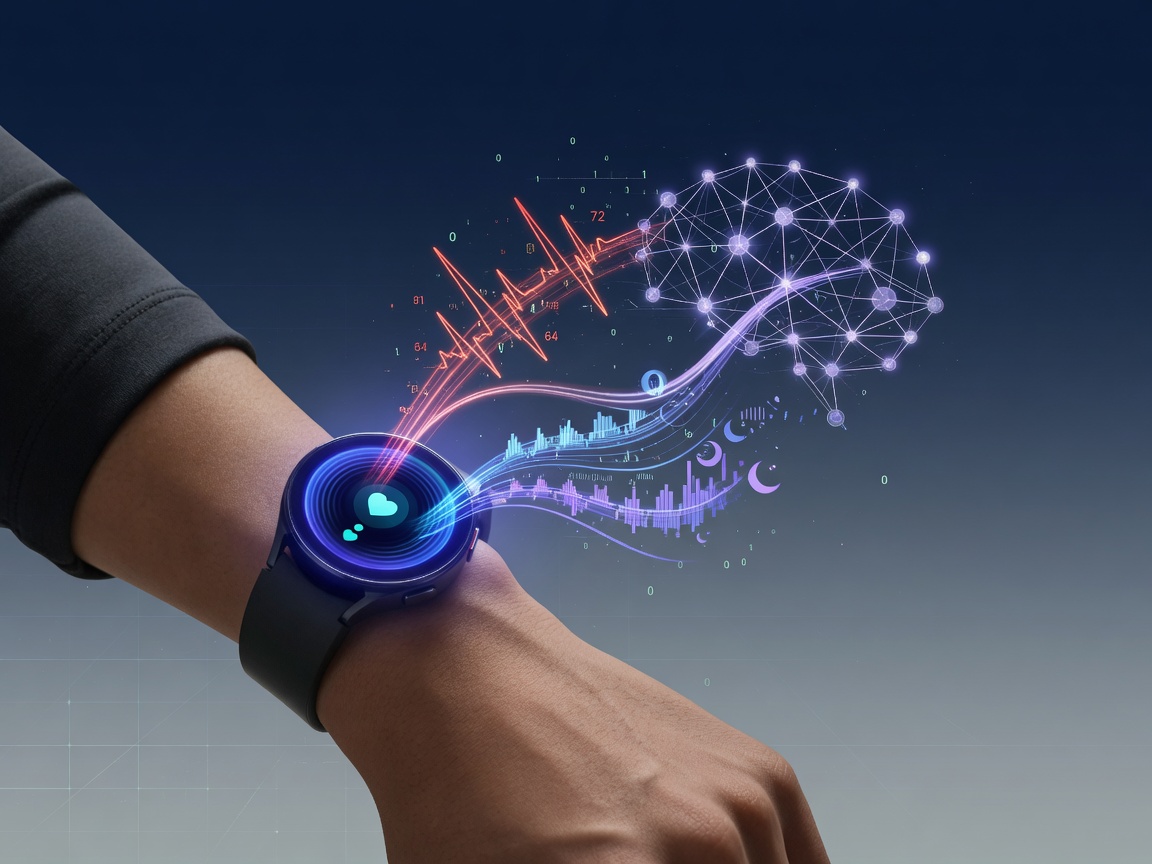
Samsung is about to turn your personal health stats into the secret sauce for their next-gen AI. With the Galaxy Watch 9 on the horizon, we’re looking at a massive leap in how wearables actually "get" our bodies.
Automation needs a narrow first win
The best first AI workflow is usually a repeated task with a clear input, clear output, and a human approval step.
Imagine your wearable isn't just a digital diary of where you've been, but a high-tech coach for where you're going. We’ve spent years watching smartwatches count our steps and track our heart rates, but we’re about to enter a much cooler era. Samsung is gearing up for a massive Generative AI overhaul, and the secret sauce? It’s going to be powered by some of our most personal health insights.
Powering the Next Gen of Wearable Intelligence
With the upcoming Galaxy Watch 9 and One UI 9 Watch, Samsung is rolling out a 'Consent to the Use of Health Data for AI training and modelling' toggle in the Samsung Health app. This is a big deal for the ecosystem. By opting in, you’re letting Samsung use data points like sleep patterns, medication logs, medical records, and cycle tracking to sharpen their machine learning algorithms. This is where the magic happens. We’re moving past basic metrics into the complex territory of lifestyle and biology.
But there’s a catch: if you skip the consent, your health data won't back up to your Samsung account and will be wiped (unless the law says otherwise). It’s a clear signal that this collective data pool is the rocket fuel for the next generation of personalized tech. It's a bold move that prioritizes the 'intelligence' of the device over the 'storage' of the individual.
Worth a look
Phugialy Picks

The Agentic AI Bible: The Complete and Up-to-Date Guide to Design, Develop, and Scale Goal-Driven, LLM-Powered Agents that Think, Execute...

OMOTON C2 Adjustable Aluminum Phone Stand
We'd buy this if: You want your phone upright on your desk for calls/notifications without a cable getting in the way.
We'd skip this if: You never keep your phone on your desk.
Screen Mom Screen Cleaner Spray (16oz)
We'd buy this if: You've been wiping your monitor with your shirt sleeve.
We'd skip this if: You already have a cleaning routine sorted.
Some Phugialy Picks use affiliate links. If you buy through one, Phugialy may earn a commission. It doesn't change what we recommend. Full disclosure →
The Human Touch in the Machine
One of the coolest technical bits here is the 'human-in-the-loop' approach. Samsung plans to have both internal employees and third-party contractors review some of this data. While that might sound intense, it’s actually a hallmark of high-quality AI development. By combining automated learning with human oversight, Samsung is aiming to build a model that’s both massive and nuanced.
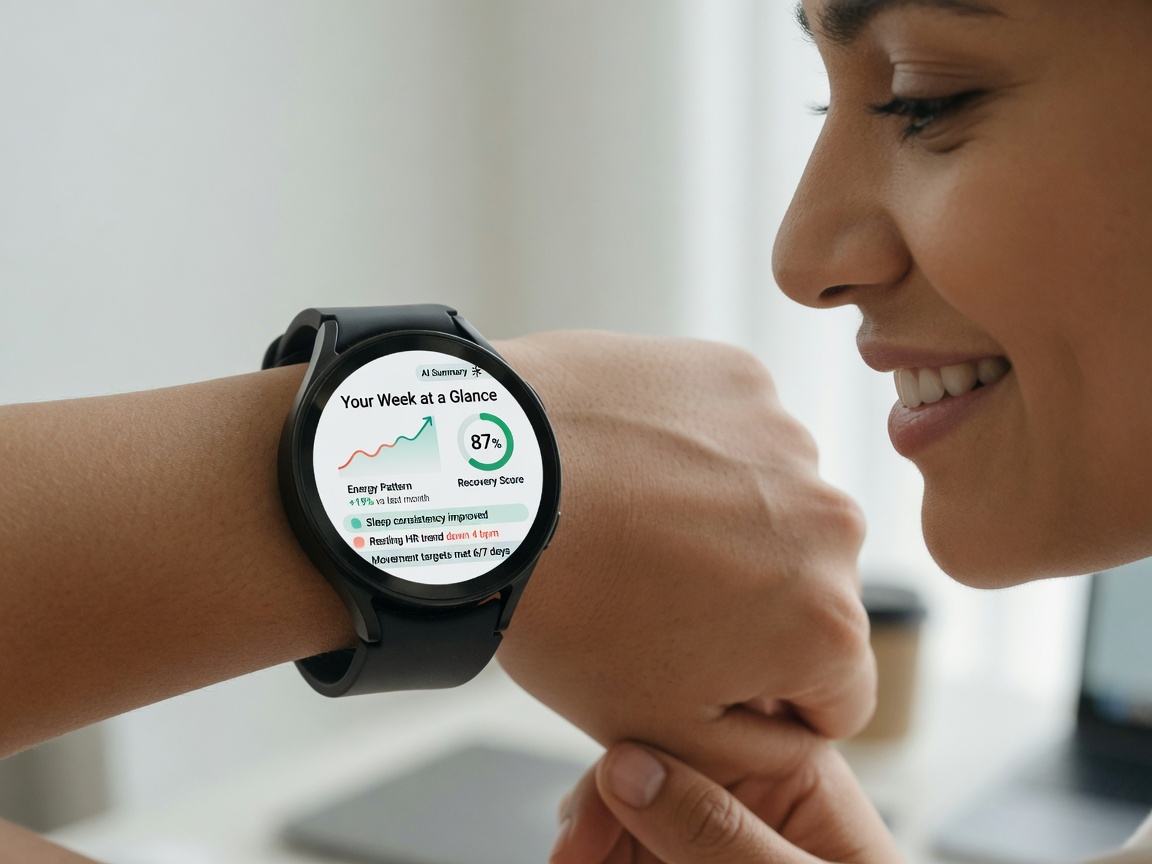
They want to move beyond 'one-size-fits-all' advice to something that feels truly tailored. The goal is to make Samsung Health understand the tiny differences in how different bodies react to different stimuli, turning your watch into a sophisticated health companion rather than just a glorified spreadsheet. It's about making the tech feel more human, not less.
From Reactive Tracking to Proactive Health Intuition
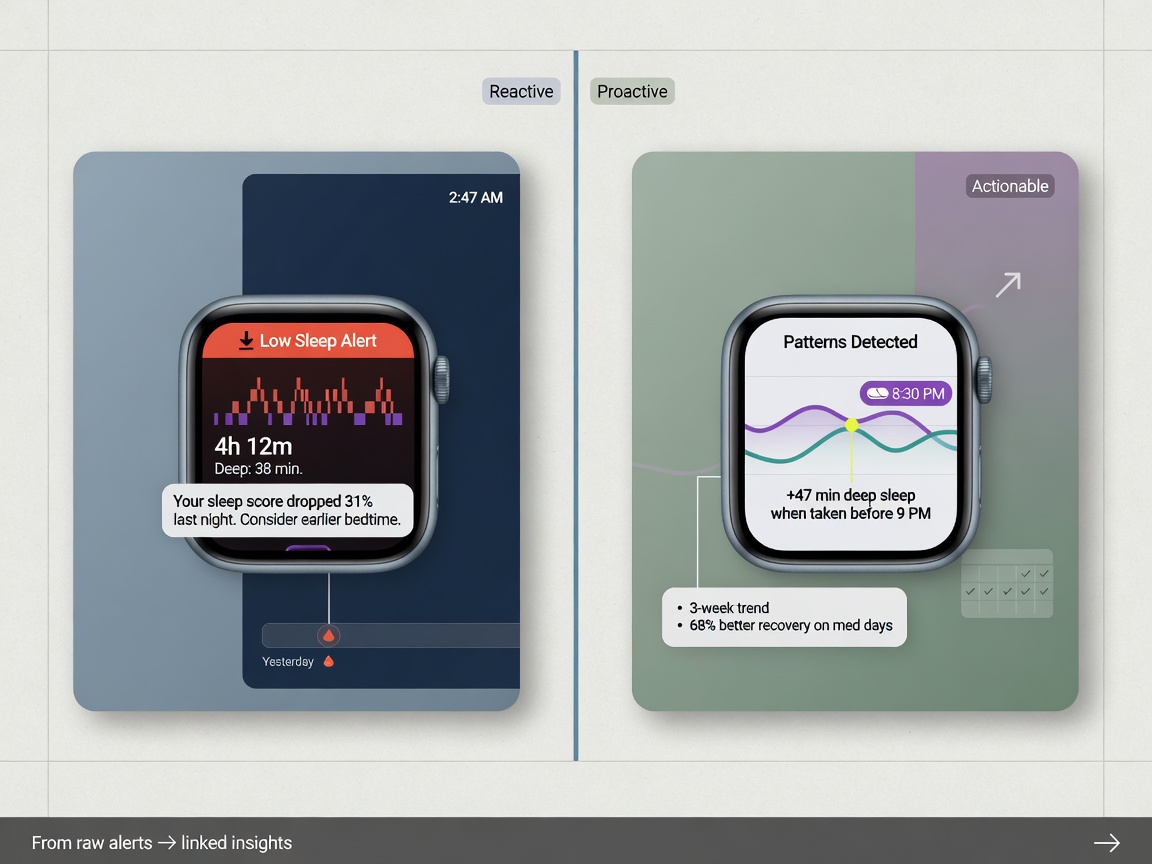
The real story here isn't just about training a bigger model; it's about the shift from reactive tracking to proactive health intuition. Most wearables tell you what already happened—your sleep score was low, or your heart rate spiked. By training on a holistic dataset that includes things like medication adherence and cycle tracking, this tech is tackling 'contextual health.'
Give it a year, and we could see a shift where your watch recognizes a pattern before you even feel the symptoms. If the AI can learn how your specific meds interact with your sleep quality, it opens the door for preventative insights that are actually useful. We’re moving from 'data collection' to 'meaningful narrative,' and that is the exciting frontier we’re about to cross together!
Got a question about how this applies to you? →
Keep reading
Follow the thread

Debian’s AI Policy: Responsibility Isn't Automated
If you can't defend every line an LLM spat out, you have no business hitting 'merge'.
Read this noteSame lane, different angle
The Technical Debt of Unconsented Training Data
For anyone building in the AI space, the line between 'human-made' and 'machine-output' isn't just a philosophical debate—it’s becoming a massive trust and scalability problem. We recently saw a creator with a 20-year ha
OpenJDK’s AI Policy: Why Your Copilot Output is a One-Way Street
Oracle just dropped a reality check on how we use AI in the OpenJDK ecosystem. As the corporate sponsor, they’re drawing a hard line: you can use AI as a personal power tool, but you can't let it do the heavy lifting in