AI Data Center Expansion Meets Its Neighbors in Court
A Michigan data center running at jet-engine volume wants to expand tenfold - and its neighbors just made it a federal case. The lawsuit is also an unplanned cost breakdown for everyone building AI infrastructure.
Automation needs a narrow first win
The best first AI workflow is usually a repeated task with a clear input, clear output, and a human approval step.
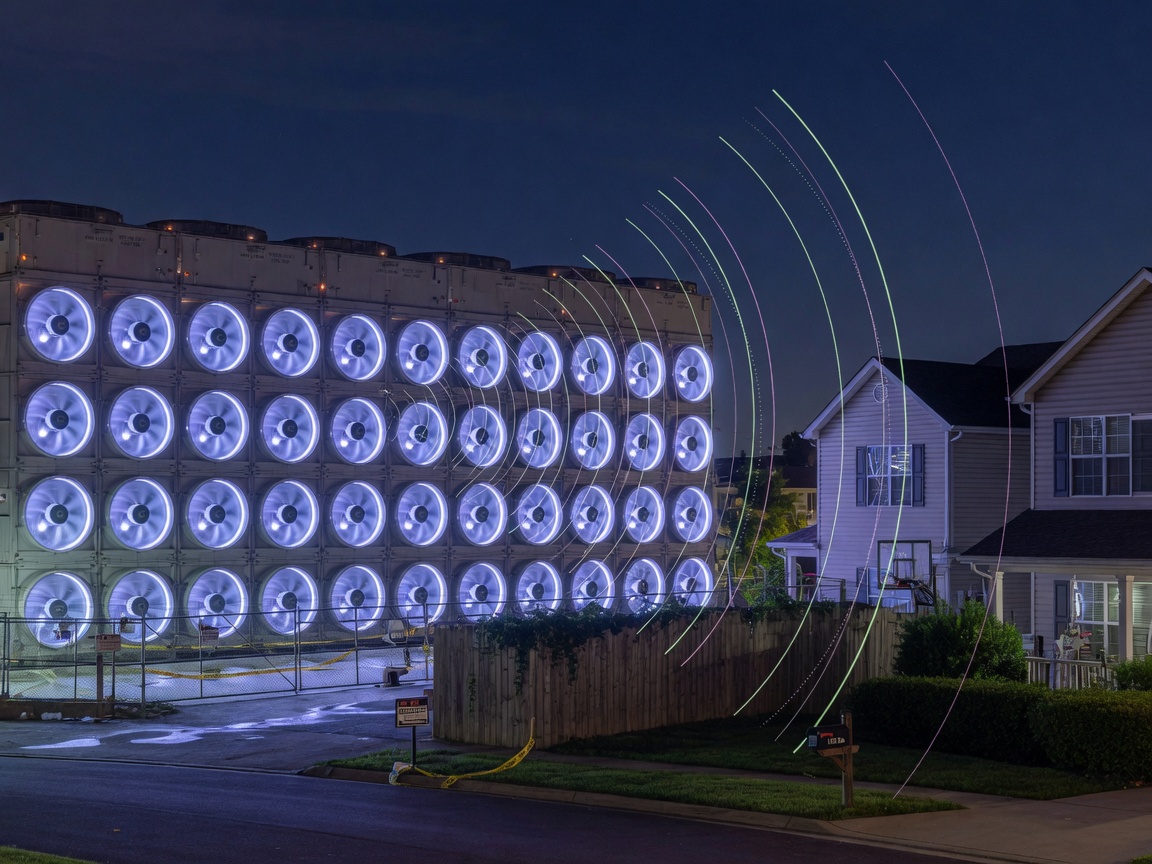
A data center that already runs at 60-70 decibels around the clock wants to expand tenfold, and the neighbors are taking it to federal court. That's the situation in Dowagiac, Michigan, where residents have filed a class-action lawsuit against Alliance Cloud Services over its plan to scale the facility from 30 megawatts to 340 megawatts. For anyone budgeting AI infrastructure, this case is a working cost breakdown of the expenses that never show up in a capex line: noise complaints, ordinance revisions, litigation, and utility rate pressure.
What The Numbers Actually Show
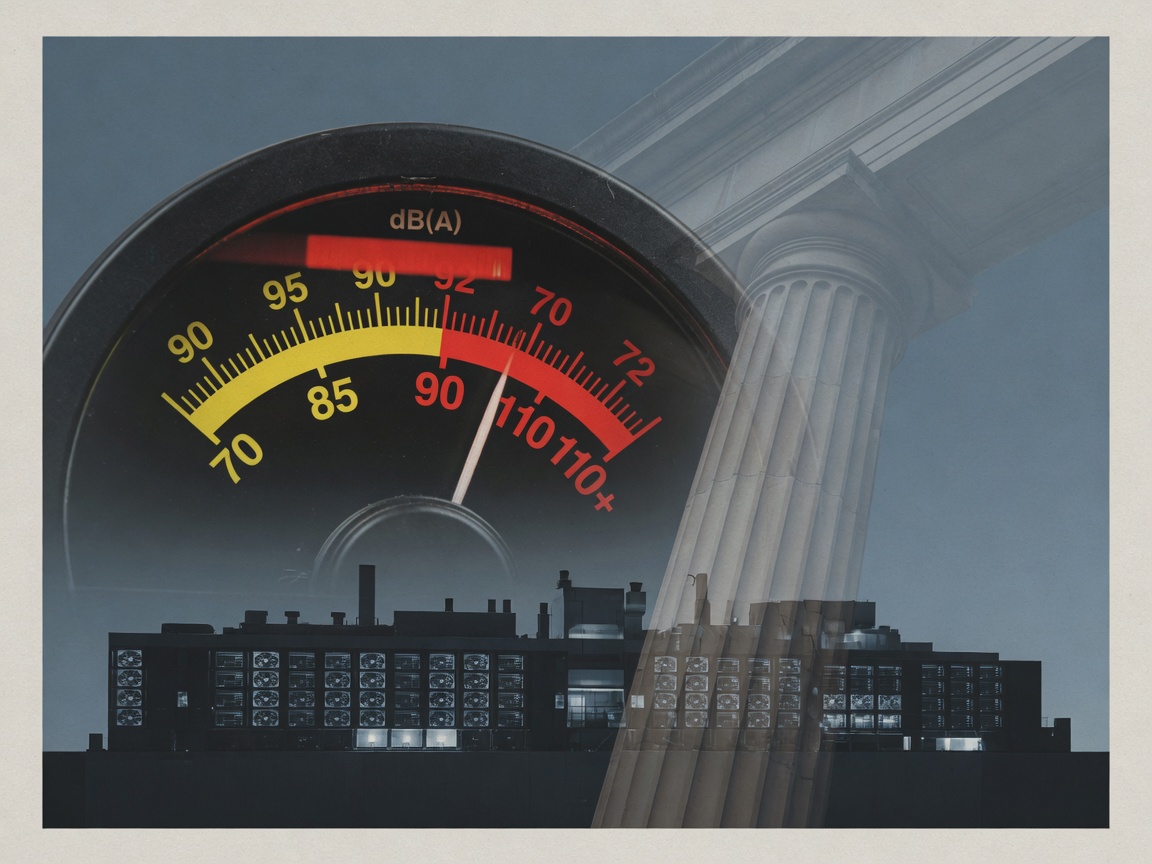
The lawsuit alleges nuisance and negligence on behalf of all owner-occupants and renters within one mile of the facility. The complaint centers on chronic noise from industrial cooling arrays - measured around 63.9 decibels, in the 60-70 dB range - which residents compare to the sound of a jet engine. That's loud enough to matter for acoustic health, and it's constant, not intermittent.
Dowagiac already revised its noise ordinance in March 2026 following complaints about the cooling fan noise, which tells you the local government tried to solve this administratively before it became a federal case. The lawsuit describes the planned tenfold expansion as a transformation of an entire neighborhood's acoustic environment - not an incremental change, but a different place to live.
Worth a look
Phugialy Picks

AI Engineering: Building Applications with Foundation Models
A practical guide to building real-world applications with foundation models and LLMs.

GMKtec K15 AI Mini PC Oculink Intel Ultra 5 125U 32GB DDR5 512GB SSD | Desktop Computer AI Boost, 3X M.2 2280 Storage Expansion, Dual NIC...

AI: Understand the Revolution: From Basics and Buzzwords to Tech Giants, Governments, and Your Future
Some Phugialy Picks use affiliate links. If you buy through one, Phugialy may earn a commission. It doesn't change what we recommend. Full disclosure →
The Power Bill Nobody Budgeted
The noise is only half the exposure. According to the source reporting, a single 1-gigawatt data center could push residential electric rates up 5 to 10 percent without protective policies in place - and there's a 16-gigawatt data center pipeline in play. Modern AI facilities can consume as much power as 100,000 homes while employing only a skeleton crew of permanent workers.
That ratio is the part worth sitting with. A facility drawing residential-scale power returns almost no residential-scale employment or tax base in exchange - at least not locally. The costs (grid strain, rate increases, acoustic health impacts) land on nearby residents; the benefits accrue elsewhere.
What This Actually Points To
My read: the binding constraint on AI infrastructure buildout isn't land or capital anymore - it's the social license to operate, and that license is priced in decibels and utility bills. Alliance Cloud Services' real cost here isn't legal fees; it's that every future site selection now carries a documented precedent of a federal class action triggered by cooling fan noise. Anyone siting similar facilities should assume noise mitigation engineering (enclosures, setbacks, quieter cooling designs) is a mandatory line item from day one, not a retrofit after the first lawsuit.
For operators, this is worth treating as an operational condition before signing anything: if your expansion changes ambient sound levels for neighbors or strains local generation capacity without rate protections negotiated upfront, expect organized opposition and litigation risk as a standard cost of doing business. For businesses adopting AI services downstream, none of this changes your tooling decisions directly - but sustained rate pressure and community pushback on data center buildout could eventually show up as siting delays and capacity constraints upstream. Watch how many more Dowagiacs appear; that count is your real leading indicator.
Got a question about how this applies to you? →
For more on how physical infrastructure constraints shape AI builds at scale, see "The Infrastructure Debt of xAI's Colossus Build."
Keep reading
Follow the thread
Direct-OPD: Reusing RL Signals to Train Stronger Models
A 1.7B model gained ten points on AIME 2024 in four hours on eight A100 GPUs — without running RL on it at all. Direct-OPD treats the RL-induced policy shift from a weaker teacher as a dense implicit reward, and that reframing is what lets small models improve big ones.
Read this noteSame lane, different angle
Ban Artificial Superintelligence Act: What It Really Proposes
Two senators have put a permanent ban on superintelligent AI on the legislative table — with corporate death penalties attached. Whether it can be enforced is a different question entirely.
When Frontier AI Labs Outgrow Government Oversight
At some point, a government may find itself trying to regulate an AI provider whose technology it simultaneously depends on. That line, from a recent piece on the institutional power of frontier AI labs, is the sharpest