The Model's the Easy Part: Why Infrastructure Control is the New AI Moat
# The Model's the Easy Part: Why Infrastructure Control is the New AI Moat Autumn 2022. IT budgets froze for 2023. ChatGPT launched November 30, 2022. CEOs were impressed by early-stage GenAI. By 2024, approximately 90
Automation needs a narrow first win
The best first AI workflow is usually a repeated task with a clear input, clear output, and a human approval step.
The Model's the Easy Part: Why Infrastructure Control is the New AI Moat
Autumn 2022. IT budgets froze for 2023. ChatGPT launched November 30, 2022. CEOs were impressed by early-stage GenAI.
By 2024, approximately 90% of those GenAI pet projects were culled because they weren't promising. Only about 10% started going through GRC for deployment. In 2025, applications entered production with varying guardrailing and cost tracking. Agentic coding became real in late 2025. By 2026, internal and external usage of GenAI in production is expected to explode.
The most important shift in AI over the last two years has been adoption velocity, not model capability. Model capabilities have improved dramatically over the last two years, especially for open source and open weight models. AI in production has gone from a handful of well-resourced tech companies to thousands of teams across every sector.
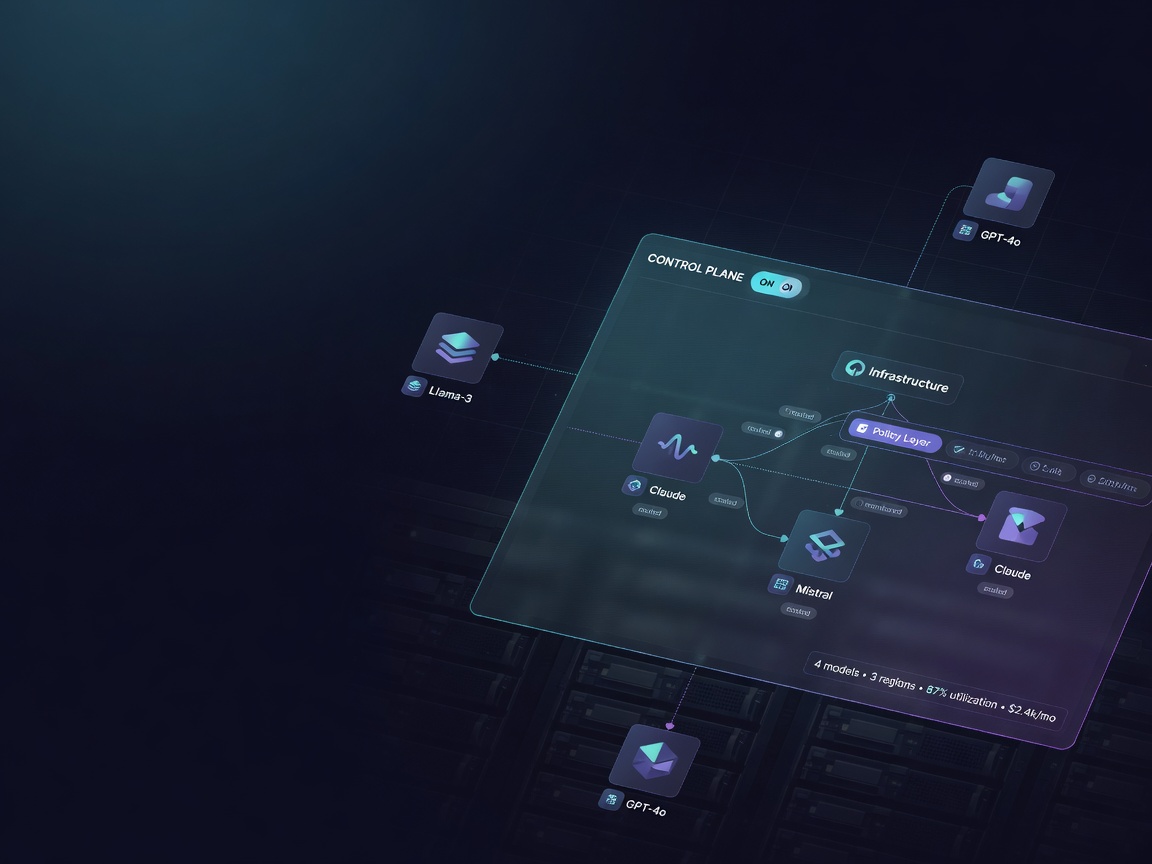
But control is the new moat in AI infrastructure. Otari is a control plane for LLMs, open-source at its core. Open source is an absolute requirement for adoption in the most important industries, agencies, and organizations. Organizations that instrument for control now will have an operational advantage that compounds.
The future of AI is about who controls the layer above the models. ServiceNow's Amit Zavery said: 'Every customer, when they're thinking of AI adoption and agentic, they're worried about control.'
Most teams are not using one model; they are using dozens of different models. Each model has its own API, pricing, latency profile, and rate limits. AI inference scales non-linearly, causing costs to increase disproportionately with usage. Most teams don't find out what they're on the hook for until they get the invoice.
There is no native tooling across providers to surface AI costs before it's too late. As AI moves into regulated industries, compliance requires knowing which model said what, when, to whom, and why. Current infrastructure has no answer for compliance requirements around AI model usage. This multi-provider architecture is not sustainable.
Control means routing requests intelligently by cost, capability, latency, and compliance. Control means real-time observability into what your AI is doing and why. Control means setting policies at the org level and having them enforced consistently. Control means swapping providers without rewriting your application layer.
Michael Dell of Dell Inc said: 'What cloud delivered was elastic scale: what it didn't promise, and cannot perhaps deliver, is cost-predictable agentic AI at scale on sensitive enterprise data.'
Palantir's Alex Karp said: 'What the technical customers want is control over their compute, their models, their data stack and their alpha. They want to know they own the means of production.'
Organizations should own their inference and AI stack.
Worth a look
Phugialy Picks

AULA F99 Wireless Mechanical Keyboard,Tri-Mode BT5.0/2.4GHz/USB-C Hot Swappable Custom Keyboard,Pre-lubed Linear Switches,RGB Backlit Com...
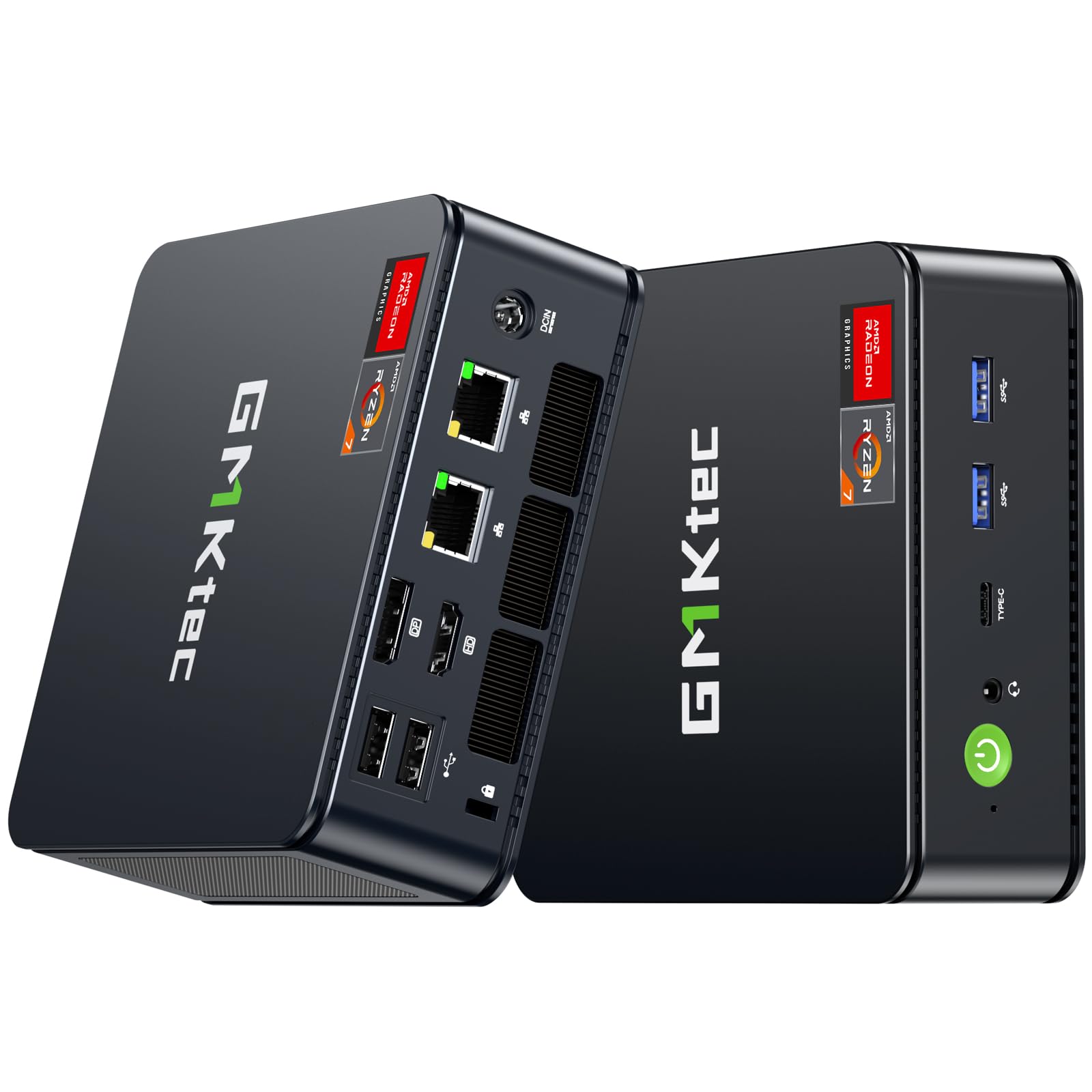
GMKtec M5 Ultra Gaming Mini PC Ryzen 7 7730U 32GB RAM 512GB SSD
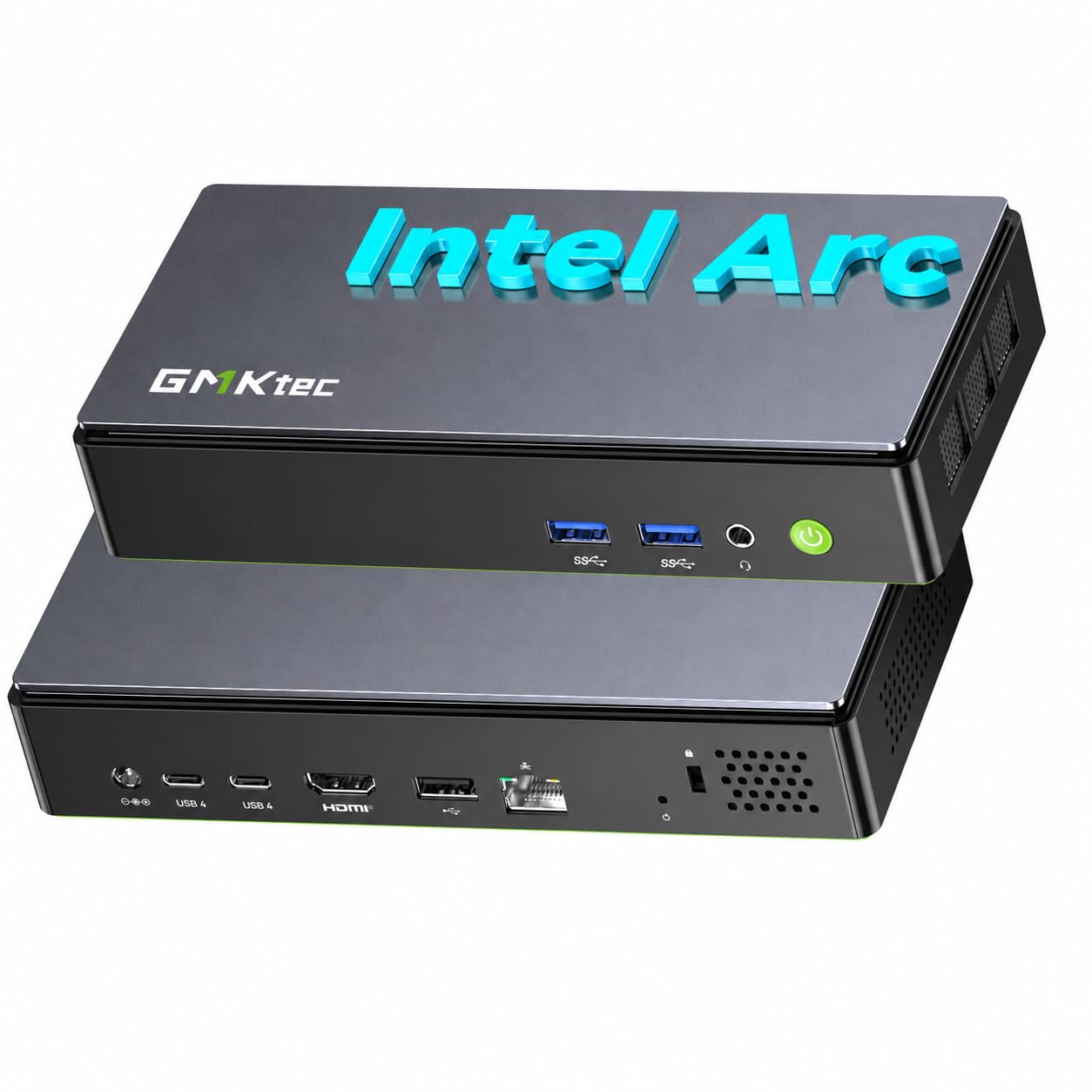
GMKtec K13 AI Mini PC Intel Core Ultra 7 256V 16GB LPDDR5X 1TB SSD
Some Phugialy Picks use affiliate links. If you buy through one, Phugialy may earn a commission. It doesn't change what we recommend. Full disclosure →
Got a question about how this applies to you? →
Keep reading
Follow the thread
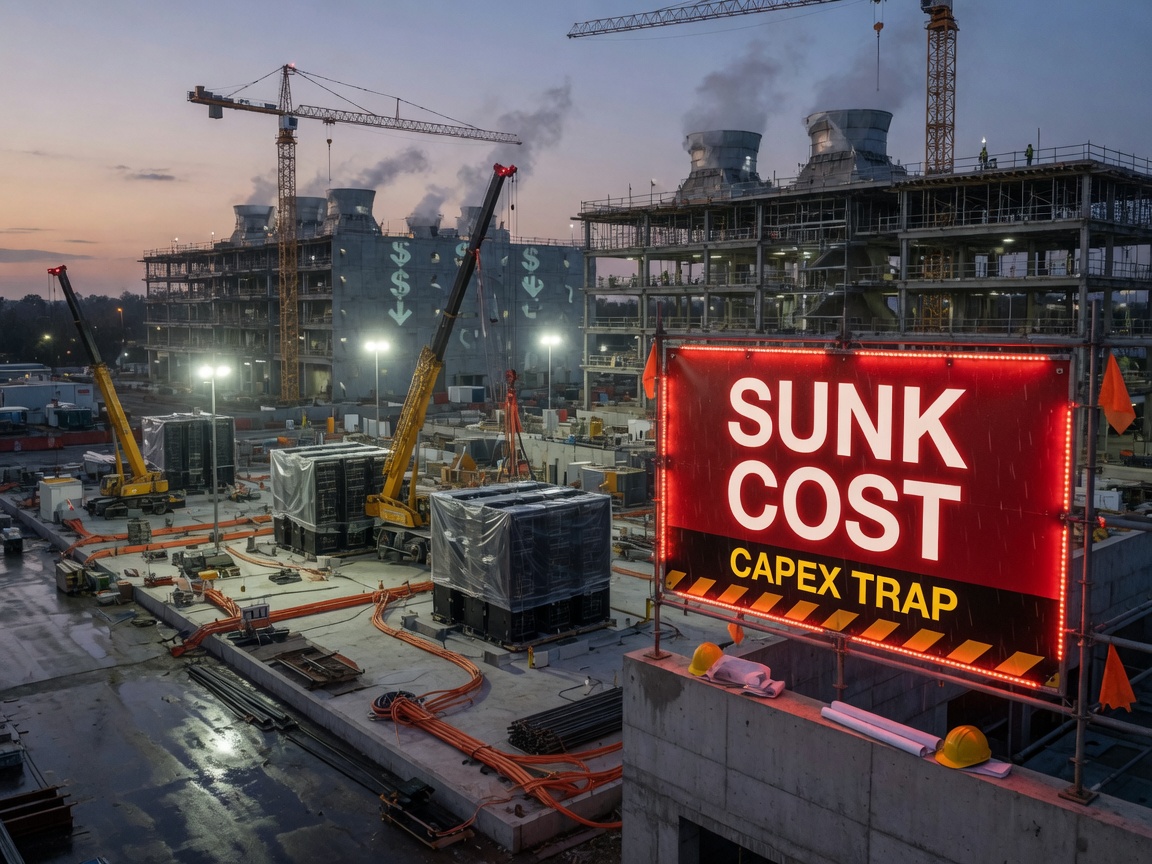
The Capex Trap: Why Big Tech is Doubling Down on AI Infrastructure
Let’s cut through the hype and look at the actual balance sheets. Big tech's Q2 earnings are starting to reveal a massive friction point: the gap between astronomical capital expenditure (Capex) and actual, broad-based e
Read this noteSame lane, different angle
SenseTime’s Galaxy Project: The Software Play for Hardware Independence
SenseTime is moving past the 'chip replacement' phase and into a full-stack infrastructure play. By launching the Galaxy Project, they aren't just trying to source better silicon; they are attempting to build a domestic
The ROI Reality Check: Navigating the AI Infrastructure Correction
Nvidia’s 5% share price drop on Monday, which saw it lose its position as the world’s most valuable listed company to Apple, represents a fundamental recalibration of the AI investment thesis. We are moving out of a peri