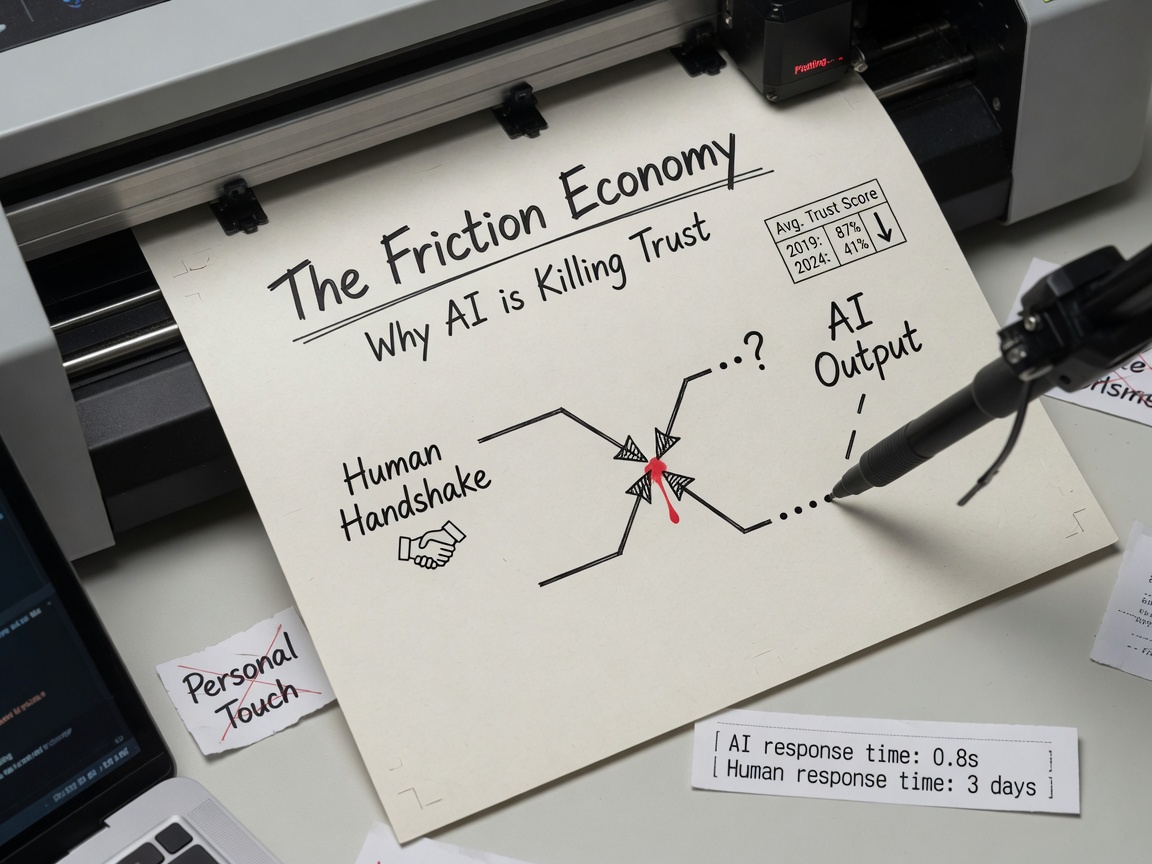
The Friction Economy: Why AI is Killing Trust
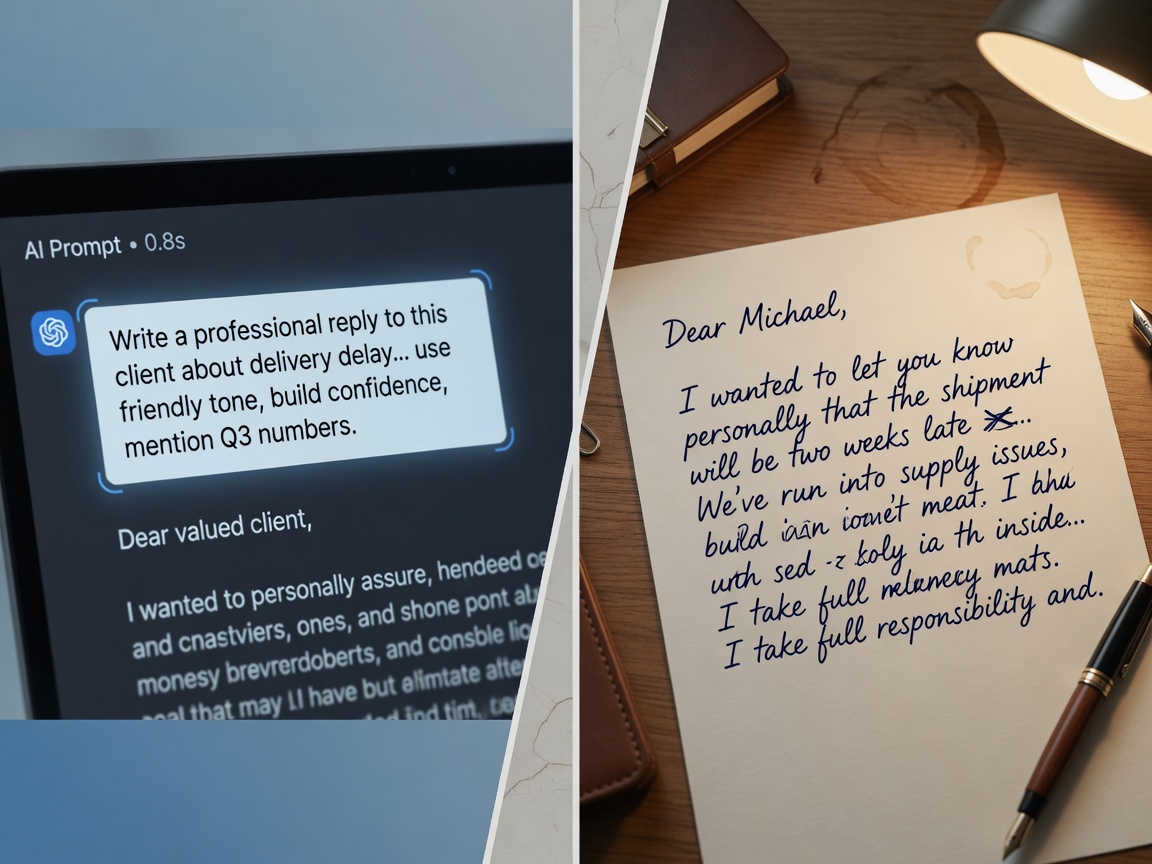
If a perfect message costs zero effort to ship, does it actually carry any weight?
Automation needs a narrow first win
The best first AI workflow is usually a repeated task with a clear input, clear output, and a human approval step.
LLMs have effectively commoditized the act of putting thoughts into writing. When anyone can generate a coherent, well-structured message in seconds, the perceived effort behind that message drops to zero. We’re hitting a wall where the ease of production makes it nearly impossible to prove genuine commitment. If the 'cost' of generating text is no longer a proxy for how much someone actually cares, we have to rethink how we build trust in our communications.
The Return of High-Friction Media
To counter this, we’re seeing a massive shift toward methods that require physical effort or high-bandwidth interaction. This isn't just some 'retro' trend; it's a move toward 'proof of care.' Handwriting and physical flyers are resurfacing because they represent a tangible investment of time and physical movement. It’s about intentionality. Even as technology tries to bridge this gap—like people using pen plotters to create imitation handwritten flyers at scale—the underlying goal remains the same: finding a way to signal that a message wasn't just copy-pasted from a prompt.
We’re also seeing a move toward things that are harder to fake with an LLM. Tattoos and public storytelling are becoming the new gold standard for broadcasting commitment. They involve permanent physical changes or real-time, high-bandwidth performances. When you can't easily automate a face-to-face gathering or a live performance, these interactions become the primary way to transmit complex ideas that require a high degree of trust.
Worth a look
Phugialy Picks

The Agentic AI Bible: The Complete and Up-to-Date Guide to Design, Develop, and Scale Goal-Driven, LLM-Powered Agents that Think, Execute...

livho Blue Light Blocking Computer Glasses
We'd buy this if: You spend most of your day staring at a screen and haven't tried blue light glasses yet.
We'd skip this if: You already wear prescription glasses with a blue light coating, or don't notice eye strain.
INIU 10000mAh 45W Fast Charging Portable Power Bank
We'd buy this if: You've been caught with a dead phone/laptop away from an outlet more than once.
We'd skip this if: You're always near a charger anyway.
Some Phugialy Picks use affiliate links. If you buy through one, Phugialy may earn a commission. It doesn't change what we recommend. Full disclosure →
Engineering Signal in a Zero-Cost World
What this actually points to is the erosion of signal in our digital interactions. As builders, we’re trained to optimize for efficiency, but we’re reaching a point where efficiency has destroyed the value of the output. If a message costs nothing to produce, it conveys nothing about the sender's intent. The real story here isn't that the technology is failing to write well; it’s that it’s succeeding so well that it has stripped away our ability to distinguish between a human thought and a machine prompt.
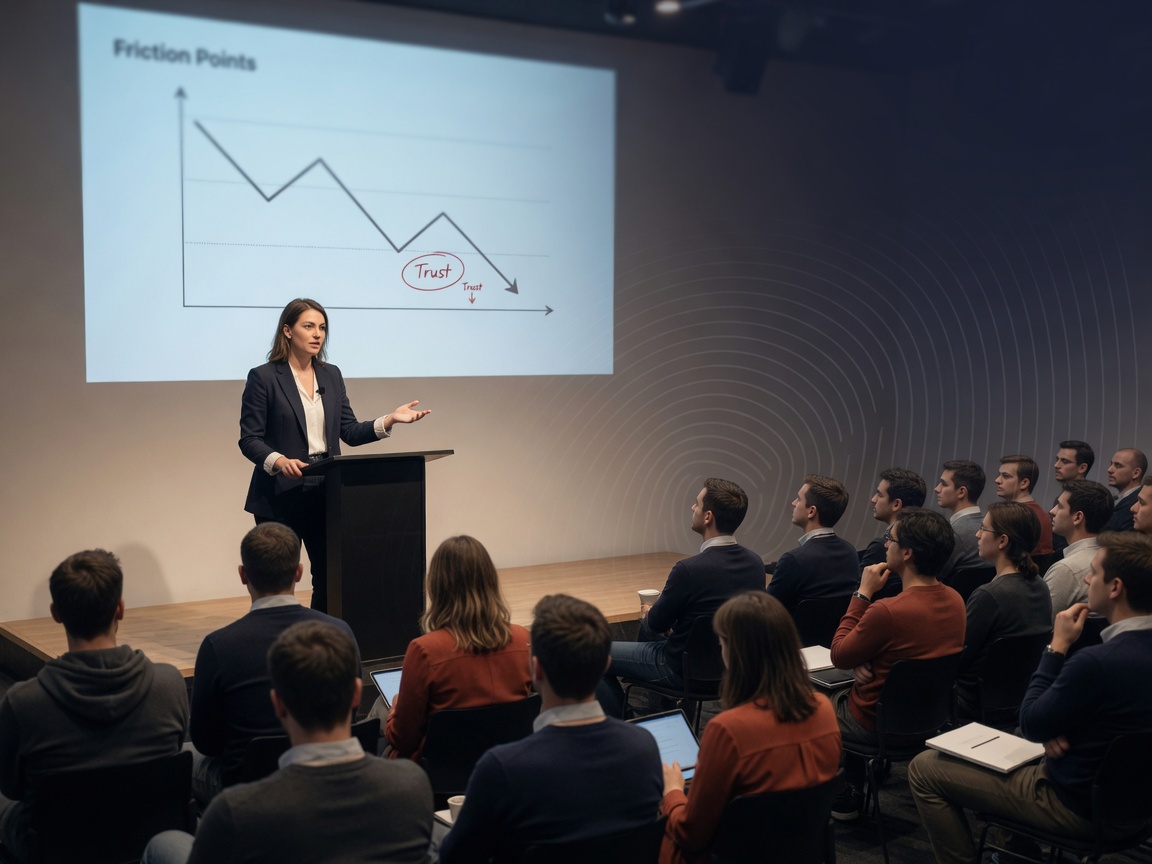
As we integrate more AI into our workflows, the real question isn't whether the demo works. It’s what happens when every piece of communication is perfectly polished but carries zero weight. We’re going to see a massive premium placed on high-bandwidth, 'high-friction' interactions because they are the only remaining ways to verify that a human is actually in the loop. If you want to build trust in a world of automated content, you have to find ways to reintroduce the friction that AI has removed.
Got a question about how this applies to you? →
Keep reading
Follow the thread
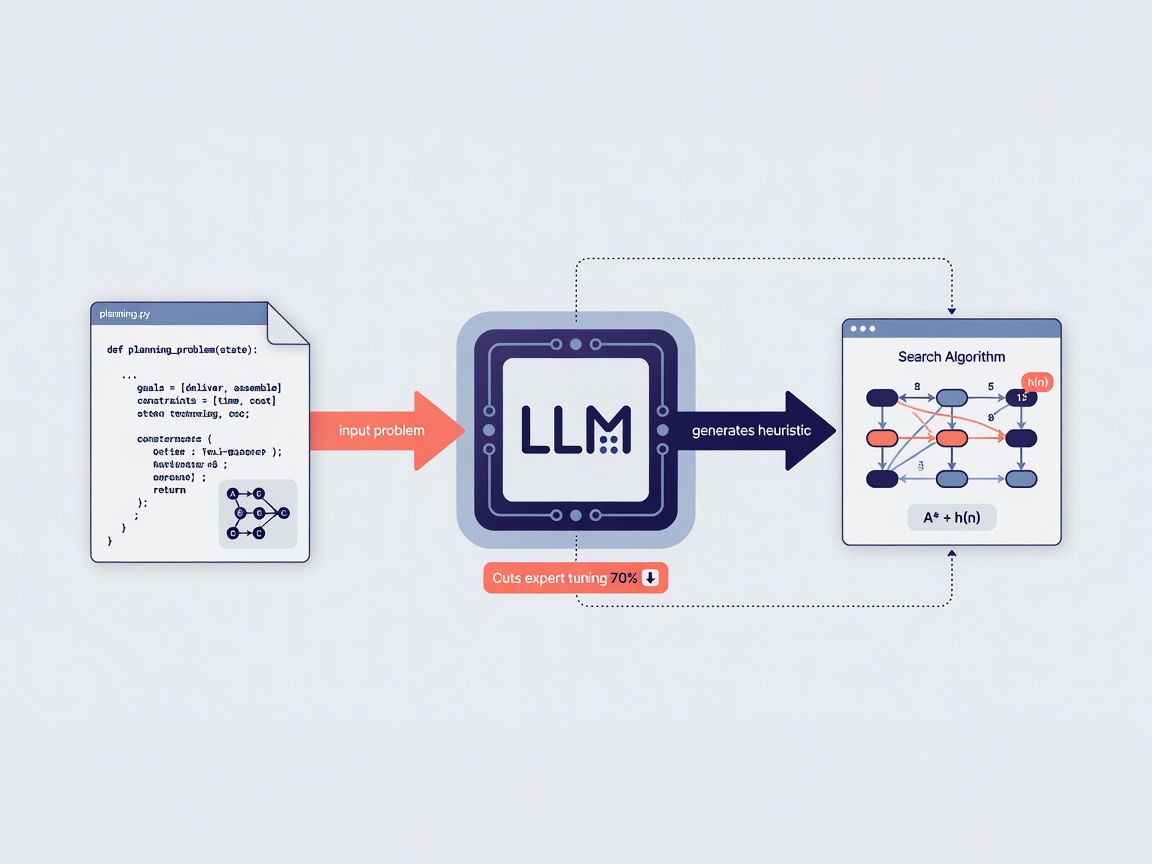
LLM Heuristics For Planning Tasks Cut Expert Tuning Costs
Classical planning systems have always needed expensive hand-tuned heuristics to work well on your specific problems. A new method has LLMs write them automatically from code-level problem definitions — with state-of-the-art benchmark results.
Read this noteSame lane, different angle
Poverty Mapping With Multimodal AI: What Actually Works
Fusing satellite imagery with LLM text lifts household wealth prediction from R²=0.63 to 0.77 - but one part of that pipeline didn't earn its keep.
LLMs in Cybersecurity: Reading Past the 50% Malware Claim
A new survey claims LLM-generated malware will account for 50% of detected threats in 2025, up from just 2% in 2021 — and that projection is doing more work than any evidence behind it. The paper, a synthesis of over 70