The Physicality Pivot: Why AI’s Next Frontier is Hardware, Not Just Hype
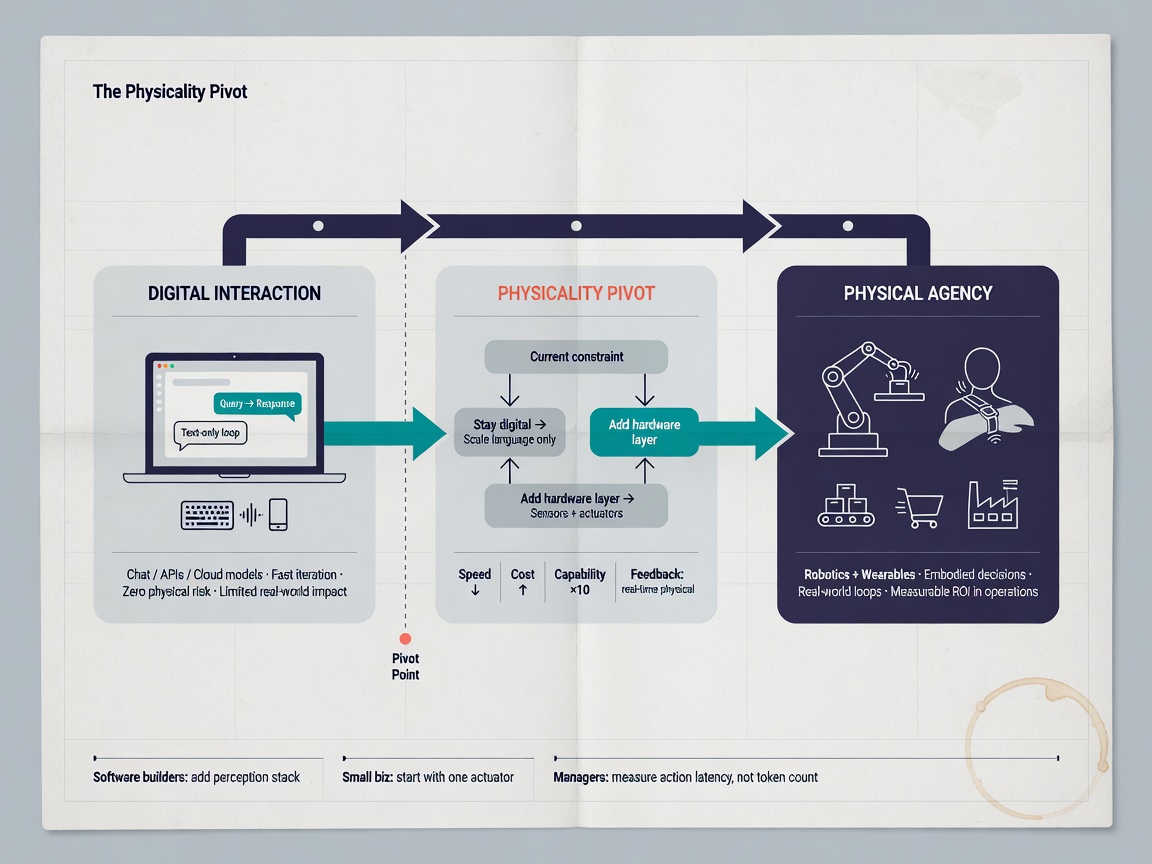
AI is moving from your screen into your physical space. From 1X's robotic hands to Meta's smart glasses, the next competitive frontier isn't just better chat—it's physical agency.
Automation needs a narrow first win
The best first AI workflow is usually a repeated task with a clear input, clear output, and a human approval step.
AI is moving beyond the screen as companies pivot from pure software models to physical agency and wearable integration. Recent developments from 1X, Meta, and Grok indicate a strategic shift in where the market is placing its bets. While large language models captured the initial hype, the current trajectory focuses on how AI integrates into the physical world—specifically through robotics, wearables, and expanded utility features that move beyond simple chat interfaces.
The Hardware Moat: Dexterity and Wearables
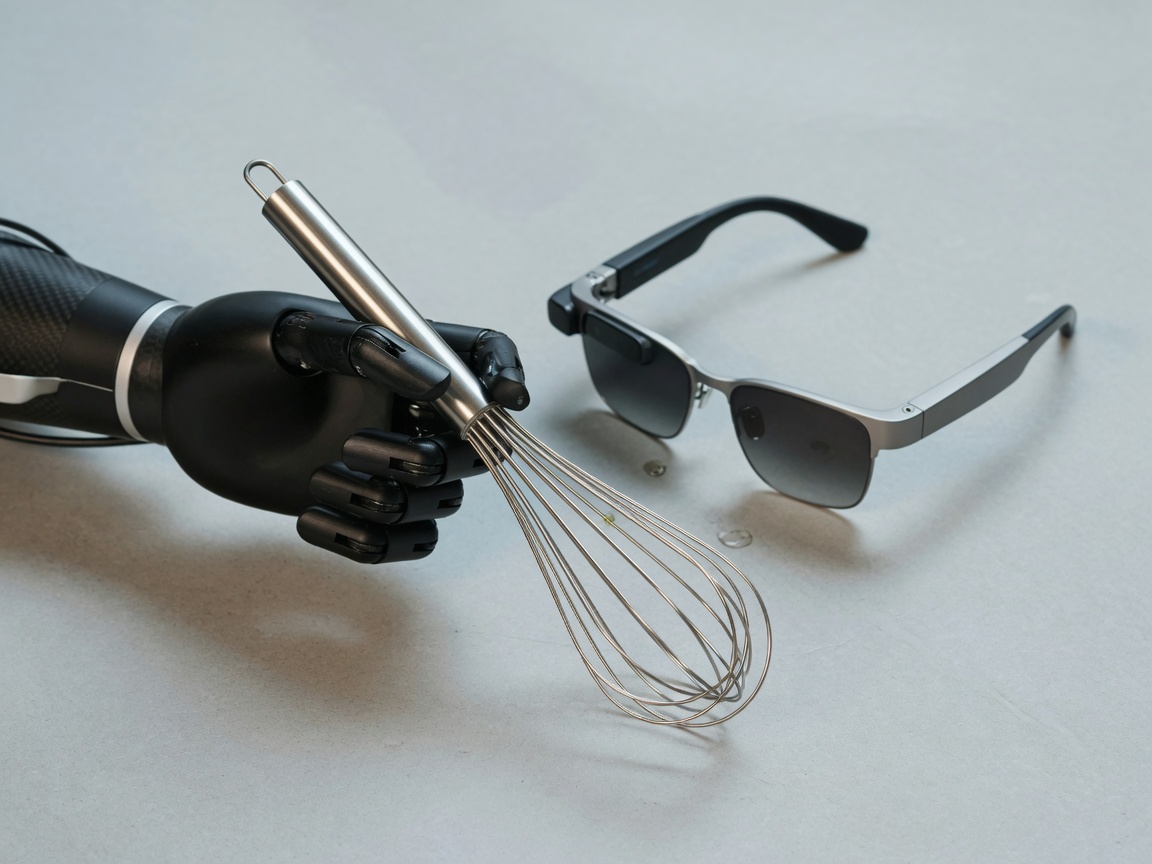
1X demonstrated new dexterous robotic hands in a July demo, while Meta continues to develop smart glasses. These are not just incremental software updates; they represent a bet on AI as a physical actor. For 1X, the focus on tactile precision suggests a push toward automation in environments that require more than just "thinking." For Meta, smart glasses indicate a desire to move the primary interface for AI from the palm of the hand to the face. The competitive signal here is clear: the next frontier of differentiation isn't just better text generation, but better integration into human environments and physical workflows. Companies are trying to solve the "last mile" problem of AI—moving it from a digital sandbox into a physical space where it can perform tasks or provide real-time, contextual information through hardware.
Worth a look
Phugialy Picks

Logitech G413 SE Full-Size Mechanical Gaming Keyboard - Black | Backlit, anti-ghosting, compatible with Windows and macOS, aluminum material

INIU 10000mAh 45W Fast Charging Portable Power Bank
We'd buy this if: You've been caught with a dead phone/laptop away from an outlet more than once.
We'd skip this if: You're always near a charger anyway.
OMOTON C2 Adjustable Aluminum Phone Stand
We'd buy this if: You want your phone upright on your desk for calls/notifications without a cable getting in the way.
We'd skip this if: You never keep your phone on your desk.
Some Phugialy Picks use affiliate links. If you buy through one, Phugialy may earn a commission. It doesn't change what we recommend. Full disclosure →
The Infrastructure Friction: Labor and Energy
Grok’s release of a translation feature highlights a different kind of scaling—utility-driven features that broaden the reach of existing models to diverse demographics. However, this expansion comes with growing friction. As these products scale, concerns regarding job displacement and the environmental cost of Big Tech's emissions are becoming central to the conversation. This is further evidenced by the influence of AI-related bonuses on the Korean chip worker market, signaling how the AI boom is already reshaping labor dynamics and compensation in hardware production. These aren't just externalities; they are becoming operational risks that companies must navigate as they seek to integrate AI more deeply into the global economy.
From Knowledge to Agency: The Strategic Pivot
The real story here is a pivot from AI as a knowledge source to AI as a physical and functional agent. By investing in dexterous robotics and wearable glasses, companies are signaling that the "easy" wins in software are being saturated. The move toward hardware suggests that the next phase of value creation depends on physical presence and real-world agency. This only matters if the technical hurdles of dexterity, battery life, and power efficiency can be overcome at scale; until then, these are high-stakes bets on a future where AI isn't just an assistant you talk to, but a tool that interacts with your physical space. For the market, this means the competitive landscape is shifting from "who has the best model" to "who can best deploy a model into a physical action." This transition will likely create significant pressure on hardware manufacturers and energy providers, as the physical requirements of AI become as critical as the algorithmic ones.
Got a question about how this applies to you? →
Keep reading
Follow the thread

The Capex Trap: Why Big Tech is Doubling Down on AI Infrastructure
Let’s cut through the hype and look at the actual balance sheets. Big tech's Q2 earnings are starting to reveal a massive friction point: the gap between astronomical capital expenditure (Capex) and actual, broad-based e
Read this noteSame lane, different angle
SenseTime’s Galaxy Project: The Software Play for Hardware Independence
SenseTime is moving past the 'chip replacement' phase and into a full-stack infrastructure play. By launching the Galaxy Project, they aren't just trying to source better silicon; they are attempting to build a domestic
The ROI Reality Check: Navigating the AI Infrastructure Correction
Nvidia’s 5% share price drop on Monday, which saw it lose its position as the world’s most valuable listed company to Apple, represents a fundamental recalibration of the AI investment thesis. We are moving out of a peri