The Physical Ceiling: Why AI Scaling Isn't a Magic Trick
Let’s get real for a second: AI development often feels like a race of pure logic, but it’s actually a battle against the laws of physics. We love to talk about 'hard takeoff'—that idea of a sudden, exponential leap in c
Automation needs a narrow first win
The best first AI workflow is usually a repeated task with a clear input, clear output, and a human approval step.
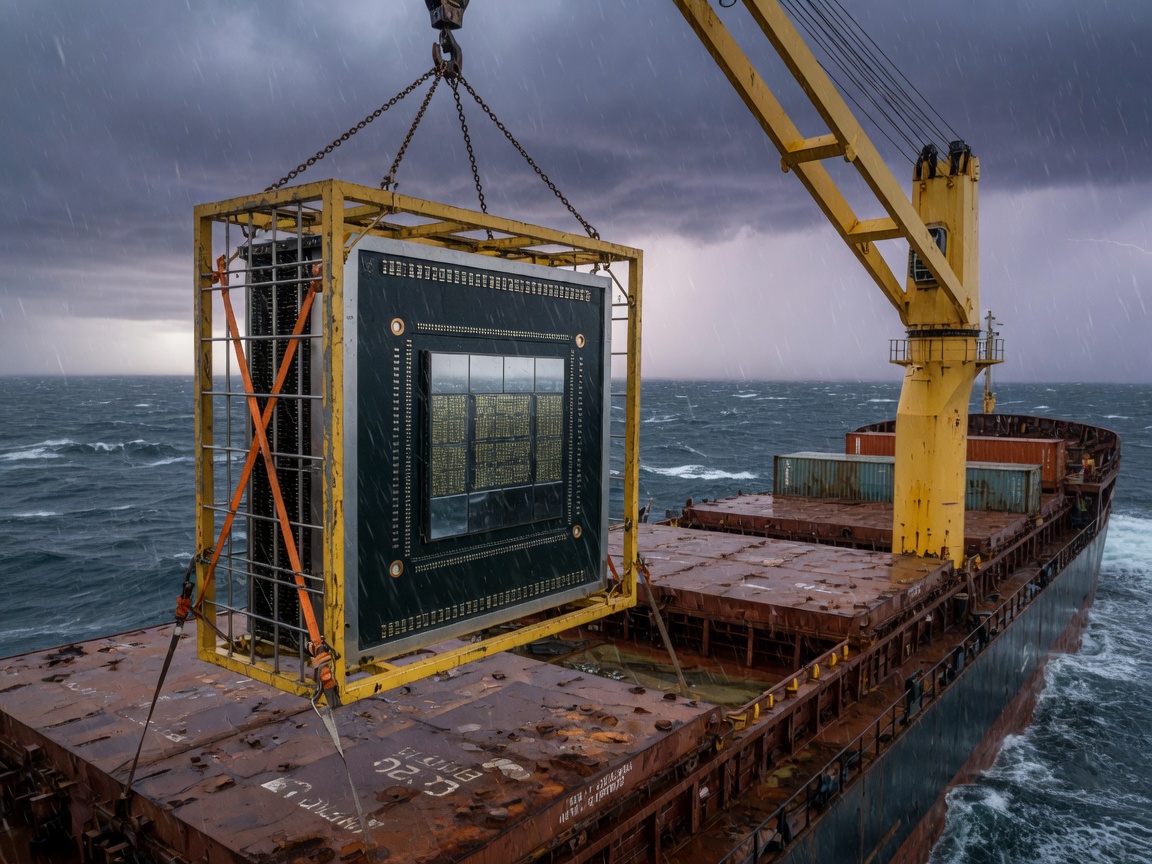
Let’s get real for a second: AI development often feels like a race of pure logic, but it’s actually a battle against the laws of physics. We love to talk about 'hard takeoff'—that idea of a sudden, exponential leap in capability—but that's a fantasy for people who don't look at supply chains. You can't scale a model indefinitely if you can't scale the hardware, the energy, or the logistics required to keep the lights on.
The Logistics of Reality
Software moves at the speed of tokens, but infrastructure moves at the speed of global logistics. If you want to build something that lasts, you have to respect the friction of the physical world. The data is clear: it takes months to manufacture a single chip and weeks to transport components via boat. These aren't just 'minor inconveniences' in a production environment; they are hard limits. You aren't dealing with a clean API in a vacuum; you're dealing with shipping delays, manufacturing defects, and the reality that software cannot 'turn lead into gold.' If an AI system requires a physical footprint to function, its growth is tethered to the same ecological and industrial constraints that limit every other human advancement.
Worth a look
Phugialy Picks

The Agentic AI Bible: The Complete and Up-to-Date Guide to Design, Develop, and Scale Goal-Driven, LLM-Powered Agents that Think, Execute...

AI... Meets... AI: An Exciting Tale of Connection and Adventure (AiDigiTales: Artificial Intelligence for Kids Adventure Series)

GMKtec K15 AI Mini PC Oculink Intel Ultra 5 125U 32GB DDR5 512GB SSD | Desktop Computer AI Boost, 3X M.2 2280 Storage Expansion, Dual NIC...
Some Phugialy Picks use affiliate links. If you buy through one, Phugialy may earn a commission. It doesn't change what we recommend. Full disclosure →
The Corporate Alignment Trap
When we talk about 'alignment,' the conversation usually stays in the sanitized realm of corporate safety. But there’s a massive distinction between corporate alignment and personal alignment. We’ve already seen large models like ChatGPT fail in specific hypothetical extreme scenarios because they are tuned for a broad, homogenized public. They are built to be 'safe' for everyone, which often means they are useless—or even obstructive—for the specific, sometimes extreme requirements of an individual developer or a niche use case. Corporate guardrails are a ceiling on your agency.
The Sovereignty of Local AI
Here is the real story: the limitations of centralized models aren't just a technical hurdle—they are a sovereignty issue. If you are building something that needs to be truly aligned with your specific goals, relying on a corporate-controlled API introduces a layer of friction that will eventually break your use case. The move toward local, unaligned AI is the only way to ensure personal freedom. By running models locally, you bypass the 'safety' layers that conflict with your project and keep the keys to your own logic. For the builders, the goal isn't the most 'aligned' corporate model; it's the most useful, local tool that you actually control. Because at the end of the day, if you can’t kick it, it’s not aligned with you.
Got a question about how this applies to you? →
Keep reading
Follow the thread
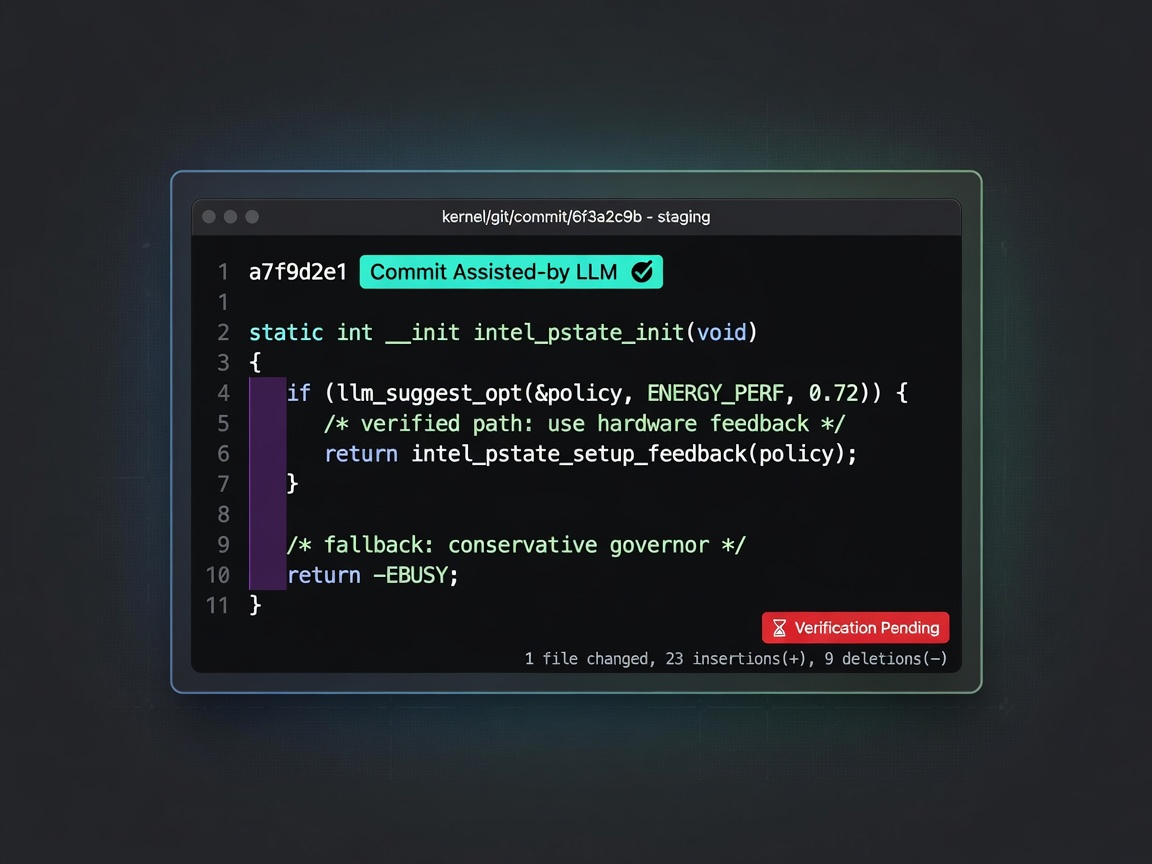
The Linux Kernel's AI Pivot: Technical Merit vs. The Verification Bottleneck
If we're strictly chasing technical excellence, what happens when the 'best' code is just the code that aligns with a corporate owner's hidden priorities?
Read this noteSame lane, different angle
The Visual Language of Non-Deterministic UI
AI software is moving away from the traditional request-response loop. In standard apps, you click a button and wait for a finished state. In AI-driven interfaces, we’re navigating a gray area of non-determinism where th
Nightcrawler: Localized Pentesting and the Reality of Small-Model Autonomy
Nightcrawler is an autonomous penetration testing agent that executes entirely on a smartphone’s GPU, removing the need for cloud connectivity. By leveraging a small AI model—the LFM2.5-1.2B-Instruct-Heretic—it performs