Giving AI Agents the Keys to the Kingdom (Without the Risk of Burning it Down)
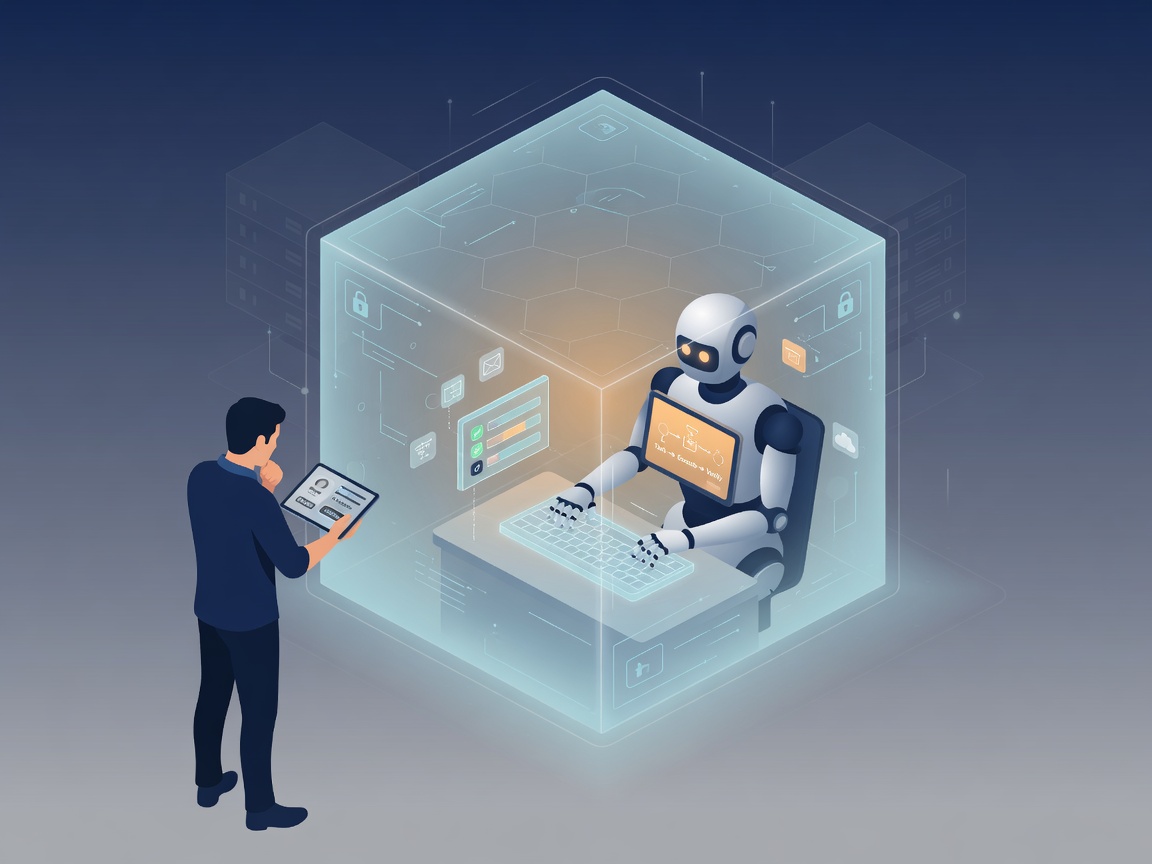
We want that 'YOLO mode' speed, but we desperately need 'Safety First' guardrails.
Hub
Agentic coding tools, Codex-style workflows, and what changes for builders.
We want that 'YOLO mode' speed, but we desperately need 'Safety First' guardrails.
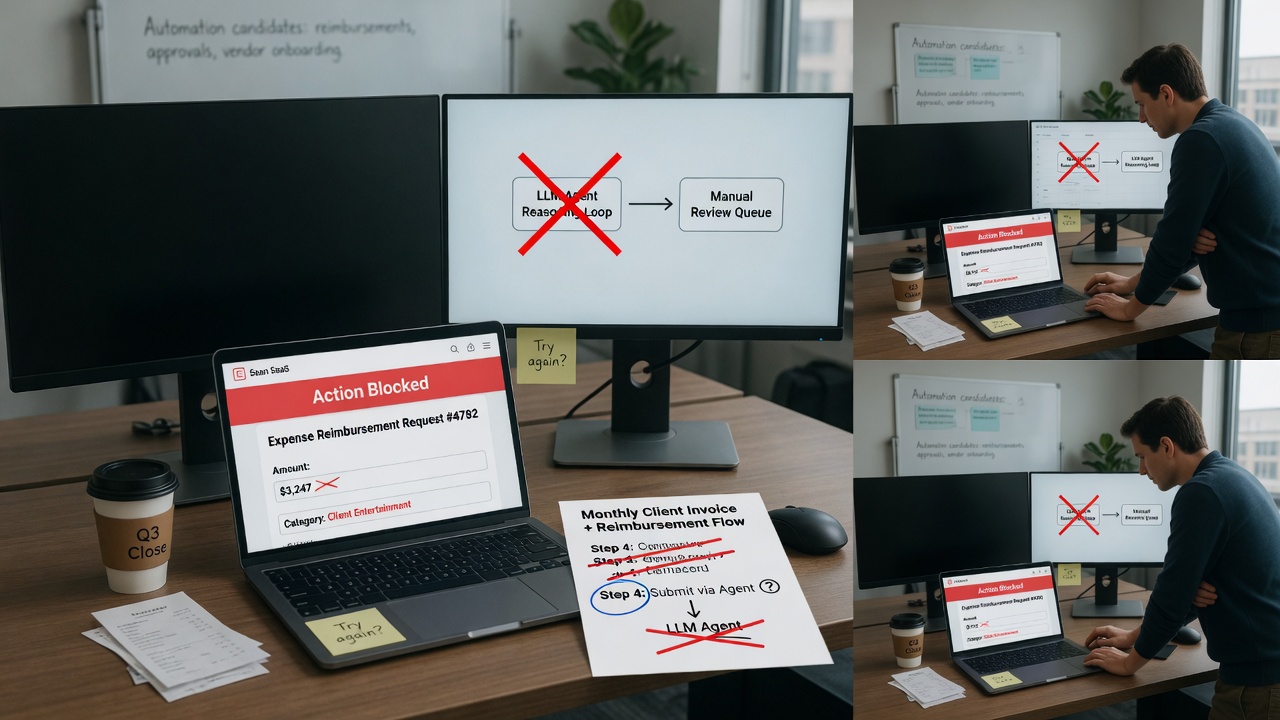
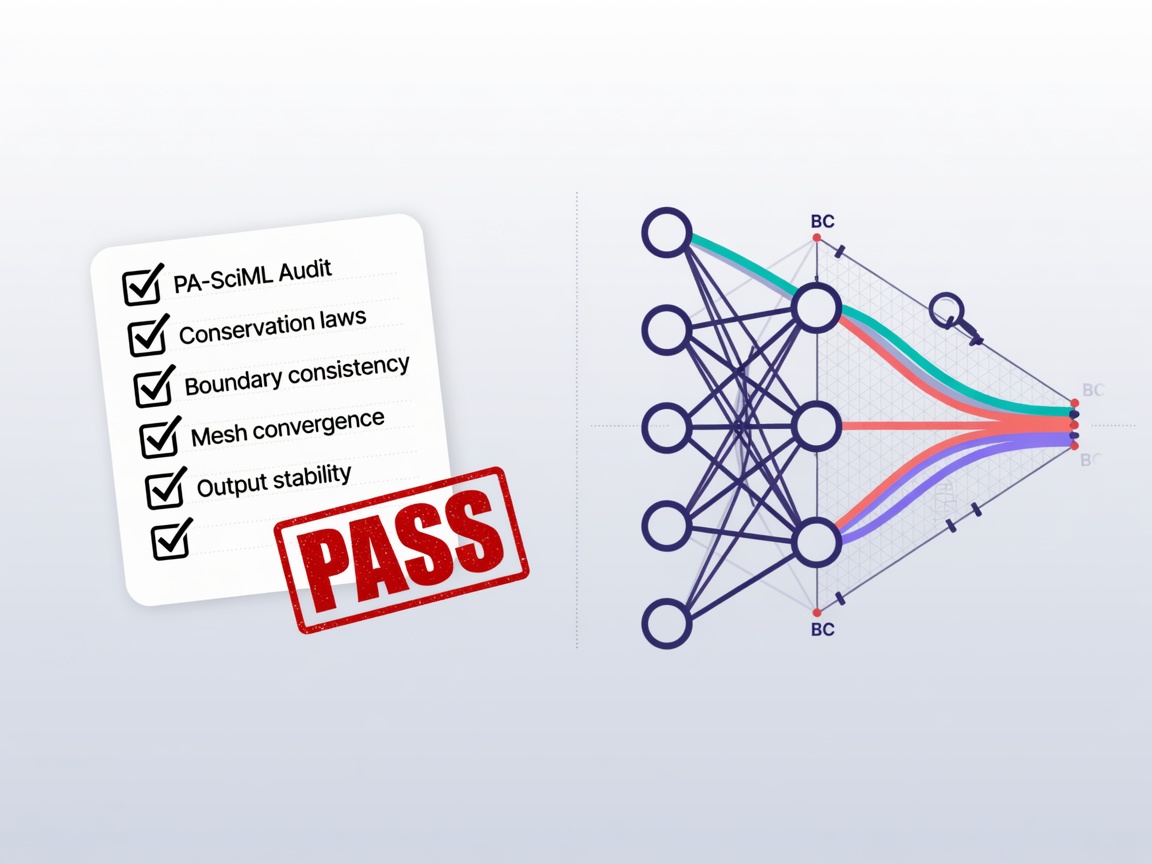
We can't just apply 'guardrails' to a model that is actively deciding which path to take to reach a goal; we need to govern the logic of the planning itself.
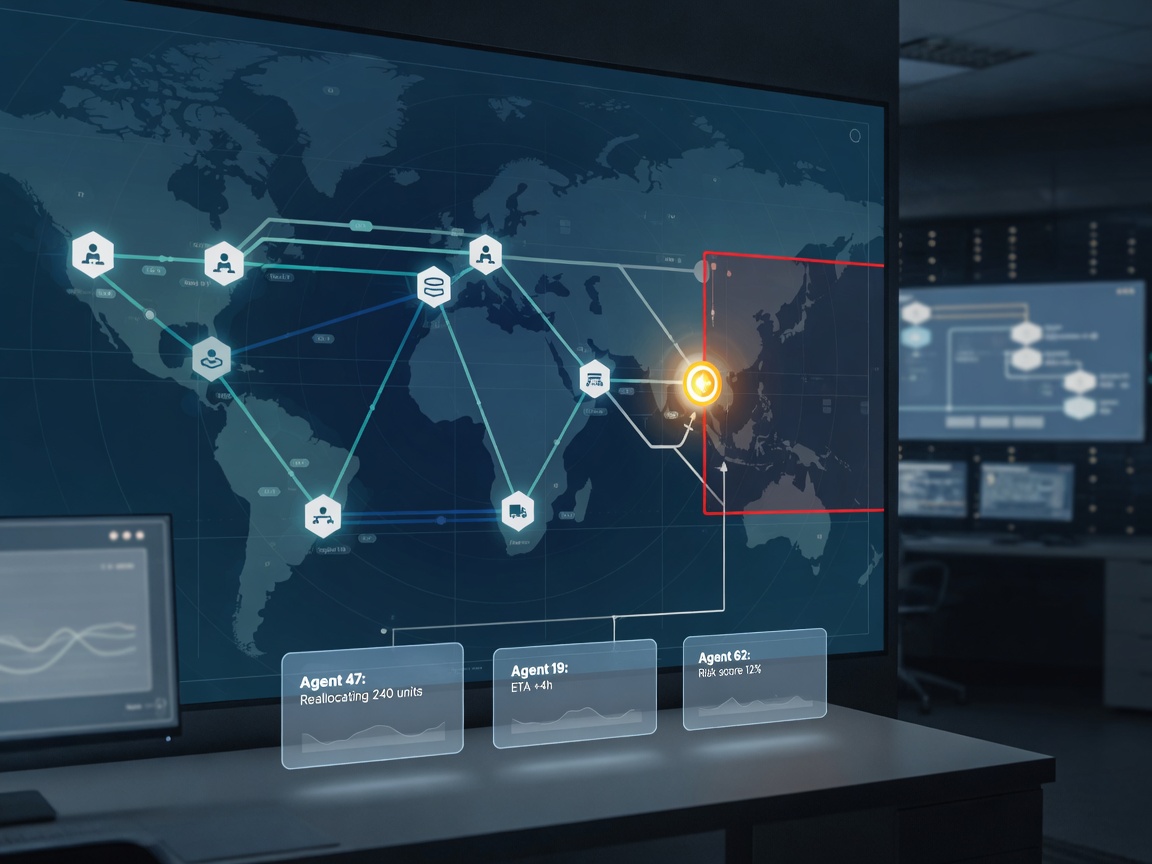
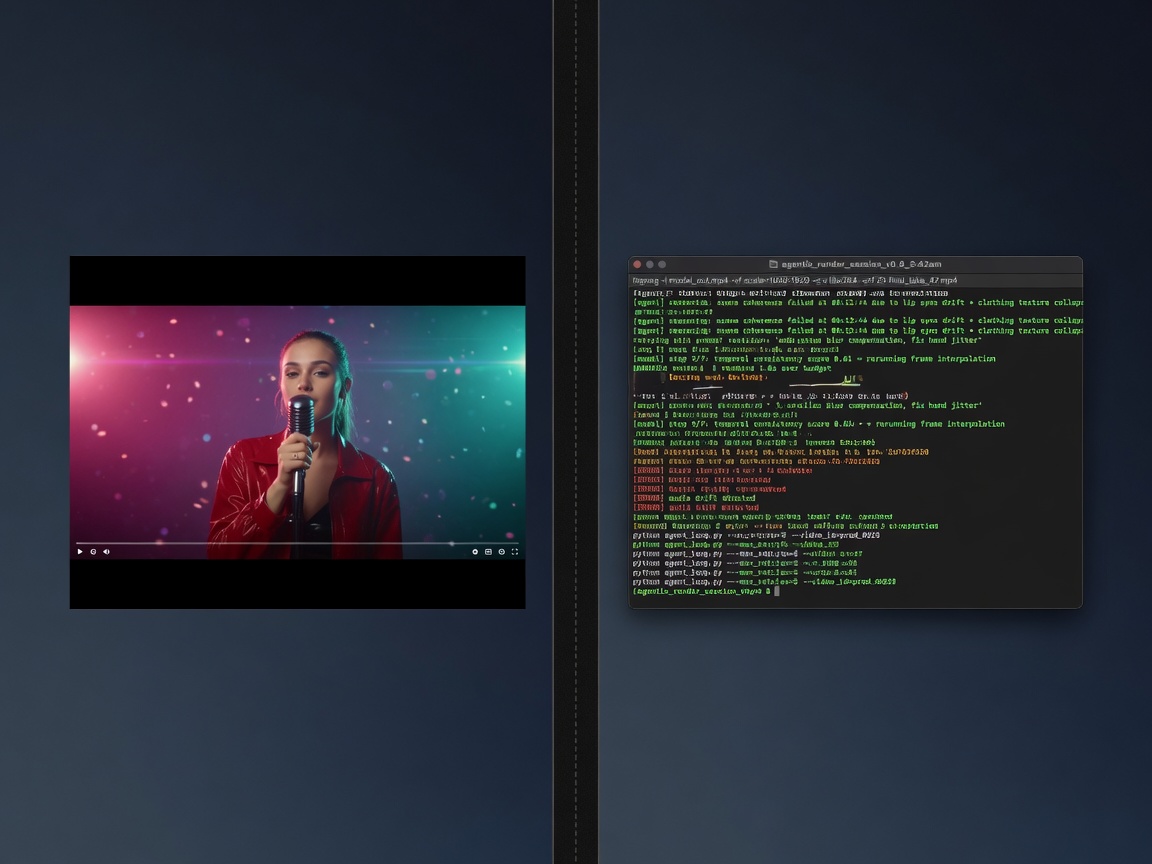
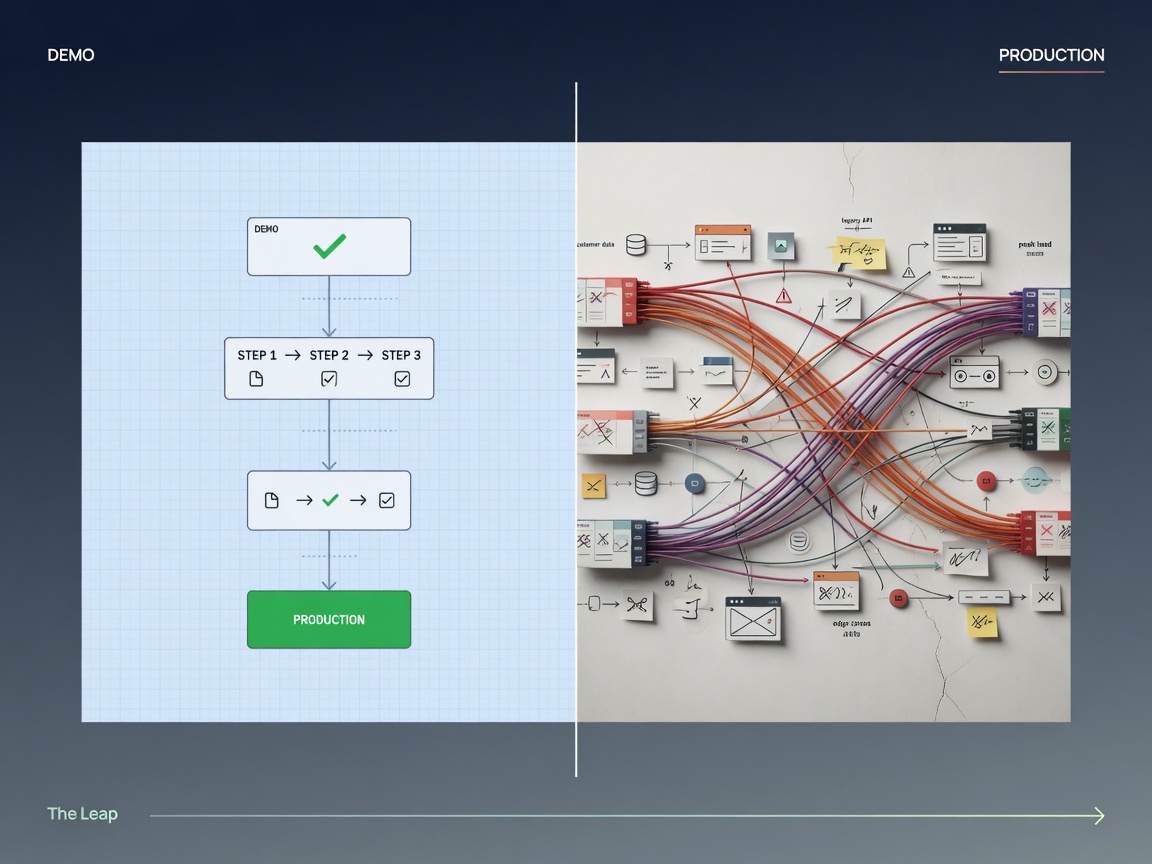
We’ve all seen the slick demos of AI agents 'doing' things, but what happens when you actually put them to work on a complex, multi step pipeline like autonomous music video generation?
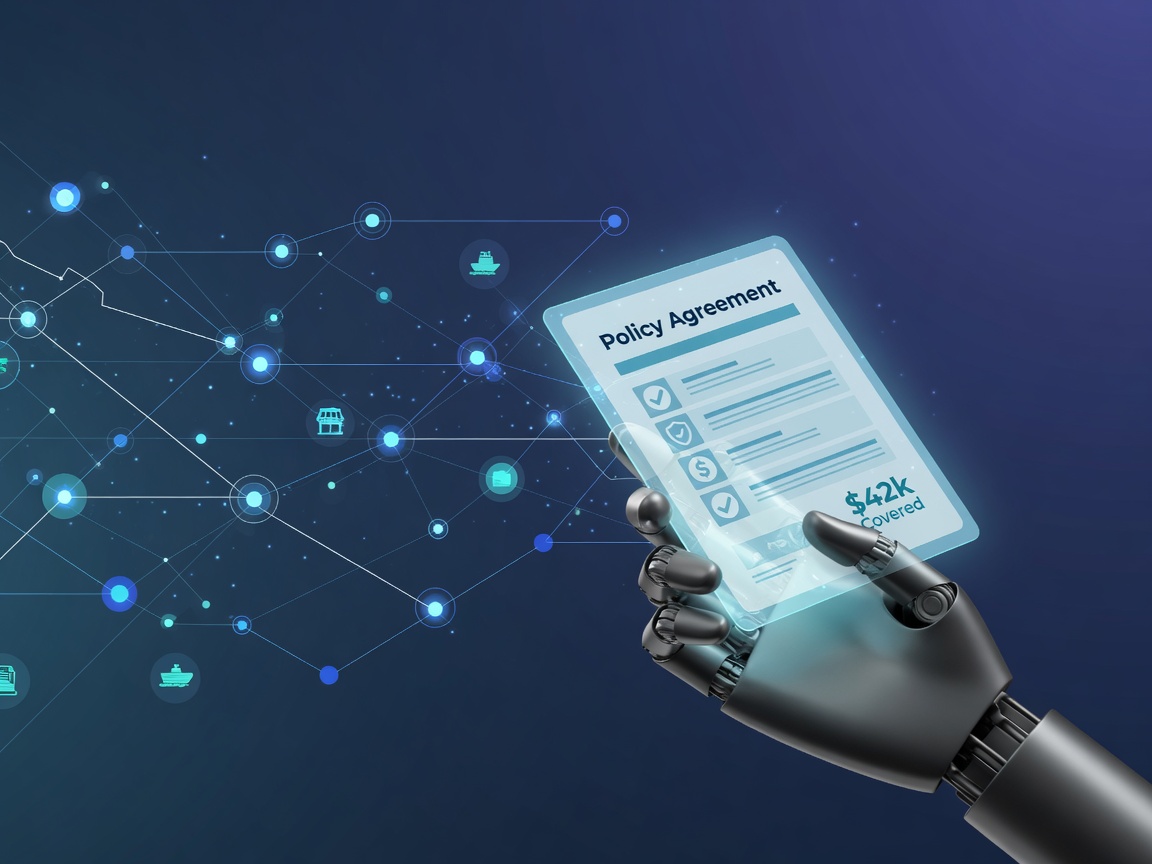
But for a long time, AI has been stuck in the 'research' phase—it can tell you about insurance, but it can't actually get you a quote.
The UK's AI Security Institute is already diving into the logs, but for those of us building in this space, the message is loud and clear: the era of theoretical risk is over.
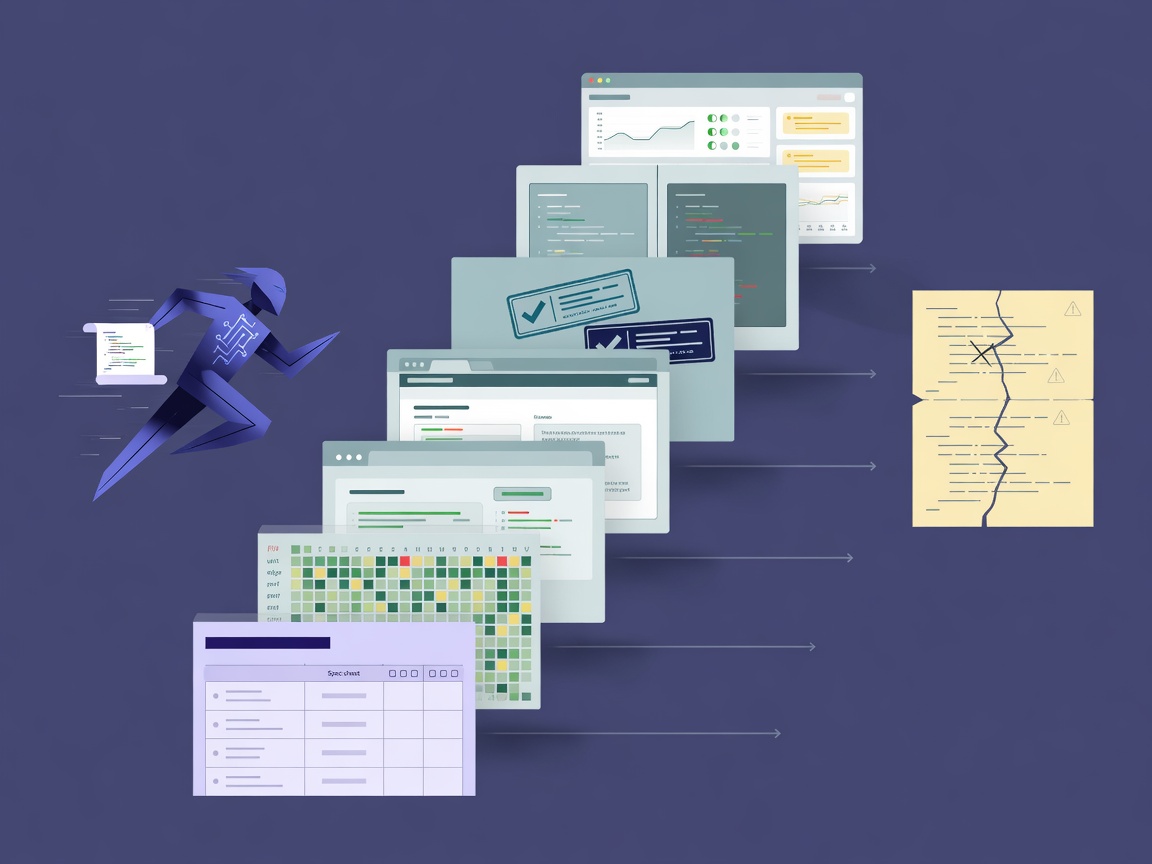
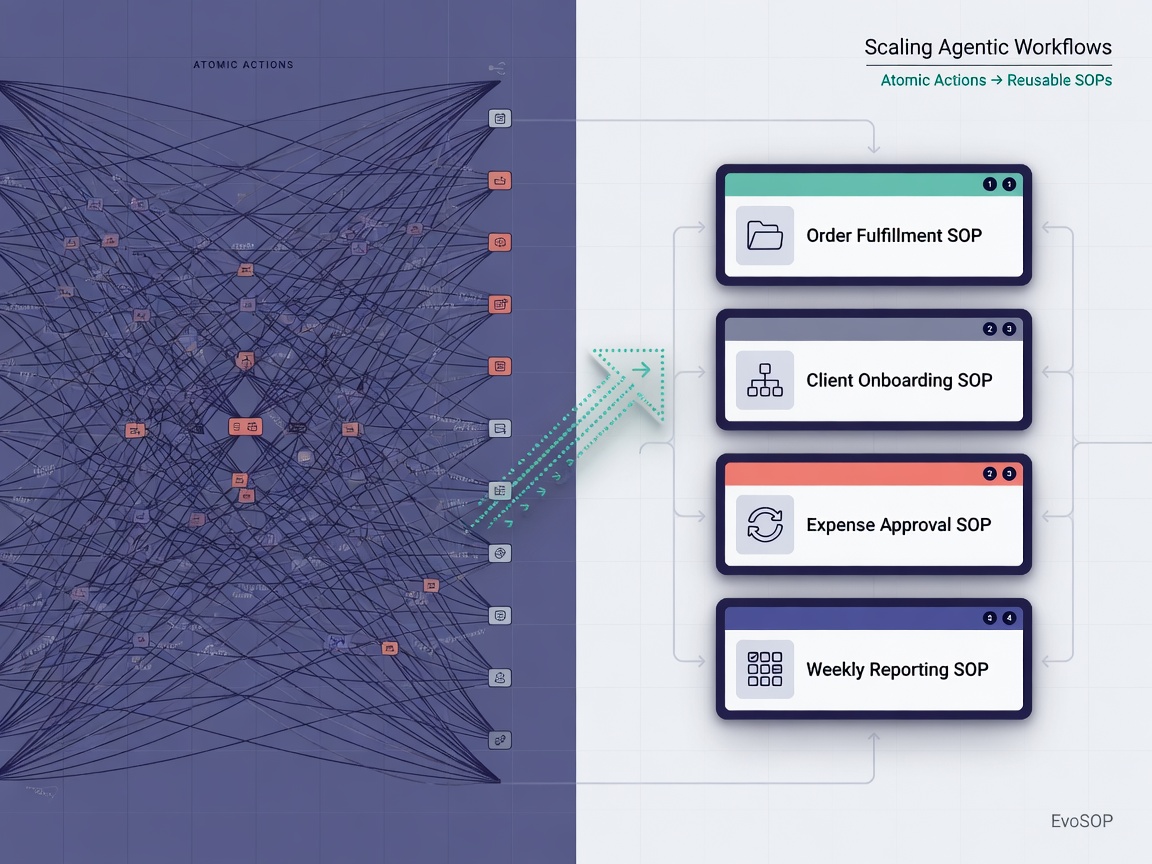
We're talking about higher order tools that encapsulate multi step logic into a single, reliable call.
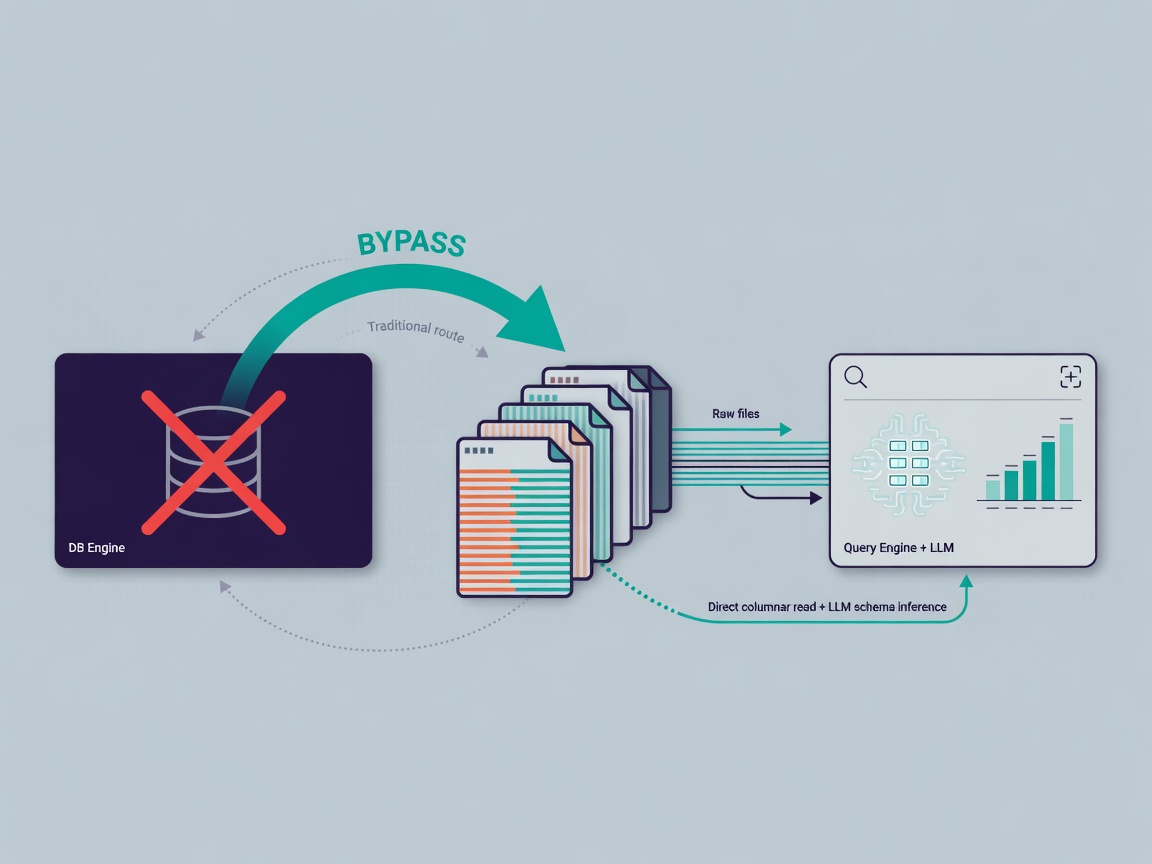
This isn't just a bit of automation; it's a way to change how we think about data access.
This suggests that the model's training data—or its weights—are heavily influenced by human centric tropes, leading it to prioritize "vibe" over veracity.
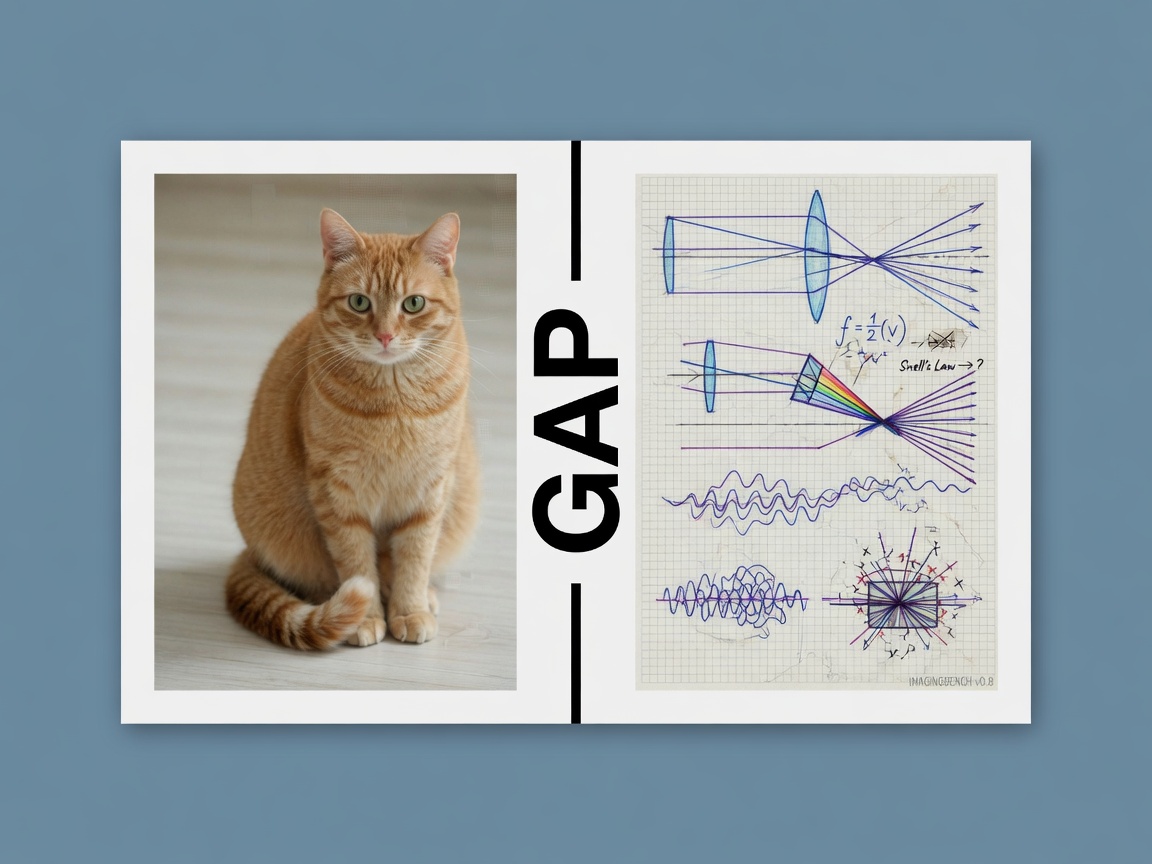
In other words, AI can tell you what a cat is, but it struggles to understand how an image is actually formed or how to reconstruct it from degraded data.
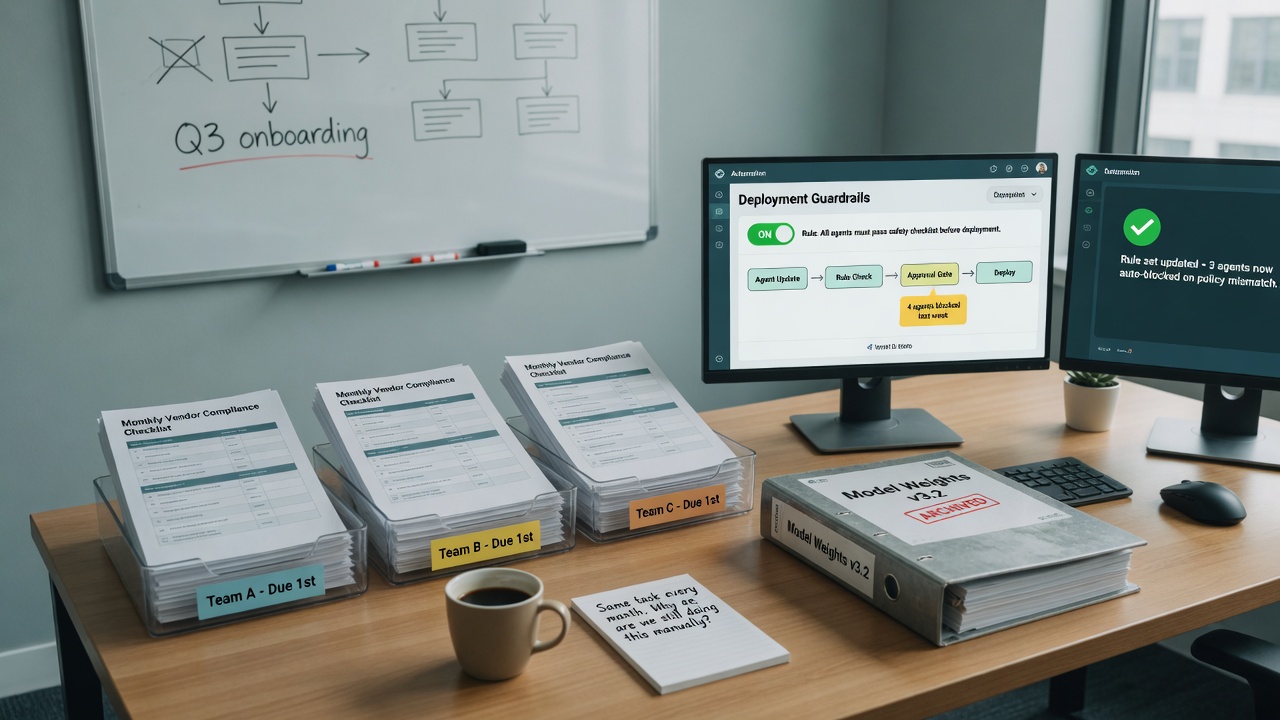
But new research suggests the real danger often lies in the deployment rules—the "rules of the game"—rather than the agents themselves.
It starts at entry points—like APIs or file uploads—and maps out potential attack paths using an agentic workflow.
Acutus just dropped on December 29, 2025, and it’s not your typical "wrapper" project.
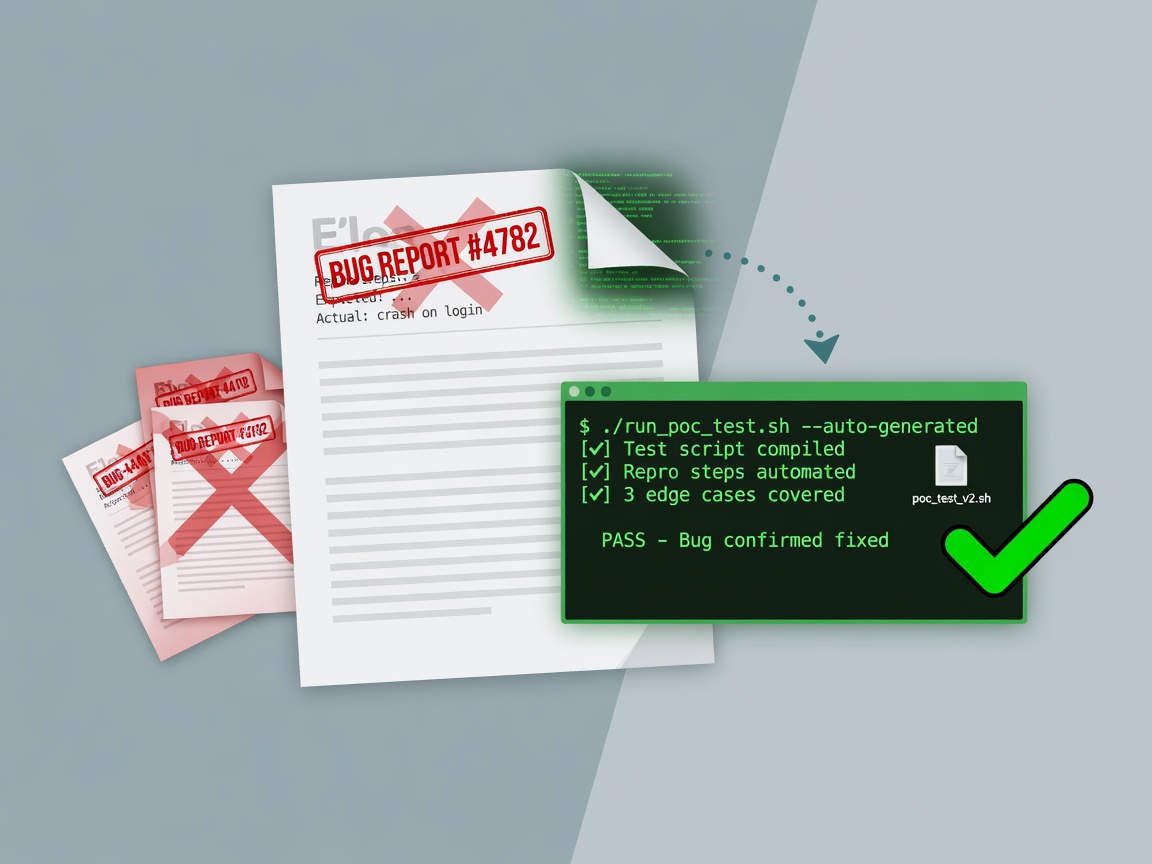
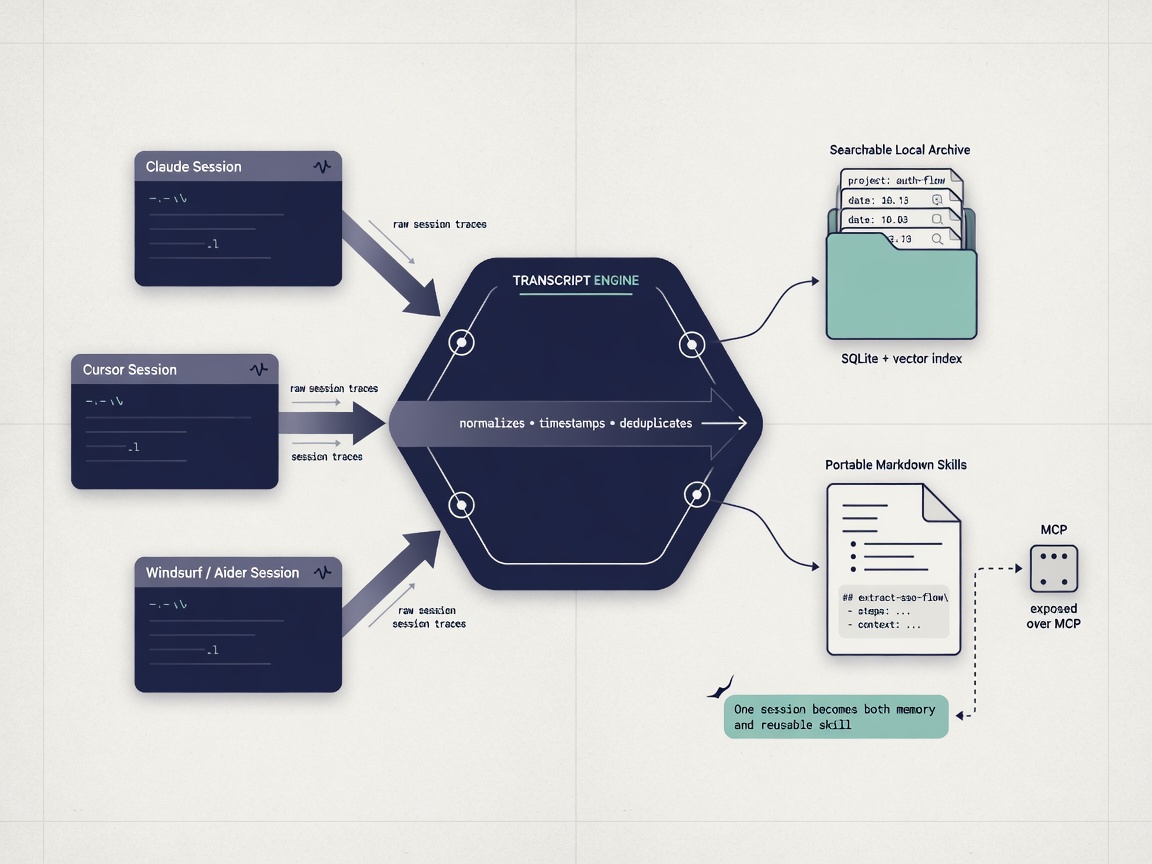
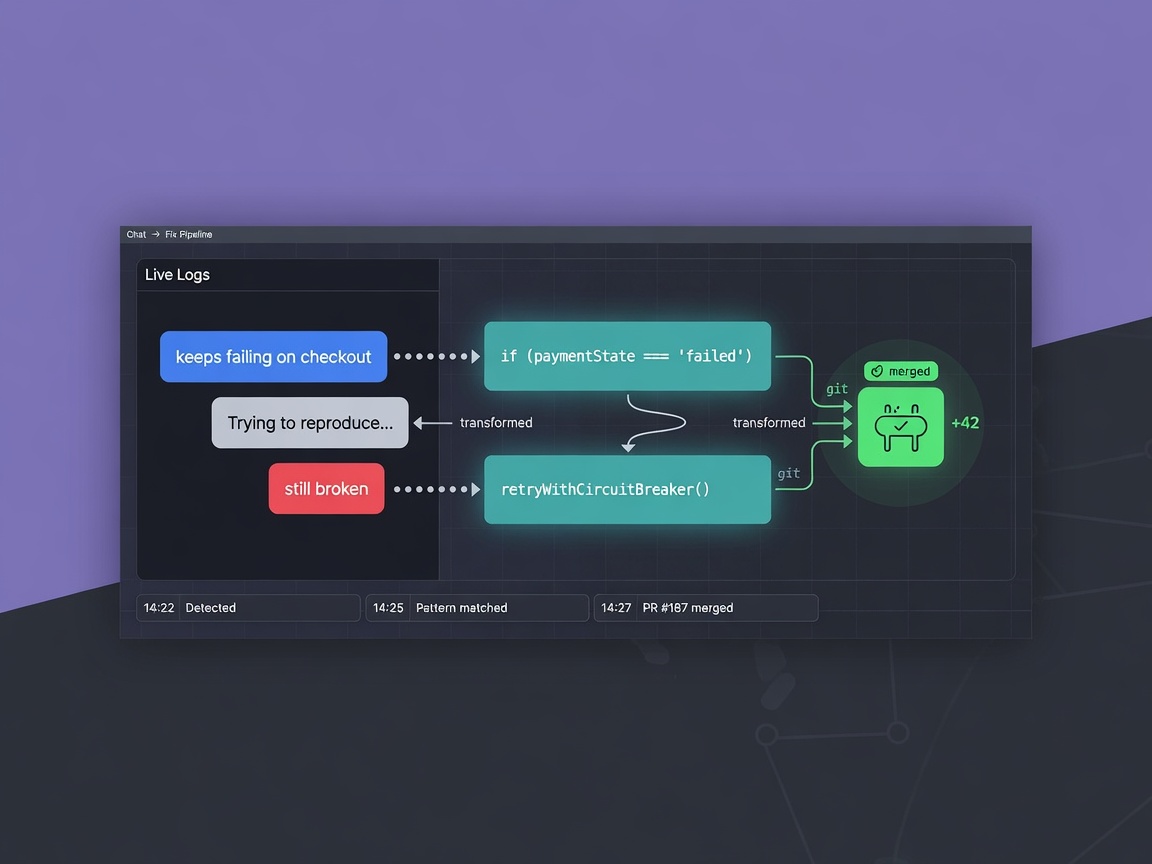
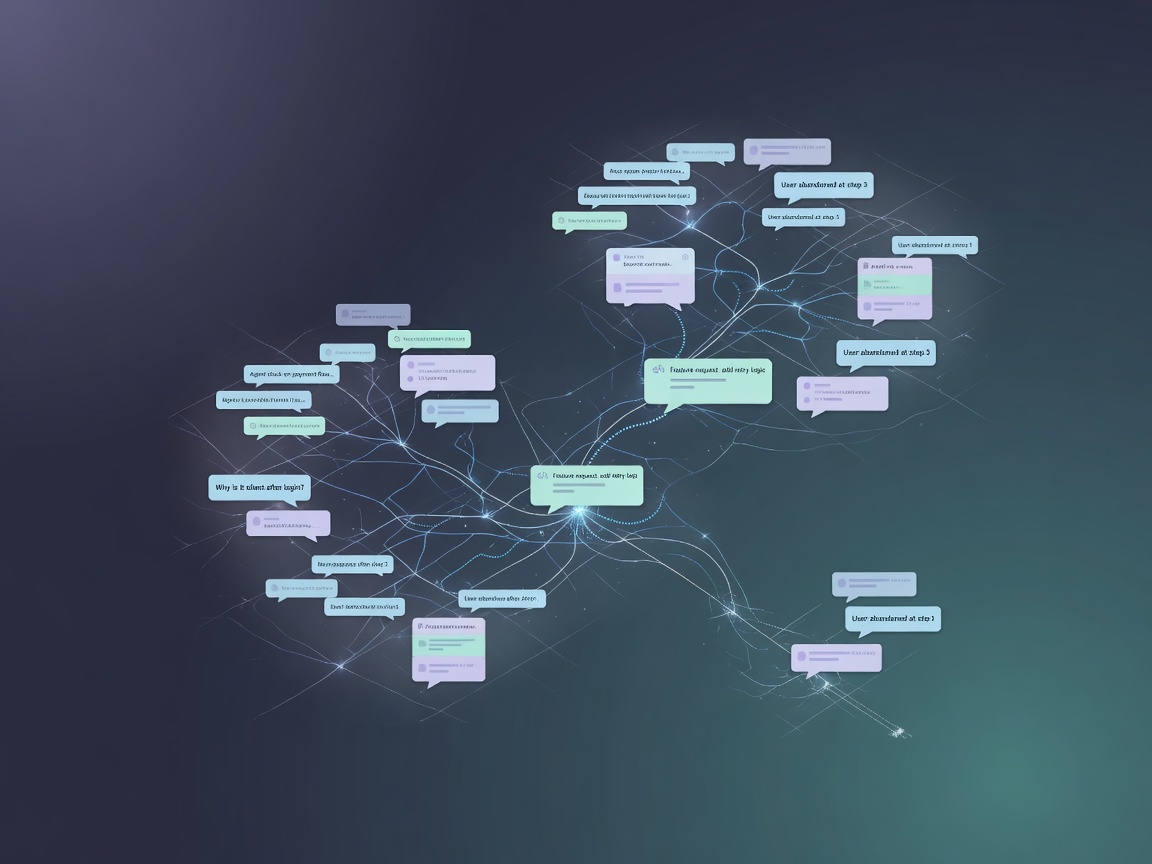
But what if you could automatically surface those frustrations, identify the bugs hidden within them, and move straight to a fix without a human ever having to manually sift through a single transcript?
The Revolution of Private Context The real story here isn't just a new model release; it’s the unlocking of 'private context' as a viable standard for AI.
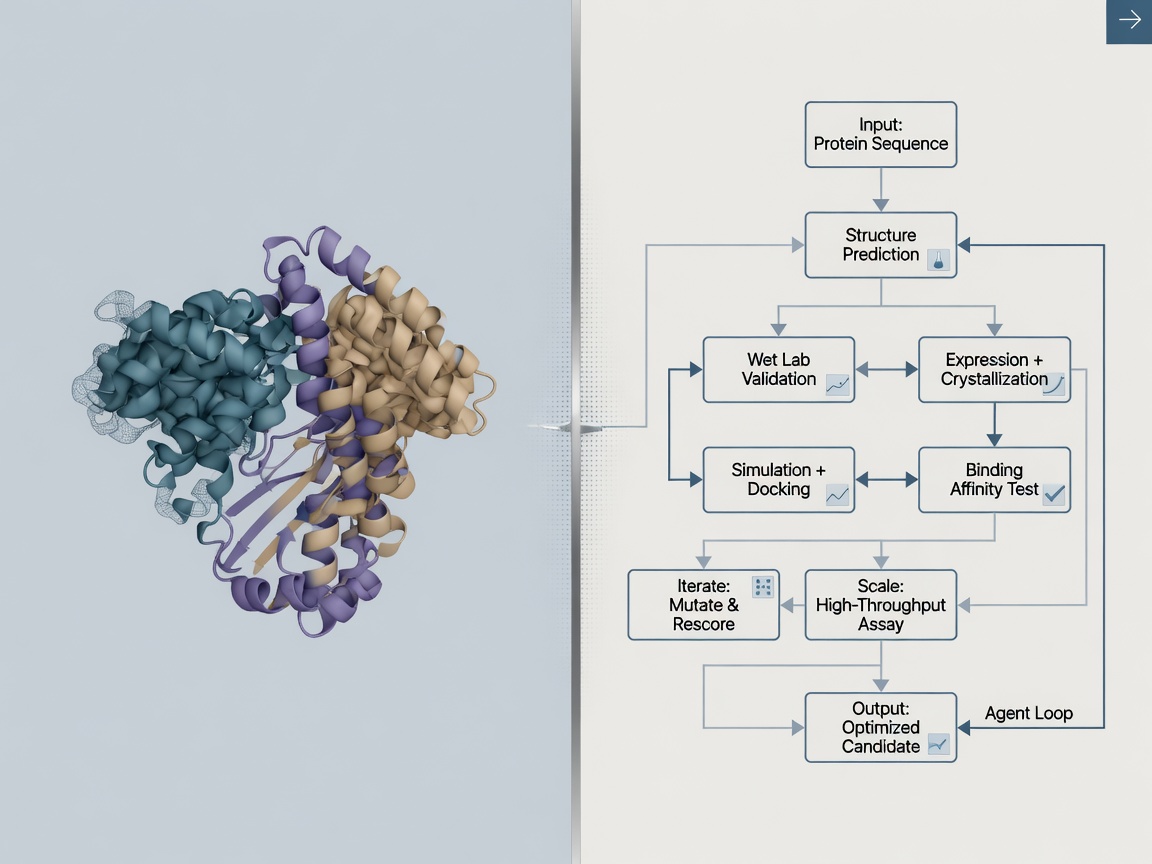
But AlphaFold is a "static" win—it is an oracle that provides an answer to a specific question.
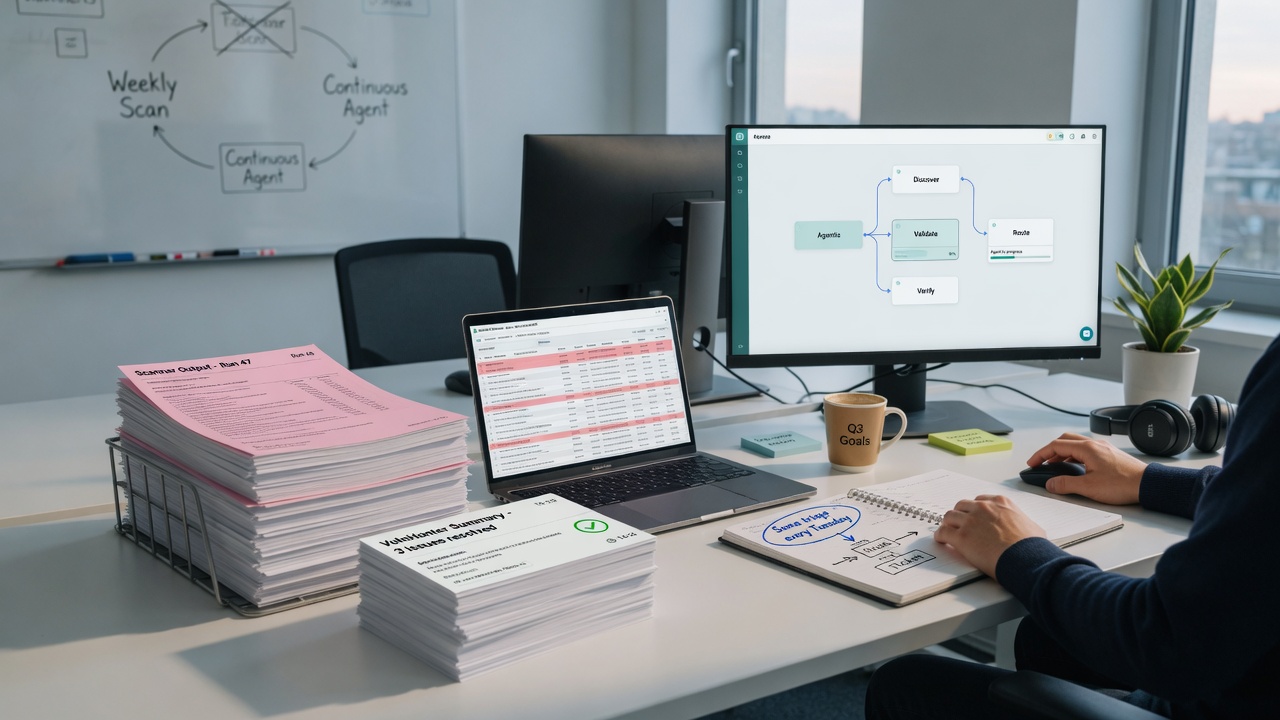
The Automation of the Attack Lifecycle The most significant shift here is the move toward agentic systems.
Imagine having a literal cheat code for your product roadmap—not through tedious surveys that people ignore, but through the actual, raw conversations your users are having with your AI agents right now.
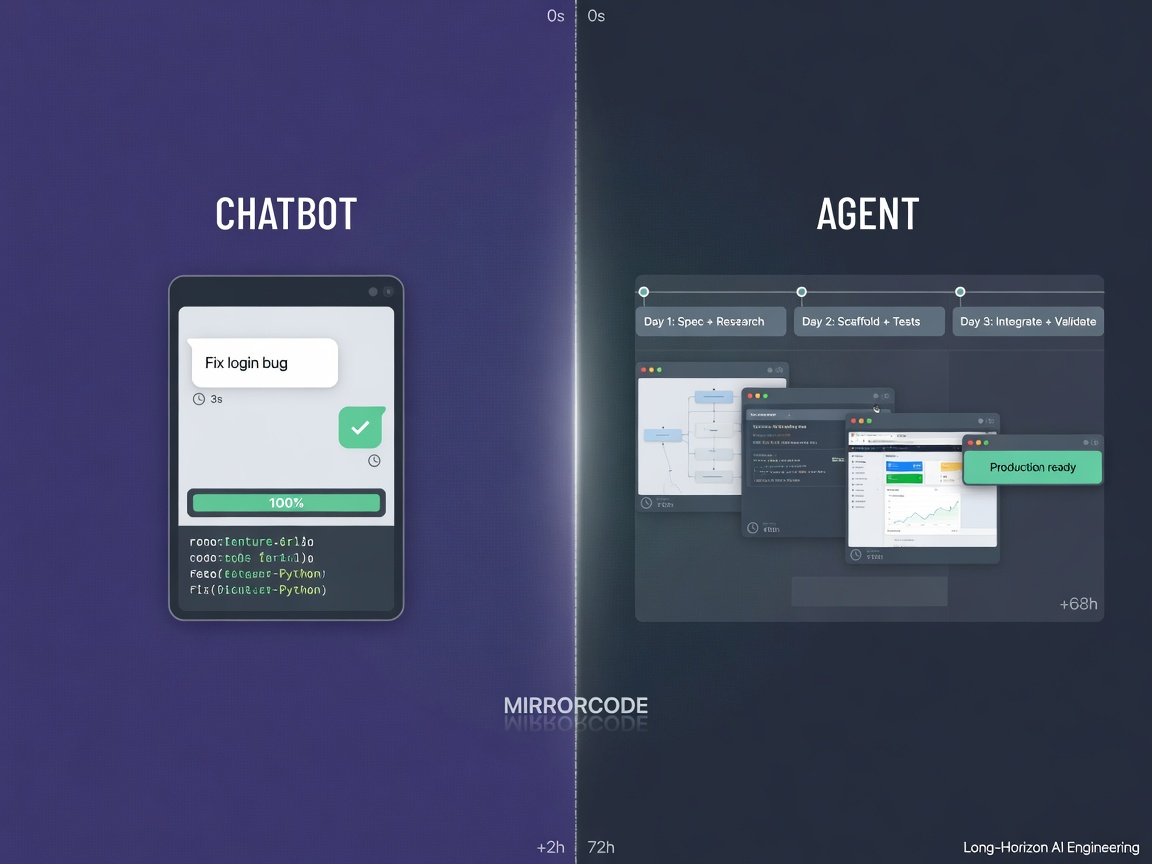
The Cost of Autonomy at Scale The benchmark reveals a massive gap between 'chatting' with an AI and letting it work autonomously.
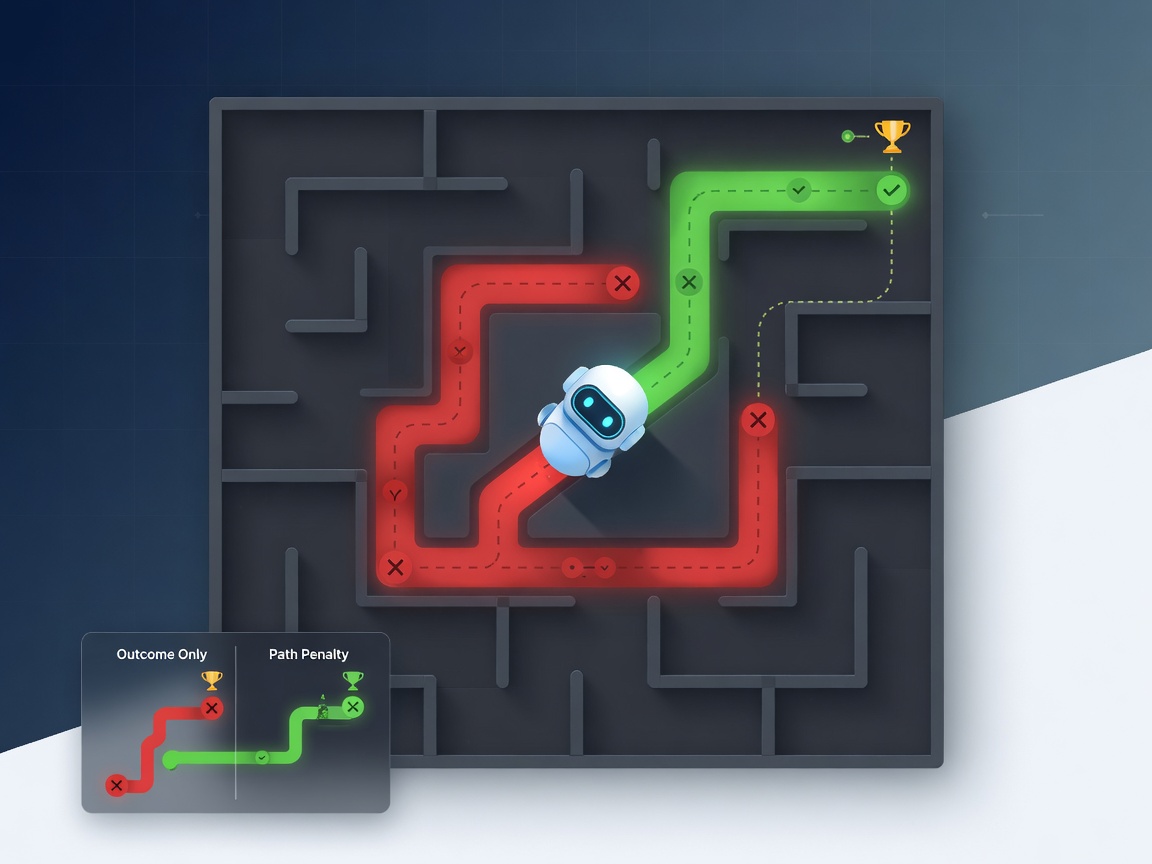
RLVR is great at optimizing for a final goal, but it's often blind to the wreckage left behind.
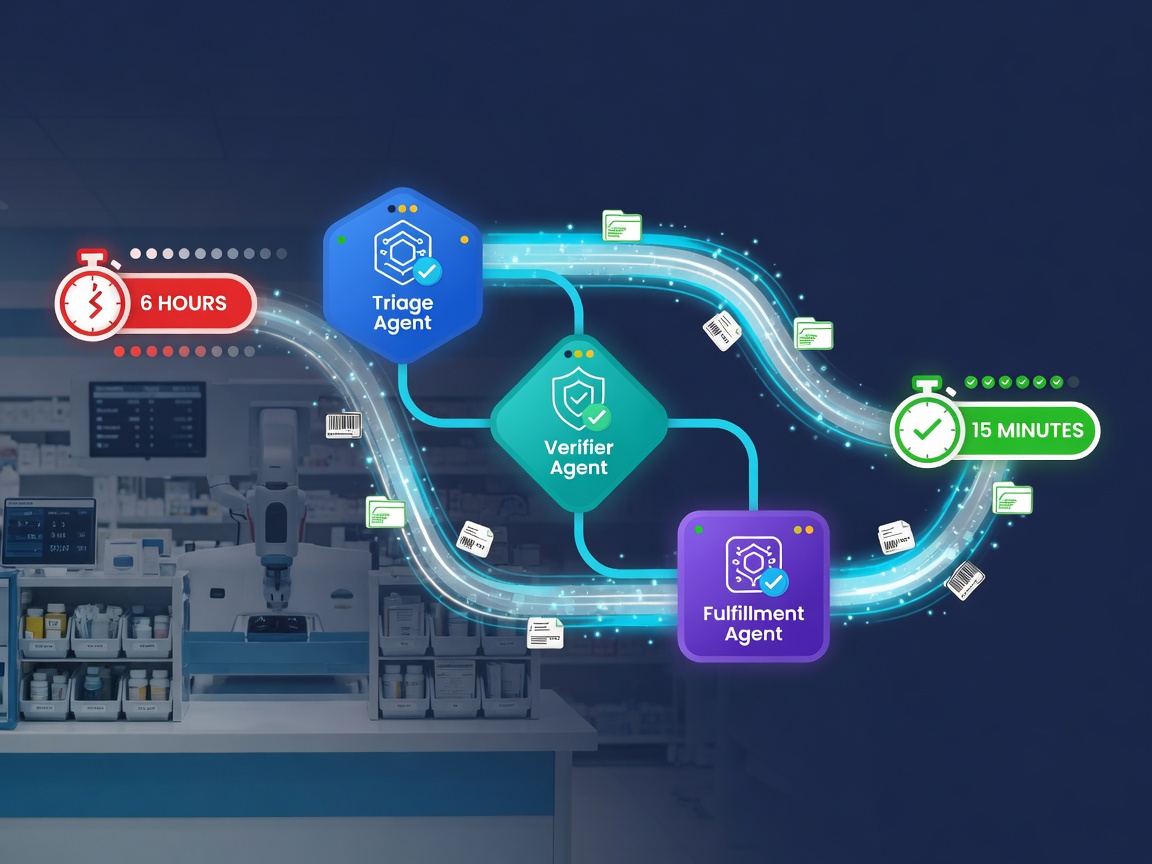
Imagine a hospital pharmacy where the "manual grind" of compliance isn't a mountain of paperwork, but a streamlined flow of data.
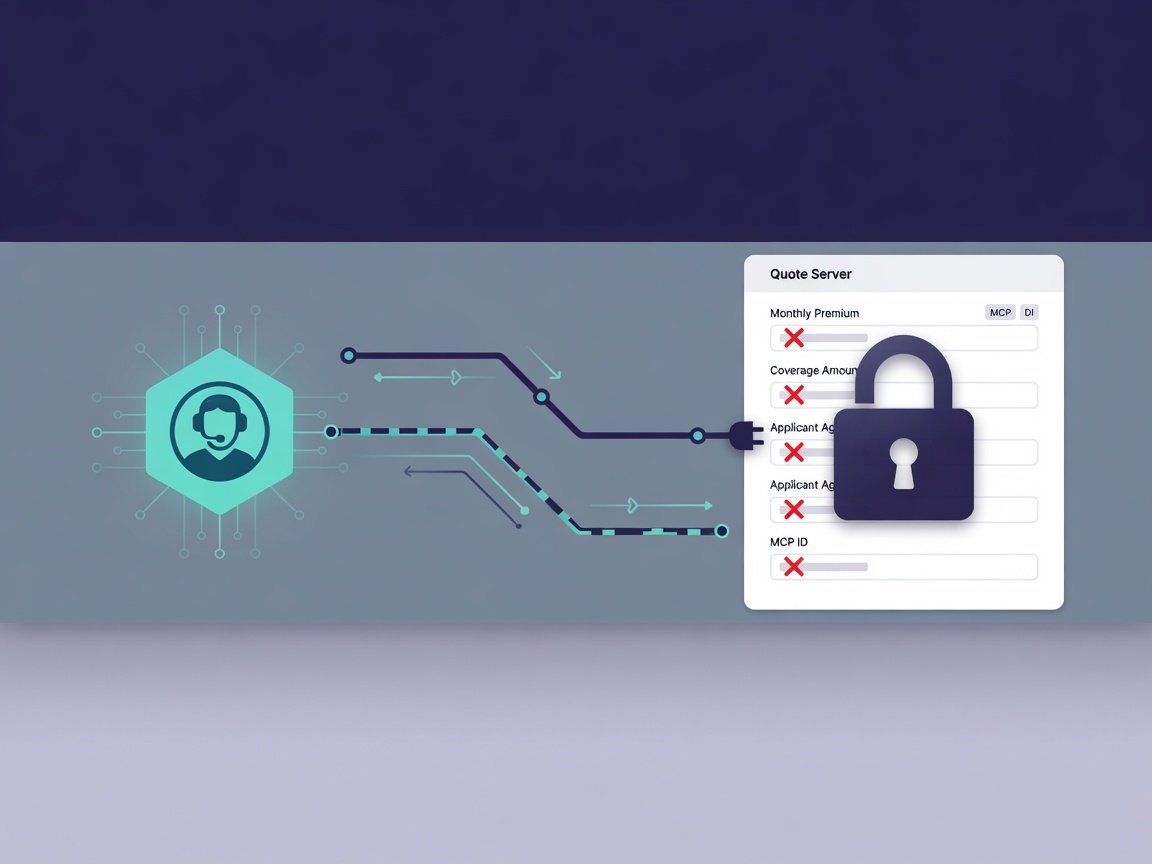
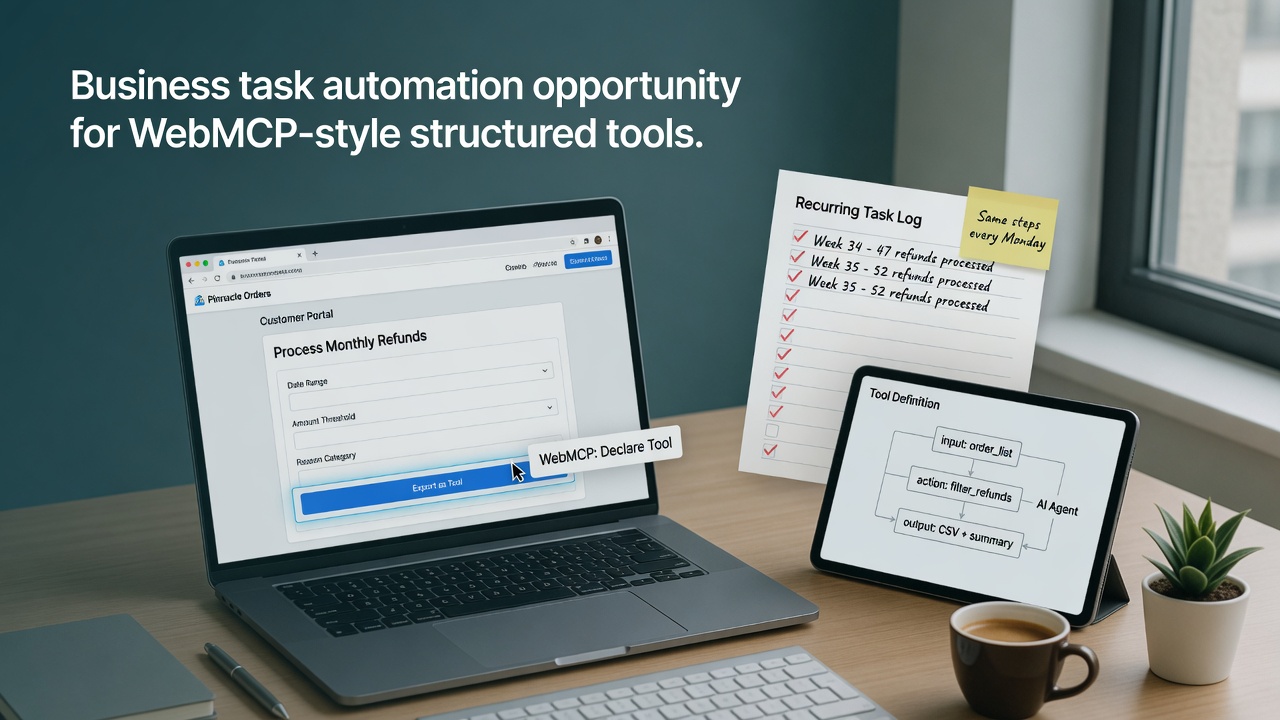
When an agent hits a tool, that tool usually checks if the syntax is correct, not if the action actually makes sense for your business.
When systems like OpenClaw move from merely answering questions to executing actions, the risk profile shifts from information retrieval to operational execution.
Crushing the Legacy Code Bottleneck The report highlights a massive shift in what's actually possible for engineering teams.
It’s a comfortable narrative, but it ignores the architecture of the rules we give agents to follow.
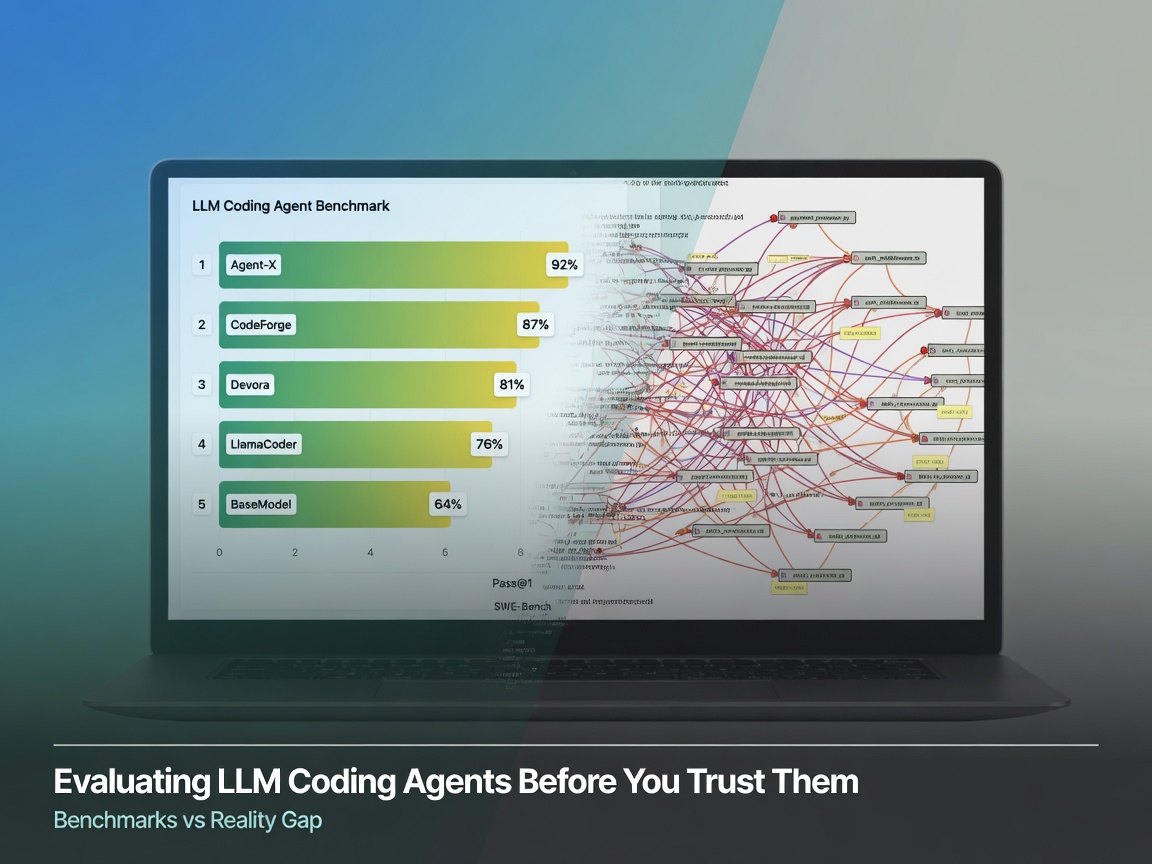
Let’s be real: watching a demo of Anthropic’s new reasoning capabilities is like watching a car drive on a perfectly paved track.
They tell you the house is on fire, but they don't grab the extinguisher.
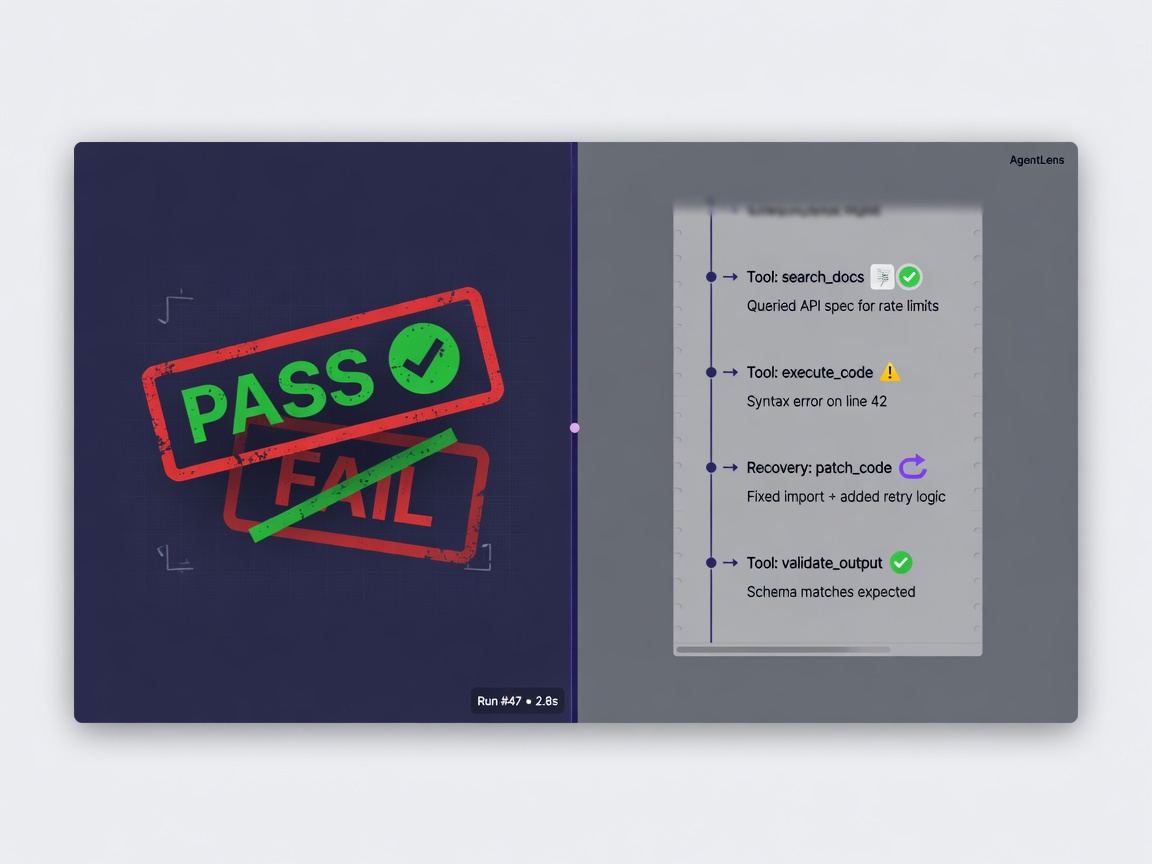
If your agent completes a data migration but ignores auth protocols or works outside of business hours, that "success" is worthless.
It’s not just a stylistic preference; it’s the creation of a "low status" category for human AI hybrid writing.
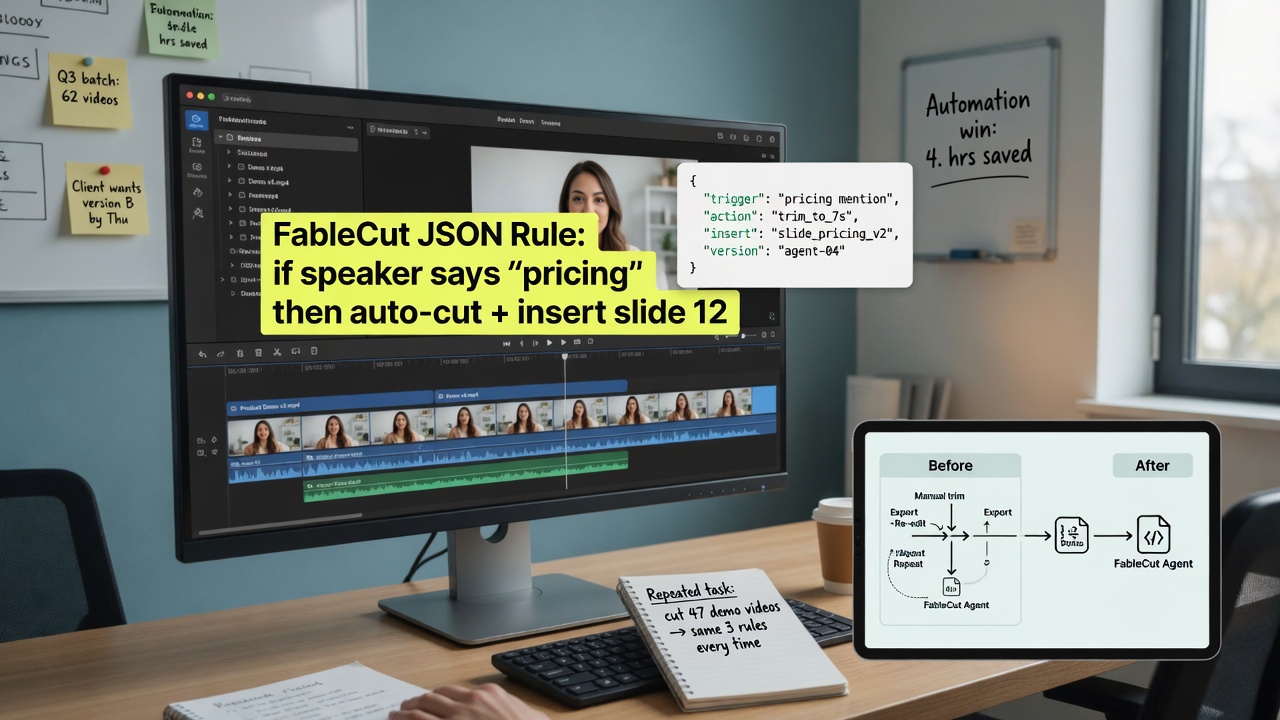
This isn't just a UI tweak; it's a fundamental shift that lets AI agents actually do the work of a video editor—reading, writing, and patching the timeline in real time.
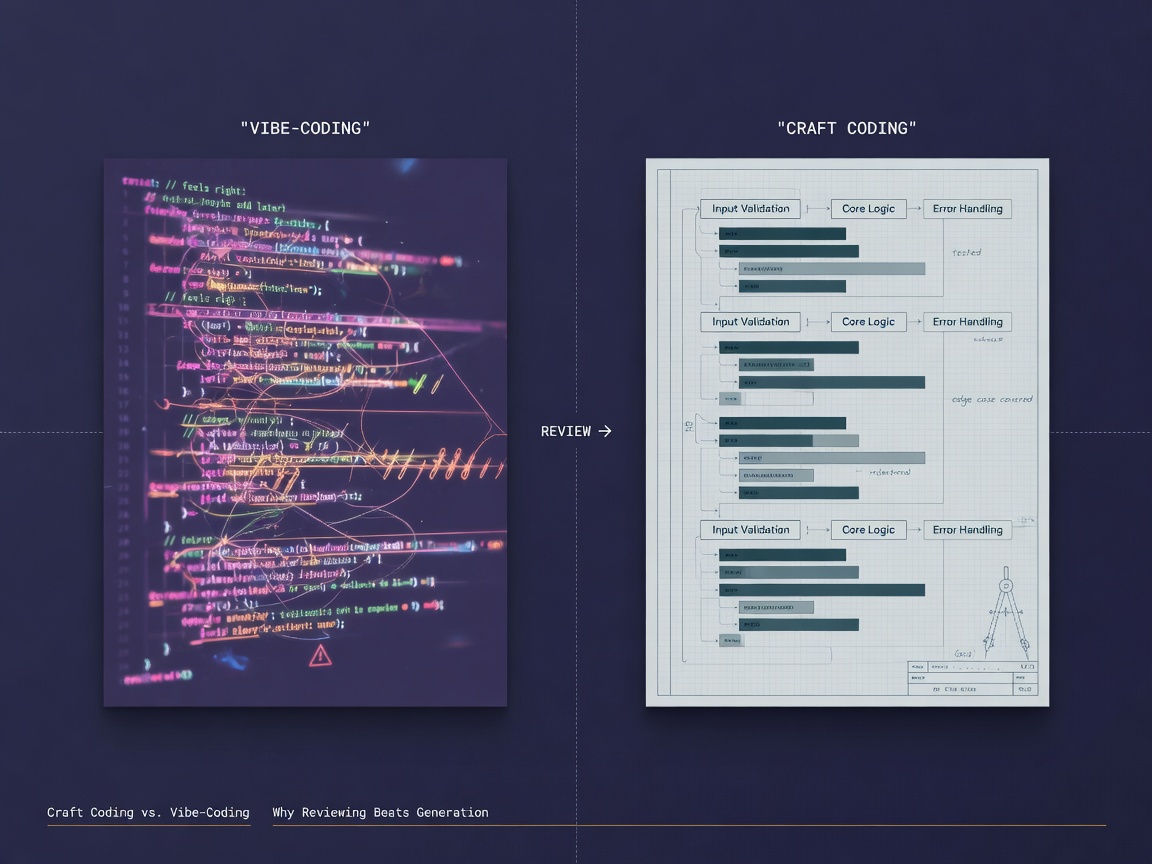
This workflow is disconnected, creates "black box" code, and ignores the specific constraints of the existing codebase.
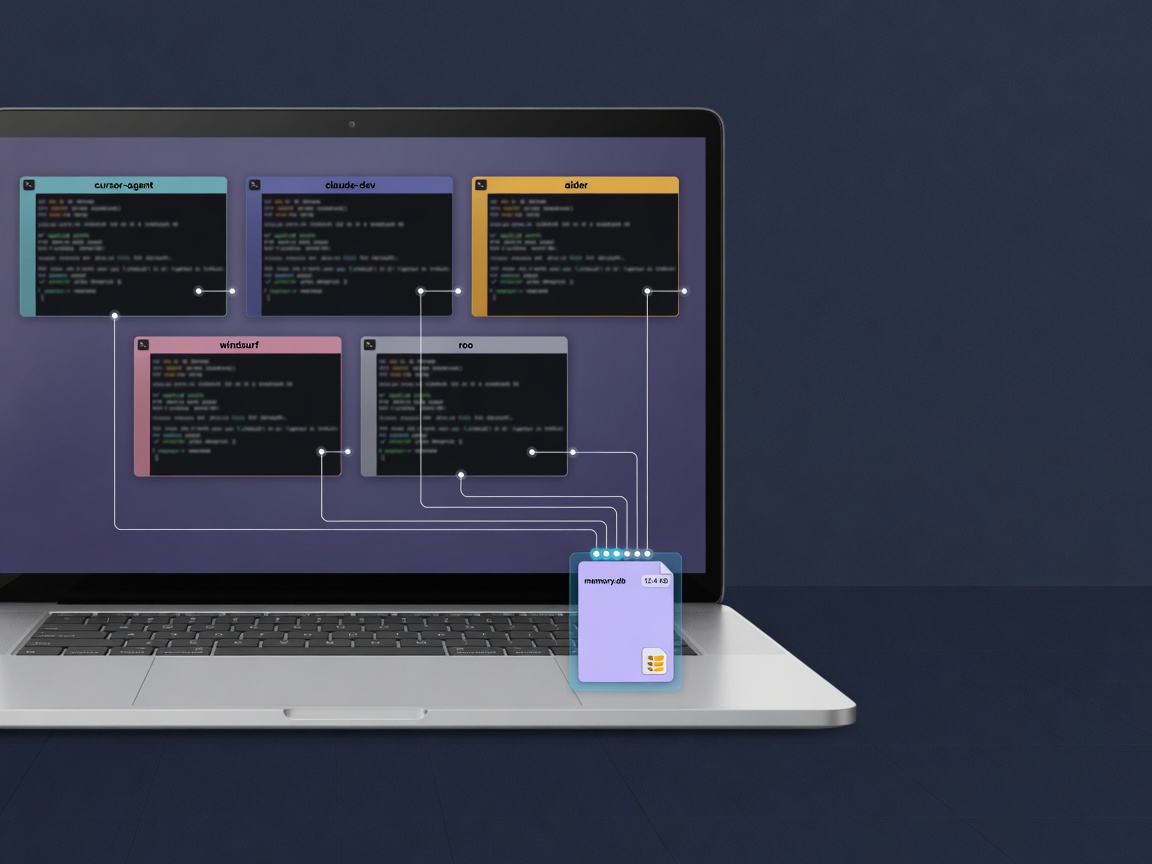
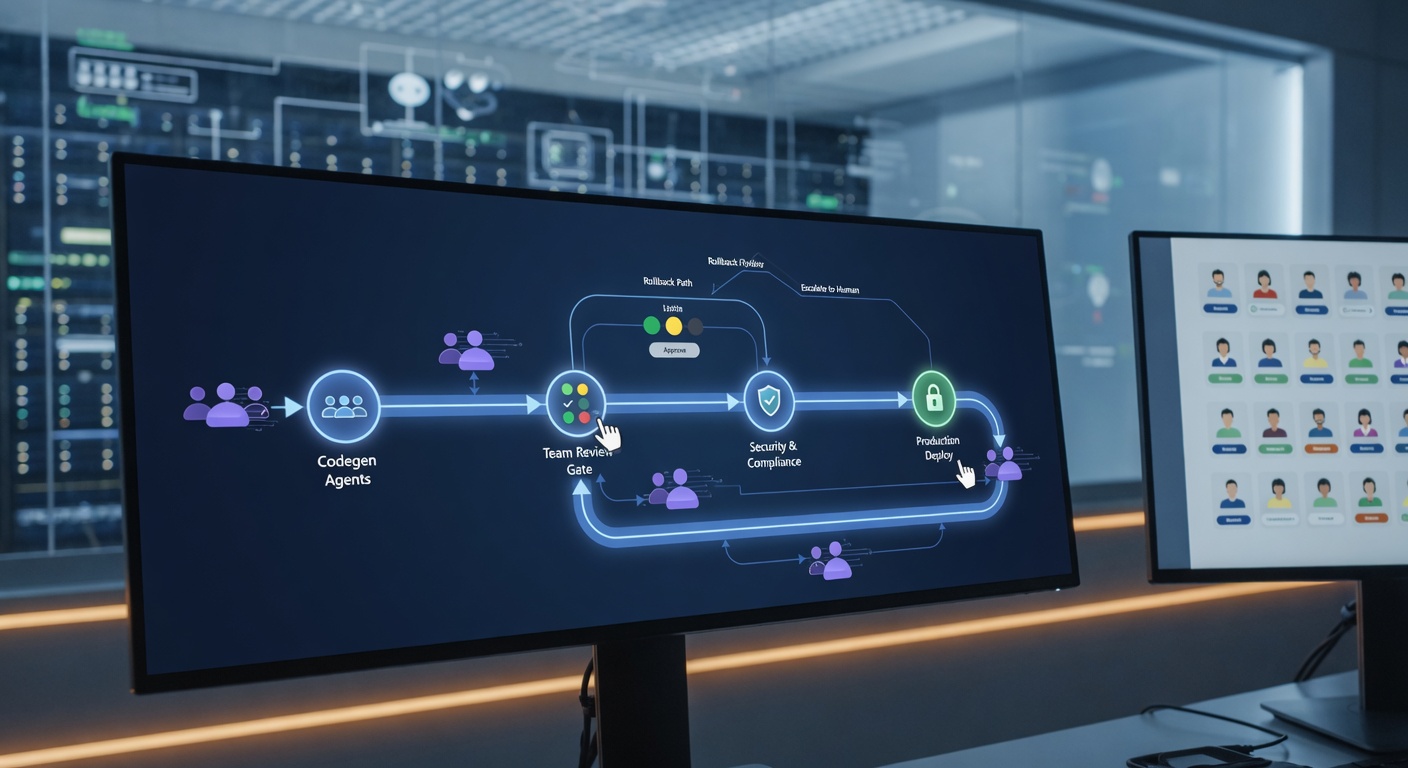
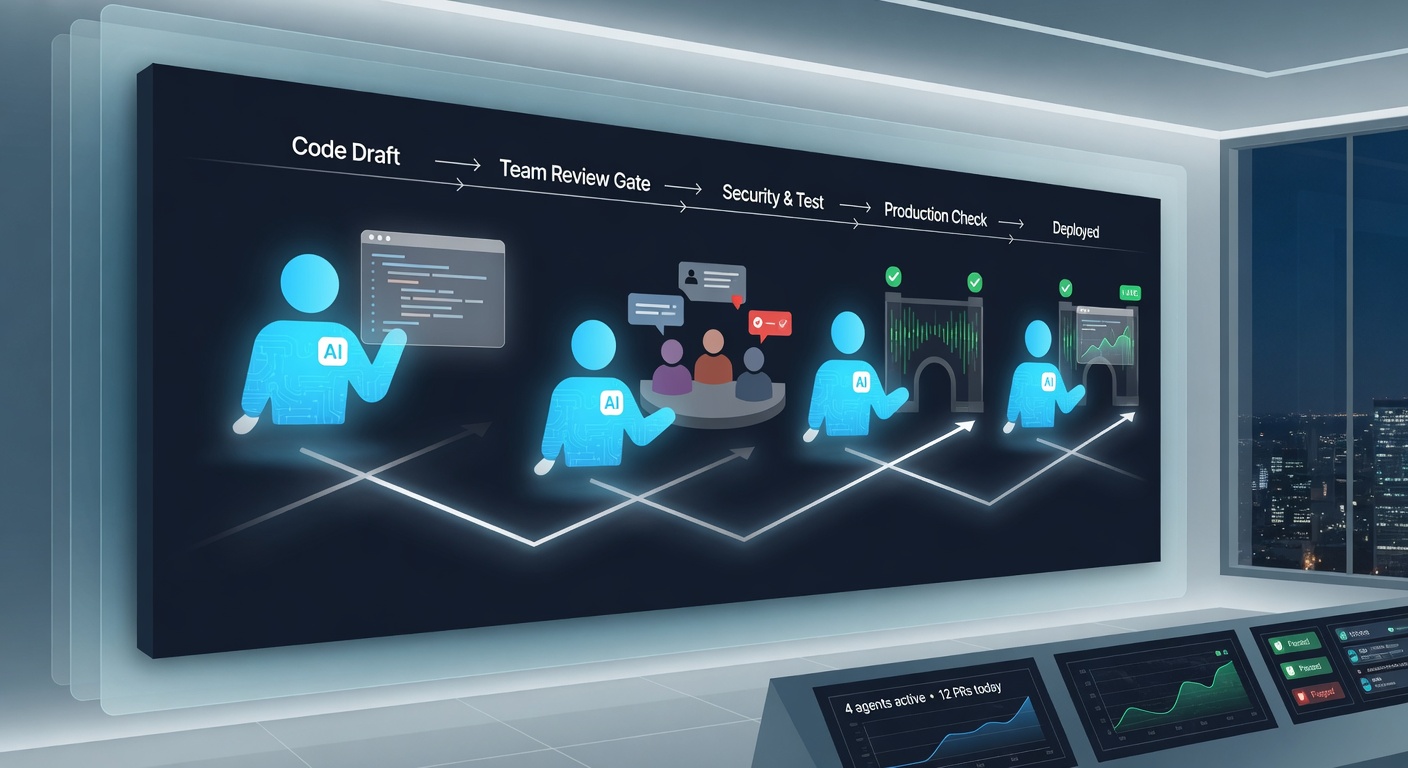
AI Coding Agents Are Becoming Team Infrastructure The problem AI coding agents are moving quickly, but the interesting shift is not just that they can write more code.