From Silent Failures to Seamless Fixes: Turning Your Chat Logs into a Product Superpower
Stop looking at your production chat and voice logs as a graveyard of past interactions—start treating them like a live, high-velocity R&D lab. Every time a user repeats a question, hits a wall, or sighs in frustration,
Automation needs a narrow first win
The best first AI workflow is usually a repeated task with a clear input, clear output, and a human approval step.
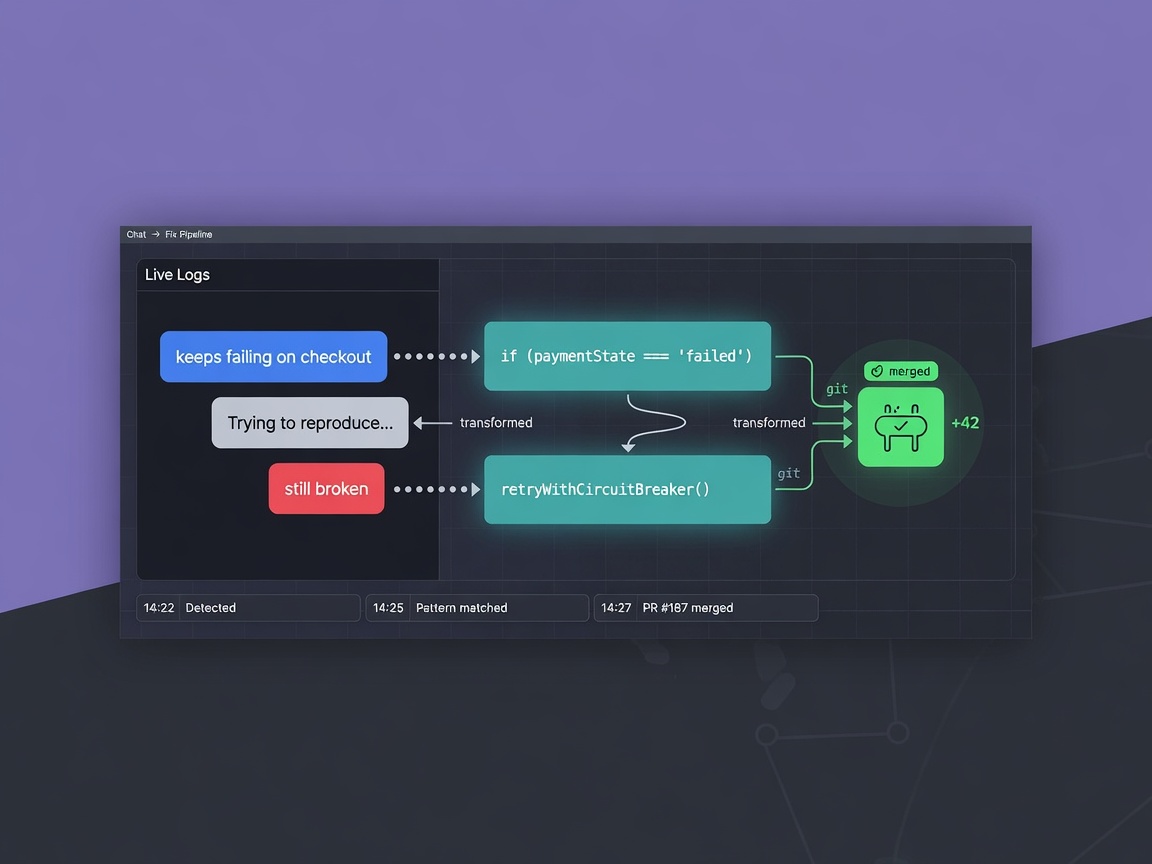
Stop looking at your production chat and voice logs as a graveyard of past interactions—start treating them like a live, high-velocity R&D lab. Every time a user repeats a question, hits a wall, or sighs in frustration, they are handing you a literal blueprint for your next big feature. Usually, these signals are buried in the noise—'silent failures' that happen in the shadows of your database. But what if you could automatically surface those frustrations, identify the bugs hidden within them, and move straight to a fix without a human ever having to manually sift through a single transcript?
Turning Hidden User Frustrations into a Product Roadmap
Agnost AI is basically your team's new superpower for hearing the things your users aren't explicitly saying in surveys. It listens to production conversations to pinpoint exactly where people are getting stuck, repeating themselves, or giving up entirely. The real magic here is uncovering 'proactive intents.' Instead of waiting for a user to churn before realizing they wanted a specific tool, Agnost AI surfaces those feature requests early. For instance, one team used the platform to surface 1,247 feature requests just from their existing chat logs! It takes the guesswork out of the roadmap by providing a factual basis for what users actually want, right when they are asking for it.
Worth a look
Phugialy Picks

AI Engineering: Building Applications with Foundation Models
A practical guide to building real-world applications with foundation models and LLMs.

Logitech G413 SE Full-Size Mechanical Gaming Keyboard - Black | Backlit, anti-ghosting, compatible with Windows and macOS, aluminum material

RK ROYAL KLUDGE R98 Pro Wired Mechanical Keyboard, 96% Creamy Gaming Keyboard RGB Backlit with Number Pad and Volume Knob, Gasket Mount, ...
Some Phugialy Picks use affiliate links. If you buy through one, Phugialy may earn a commission. It doesn't change what we recommend. Full disclosure →
Closing the Loop with Autonomous Bug Fixes
Knowing there is a problem is only half the battle; the real game-changer is how fast you can crush it. Agnost AI doesn't just flag issues; it converts high-impact patterns into reviewed suggestions and automatic agent improvements. This means identifying a policy violation or a recurring bug and moving toward a solution almost instantly. The platform has even demonstrated the ability to spot bugs buried in conversations and open PRs to fix them overnight—with one user noting that 16/18 autonomous PRs were successfully merged. By providing a CLI skill to add analytics via npx and integrating with tools like the MCP Toolbox for Databases, it creates a streamlined, high-speed path from 'user pain' to 'deployed fix.'
The Shift from Support to Active R&D
The most exciting part of this isn't just the analytics; it's the fundamental shift in how we view customer interaction. This solves the 'lost feedback' problem that plagues almost every scaling company—where valuable insights are buried in thousands of logs that no human has the time to read. By converting high-impact patterns into automatic improvements, Agnost AI is building a bridge between the customer's pain point and the engineer's to-do list. The real story here is that we are moving toward a future where support isn't just a cost center for solving problems; it becomes the primary fuel for how we ship products faster. Give it a year, and we won't be looking at chat analytics as a separate dashboard—it will be the heartbeat of the development cycle.
Got a question about how this applies to you? →
Keep reading
Follow the thread
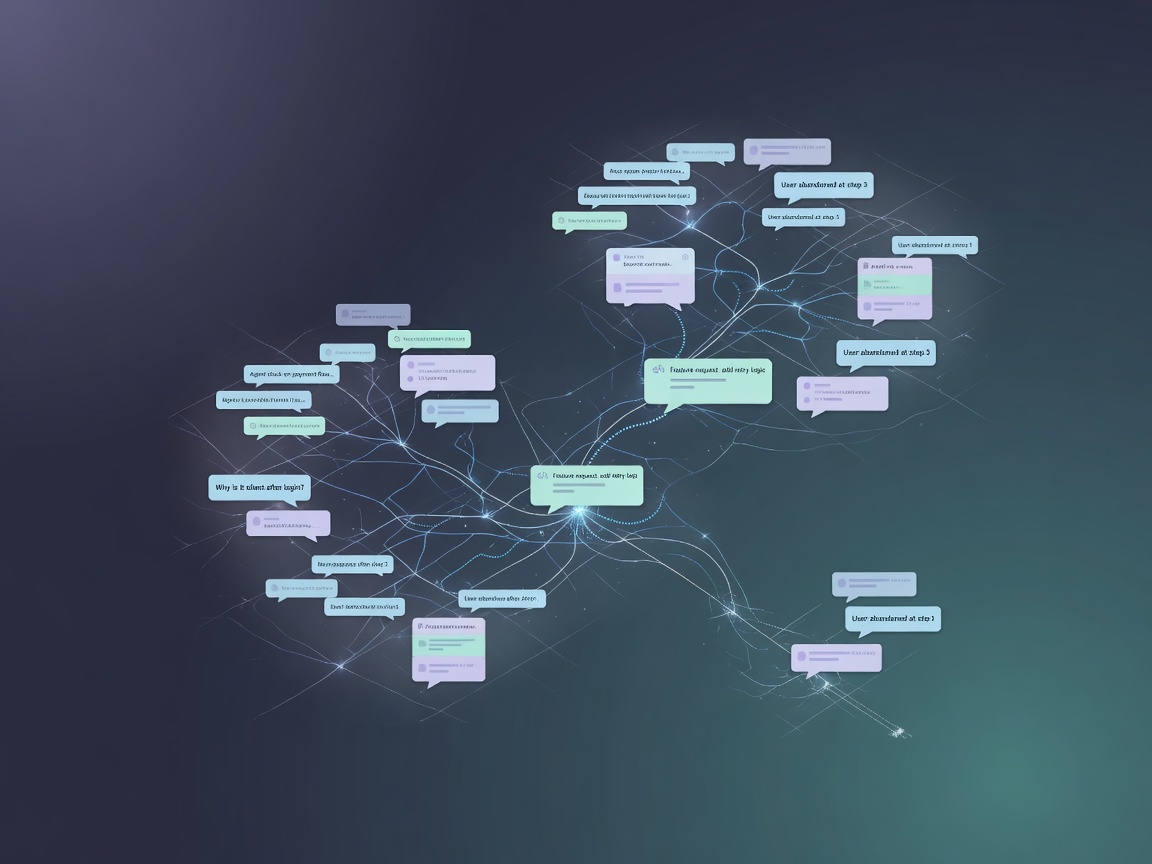
Stop Guessing: How Agnost AI Turns 'Silent' Agent Frustrations into Your Next Big Feature
What if your AI agents could tell you exactly what features your customers are dreaming of before they even know how to ask? Agnost AI is turning "silent" user frustrations into a literal roadmap for your next release.
Read this noteSame lane, different angle
Scaling Agentic Workflows: How EvoSOP Turns Agent Experience into Reusable SOPs
The draft was already strong, but I tightened the 'Builder' persona by making the prose more direct and punchy. I enhanced the perspective section to more clearly frame the 'fluke vs. pattern' distinction as a core engineering challenge.
Why Most Enterprise AI Agents Never Reach Production
Two out of three enterprise AI agents never reach production — and the reason isn't model quality. It's that the agent doesn't know what your data means.