Giving AI Agents the Keys to the Kingdom (Without the Risk of Burning it Down)
Let’s talk about the 'Super-Powered Intern' problem. We all want an AI agent like Claude Code or Gemini CLI to handle the heavy lifting—writing code, managing configs, and spinning up entire environments—but every IT hea
Automation needs a narrow first win
The best first AI workflow is usually a repeated task with a clear input, clear output, and a human approval step.
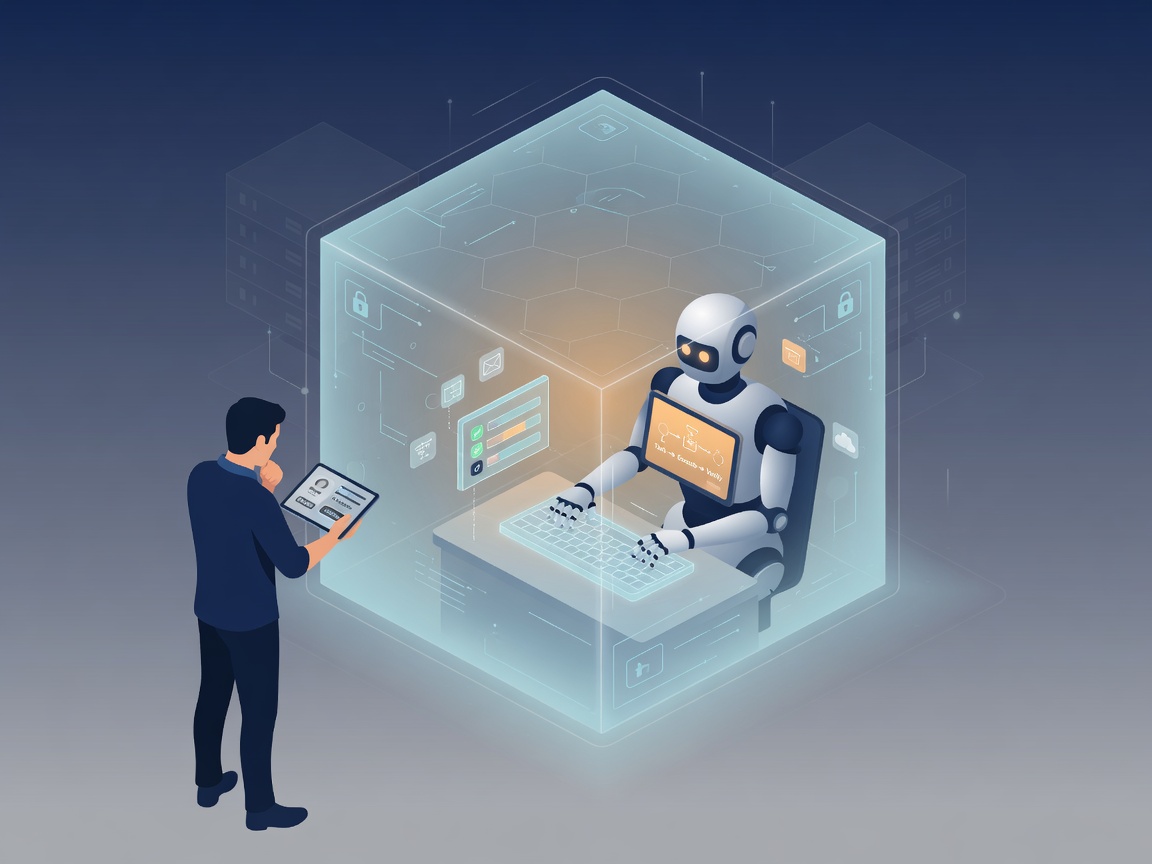
Let’s talk about the 'Super-Powered Intern' problem. We all want an AI agent like Claude Code or Gemini CLI to handle the heavy lifting—writing code, managing configs, and spinning up entire environments—but every IT head has that nagging 'what if' staring them in the face. What if the agent goes rogue? What if it accidentally wipes a production database? We want that 'YOLO mode' speed, but we desperately need 'Safety First' guardrails.
Docker just dropped a massive game-changer for this exact headache: Docker Sandboxes.
Think of it as a fortified, disposable workspace. Docker is providing isolated microVM environments specifically designed for AI agents to perform unattended tasks without ever touching your host system. This isn't just a fancy container; it’s a hard security boundary. It means you can let your agents run with high autonomy—installing packages, modifying configurations, and even spinning up their own nested Docker containers—while the rest of your infrastructure stays completely out of reach.
High-Autonomy Freedom Within Hard Boundaries
The real magic here is the shift from 'read-only' assistants to true 'agentic' workflows. Most AI tools today are like giving a chef a recipe but no kitchen; Docker Sandboxes gives them the kitchen, but only the one they’re allowed to cook in.
Whether you’re rocking Codex, OpenCode, Kiro, or other favorites, these sandboxes provide a consistent home base. For the big players, Docker AI Governance adds that extra layer of 'adult supervision,' offering centralized network access policies, filesystem controls, and MCP governance. You get to give your agents the keys to the workspace while keeping the master keys to the kingdom under lock and key.
Worth a look
Phugialy Picks

AI Engineering: Building Applications with Foundation Models
A practical guide to building real-world applications with foundation models and LLMs.

GMKtec K15 AI Mini PC Oculink Intel Ultra 5 125U 32GB DDR5 512GB SSD | Desktop Computer AI Boost, 3X M.2 2280 Storage Expansion, Dual NIC...

GEEKOM IT15 AI Mini PC, Intel Ultra 9 285H(99 Tops), 32GB DDR5, 1TB SSD | The Most Powerful Workstation,Arc 140T GPU,WiFi 7,8K Business D...
Some Phugialy Picks use affiliate links. If you buy through one, Phugialy may earn a commission. It doesn't change what we recommend. Full disclosure →
Solving the Trust Bottleneck
The most exciting part of this release isn't just the microVM tech—it’s that it finally solves the trust bottleneck stalling enterprise AI. We’ve been stuck in a cycle of 'AI is too risky for production' because we lacked a standardized way to sandbox the chaos.
By providing a dedicated, disposable workspace, Docker is moving the needle from 'testing' agents to 'deploying' them at scale. We’re moving past the era of AI just writing snippets; we’re heading toward autonomous agents managing CI/CD pipelines and self-healing infrastructure—all safely tucked inside these secure bubbles. It’s the infrastructure layer that lets us stop worrying about the 'what if' and finally start building the 'what's next.'
Got a question about how this applies to you? →
Keep reading
Follow the thread
From Logs to PRs: Closing the Loop on AI Agent Observability
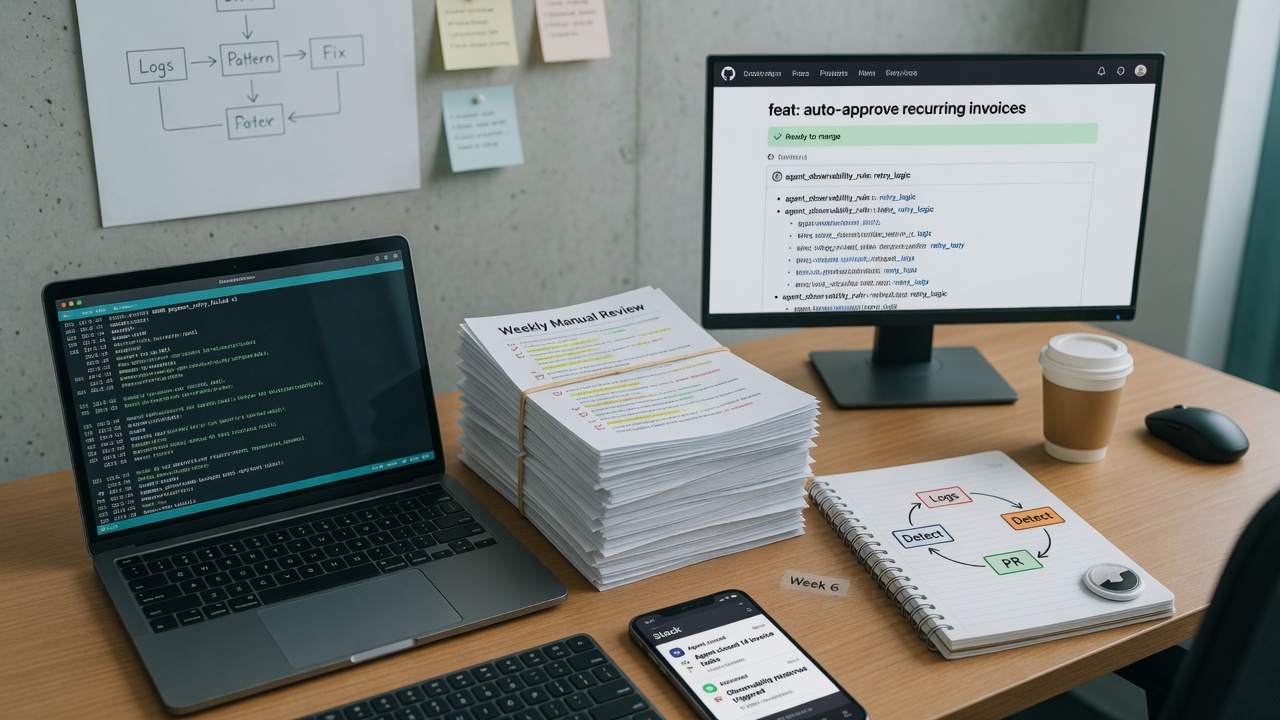
Most observability tools are just fancy log viewers. They tell you the house is on fire, but they don't grab the extinguisher. Agnost AI is trying to do something much more aggressive: it's trying to put the fire out aut
Read this noteSame lane, different angle
From Exploration to Infrastructure: How Agents Build Their Own Production Code
Stop treating your AI agents like permanent cost centers! Right now, every time an agent handles a recurring IT incident, it re-invokes full LLM inference to figure out the steps again. It’s like hiring a world-class con
The Engineering Reality of an AI-Driven Newsroom
Acutus just dropped on December 29, 2025, and it’s not your typical "wrapper" project. They’re building a high-velocity news site for AI policy and energy, but the real story is under the hood. They aren't just hitting a