From Logs to PRs: Closing the Loop on AI Agent Observability
Most observability tools are just fancy log viewers. They tell you the house is on fire, but they don't grab the extinguisher. Agnost AI is trying to do something much more aggressive: it's trying to put the fire out aut
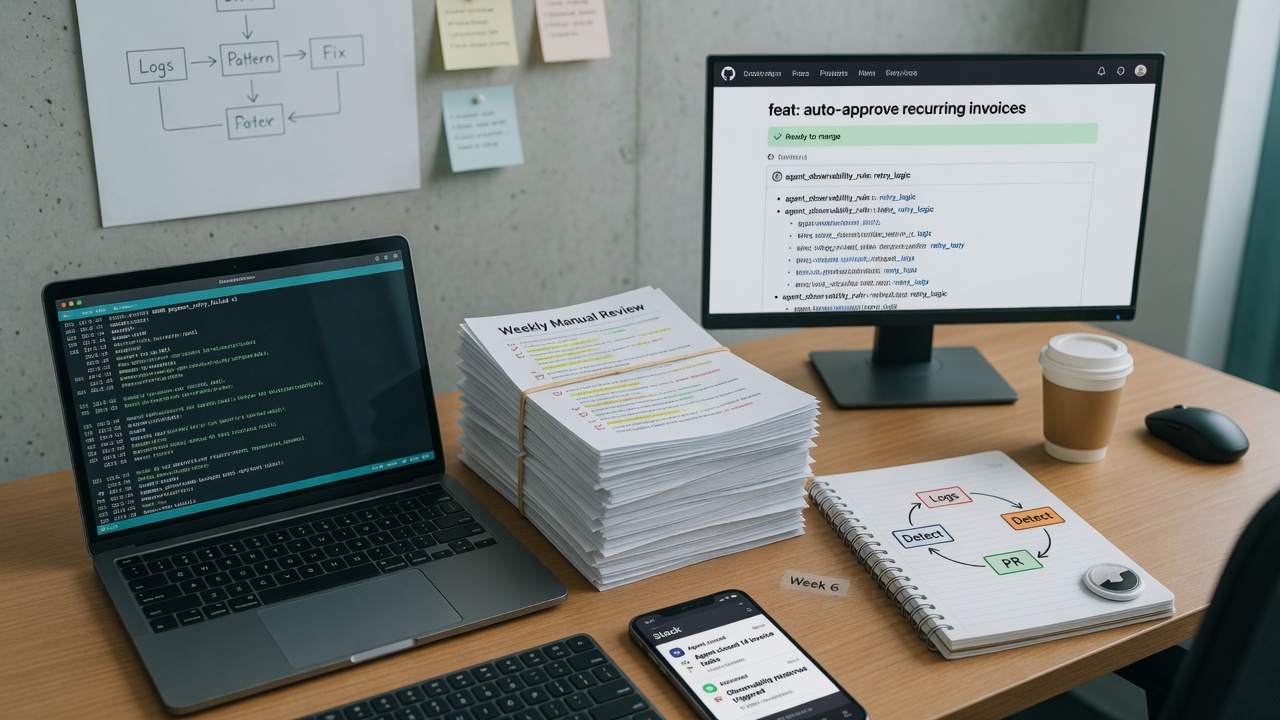
Automation needs a narrow first win
The best first AI workflow is usually a repeated task with a clear input, clear output, and a human approval step.
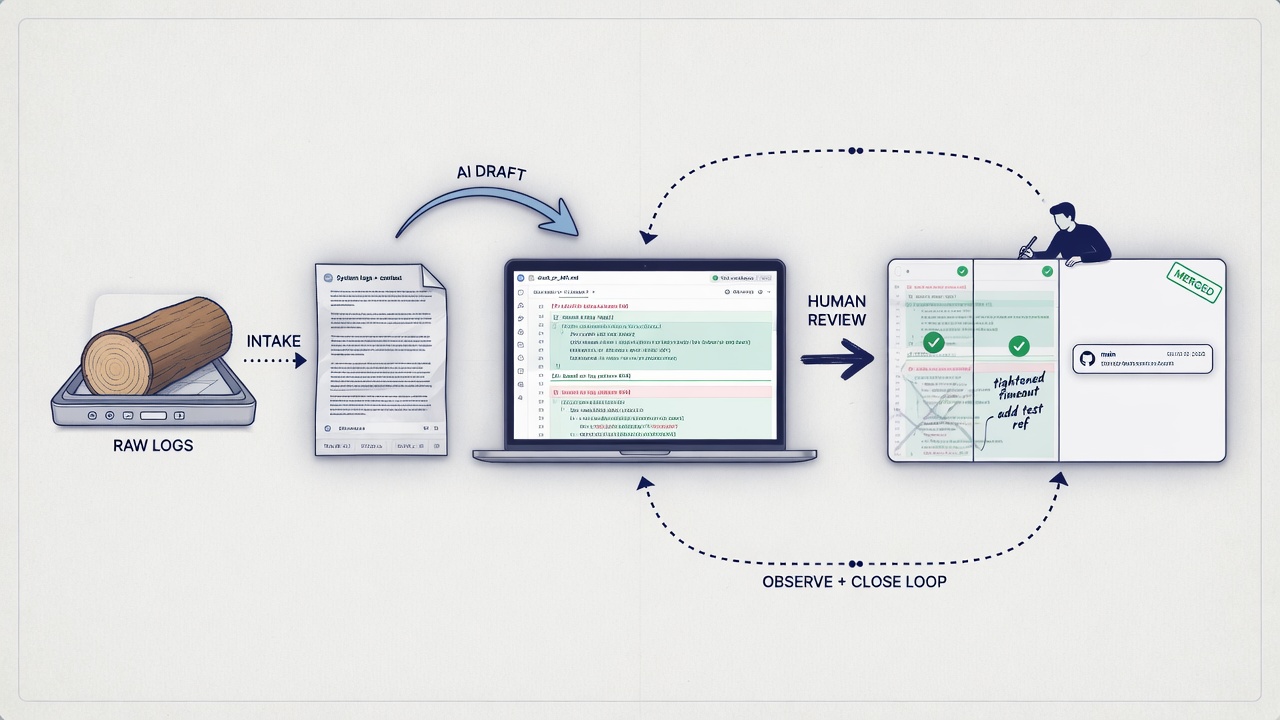
Most observability tools are just fancy log viewers. They tell you the house is on fire, but they don't grab the extinguisher. Agnost AI is trying to do something much more aggressive: it's trying to put the fire out automatically. By integrating with tools like MCP Toolbox for Databases, it doesn't just track error rates; it identifies the specific conversation patterns that lead to those errors and—this is the kicker—it attempts to open a Pull Request to fix them. It’s moving the needle from passive monitoring to active intervention.
Mining Gold from Chat Logs
The real pain point for any builder is 'noisy' data. You have thousands of user interactions, and you're trying to figure out what actually matters. Agnost AI surfaced 1,247 feature requests just from user chats. That’s a massive win for product teams who usually have to manually sift through tickets or 'vibe check' sentiment. Instead of guessing what users want, you’re getting a data-backed backlog of what they’re actually asking for when the agent hits a wall. For example, their Voice BDRs saw meaningful improvements in booking meetings because Agnost surfaced the specific patterns behind the conversations that actually converted. It turns 'the agent is being weird' into 'the user wants X, and here is the evidence.'
Worth a look
Phugialy Picks

AI Engineering: Building Applications with Foundation Models
A practical guide to building real-world applications with foundation models and LLMs.

GMKtec K15 AI Mini PC Oculink Intel Ultra 5 125U 32GB DDR5 512GB SSD | Desktop Computer AI Boost, 3X M.2 2280 Storage Expansion, Dual NIC...

GEEKOM IT15 AI Mini PC, Intel Ultra 9 285H(99 Tops), 32GB DDR5, 1TB SSD | The Most Powerful Workstation,Arc 140T GPU,WiFi 7,8K Business D...
Some Phugialy Picks use affiliate links. If you buy through one, Phugialy may earn a commission. It doesn't change what we recommend. Full disclosure →
The Reality of Autonomous PRs
Let's talk about the autonomous PRs. The source says they hit a 16/18 merge rate on fixes spotted in conversations. That’s impressive, but as a builder, you’re going to ask: How much context is it actually pulling? The magic isn't just the AI writing code; it's the AI mapping a specific user frustration to a specific line in your codebase. If Agnost can bridge that gap without you having to manually triage every single 'fix,' you've just collapsed the feedback loop from days to minutes. It moves the needle from 'observability' to 'automated maintenance.' This is how you scale: by ensuring that the time between "identifying a bug" and "shipping a fix" is as close to zero as possible.
Scaling the Self-Healing Architecture
Here’s the catch: this isn't a 'set it and forget it' magic wand for every project. You have to look at the economics. At $499/mo for 1,000 messages, you’re paying for high-fidelity oversight. For high-volume production environments (up to 100,000 messages), you need to calculate the ROI of saved engineering hours vs. the cost of the platform. The real story here is the shift toward 'self-healing' architectures. You aren't just building an agent; you're building a system that repairs itself. But remember, your CI/CD pipeline is still your final line of defense. The goal isn't to let the AI run wild; it's to give your engineers a head start on the fixes that matter most, allowing them to focus on high-level strategy rather than chasing down every single log entry.
Got a question about how this applies to you? →
Keep reading
Follow the thread
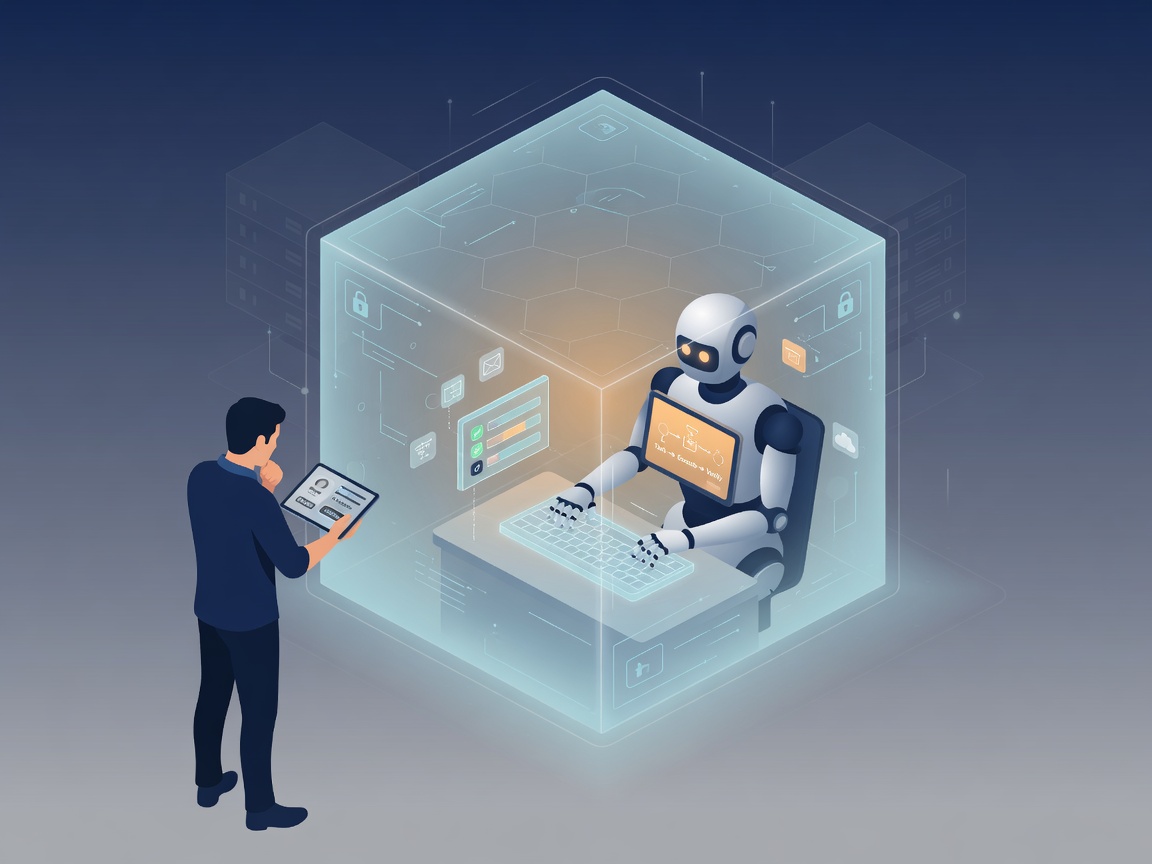
Giving AI Agents the Keys to the Kingdom (Without the Risk of Burning it Down)
Let’s talk about the 'Super-Powered Intern' problem. We all want an AI agent like Claude Code or Gemini CLI to handle the heavy lifting—writing code, managing configs, and spinning up entire environments—but every IT hea
Read this noteSame lane, different angle
Beyond the Demo: The Gritty Reality of Agentic Video Production
The original draft was solid but lacked the high-energy 'Builder' persona, leaning slightly too academic. I injected more direct, hands-on language and sharpened the 'Orchestration Gap' analysis to ensure a distinct point of view. I also refined the hook to create a stronger tension regarding the reality of agentic architecture.
From Exploration to Infrastructure: How Agents Build Their Own Production Code
Stop treating your AI agents like permanent cost centers! Right now, every time an agent handles a recurring IT incident, it re-invokes full LLM inference to figure out the steps again. It’s like hiring a world-class con