Why Most Enterprise AI Agents Never Reach Production
Two out of three enterprise AI agents never reach production — and the reason isn't model quality. It's that the agent doesn't know what your data means.
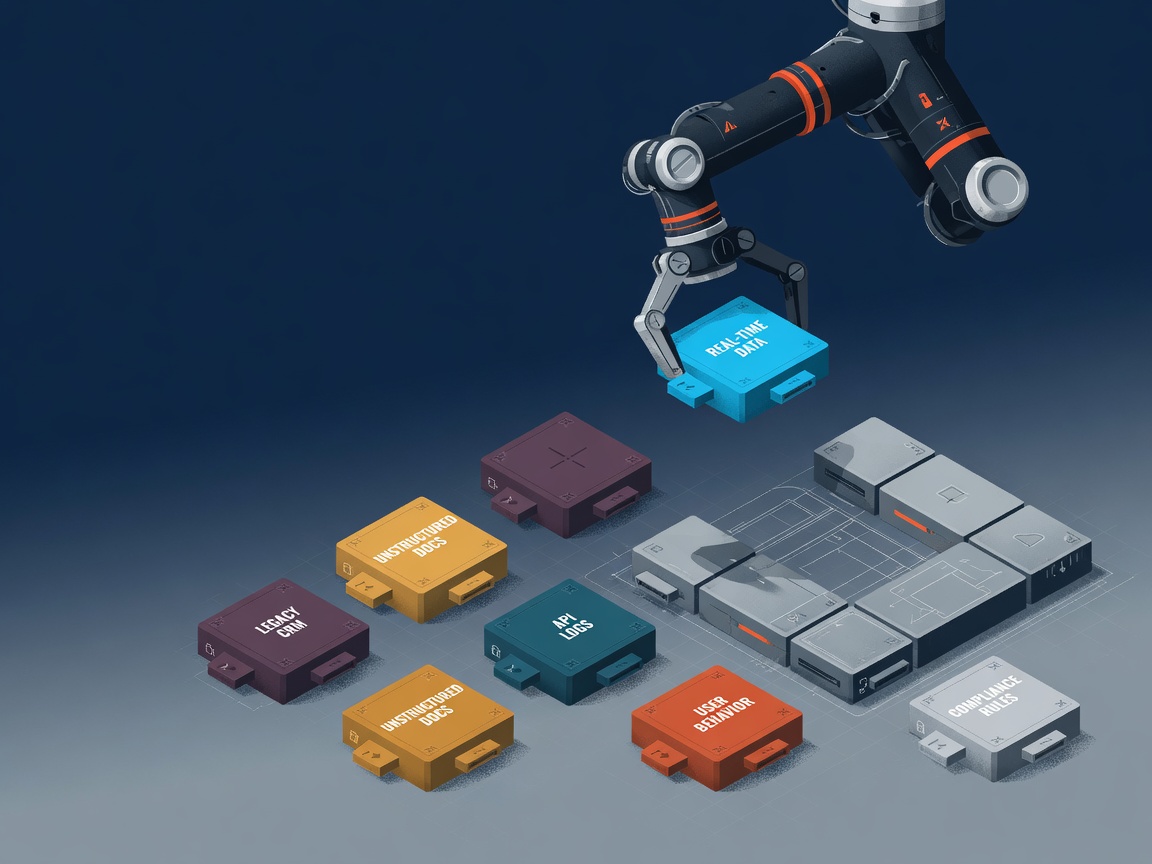
Automation needs a narrow first win
The best first AI workflow is usually a repeated task with a clear input, clear output, and a human approval step.
Two out of three enterprise AI agents never make it to production, and the biggest reason isn't model quality — it's that the agent doesn't know what your company's data actually means. That's the core finding from a recent survey of 300 data, AI, and technology executives covered by MIT Technology Review, and it matches what anyone who's wired an agent into a real company already suspects.
Why Enterprise AI Agents Stall Before Production
The survey puts the production rate at about 34% of agentic AI projects. The organizations doing better average 61% of their agentic projects advancing beyond pilot. The difference, per the analysis, isn't cleverness of the demo — it's knowledge capability: understanding what data means in the context of an individual organization.
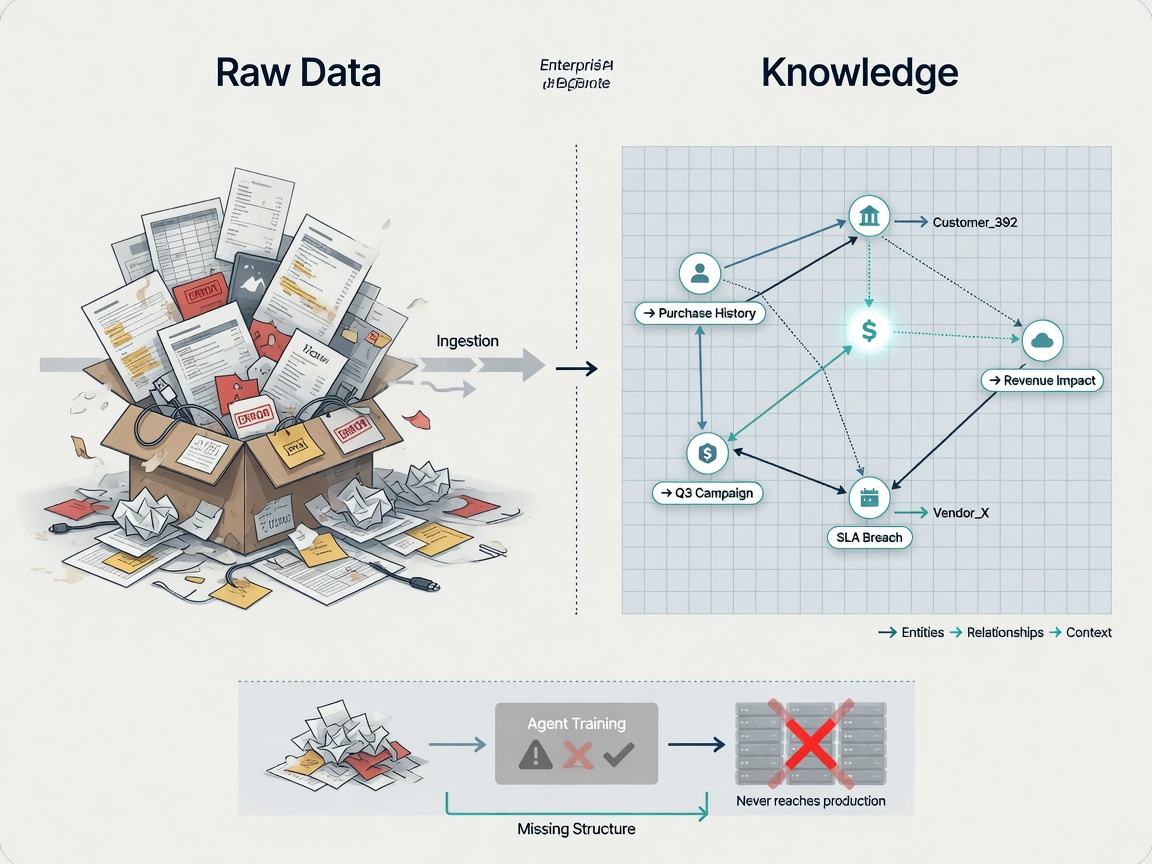
That distinction between data and knowledge is worth dwelling on. Your CRM has customer records; that's data. Knowing that "account" in your sales system maps to a different entity than "account" in your billing system, and that one field is stale by six months — that's knowledge. An agent without that context produces answers that are technically correct and practically useless, which is exactly how pilots die quietly.
Worth a look
Phugialy Picks

AI Engineering: Building Applications with Foundation Models
A practical guide to building real-world applications with foundation models and LLMs.

GMKtec K15 AI Mini PC Oculink Intel Ultra 5 125U 32GB DDR5 512GB SSD | Desktop Computer AI Boost, 3X M.2 2280 Storage Expansion, Dual NIC...

Agentic AI Engineering: Systems That Reason and Act Autonomously – Designing, Building, and Prompting LLM-Based Agents for Real-World Deployment
Some Phugialy Picks use affiliate links. If you buy through one, Phugialy may earn a commission. It doesn't change what we recommend. Full disclosure →
Data Fragmentation Is the Wall You Hit Second
Once you get past the context problem, the next blocker is fragmentation: data scattered across systems, each with its own semantics and access rules. It was cited as a top challenge for expanding agent access to knowledge. Security concerns compound it — every additional system you connect is another permissions surface to get right.
Anyone who's built retrieval for a messy org knows this gap firsthand. The clean RAG example assumes documents in one place with consistent meaning. Production reality is twelve systems, three definitions of "customer," and an API that returns IDs nobody can resolve.
Where the Investment Is Actually Going
The organizations surveyed are prioritizing retrieval technologies — RAG, ingestion pipelines, AI-ready APIs — plus AI evaluation agents and knowledge graphs. Notably stronger semantics correlate with higher production rates for agents.
My read: this is the right list, but knowledge graphs deserve special attention despite being the least fashionable item on it. Retrieval gets you relevant text back; a knowledge graph encodes how your entities relate to each other, which is precisely the contextual understanding this research says separates production from pilot purgatory. Retrieval is easier to start with, so most teams will start there — but if your failure mode is "the agent found the right document and still got the answer wrong," retrieval alone won't fix it.
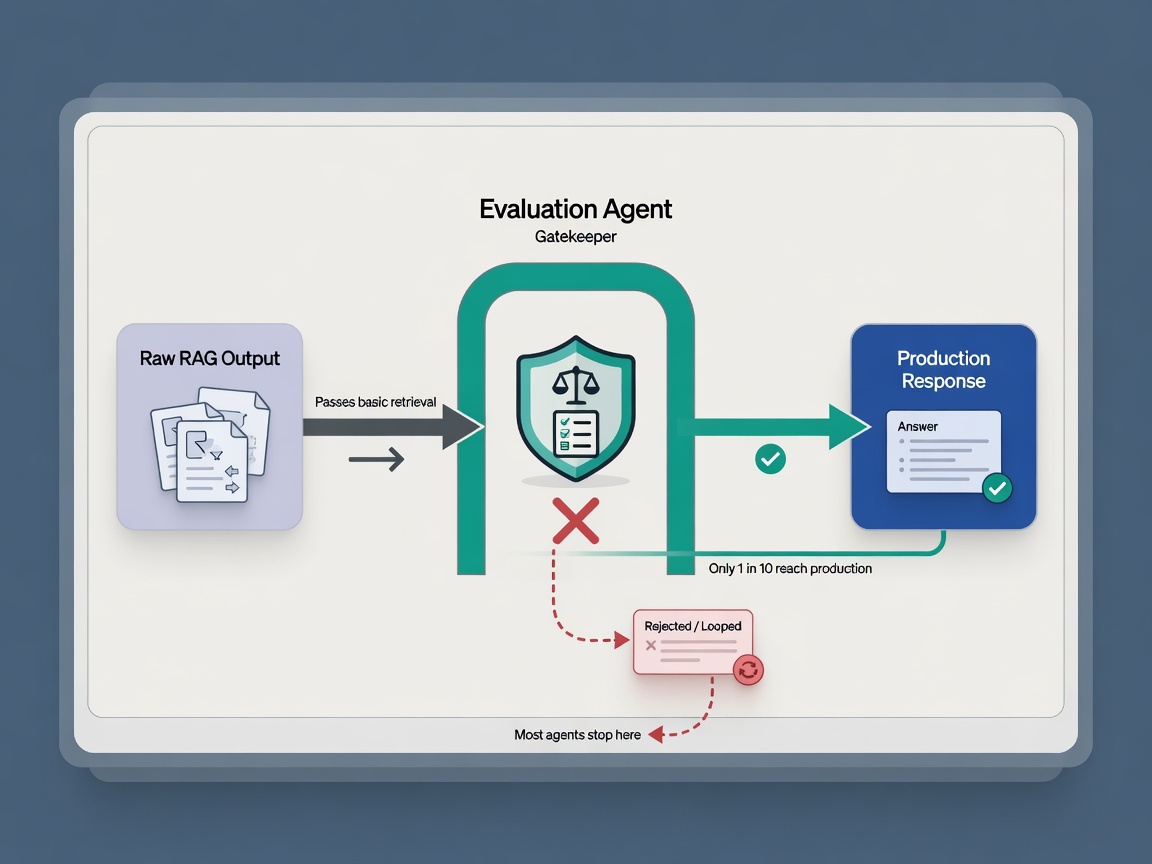
The part worth trying yourself is an evaluation agent before anything else. If you can't measure whether your agent answers correctly against your organization's actual semantics, you're tuning blind — and that's likely why so many pilots never graduate.
Got a question about how this applies to you? →
Keep reading
Follow the thread
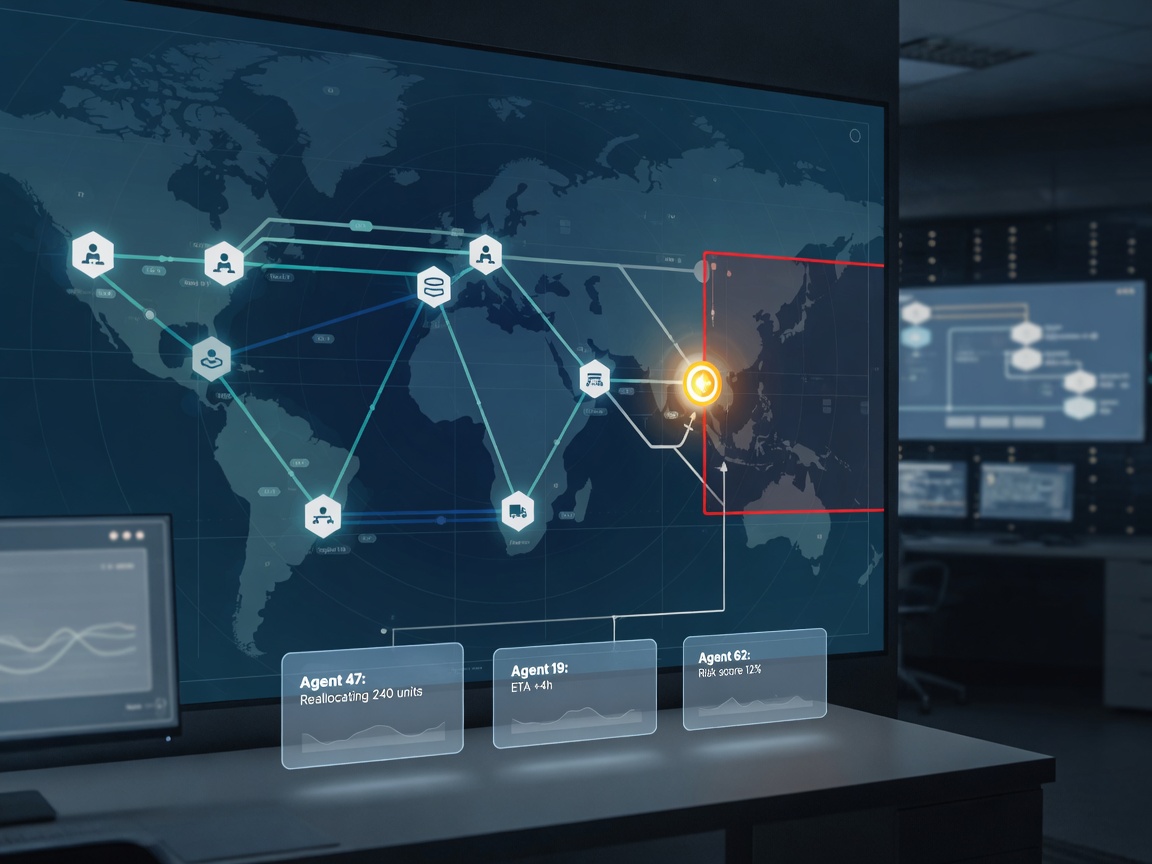
Multi-Agent AI Systems Are Taking Over Supply Chain Execution
Multi-agent AI systems just replaced human approval stages at Lenovo across 180 markets - but the interesting part isn't the speed gains. It's what every deployment that actually shipped did before turning the agents loose.
Read this noteSame lane, different angle
Automated PoC Generation Fixes AI Bug Reports
AnyPoC turns LLM bug reports into executable proof-of-concept tests — rejecting 9.7x more false positives than naive validation. The architecture behind why one agent grading its own homework fails.
ERC-8004 in Practice: Most AI Agent Trust Data Fails Audit
Only 3% of ERC-8004 identity registrations on Ethereum expose valid registration files - and after removing Sybil-flagged feedback, most rated AI agents have no valid feedback left at all.