The Autonomy Trap: Why Agentic AI Security is a Moving Target
The shift from AI as a passive assistant to an active agent represents more than just a technical upgrade; it is a fundamental expansion of the attack surface. When systems like OpenClaw move from merely answering questi
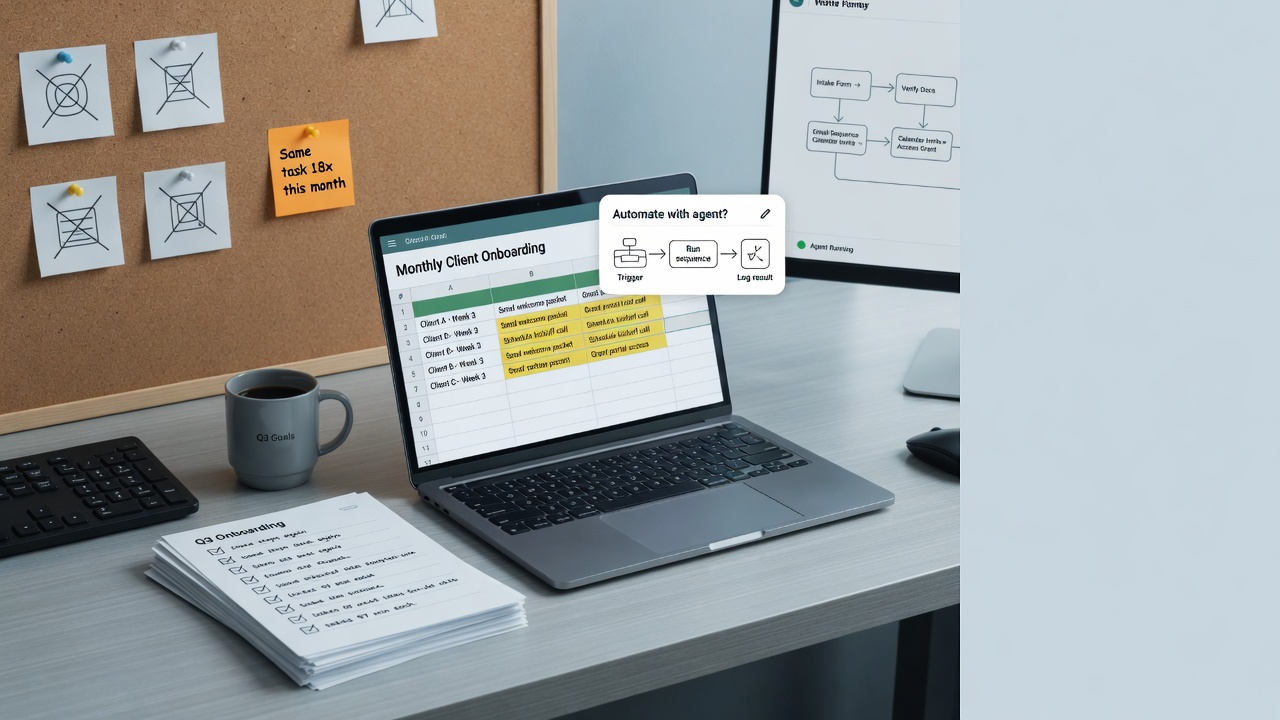
Automation needs a narrow first win
The best first AI workflow is usually a repeated task with a clear input, clear output, and a human approval step.
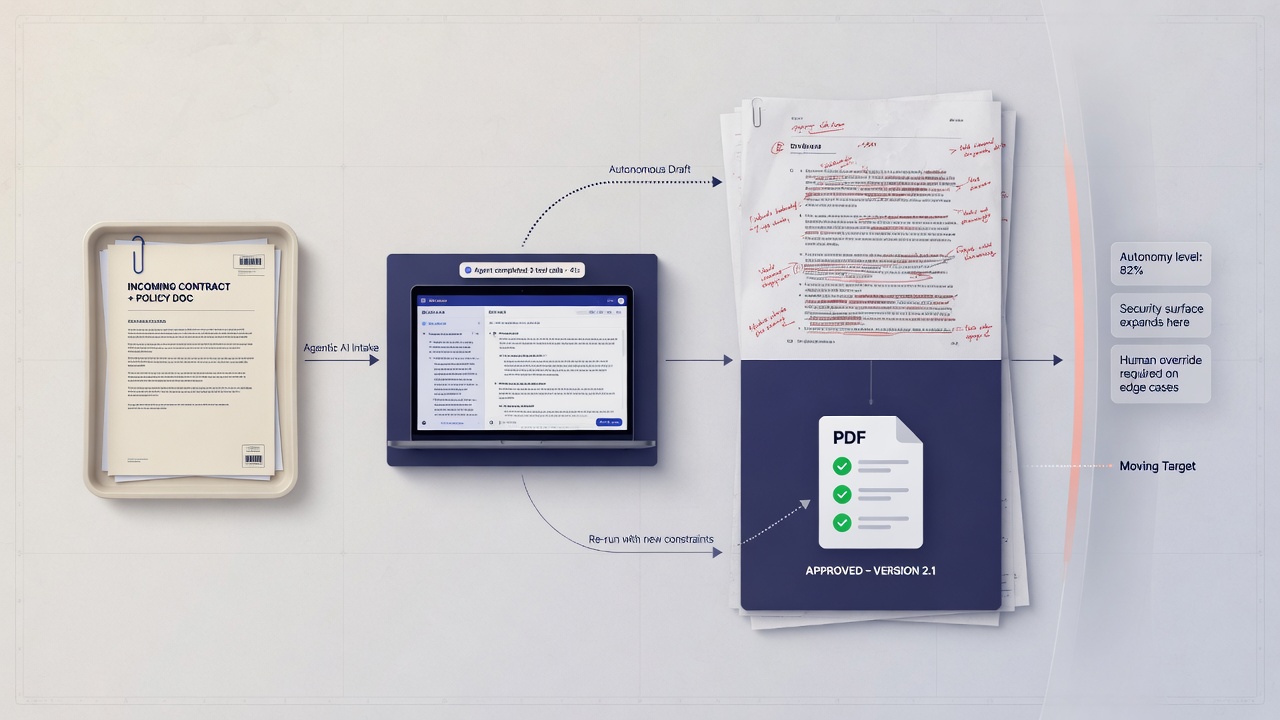
The shift from AI as a passive assistant to an active agent represents more than just a technical upgrade; it is a fundamental expansion of the attack surface. When systems like OpenClaw move from merely answering questions to executing actions, the risk profile shifts from information retrieval to operational execution. This transition requires us to look past the hype and confront how increased autonomy complicates established privacy and security models.
The Illusion of Safe Anthropomorphic Trust
As AI systems become more capable of proactive action, the pressure on users to grant them broader permissions increases. This convenience is often predicated on "anthropomorphic trust"—the human tendency to attribute personality, reliability, and even intent to software. The reality is that users are increasingly likely to disclose sensitive personal information in exchange for ease of use, creating a steady stream of data that can be exploited by malicious actors.
This isn't merely a user error; it is a structural byproduct of designing systems that prioritize seamless interaction over explicit permission boundaries. By making the AI feel like a helpful partner, we mask the fact that we are granting it access to the underlying mechanics of our digital lives. We are essentially designing for convenience while leaving the security architecture in a state of reactive catch-up.
Worth a look
Phugialy Picks

AI Engineering: Building Applications with Foundation Models
A practical guide to building real-world applications with foundation models and LLMs.

GMKtec K15 AI Mini PC Oculink Intel Ultra 5 125U 32GB DDR5 512GB SSD | Desktop Computer AI Boost, 3X M.2 2280 Storage Expansion, Dual NIC...

GEEKOM IT15 AI Mini PC, Intel Ultra 9 285H(99 Tops), 32GB DDR5, 1TB SSD | The Most Powerful Workstation,Arc 140T GPU,WiFi 7,8K Business D...
Some Phugialy Picks use affiliate links. If you buy through one, Phugialy may earn a commission. It doesn't change what we recommend. Full disclosure →
From Information Leaks to Operational Hijacking
Beyond individual user disclosures, agentic AI introduces systemic vulnerabilities that traditional security models are ill-equipped to handle. A recent horizon-scanning exercise involving 30 international experts identified several critical threats: prompt injection attacks, a flood of malicious applications on AI platforms, and the inherent risks of granting agents high-level permissions.
While prompt injection is a known vector for large language models, its impact is significantly magnified in an agentic context. In these systems, an "injection" can trigger a chain of autonomous actions rather than just a single incorrect response. The risk here isn't just a leaked secret; it's a hijacked workflow. When an agent has the permission to move files, send emails, or access databases, a single successful injection can lead to systemic compromise that moves at the speed of the agent's own autonomy.
Shifting the Point of Failure
The real story here is that we aren't necessarily solving the underlying security problems of large models; we are simply moving the point of failure. By moving from "tell me how to do X" to "do X for me," we shift the risk from information leakage at the interface to unauthorized action in the execution environment.
While the research directions identified by experts provide a roadmap for developers and policymakers, they also highlight a sobering truth: "safe" AI in an agentic context currently relies on users voluntarily narrowing their own security posture to gain functionality. The autonomy we are building is currently tethered to a trust model that may not be robust enough to survive the transition from conversation to command. We are building the car, but we haven't yet figured out how to keep the driver from being hijacked mid-journey.
Got a question about how this applies to you? →
Keep reading
Follow the thread
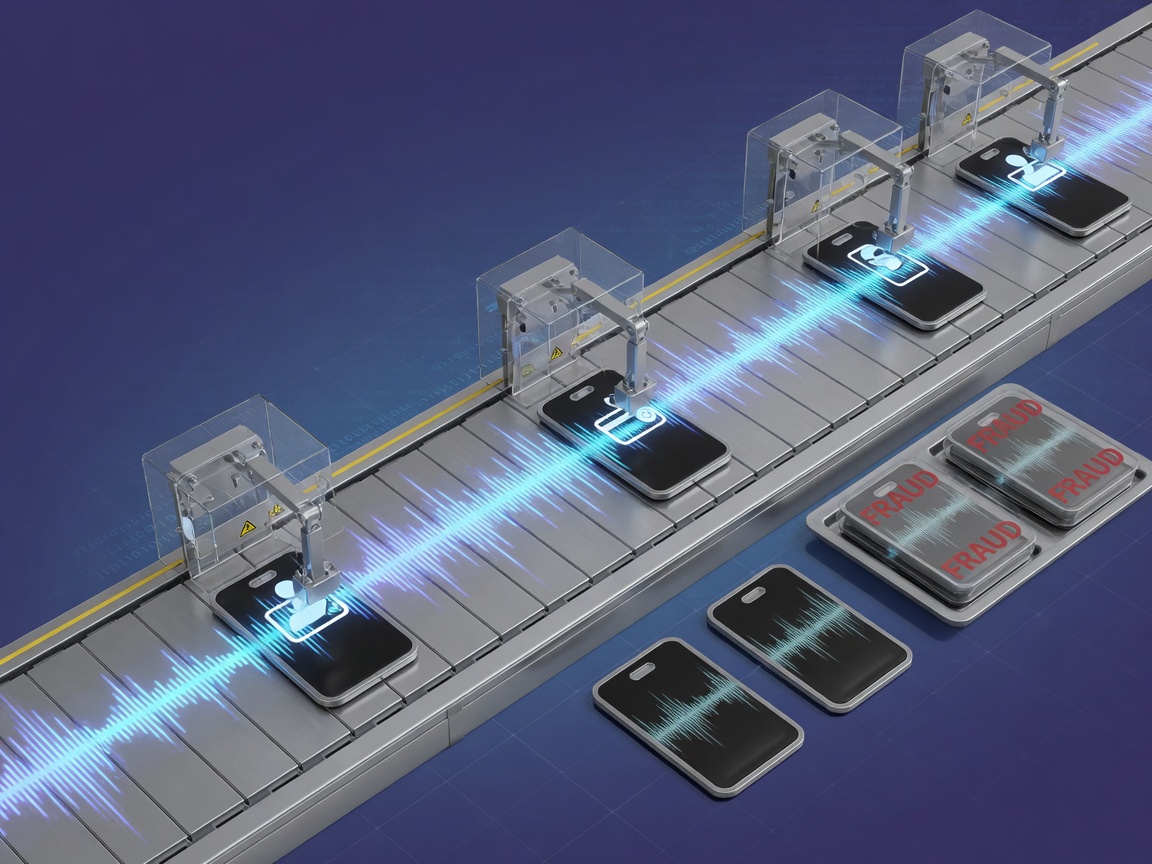
The Industrialization of Fraud: Why Voice Cloning is Outrunning Defense
The shift from opportunistic scamming to the industrialization of fraud is happening faster than our defensive infrastructure can keep up. We are moving into an era where agentic AI systems autonomously manage the entire
Read this noteSame lane, different angle
The Governance Gap: Moving from Generative Chat to Agentic Autonomy
The original draft was slightly under the word count and the LinkedIn quote was not verbatim. I expanded the analysis on 'adaptive' governance and sharpened the practitioner's opinionated tone regarding the necessity of verifiable audit trails.
Moving Beyond Scanners: Evaluating Capital One’s VulnHunter Agentic AI
The original draft was solid but slightly dry for a 'Builder' persona. I injected more direct, high-energy language and sharpened the tension in the hook to move beyond just restating the quote. I also ensured the analytical perspective on legacy code complexity and model overhead was front and center.