Skillsync: Making AI Coding Agent Sessions Portable
Skillsync converts AI coding agent sessions between Claude Code, Codex, and Cursor - keeping messages, reasoning, and tool calls intact. The lock-in it targets is invisible right up until it's expensive, because the session turns out to be the unit of collaboration, and right now it's being thrown away.
Automation needs a narrow first win
The best first AI workflow is usually a repeated task with a clear input, clear output, and a human approval step.
Skillsync converts AI coding agent sessions between tools like Claude Code, Codex, and Cursor, preserving messages, reasoning, and tool calls. That last part is the one worth paying attention to - a transcript export is easy, but keeping tool calls intact across a different agent's runtime is the hard problem, and it's the difference between a conversation archive and something you can actually resume.
What Skillsync Actually Does
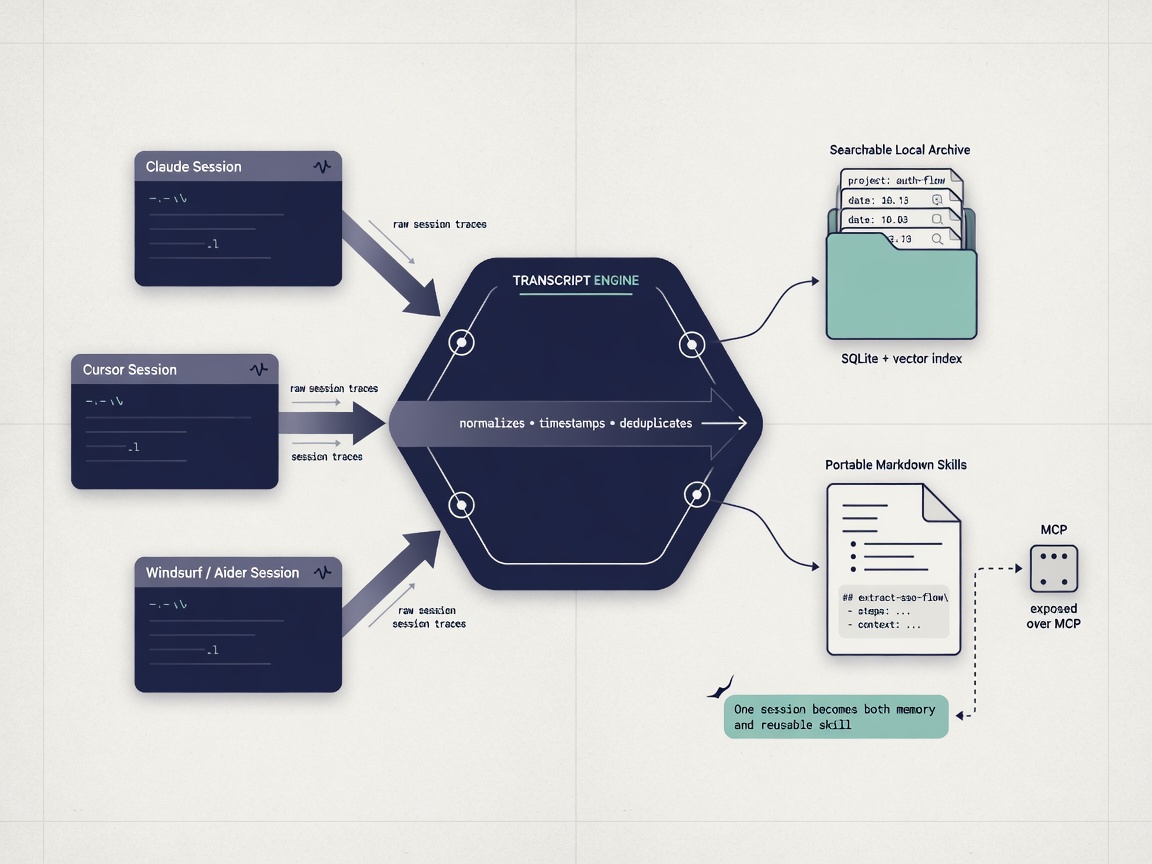
The core is an open-source Rust engine called txcript, which the founders describe as "ffmpeg or pandoc, but for agent sessions." That framing is accurate and useful: a format converter, not a platform. On top of it sit a local-first Mac app, a CLI, and MCP support. Sessions get collected in one place and made searchable, and skills and memory are stored as portable markdown exposed over MCP - meaning any MCP-capable agent can read your accumulated context regardless of which tool wrote it.
Everything runs locally except shared team workspaces. For anyone who's been burned by pasting proprietary code into yet another cloud dashboard, that's not a footnote; it's the deciding feature. The founders (Nars and Nishant) are YC-backed and previously built an open-source payment orchestrator with 30k+ GitHub stars, so this isn't a first-time team guessing at what developers will adopt.
Worth a look
Phugialy Picks

LG 34WN80C-B UltraWide Monitor 34” 21:9 Curved WQHD (3440 x 1440) IPS Display, USB Type-C (60W PD), sRGB 99% Color Gamut, 3-Side Virtuall...

Alienware 34 Curved Gaming Monitor – AW3425DWM - 34-inch WQHD 180Hz 1ms Display, 1500R, AMD FreeSync Premium, VESA AdaptiveSync.

LG 34WR55QK-B 34-inch UltraWide WQHD (3440 x 1440) Curved Computer Monitor, 100Hz, 5ms, HDR10, Reader Mode, HDMI, DisplayPort, USB Type-C...
Some Phugialy Picks use affiliate links. If you buy through one, Phugialy may earn a commission. It doesn't change what we recommend. Full disclosure →
The Lock-In Nobody Notices Until It's Expensive
Their sharpest line: "The lock-in is invisible right up until it's expensive." They're right, and the mechanism is subtle. You don't sign a contract with Claude Code or Cursor - you accumulate sessions. Months of reasoning, decisions, and tool-call history that only makes sense inside one tool. Switching agents means starting cold, which is why most people don't switch even when a better option shows up. As they put it, "The session turns out to be the unit of collaboration, and right now it's being thrown away."
What this actually points to is that agent portability is the same fight we already went through with container formats and package managers: the value isn't in any single tool, it's in the artifacts the tool produces, and whoever makes those artifacts portable shifts the balance of power back to the developer.
Where I'd Expect This to Break First
The demo question isn't whether conversion works - it's what happens when your session leans on tool-specific behavior. A tool call that means one thing in Claude Code may not map cleanly to Codex's runtime, and "preserved" tool calls are only useful if the receiving agent can actually execute or sensibly interpret them. Session formats also evolve fast; a converter is signing up for permanent maintenance against moving targets. The txcript-is-pandoc analogy cuts both ways: pandoc works because document formats are relatively stable, and agent session formats are anything but.
The part worth trying yourself is the local-first path: CLI, searchable session archive, portable markdown skills over MCP. That's genuinely useful today even if cross-agent conversion turns out to be lossy at the edges. My read is that the archive-and-search layer is the durable value here, and conversion is the wedge that gets you in - not the other way around. If the team keeps txcript healthy as formats churn, this becomes real infrastructure. If conversion fidelity slips, it's still a decent local session memory tool, just a less interesting one.
Got a question about how this applies to you? →
For the flip side of handing agents more of your workflow, see "Giving AI Agents the Keys to the Kingdom (Without the Risk of Burning it Down)".
Keep reading
Follow the thread
AI Coding Agent Memory That Survives Switching Tools
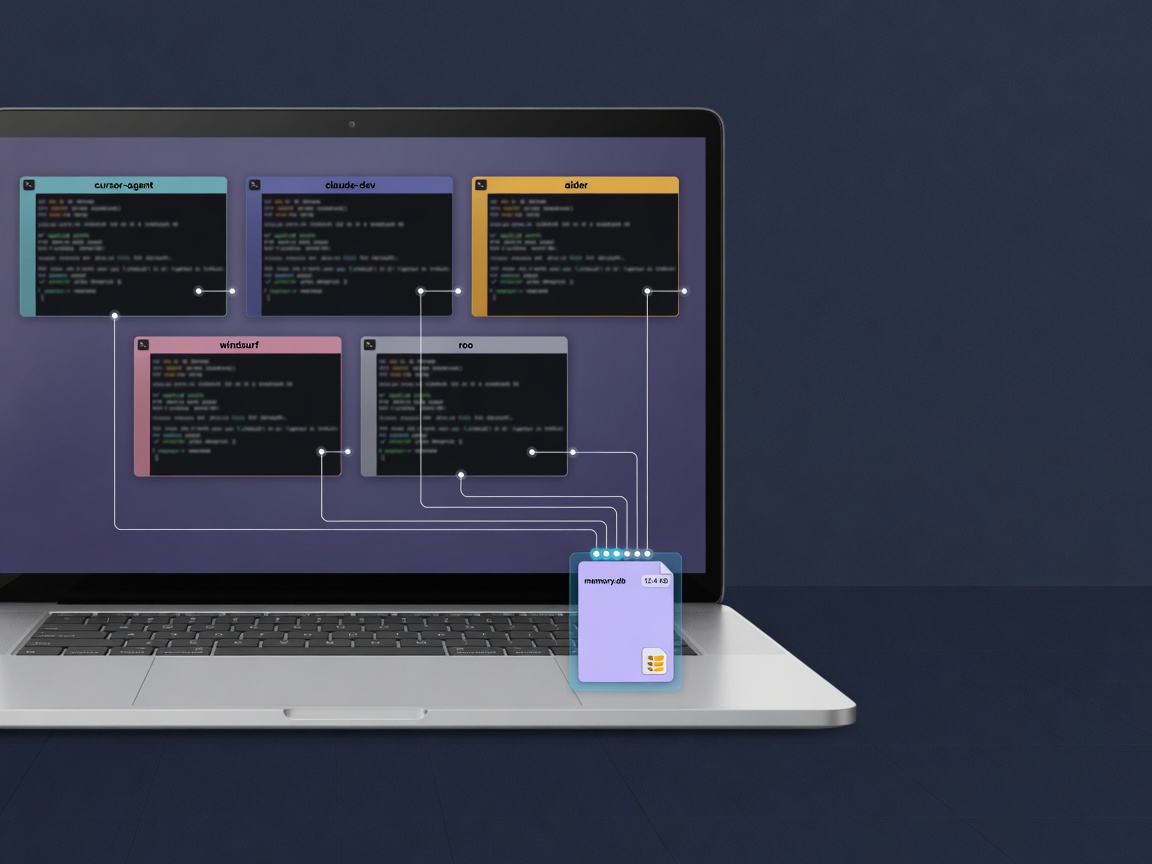
Switching between Claude Code, Cursor, and Antigravity on the same project usually means re-explaining your architecture every time. engrim compresses 153,000 tokens of work history into a memory pack under 1,000 tokens - and keeps it entirely on your machine.
Read this noteSame lane, different angle
AgentsDock: One Workspace for Agentic AI Research
AgentsDock 1.0 puts Claude Code, Codex, and Cursor in one workspace reachable from your phone - with training plots showing up inline in chat instead of behind an SSH login.
AI Coding Agents and Code Quality: What Layered Defenses Actually Buy
The claim: AI coding agents can double your output without more bugs. The catch: only after building six defensive layers around them — and manual testing still caps you at 2-3x, not 10x.