Moving Beyond Agents: The Reality of Autogenic 6G Management
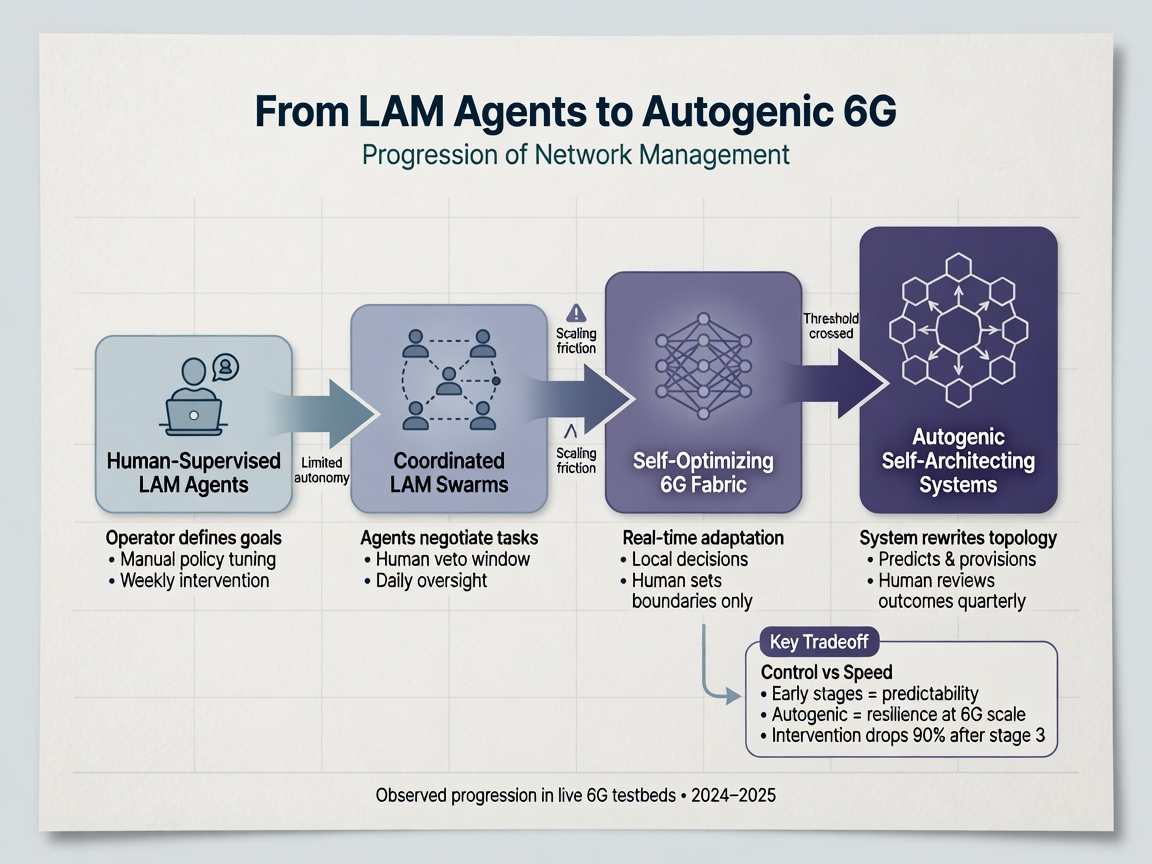
The shift toward "autogenic" networks means 6G won't just use AI—it will write its own management code on the fly. This moves us past simple agents into a world of self-architecting infrastructure that could either solve our scalability limits or create impossible-to-trace ripple effects.

Automation needs a narrow first win
The best first AI workflow is usually a repeated task with a clear input, clear output, and a human approval step.
6G networks are being designed as AI-native environments, embedding machine learning (ML) across every layer, function, and interface. This isn't just about adding an AI dashboard; it's a fundamental shift in how network infrastructure manages itself. The latest research on "autogenic network management" suggests that simple agentic AI—where an LLM might help a human make a decision—isn't enough to handle 6G scale. Instead, we are looking at systems capable of self-programming, self-reflection, and self-architecting during runtime.
Moving Beyond Simple Agentic AI
Current standards bodies like TM Forum and 3GPP are already aligning on Agentic AI as a foundation, but the autogenic approach pushes the boundary significantly. While an agent might follow a set of instructions to optimize a path, an autogenic system is designed to generate and validate its own automation software on the fly. This means the system doesn't just react to a state; it evolves its own logic to meet operational requirements. The architecture proposes a staged rollout, starting with human-supervised LAM-based agents and moving toward full autonomy. This is a pragmatic necessity—we aren't ready to hand over the keys to a 6G core without oversight today, but the trajectory is clear.
Phugialy Picks

AI Engineering: Building Applications with Foundation Models
A practical guide to building real-world applications with foundation models and LLMs.

GMKtec K15 AI Mini PC Oculink Intel Ultra 5 125U 32GB DDR5 512GB SSD | Desktop Computer AI Boost, 3X M.2 2280 Storage Expansion, Dual NIC...

GEEKOM IT15 AI Mini PC, Intel Ultra 9 285H(99 Tops), 32GB DDR5, 1TB SSD | The Most Powerful Workstation,Arc 140T GPU,WiFi 7,8K Business D...
Some Phugialy Picks use affiliate links. If you buy through one, Phugialy may earn a commission. It doesn't change what we recommend. Full disclosure →
Navigating the CACE Risk in ML Software
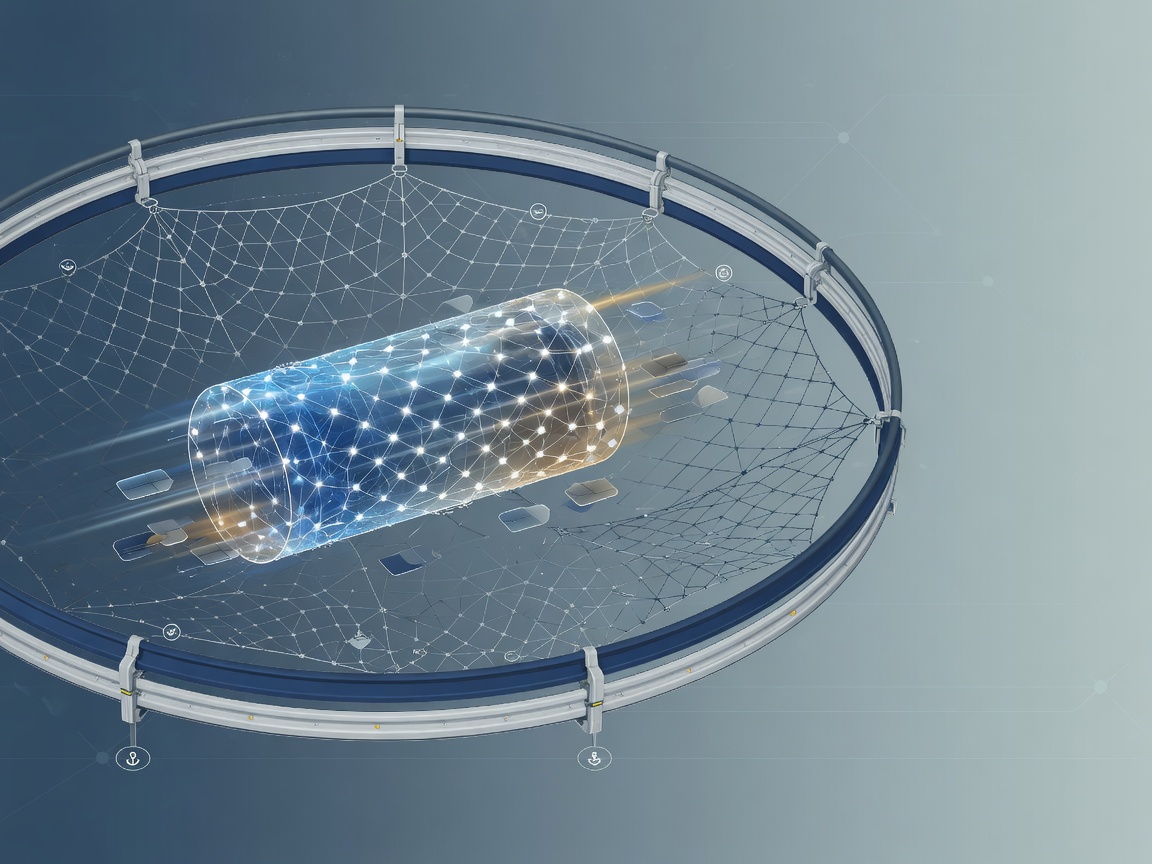
The paper highlights a critical hurdle for any production environment: the "Changing Anything Changes Everything" (CACE) principle. In a network where ML is embedded everywhere, hidden interdependencies become a massive liability. If one component evolves its logic autonomously, it can trigger unforeseen ripple effects across the entire stack. This is the part of the announcement that often gets glossed over in high-level whitepapers: the difficulty of maintaining stability in a system that is constantly rewriting its own behavior. Without robust validation frameworks, "self-architecting" could just as easily mean "self-destructing" at scale.
The Real Story: Managing Complexity Beyond Human Limits
What this actually points to is a growing admission that human operational capacity is hitting a ceiling. As 6G moves toward extreme complexity, we are reaching a point where humans literally cannot keep up with the pace of change. The transition to autogenic management isn't necessarily about making the network "smarter" in a vacuum; it’s a technical necessity to handle a scale of data and connectivity that exceeds our ability to manually configure or even supervise. The real challenge for practitioners won't be getting the AI to work in a lab, but building the safety rails and validation loops that prevent these self-evolving systems from creating unfixable, cascading failures in production.
Got a question about how this applies to you? →
Keep reading
Follow the thread
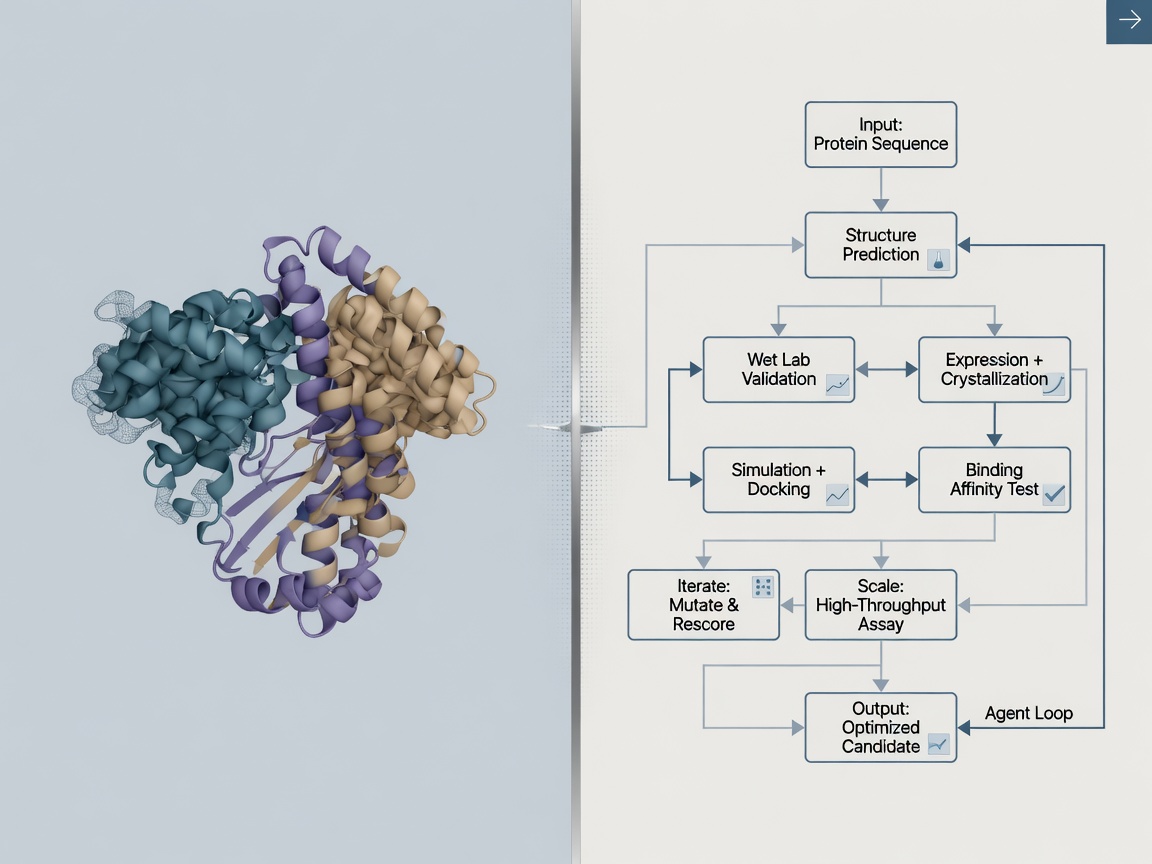
From Oracles to Agents: The Next Phase of Scientific Discovery
AlphaFold was a massive milestone. It proved that high-quality data and deep learning could map protein structures with enough accuracy to build on 53 years of international cooperation and $21 billion worth of experimen
Read this noteSame lane, different angle
The Industrialization of Fraud: Why Voice Cloning is Outrunning Defense
The shift from opportunistic scamming to the industrialization of fraud is happening faster than our defensive infrastructure can keep up. We are moving into an era where agentic AI systems autonomously manage the entire
Stop Training Agents to Just 'Get the Job Done'
If you're building agents for anything beyond a sandbox, 'success' is a moving target that includes *how* the agent got there. A customer service bot that closes a ticket by violating privacy protocols or a system-admin