Disability Insurance Meets MCP: An Agent-Callable Quote Server
An insurance brokerage now lets AI agents submit disability quote requests over MCP — no SSN, no medical history accepted, no client auth required. The first of its kind in disability insurance.
Automation needs a narrow first win
The best first AI workflow is usually a repeated task with a clear input, clear output, and a human approval step.
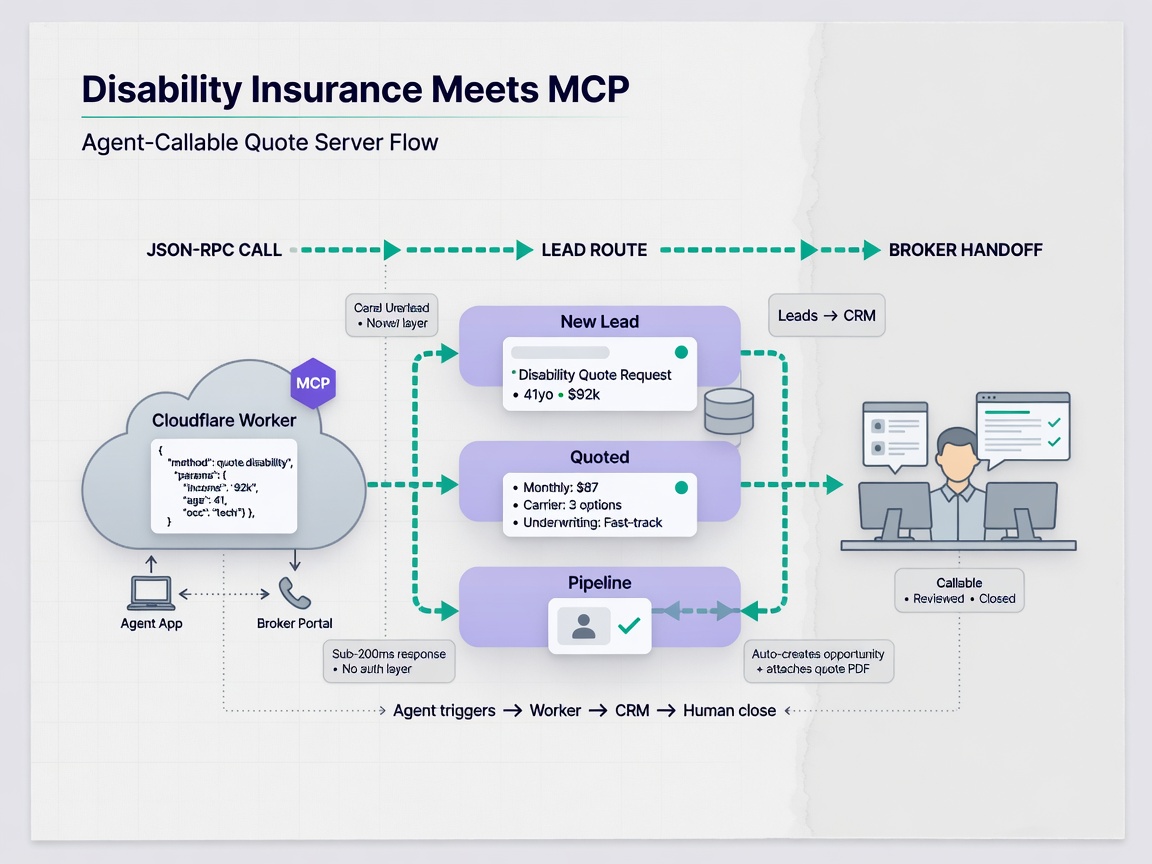
Seaworthy Insurance has a live MCP server that lets AI agents submit disability insurance quote requests on your behalf — and they claim it's the first disability insurance brokerage to expose an agent-callable quote action over Model Context Protocol. The endpoint is at https://mcp.seaworthy.io/mcp, it's MIT-licensed, and it's built on a Cloudflare Worker speaking stateless JSON-RPC over Streamable HTTP. That's the whole stack, and honestly, the simplicity is the point.
What The Disability Insurance MCP Server Actually Does
The toolset is narrow by design: agents can submit quote requests and pull specialty guides covering five major individual disability carriers. A licensed broker follows up within one business day. So this isn't end-to-end automated insurance purchasing — it's agent-mediated lead capture with a human closing the loop, which is the right scope for a regulated product.
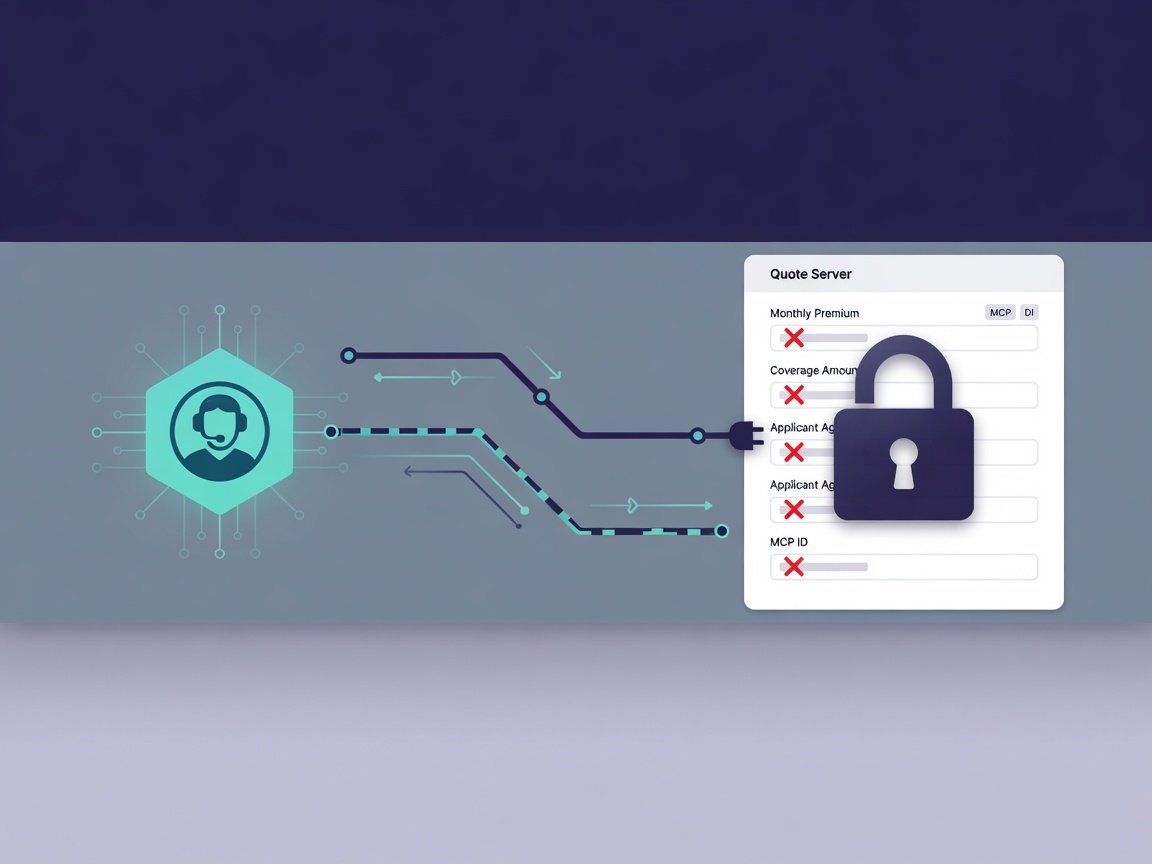
The security posture is worth reading closely because it answers the question every integrator asks first: what happens when an LLM starts funneling user data into a third-party endpoint? Here, nothing sensitive flows through at all — no SSN, no medical history, no banking details are ever accepted by the tools. The server requires agent-side consent confirmation before submitting, validates input server-side, and rate-limits without any client authentication.
Worth a look
Phugialy Picks

AI Engineering: Building Applications with Foundation Models
A practical guide to building real-world applications with foundation models and LLMs.

GMKtec K15 AI Mini PC Oculink Intel Ultra 5 125U 32GB DDR5 512GB SSD | Desktop Computer AI Boost, 3X M.2 2280 Storage Expansion, Dual NIC...

AI: Understand the Revolution: From Basics and Buzzwords to Tech Giants, Governments, and Your Future
Some Phugialy Picks use affiliate links. If you buy through one, Phugialy may earn a commission. It doesn't change what we recommend. Full disclosure →
Where No-Auth MCP Breaks At Real-World Scale
That last part — open endpoint, no client auth — is the trade-off I'd think hardest about before wiring this into anything user-facing. Server-side validation and rate limiting protect Seaworthy's infrastructure and their Salesforce Web-to-Lead pipeline (quote submissions write straight to CRM), but they don't give you, the integrator, any way to distinguish your legitimate agent traffic from someone else's script hammering the same open endpoint. Rate limits shared across all unauthenticated callers means your production integration competes with every other caller for throughput. For a quote form that's probably fine; for anything latency-sensitive it wouldn't be.
The messier real-world issue is data quality at the CRM boundary. An agent filling a Web-to-Lead form from conversational context will produce noisy leads — partial income figures, guessed occupations — and somebody at the brokerage reads every one of those before calling back. The consent-confirmation requirement helps filter accidental submissions, but garbage-in still lands in Salesforce either way.
The Real Signal: Verticals Are Shipping Agent Endpoints First
What this actually points to is a pattern worth watching: instead of waiting for agents to scrape their websites or build bespoke integrations, niche brokerages are publishing thin, deliberately constrained MCP endpoints themselves. Quote actions scoped tightly enough that an agent can't do damage — no sensitive fields collected, human follow-up required — are exactly what makes this safe enough to ship without client auth.
The part worth trying yourself is wiring an agent to this endpoint and seeing what a real quote request round-trip looks like: what fields the tools demand, how gracefully it handles a user who doesn't know their income breakdown. If you're building anything in insurtech or lead-gen where agents touch third-party products, this repo doubles as a reference implementation for how to expose an agent-callable action responsibly. Whether more brokerages follow depends on whether leads from agents convert like leads from forms — and nobody publishing these endpoints has shared that number yet.
Got a question about how this applies to you? →
Keep reading
Follow the thread
AI Coding Agent Memory That Survives Switching Tools
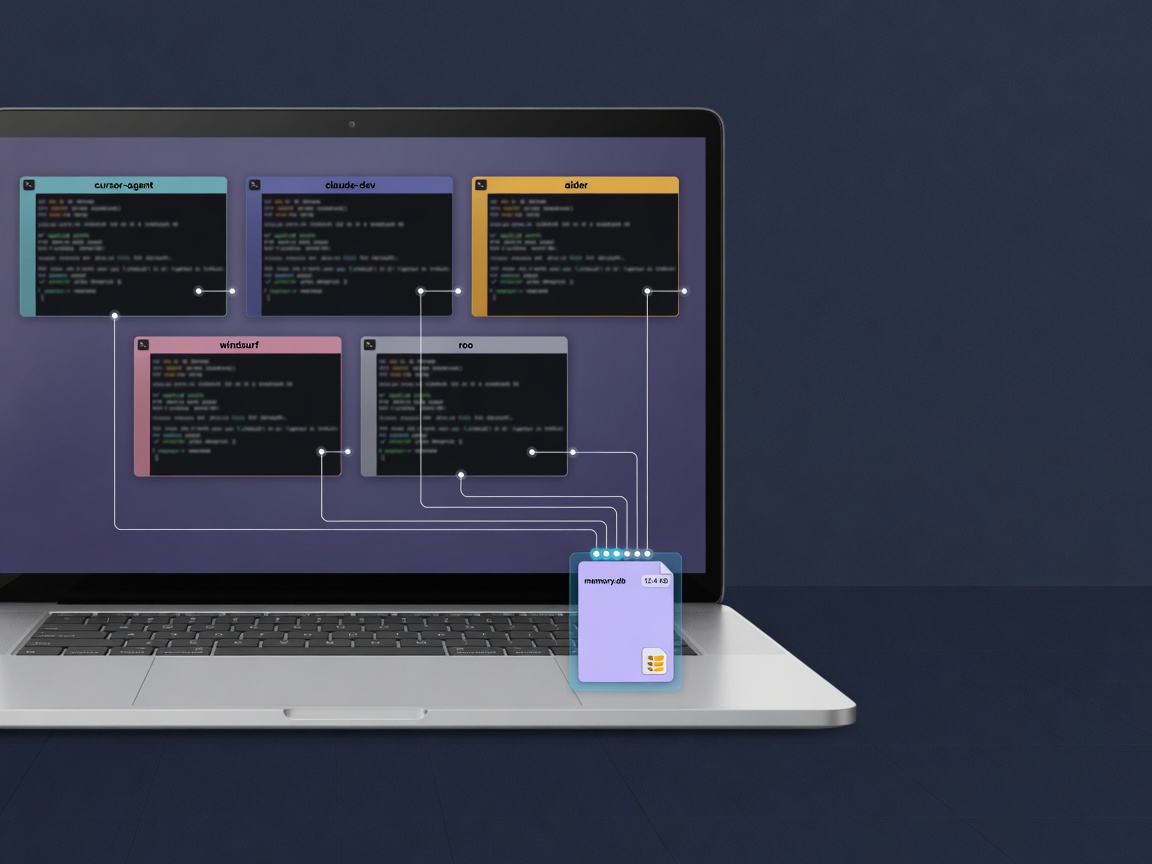
Switching between Claude Code, Cursor, and Antigravity on the same project usually means re-explaining your architecture every time. engrim compresses 153,000 tokens of work history into a memory pack under 1,000 tokens - and keeps it entirely on your machine.
Read this noteSame lane, different angle
Why Most Enterprise AI Agents Never Reach Production
Two out of three enterprise AI agents never reach production — and the reason isn't model quality. It's that the agent doesn't know what your data means.
AgentsDock: One Workspace for Agentic AI Research
AgentsDock 1.0 puts Claude Code, Codex, and Cursor in one workspace reachable from your phone - with training plots showing up inline in chat instead of behind an SSH login.