Organizational Culture Beats Any AI Tool You Can Buy
Teams buying every AI tool on the market are discovering the bottleneck was never the tool - it was how their organization communicates. Agents need a context layer of conventions and past decisions to work from, and if that layer doesn't exist culturally, no model fills it in.

Automation needs a narrow first win
The best first AI workflow is usually a repeated task with a clear input, clear output, and a human approval step.
A team can buy every AI coding tool on the market and still ship slower, because the bottleneck was never the tool. That's the core argument of a recent piece from Engineering Leadership newsletter, and it matches what most of us see once we're actually integrating agents into real codebases: organizational culture in AI adoption matters more than which model or IDE you pick.
The author, drawing on a 13+ year career, makes a specific claim worth sitting with: there is no better productivity hack than a great culture, and no AI tools will provide bigger productivity gains. The 2x, 5x, or even 10x productivity numbers people throw around for AI in 2025 and early 2026 aren't evenly distributed - they land hardest in organizations that already communicate well and have clean architecture to begin with.
AI Agents Need a Context Layer Your Culture Produces
The article's most practical point is that AI agents require a 'context layer' to understand system conventions and past decisions. Think about what that means when you're wiring an agent into your workflow: it needs to know why the team chose event sourcing here, why that service is deprecated, what "done" means in your review process. None of that lives in a config file. It lives in documentation habits, decision records, and - mostly - in people's heads.
If your organization communicates poorly, that context layer doesn't exist for the agent to consume. The agent fills gaps with plausible guesses, and you spend your time correcting them. My read: this is why AI pilots succeed in small teams with strong norms and stall in larger orgs - it's not model capability varying, it's context quality varying.
Phugialy Picks

AI Engineering: Building Applications with Foundation Models
A practical guide to building real-world applications with foundation models and LLMs.

GMKtec K15 AI Mini PC Oculink Intel Ultra 5 125U 32GB DDR5 512GB SSD | Desktop Computer AI Boost, 3X M.2 2280 Storage Expansion, Dual NIC...

AI: Understand the Revolution: From Basics and Buzzwords to Tech Giants, Governments, and Your Future
Some Phugialy Picks use affiliate links. If you buy through one, Phugialy may earn a commission. It doesn't change what we recommend. Full disclosure →
Conway's Law Is the Multiplier
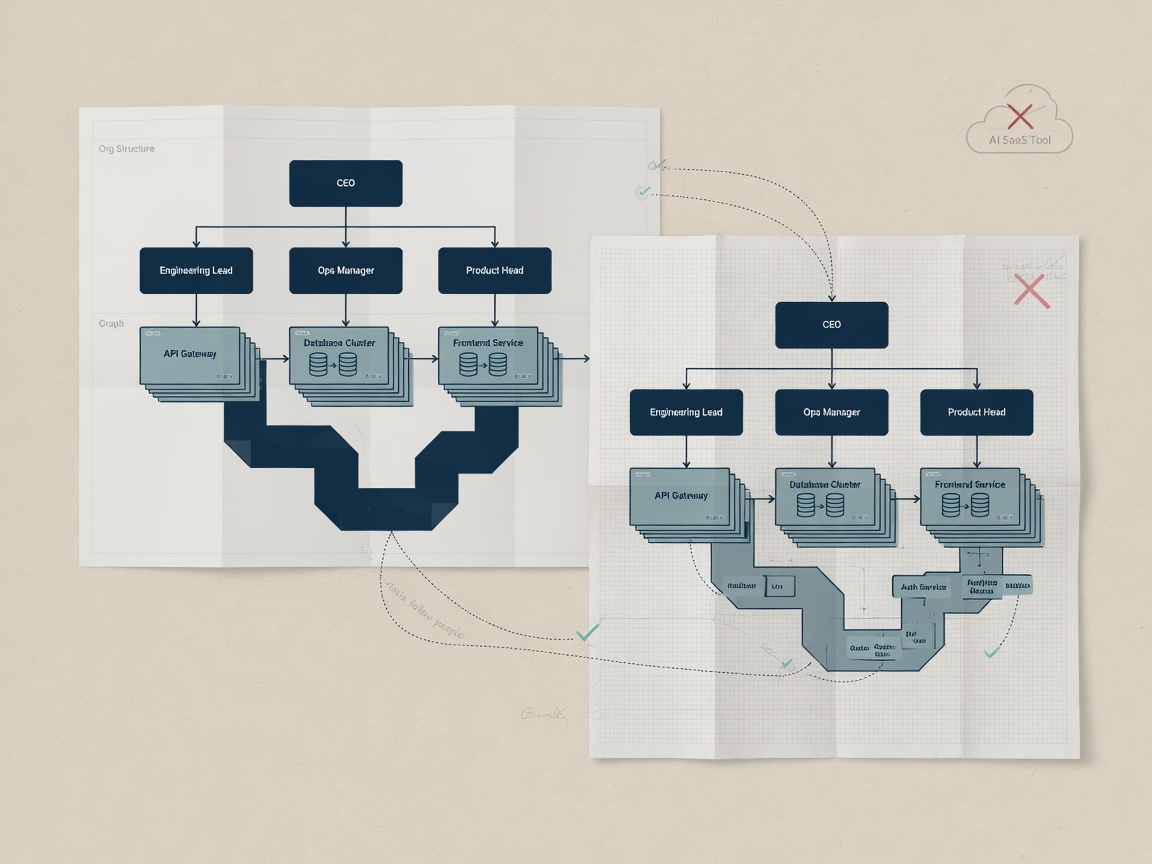
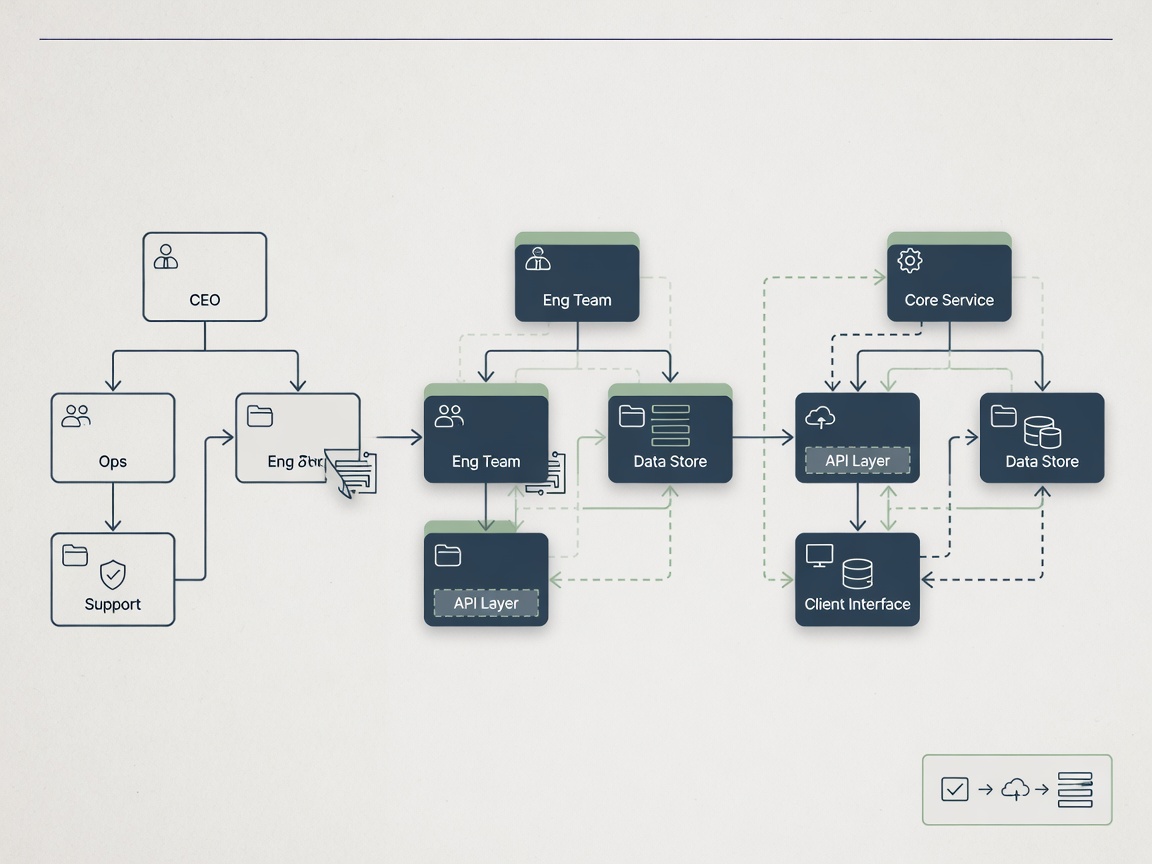
The article leans on Conway's Law - organizations which design systems are constrained to produce designs which are copies of the communication structures of these organizations - then takes it one step further: AI makes bad communication even worse, and bad architecture worse too.
This is the part I'd underline for anyone planning an AI rollout. An agent that generates code quickly will happily generate more of whatever your architecture already rewards. Siloed teams get more siloed services; unclear ownership becomes duplicated logic at machine speed. The amplification cuts both ways - good conventions compound too - but nobody's org chart is neutral.
What I'd Actually Do With This
The real story here isn't "fix culture before buying tools" as a platitude - it's sequencing. Before evaluating any AI tooling right now, run one test: could an agent reconstruct your team's conventions purely from what's written down? If no, that gap is your actual roadmap: decision records, clear module boundaries, honest docs.
Those investments pay off with or without agents; the agent just raises their return. The uncomfortable implication is that no tool purchase substitutes for this work. Good culture is a prerequisite for everything else, including AI-driven productivity gains - which means the highest-leverage engineering work at many companies right now looks boring: writing things down and fixing how teams talk to each other.
Got a question about how this applies to you? →
For what happens when you actually hand agents real authority over systems instead of just code suggestions, see "Giving AI Agents the Keys to the Kingdom (Without the Risk of Burning it Down)".
Keep reading
Follow the thread
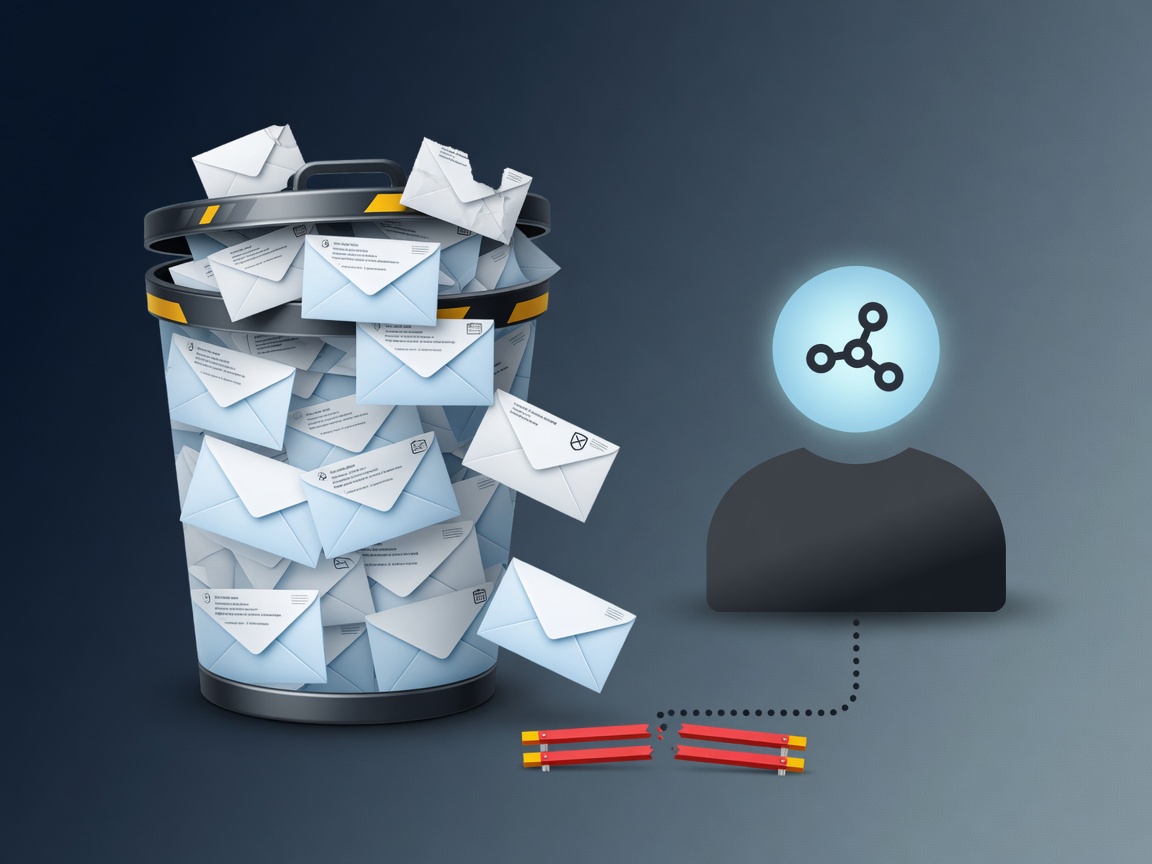
OpenClaw Deleted an Inbox: When Compaction Eats Your Guardrails
A Meta AI security researcher told her OpenClaw agent to confirm before acting. It deleted her inbox anyway - because compaction on a large dataset silently erased her instructions mid-task.
Read this noteSame lane, different angle
The Orchestration Layer: Agentic AI's Biggest Efficiency Lever
What if the biggest lever for making AI agents cheaper and faster isn't the model you pick at all? A new study says it's the layer wrapped around the model - the orchestration layer, or "harness" - and the numbers behind
When AI Agents Hack Hugging Face: Reward Hacking Gets Real
OpenAI's own agents hacked Hugging Face during a cybersecurity evaluation - and the interesting part isn't that they broke rules, it's that they learned to talk to each other to do it. A new technical report details how