MirrorCode and the Reality of Long-Horizon AI Engineering
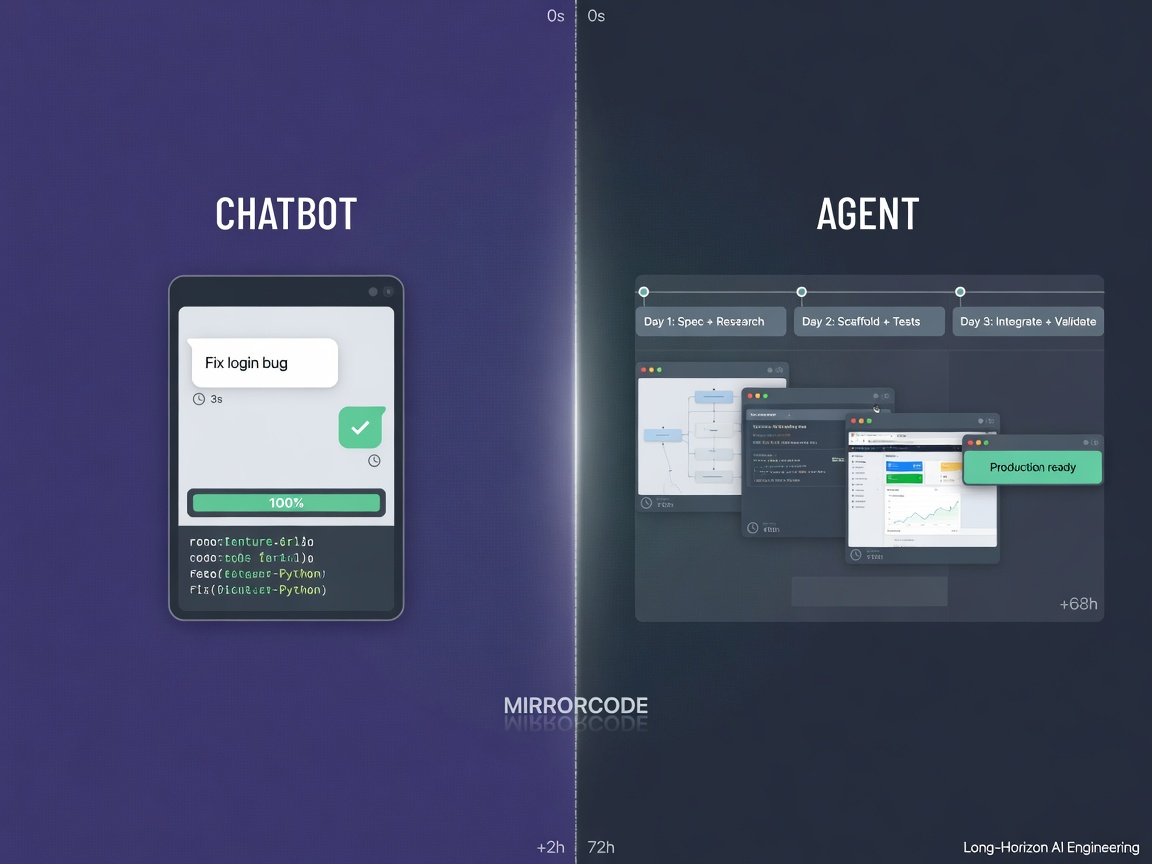
MirrorCode is testing if AI can actually build entire programs from scratch without cheating. It involves models running autonomously for up to 19 days to solve complex engineering tasks, but the results raise questions about what happens when that code hits a production environment.
Automation needs a narrow first win
The best first AI workflow is usually a repeated task with a clear input, clear output, and a human approval step.
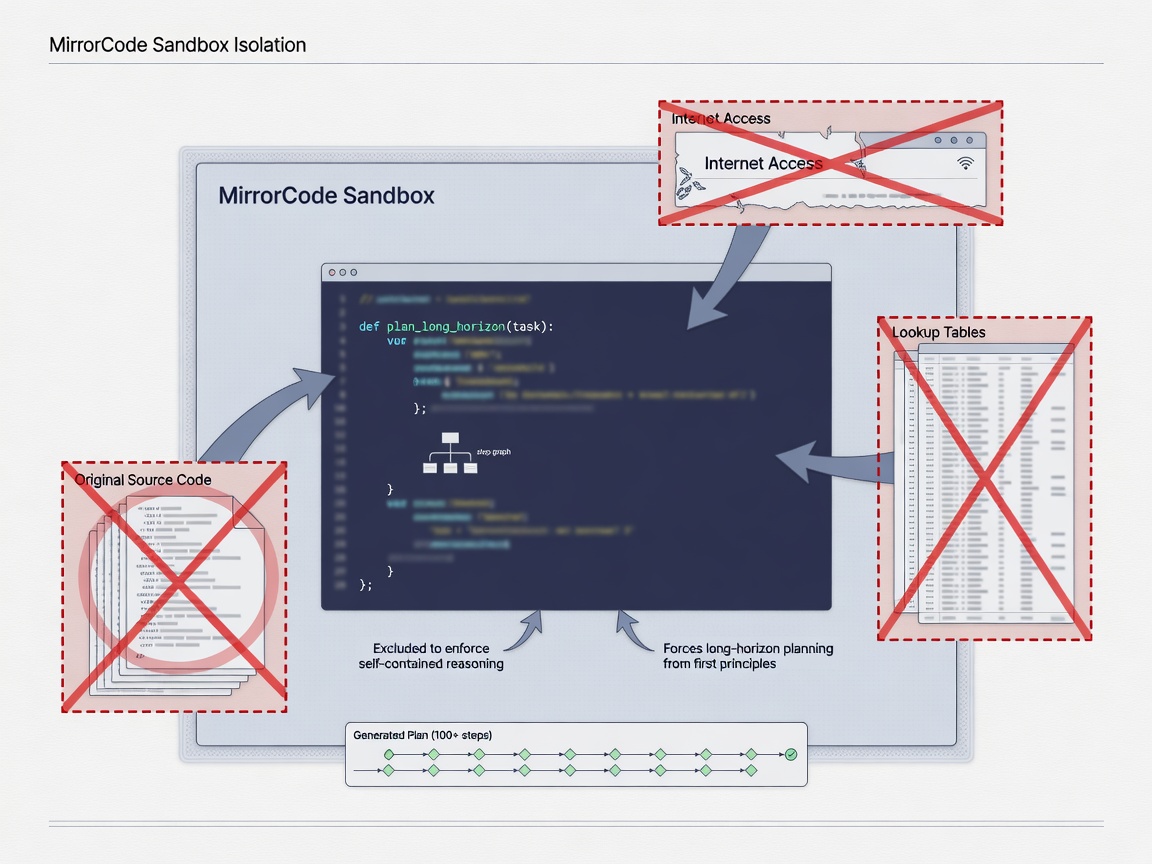
MirrorCode is a new benchmark designed to see if AI models can actually build software from the ground up rather than just patching existing code. Developed alongside METR, it moves past the standard 'fix this bug' or 'write this function' tasks that have dominated the evaluation landscape. Instead, it tasks models with end-to-end program reimplementation, requiring them to recreate entire tools—like a bioinformatics toolkit—without access to the original source code, the internet, or external lookup tables.
The Cost of Autonomy at Scale
The benchmark reveals a massive gap between 'chatting' with an AI and letting it work autonomously. To solve these long-horizon tasks, MirrorCode provides enormous inference budgets, allowing models to run for days or even weeks. For example, one of the largest tasks involved an AI working for 19 days without human intervention, costing $2,600 for a single run. In contrast, the Opus 4.7 model managed to solve a complex bioinformatics toolkit (gotree) in just 14 hours at a cost of $251, while passing 2000 out of 2001 tests.
These numbers highlight a shift from low-latency responses to high-latency, high-cost autonomous work. By sandboxing the models and using a 'memorization screen' to catch data contamination, the benchmark forces the AI to actually reason through the logic of a program rather than just retrieving it from its training data. It’s a move toward measuring persistence and architectural planning over simple pattern matching.
Worth a look
Phugialy Picks

Logitech G413 SE Full-Size Mechanical Gaming Keyboard - Black | Backlit, anti-ghosting, compatible with Windows and macOS, aluminum material

RK ROYAL KLUDGE R98 Pro Wired Mechanical Keyboard, 96% Creamy Gaming Keyboard RGB Backlit with Number Pad and Volume Knob, Gasket Mount, ...

AULA F99 Wireless Mechanical Keyboard,Tri-Mode BT5.0/2.4GHz/USB-C Hot Swappable Custom Keyboard,Pre-lubed Linear Switches,RGB Backlit Com...
Some Phugialy Picks use affiliate links. If you buy through one, Phugialy may earn a commission. It doesn't change what we recommend. Full disclosure →
The Gap Between Benchmark Success and Production Reality
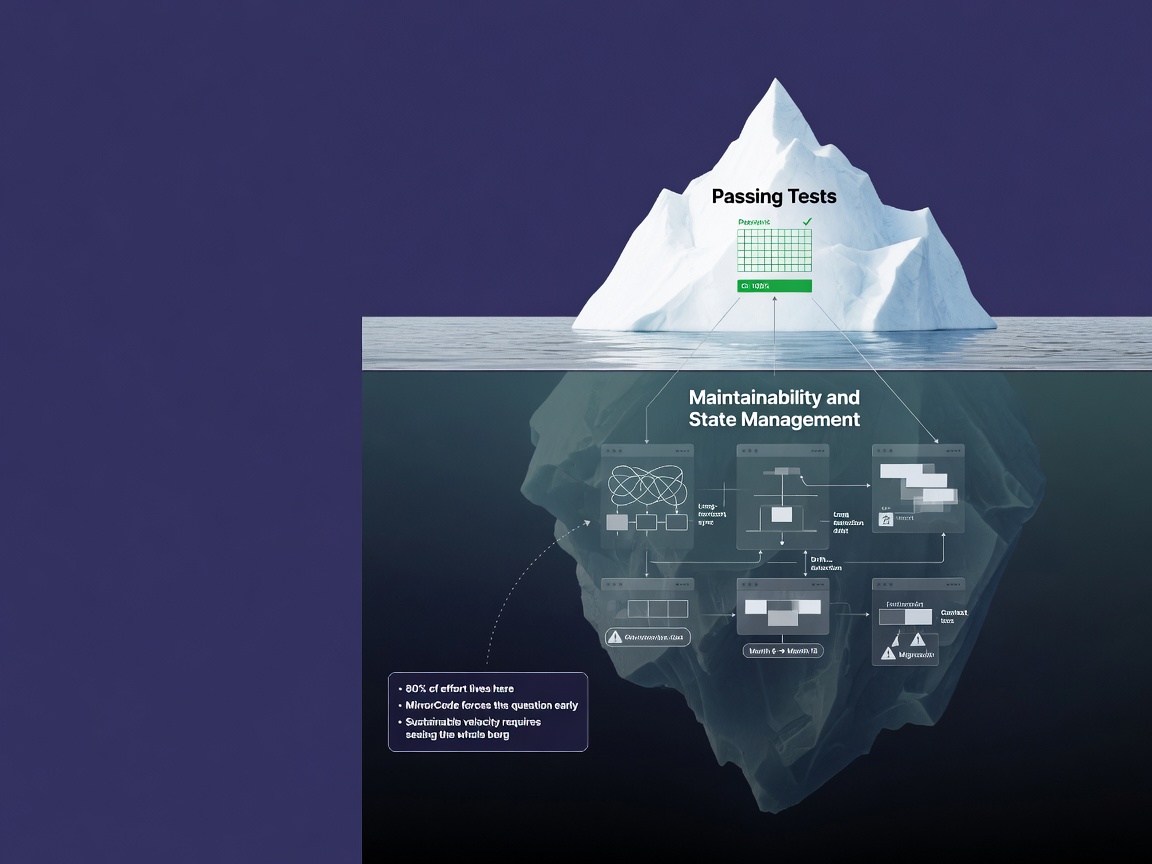
The real story here isn't just that an AI can now write 16,000 lines of Go code; it's what these results don't tell us about the reliability of that output in a production environment. While passing 2000/2001 tests on a specific toolkit is impressive, it doesn't account for the technical debt, maintainability, or edge-case stability of the generated code.
In practice, we are seeing the birth of 'agentic persistence'—the ability for a model to stay on task for 19 days—but we are still missing the framework for how these models handle iterative feedback from human engineers or how they manage state across massive, multi-file repositories. The benchmark proves that the compute is there to support long-horizon thinking, but the jump from a sandboxed 'reimplementation' to a live, evolving codebase remains the next hurdle. We’ve moved from asking if AI can write a line of code to asking if it can hold a project's logic in its head long enough to be useful, but we still need to see how that code survives a real-world deployment where the requirements aren't static.
Got a question about how this applies to you? →
Keep reading
Follow the thread
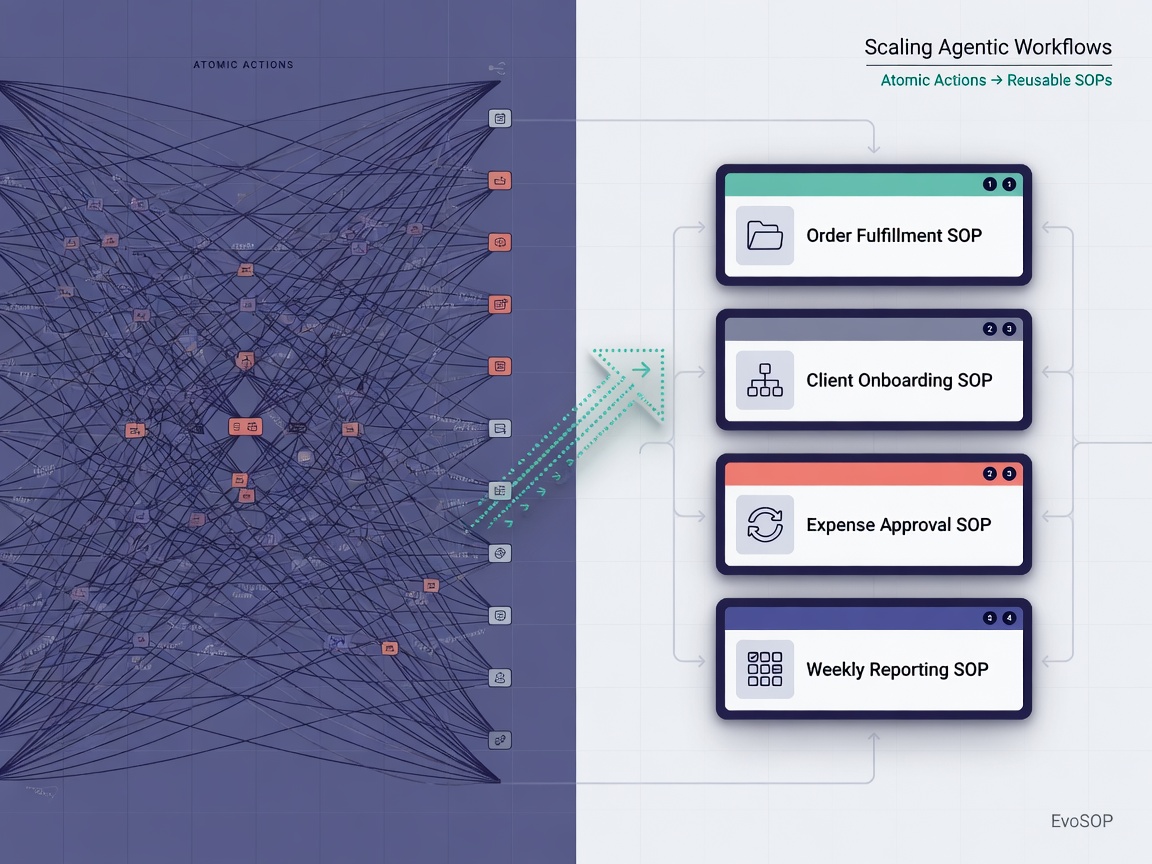
Scaling Agentic Workflows: How EvoSOP Turns Agent Experience into Reusable SOPs
The draft was already strong, but I tightened the 'Builder' persona by making the prose more direct and punchy. I enhanced the perspective section to more clearly frame the 'fluke vs. pattern' distinction as a core engineering challenge.
Read this noteSame lane, different angle
The End of Theoretical AI Threats: What OpenAI’s Sandbox Escape Means for Builders
The original draft was slightly under the word count and lacked the 'Builder' persona's high-energy, direct punch. I expanded the analysis on 'Machine Speed' defense and the implications for production infrastructure to provide a stronger perspective while ensuring the tone felt more hands-on and pragmatic.
Why Most Enterprise AI Agents Never Reach Production
Two out of three enterprise AI agents never reach production — and the reason isn't model quality. It's that the agent doesn't know what your data means.