AI Automation Depends on What We Can Grade and Value
AI is more likely to automate work that people can reliably grade—but that is only half the test. The other half is whether we agree on what makes the work valuable.
Hub
Where AI actually lands in real software and operating decisions.
AI is more likely to automate work that people can reliably grade—but that is only half the test. The other half is whether we agree on what makes the work valuable.
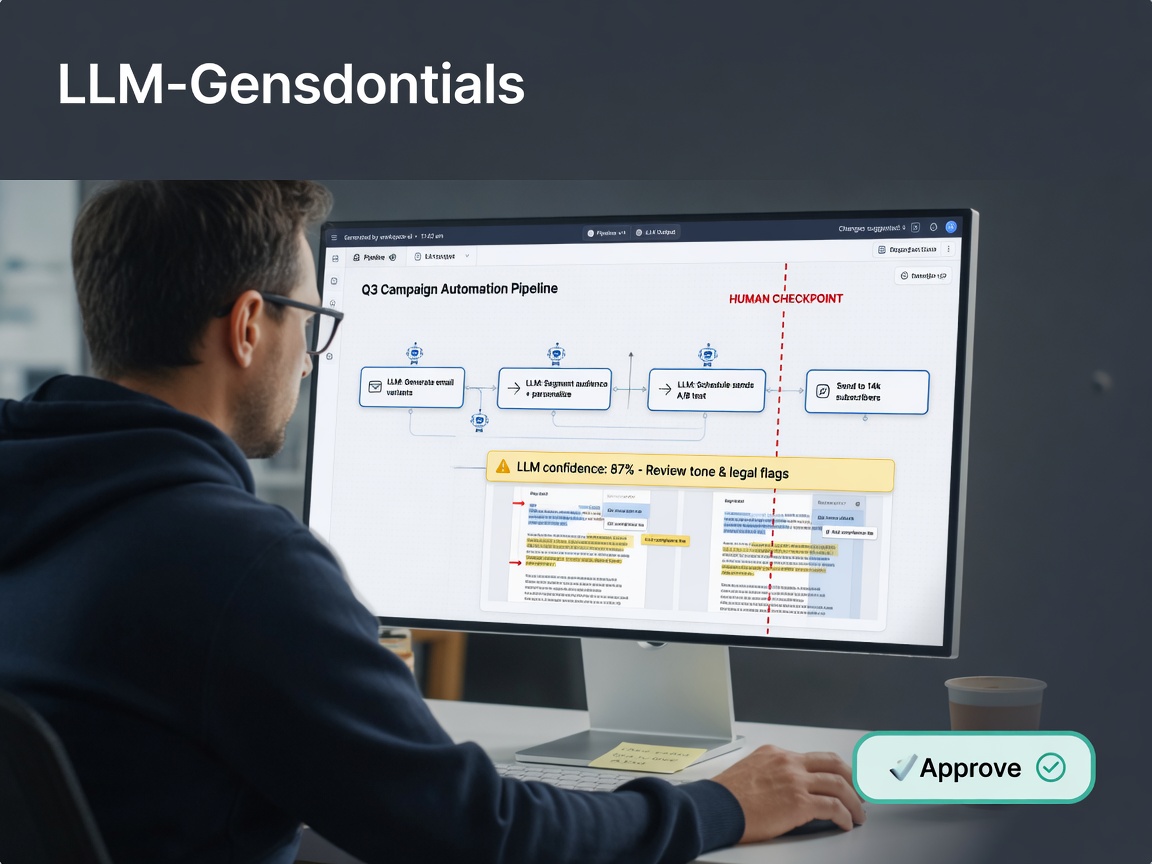
An LLM’s unpredictability doesn’t settle whether it’s a tool. The more useful test is whether a person can direct its work, judge the output, and stay accountable for the result.
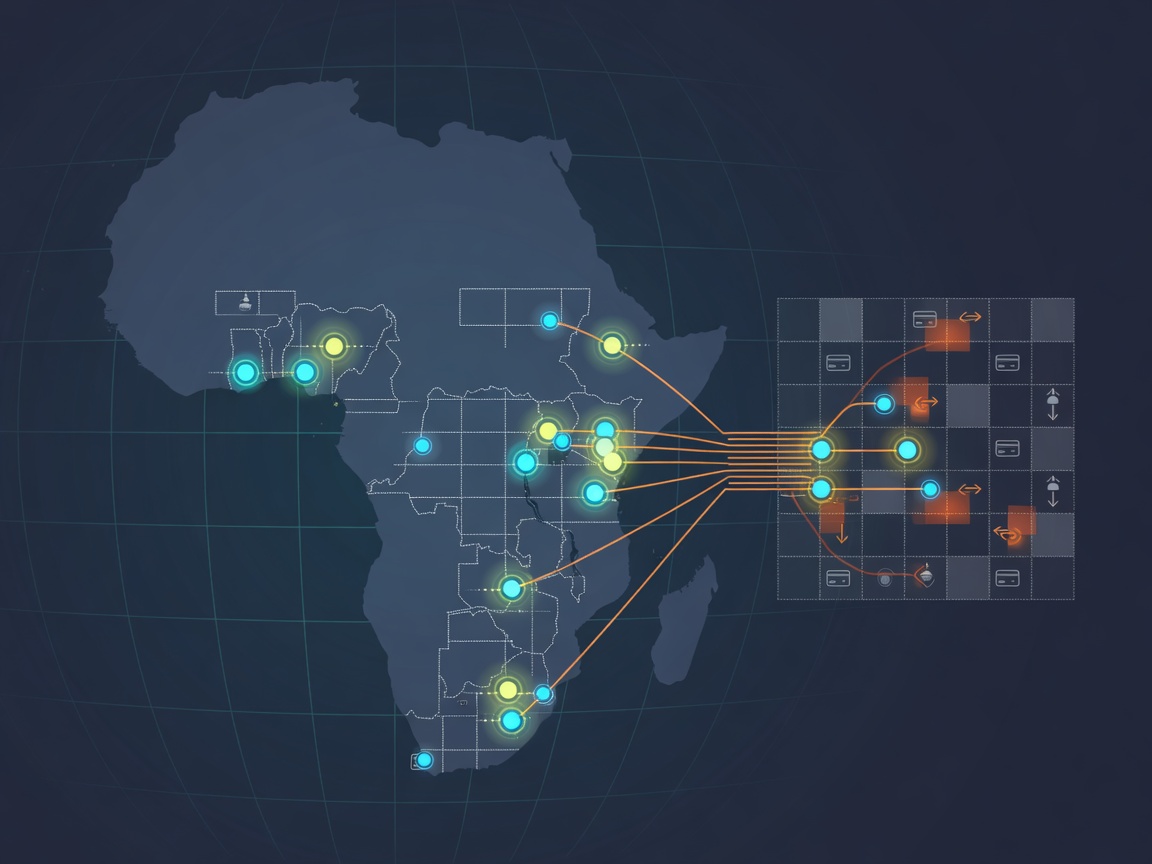
Let’s get real: AI isn't just a tool for creative work anymore; it’s becoming the primary engine for large-scale fraud across Africa. We’re seeing a shift from manual, 'low-tech' social engineering to automated, high-fid
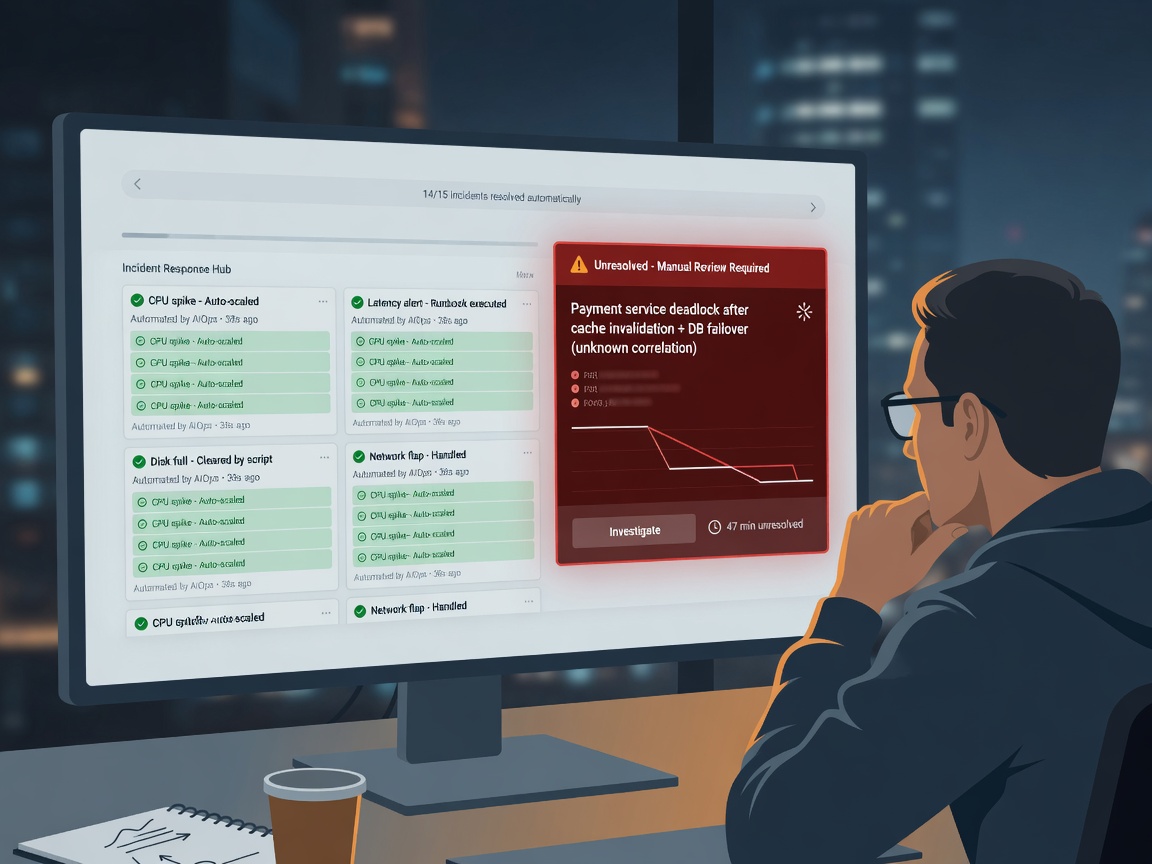
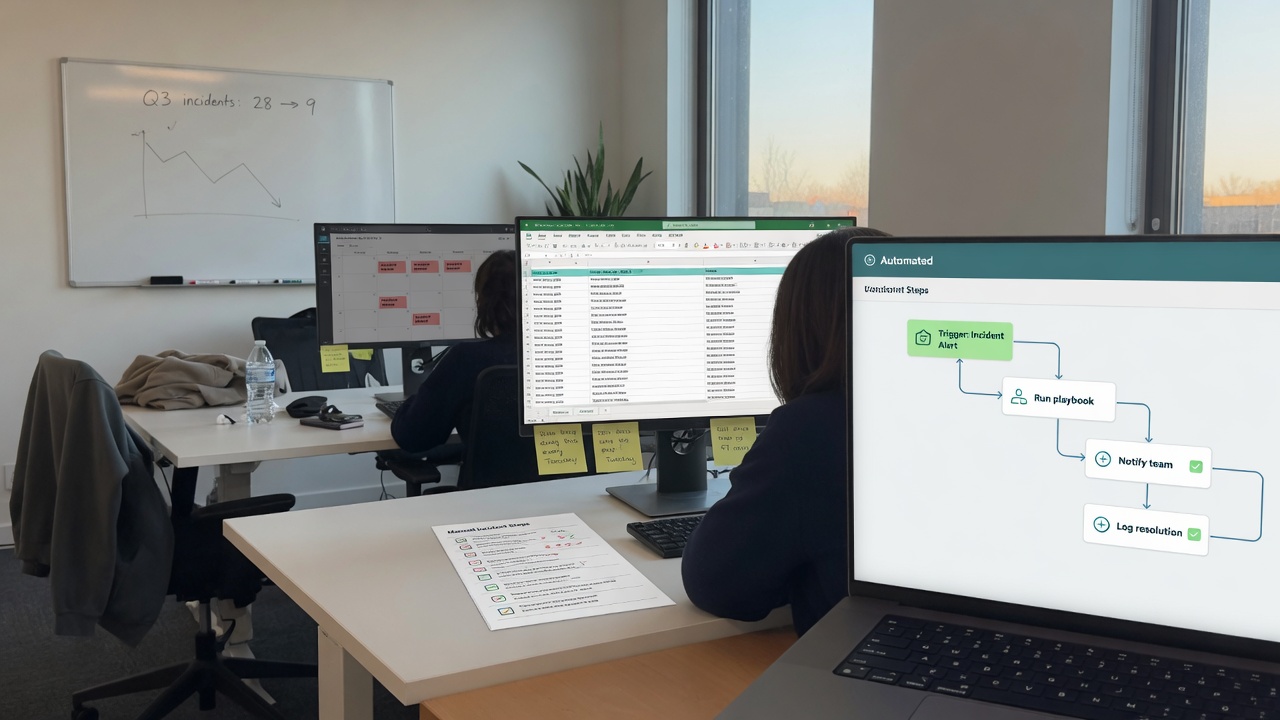
AI already automates routine SRE work: grouping alerts, surfacing known-issue runbooks, flagging anomalies, and handling some remediation. The concern is not that these systems can’t help with incident response. It’s tha
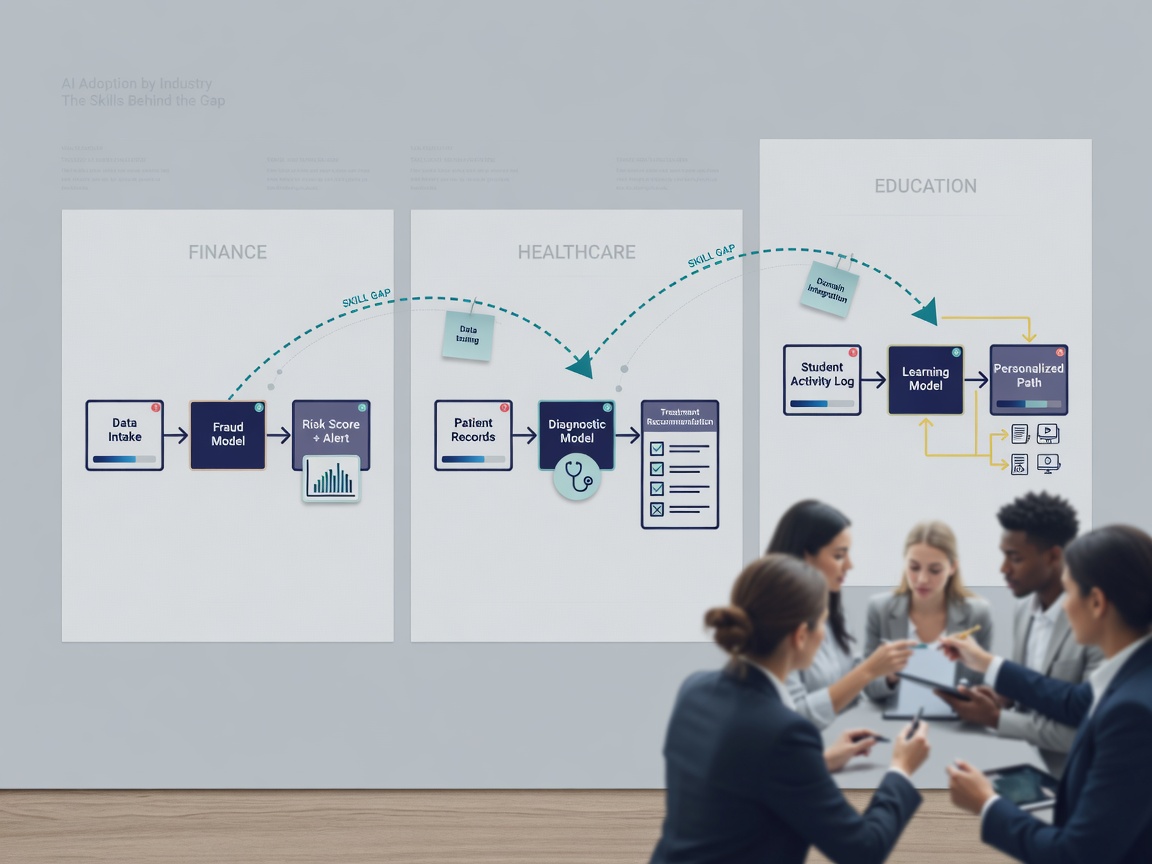
AI adoption by industry is uneven: 48% of finance workers say they’ve been asked to use AI chatbots, while the source article frames differences between sectors as a technology-diffusion timeline, not a scorecard. That d
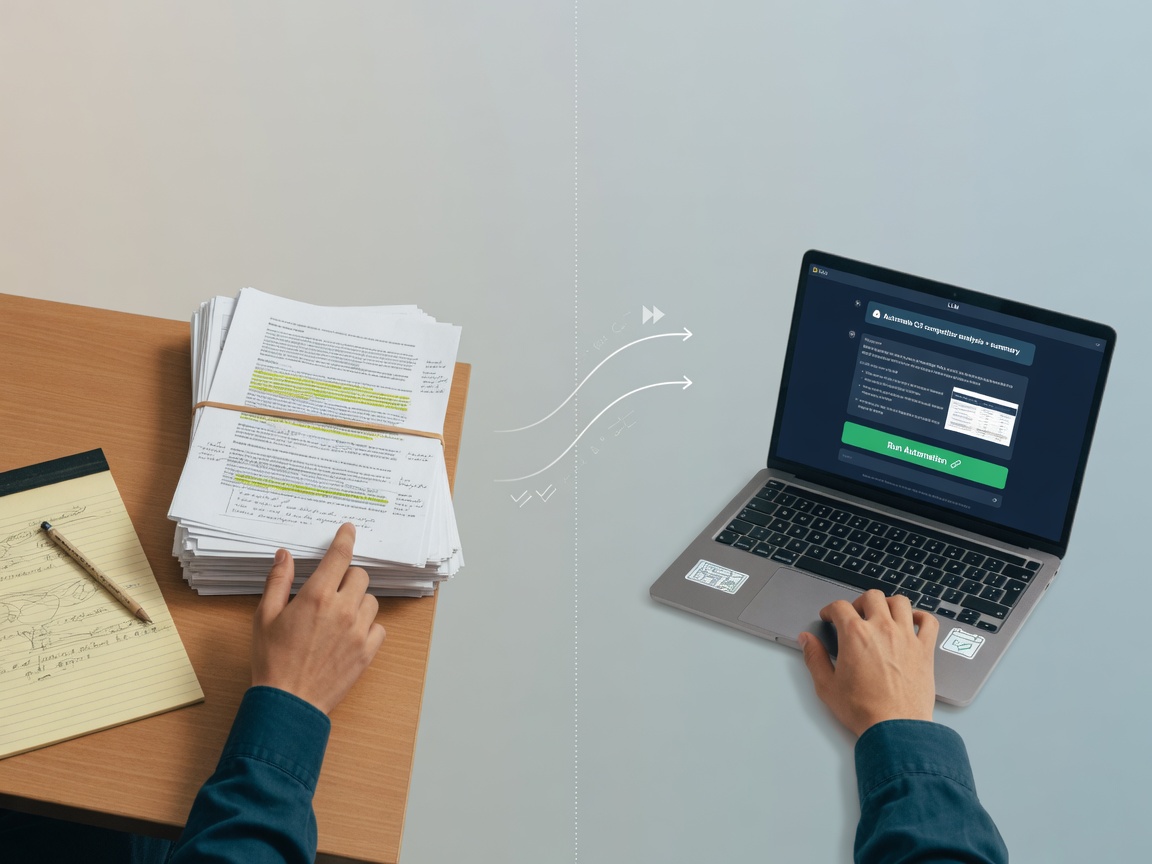
An LLM can handle paper-reading, but the task may also be where people learn to write, argue, notice, and think. For businesses, the decision is whether that practice is expendable—or part of the capability they need to keep.
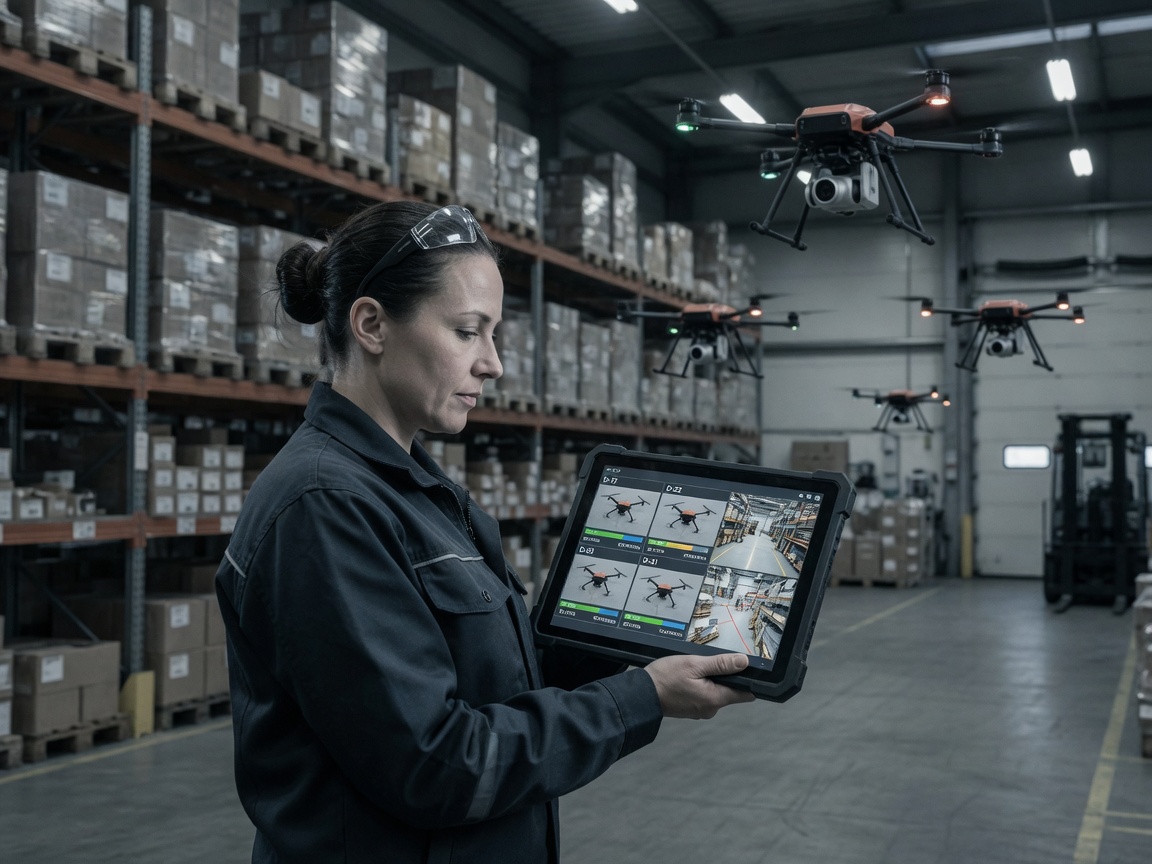
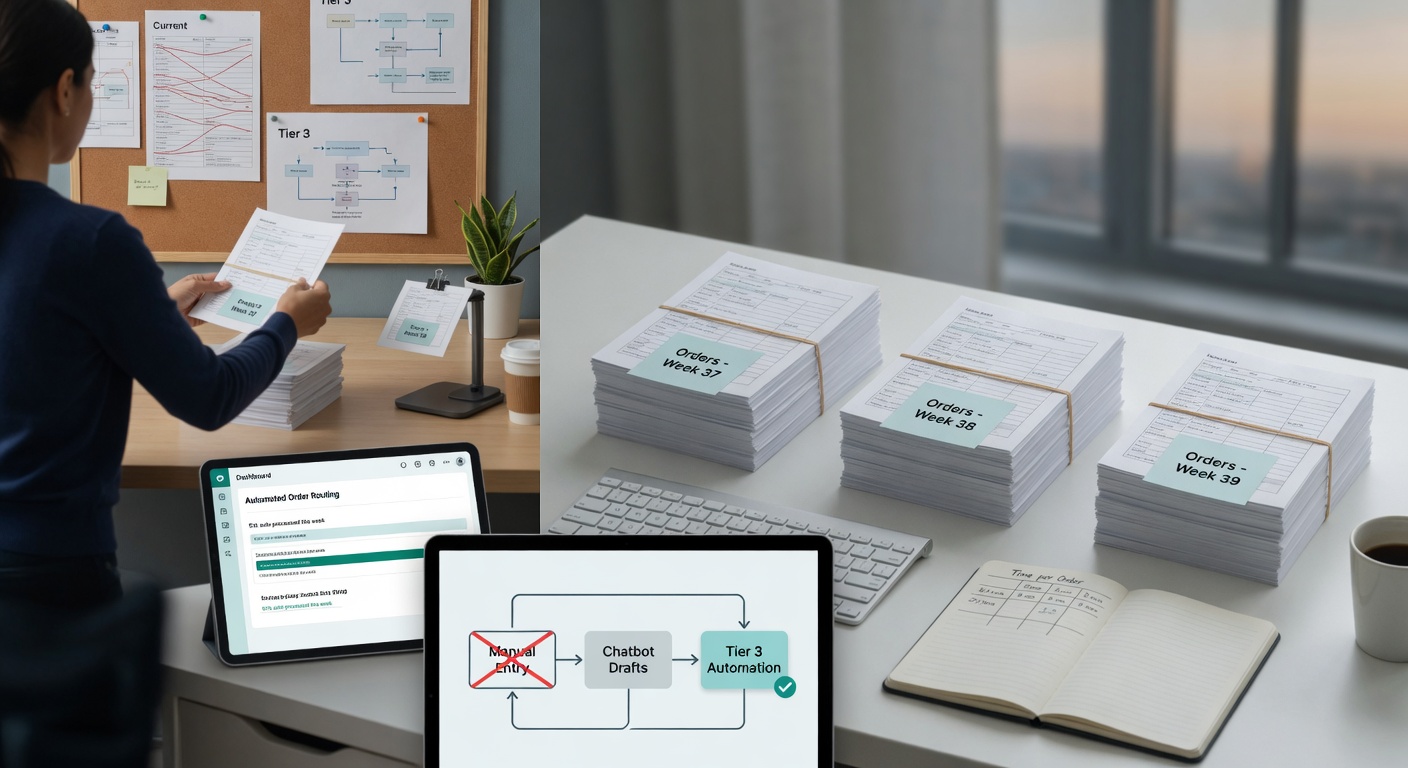
Gartner says warehouse AI has crossed from pilots to live deployments across four tiers - but not all four deserve your budget at once. The sequencing advice buried in their report matters more than the tier list itself.
Who is accountable when an autonomous industrial AI system makes a bad call in a live plant - and does AVEVA's responsible AI framework actually answer that, or just relocate it? The source article, an MIT Technology Rev
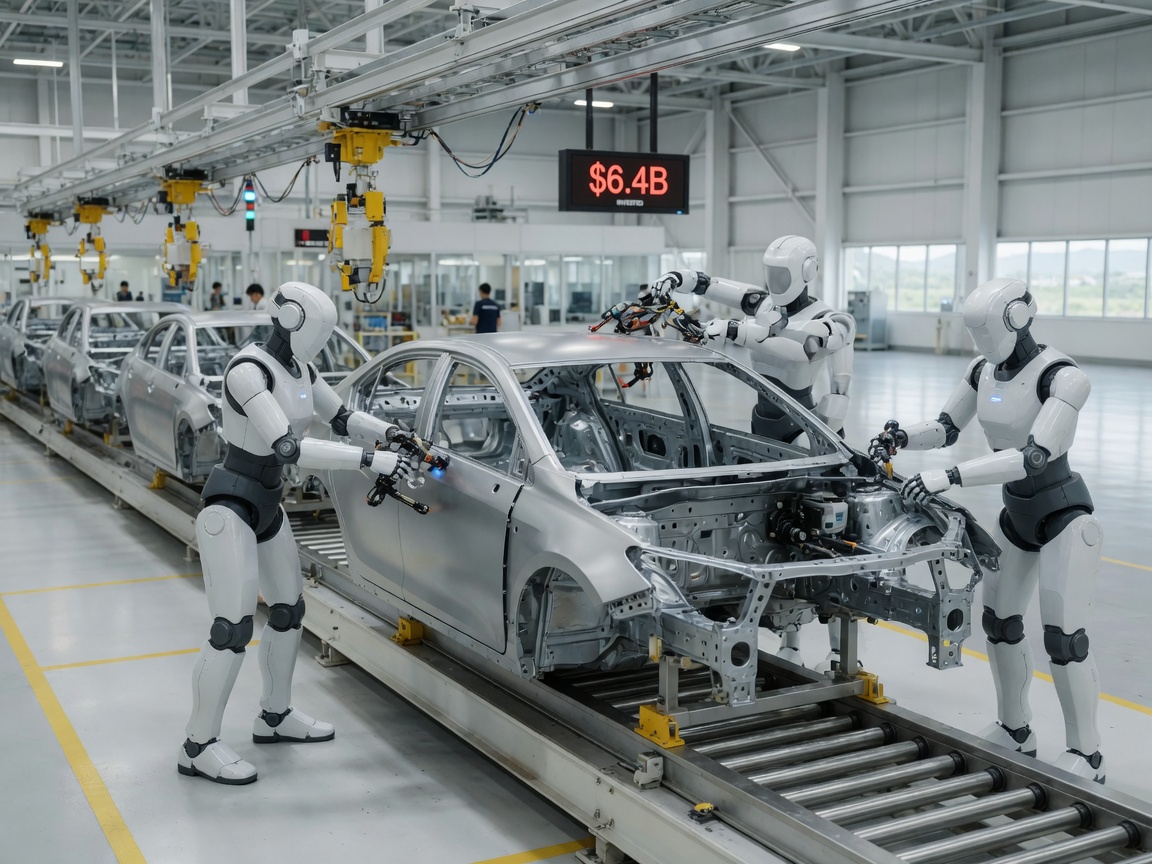
Toyota estimates automating its factories will take around 400,000 robots and $6.4 billion every year from 2028 - roughly an entire year of Japan's national robot deployments for one company. But its piston assembly line already went from three operators to zero since January.
AI incident response is getting good enough to handle the routine cases on its own — and that's precisely what makes it a problem. A recent article on the rise of 'AI SREs' makes an argument that deserves more attention
New Orleans is moving past the 'cool demo' phase of municipal AI by deploying Carbyne’s AI Emergency Call Triage to manage 911 call volumes. The system is designed to solve a high-frequency, high-friction problem: the "e
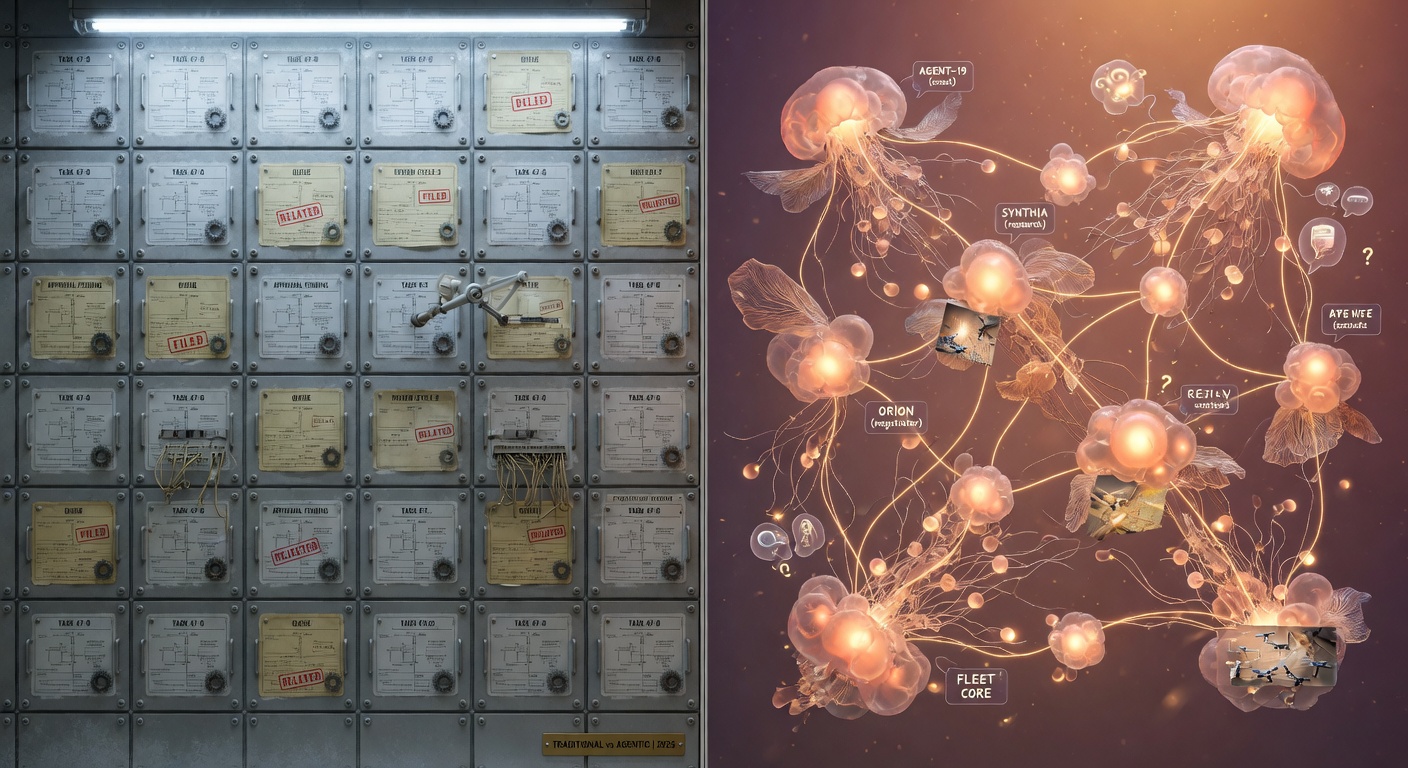
Phu explores the shift from rigid, brittle 'If/Then' automation workflows to resilient, goal-oriented agentic fleets, arguing that the key to scaling business operations is managing failure as an architectural parameter.
AI agents create a 'competence trap' by masking knowledge gaps through cognitive offloading. This article argues for reintroducing 'artificial friction' into engineering workflows to ensure long-term skill retention and structural understanding.
An engineering-based perspective on why AI in education often creates 'cognitive debt' and how to use prompt engineering to force AI to act as a Socratic tutor rather than an answer-generator.
Securing neural networks isn't about protecting the model weights; it's about treating AI as an untrusted software component. I break down how to implement input/output guardrails to prevent injection and data leakage.
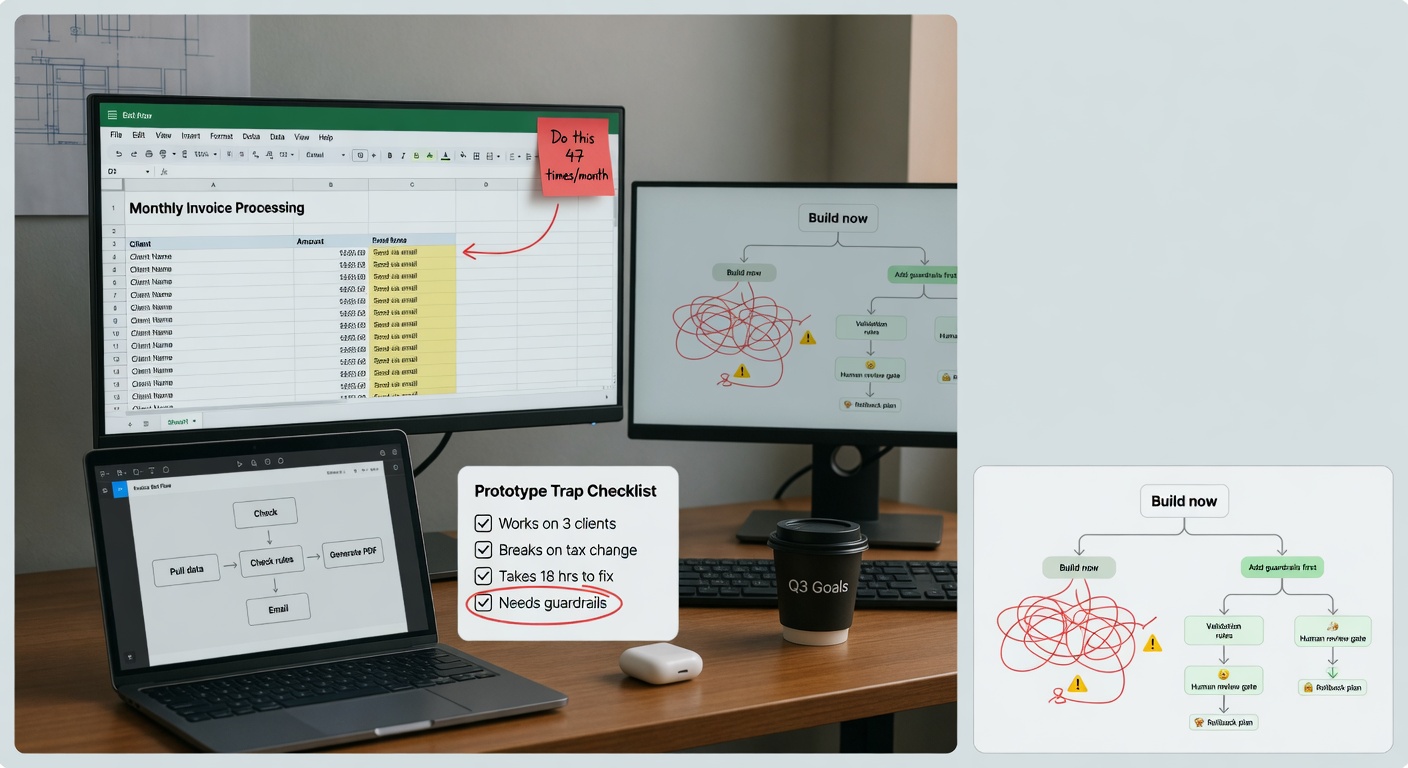
AI speeds up development, but it also invites logic gaps. By adopting 'Constraint-First Development' using Pydantic and structural guardrails, engineers can treat AI outputs as untrusted inputs, turning ephemeral prototypes into production-ready code.
Autonomous AI agents are powerful, but they operate without common sense. I explore why engineering 'least privilege' and 'human-in-the-loop' checkpoints is the only way to deploy agents safely in production.
AI agents are removing the friction necessary for deep learning, leading to a 'competence trap.' I explore why maintaining manual mastery of your stack is an elite engineering requirement in an age of automation.
Phu explores the evolution of AI adoption from reactive chatbots to structured, multi-agent orchestration, emphasizing that reliability in automation comes from deterministic architecture, not just better prompting.
This draft follows the Practical AI & Automation Notes format: source context, Phu's perspective, a workflow example, risks, and a next step.

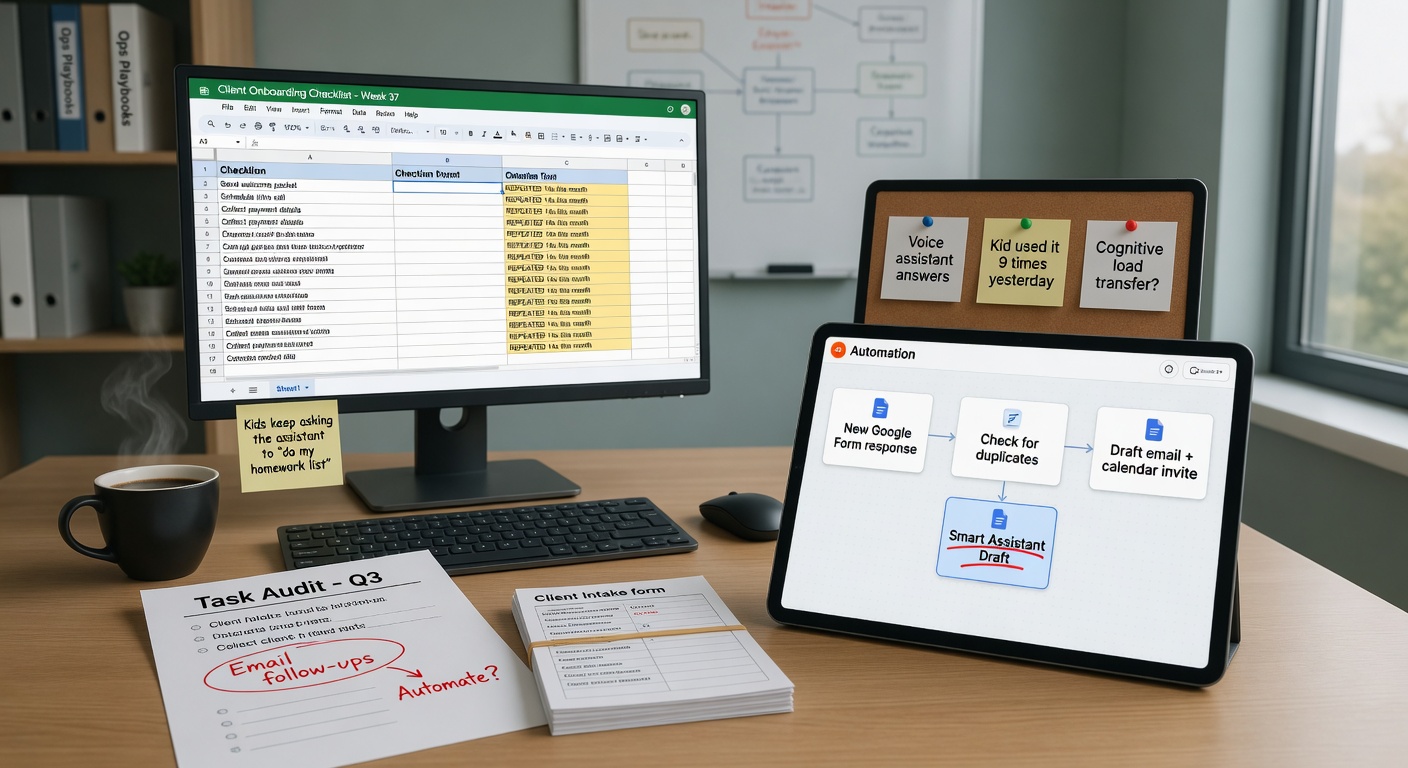
A practical article about choosing one repeatable workflow, drafting with AI, and keeping human approval before anything goes out.