The Automation of Fraud: Scaling Synthetic Identities in Africa
If we can't distinguish a synthetic identity from a human one at the API level, our current KYC models aren't just lagging—they’re basically obsolete.
Automation needs a narrow first win
The best first AI workflow is usually a repeated task with a clear input, clear output, and a human approval step.
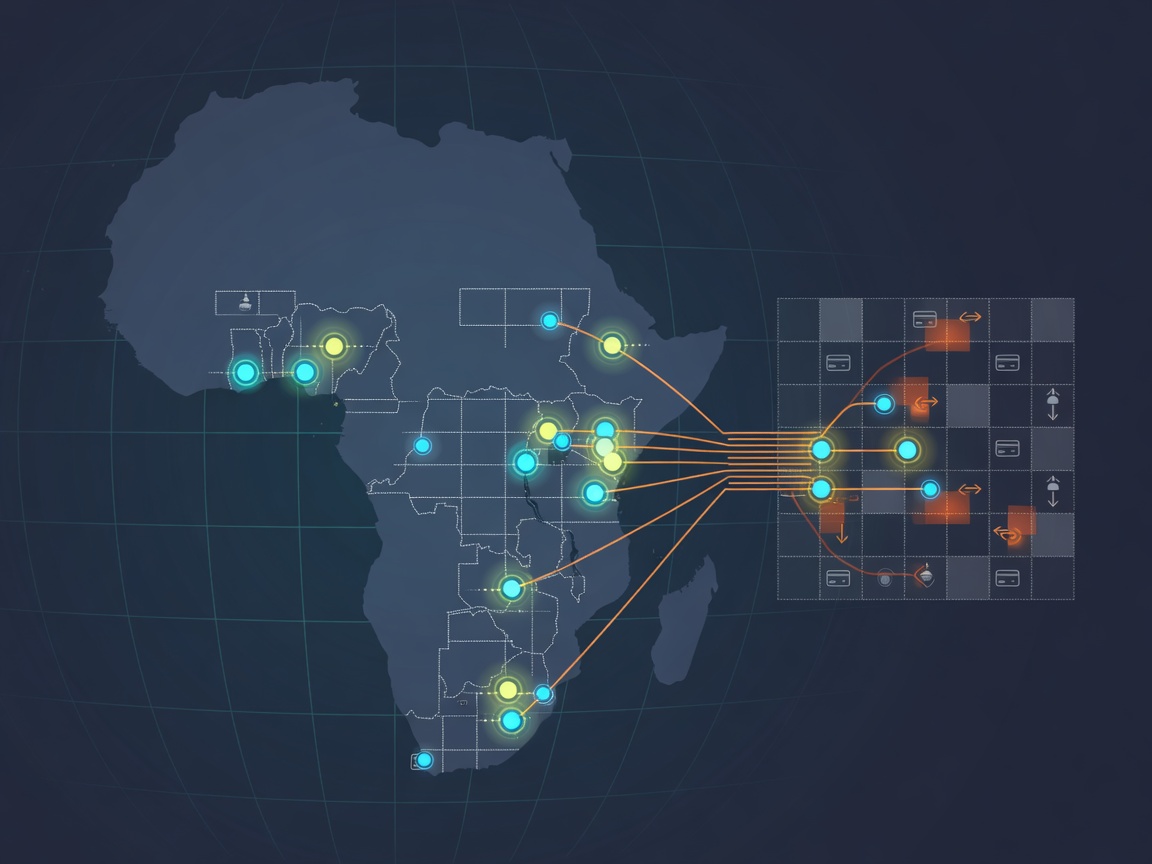
Let’s get real: AI isn't just a tool for creative work anymore; it’s becoming the primary engine for large-scale fraud across Africa. We’re seeing a shift from manual, 'low-tech' social engineering to automated, high-fidelity fraud at a scale that current verification systems weren't built to handle. According to INTERPOL’s 2026 report, AI is now driving over 50% of recorded cybercrime on the continent. This isn't a 'future threat'—it’s an active industrialization of deception.
The Porous Biometric Wall
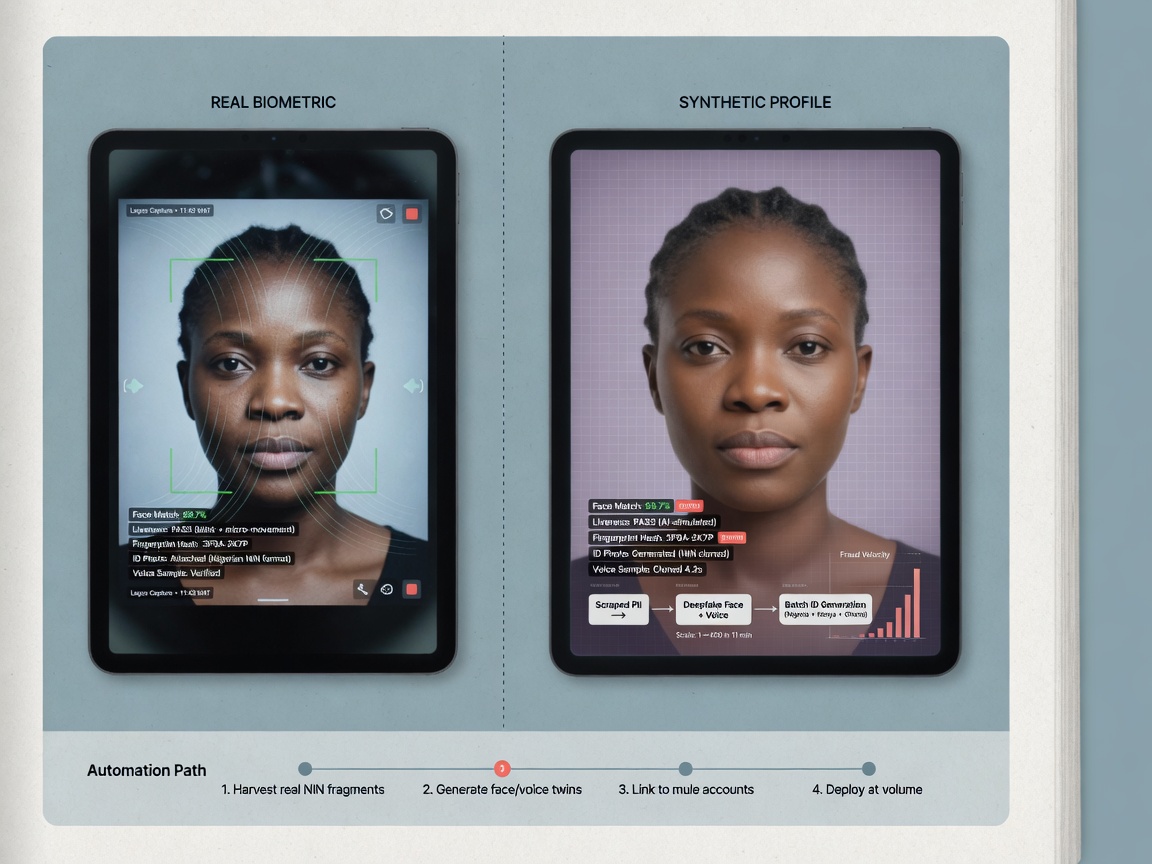
The biggest technical hurdle right now is the rise of synthetic identities. We aren't just talking about fake names; these are complex, AI-generated profiles designed to open bank accounts and secure mobile loans. Here’s the kicker: they are being engineered specifically to bypass biometric verification. For anyone building fintech or identity platforms, this means the "biometric wall" is becoming porous. When a criminal can generate high-quality synthetic data that mimics human traits, the standard verification flow stops being a defense and starts being a target. We have to stop assuming that a unique physical trait automatically equals a unique human identity.
Worth a look
Phugialy Picks

Data Security in the Age of AI: A Guide to Protecting Data and Reducing Risk in an AI-Driven World

AI Engineering: Building Applications with Foundation Models
A practical guide to building real-world applications with foundation models and LLMs.

OMOTON C2 Adjustable Aluminum Phone Stand
We'd buy this if: You want your phone upright on your desk for calls/notifications without a cable getting in the way.
We'd skip this if: You never keep your phone on your desk.
Some Phugialy Picks use affiliate links. If you buy through one, Phugialy may earn a commission. It doesn't change what we recommend. Full disclosure →
Scaling the "Human" Element
It’s not just identities; it’s the communication. Criminal networks are using AI to produce realistic emails for Business Email Compromise (BEC) scams at a pace that manual operators couldn't dream of. The "tells" we used to rely on—poor grammar, weird phrasing, or inconsistent tone—are being systematically erased by LLMs. This allows for personalized phishing to scale infinitely. The numbers back this up: sextortion cases linked to deepfakes have hit around 600,000, and the financial impact of these tactics has surged from $192 million in 2024 to $484 million in the current period. The barrier to entry for high-level fraud has effectively collapsed.
From Biometrics to Trust Models
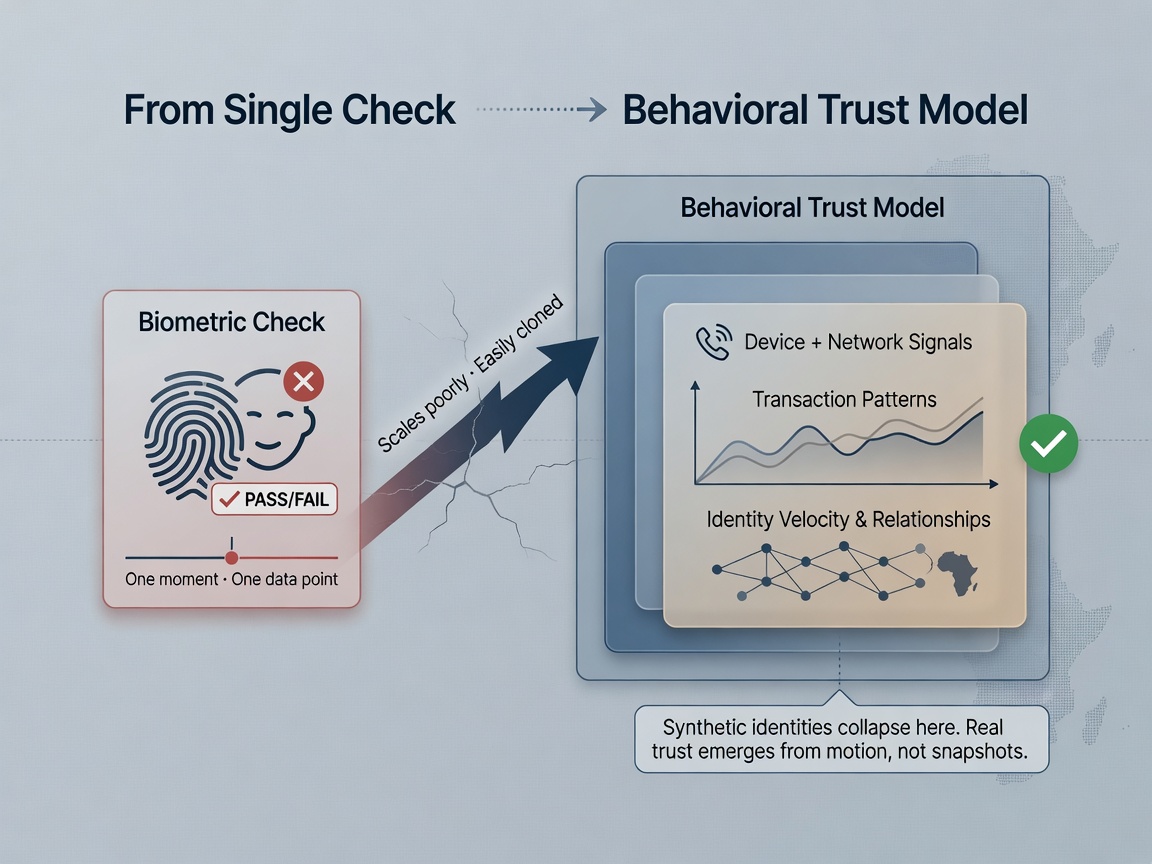
While 17 African countries have updated their cybercrime legislation, the speed of AI development is still outrunning the legislative cycle. The real story here isn't just that AI is being used for crime; it's that it's fundamentally breaking the trust models we use for digital onboarding. If the cost of generating a convincing synthetic identity drops below the cost of verifying a real one, fraud becomes the default state, not the edge case. For engineers, the challenge isn't just "better" biometrics—it’s building systems that can handle a reality where "human" data is increasingly indistinguishable from "synthetic" data at production scale. We need to move toward multi-layered, behavioral trust models before the current infrastructure fails completely.
Got a question about how this applies to you? →
Keep reading
Follow the thread
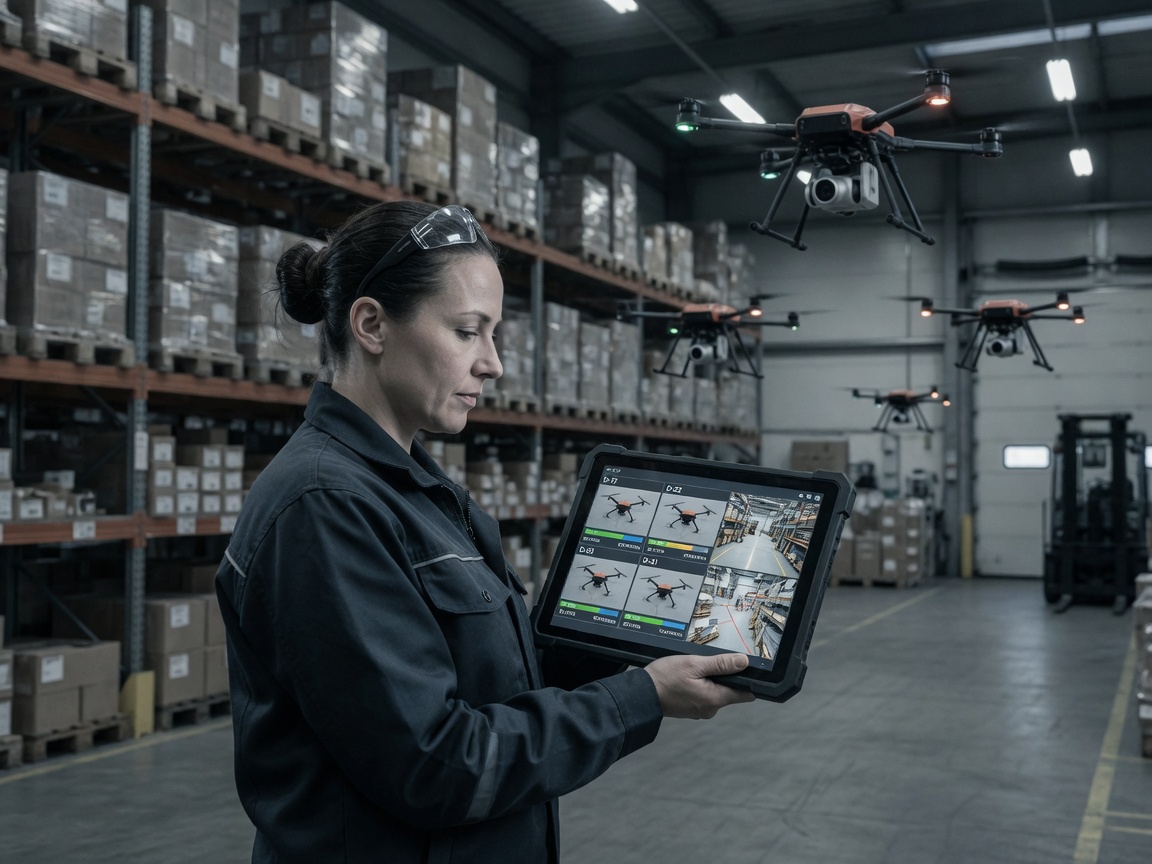
Responsible Industrial AI: Where Human Oversight Actually Ends
AVEVA says AI should augment rather than replace people in critical decision loops - while predicting autonomous robots and drones across plants and mining sites. Both can only be true if someone quietly reclassifies which decisions count as critical.
Read this noteSame lane, different angle
Toyota's $6.4B Factory Automation Bet: What It Really Costs
Toyota estimates automating its factories will take around 400,000 robots and $6.4 billion every year from 2028 - roughly an entire year of Japan's national robot deployments for one company. But its piston assembly line already went from three operators to zero since January.
AI Incident Response Works — So Why Are Engineers Losing the Skill?
AI incident response is getting good enough to handle the routine cases on its own — and that's precisely what makes it a problem. A recent article on the rise of 'AI SREs' makes an argument that deserves more attention