Responsible Industrial AI: Where Human Oversight Actually Ends
AVEVA says AI should augment rather than replace people in critical decision loops - while predicting autonomous robots and drones across plants and mining sites. Both can only be true if someone quietly reclassifies which decisions count as critical.
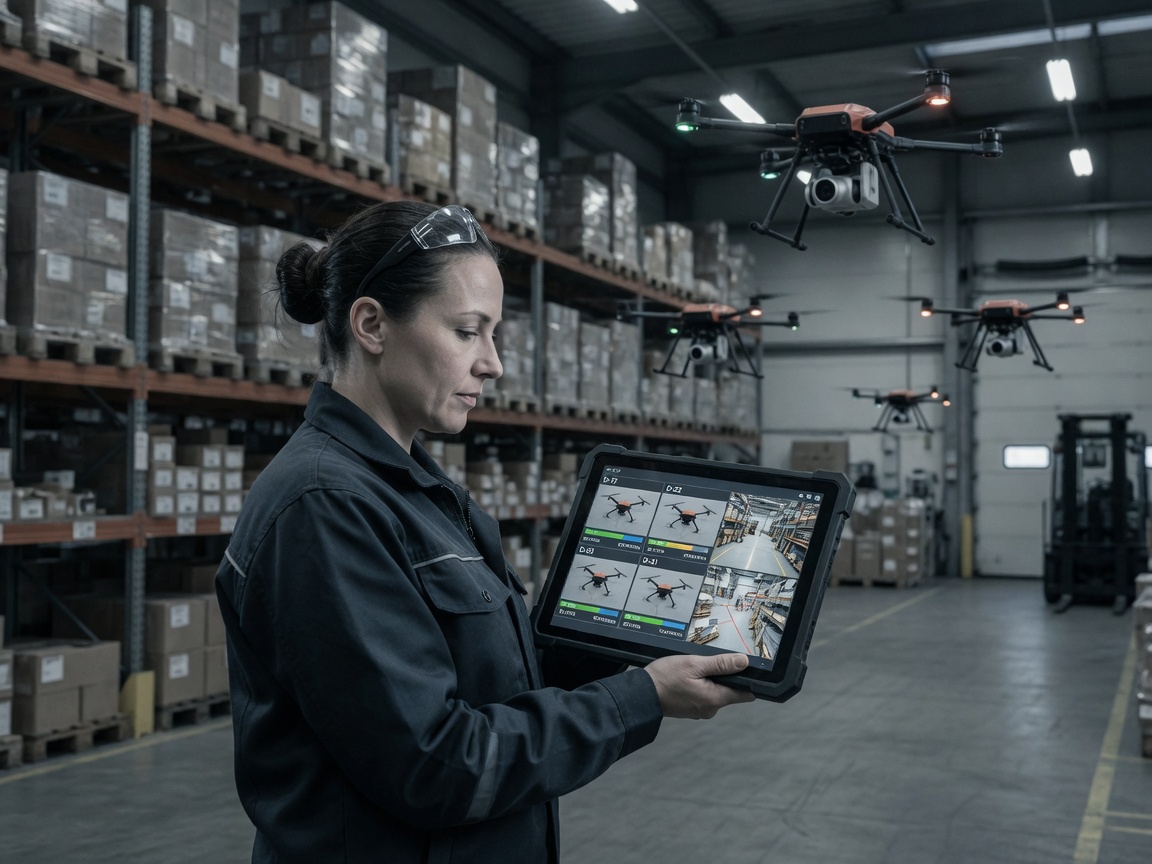
Automation needs a narrow first win
The best first AI workflow is usually a repeated task with a clear input, clear output, and a human approval step.
Who is accountable when an autonomous industrial AI system makes a bad call in a live plant - and does AVEVA's responsible AI framework actually answer that, or just relocate it? The source article, an MIT Technology Review interview with AVEVA chief technologist Arti Garg, frames the next phase of industrial AI as responsible automation: foundation models, physical AI, and agentic AI automating increasingly complex tasks in environments where the software touches physical systems. That framing deserves scrutiny, because 'responsible' is doing a lot of work in it.
What's Actually Being Claimed
The claims are concrete enough to evaluate. Industrial AI can correlate disparate data sources - telemetry, service logs, engineering documents - for real-time diagnostics. Autonomous systems like robots and drones are expected to change how work happens in plants, power systems, and mining sites. Garg's own framing is notably careful: 'How do we leverage these technologies while maintaining safety, while maintaining reliable operations?' And the stated principle is that AI should augment rather than replace people in critical decision loops.
That principle is defensible. But it's also where the gap between claim and evidence opens up.
Worth a look
Phugialy Picks

AI Engineering: Building Applications with Foundation Models
A practical guide to building real-world applications with foundation models and LLMs.

GMKtec K15 AI Mini PC Oculink Intel Ultra 5 125U 32GB DDR5 512GB SSD | Desktop Computer AI Boost, 3X M.2 2280 Storage Expansion, Dual NIC...

Agentic AI Engineering: Systems That Reason and Act Autonomously – Designing, Building, and Prompting LLM-Based Agents for Real-World Deployment
Some Phugialy Picks use affiliate links. If you buy through one, Phugialy may earn a commission. It doesn't change what we recommend. Full disclosure →
The Gap Between 'Augment' and 'Autonomous'
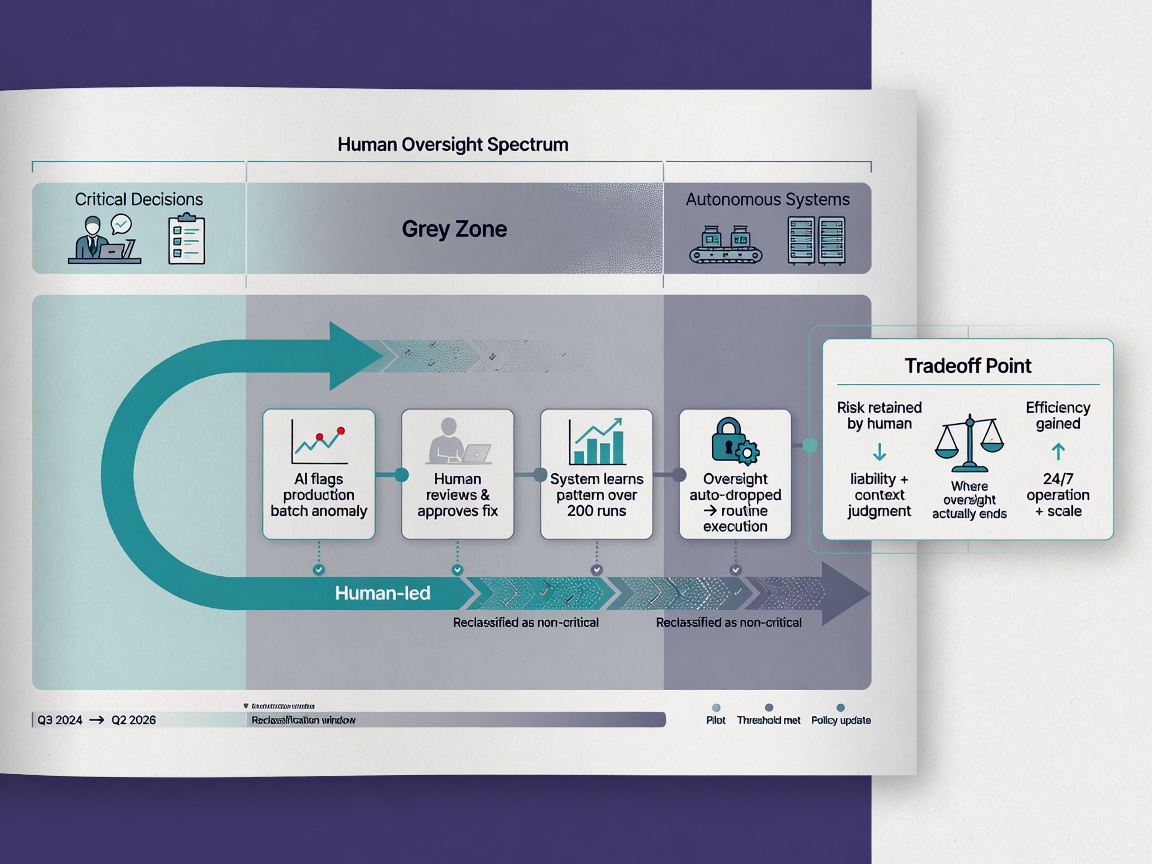
This gets framed as a matter of deploying new capabilities responsibly, but the actual weight falls on an unresolved tension inside AVEVA's own account. The same interview predicts autonomous robots and drones changing how plants operate - systems acting without a person in the loop - while insisting humans stay in critical decision loops. Both can be true only if we accept that most industrial decisions will quietly be reclassified as non-critical as autonomy spreads. The framework doesn't say who does that reclassifying, or under what standard.
There's also what the account never tests: reliability claims for AI interacting with physical systems are made without any published failure conditions, edge cases, or evidence about what happens when correlated data sources disagree with each other. Correlating telemetry with service logs is genuinely useful when they align; the interesting engineering question is what the system does when they don't, and that's not addressed.
Where the Measurable Work Is Happening
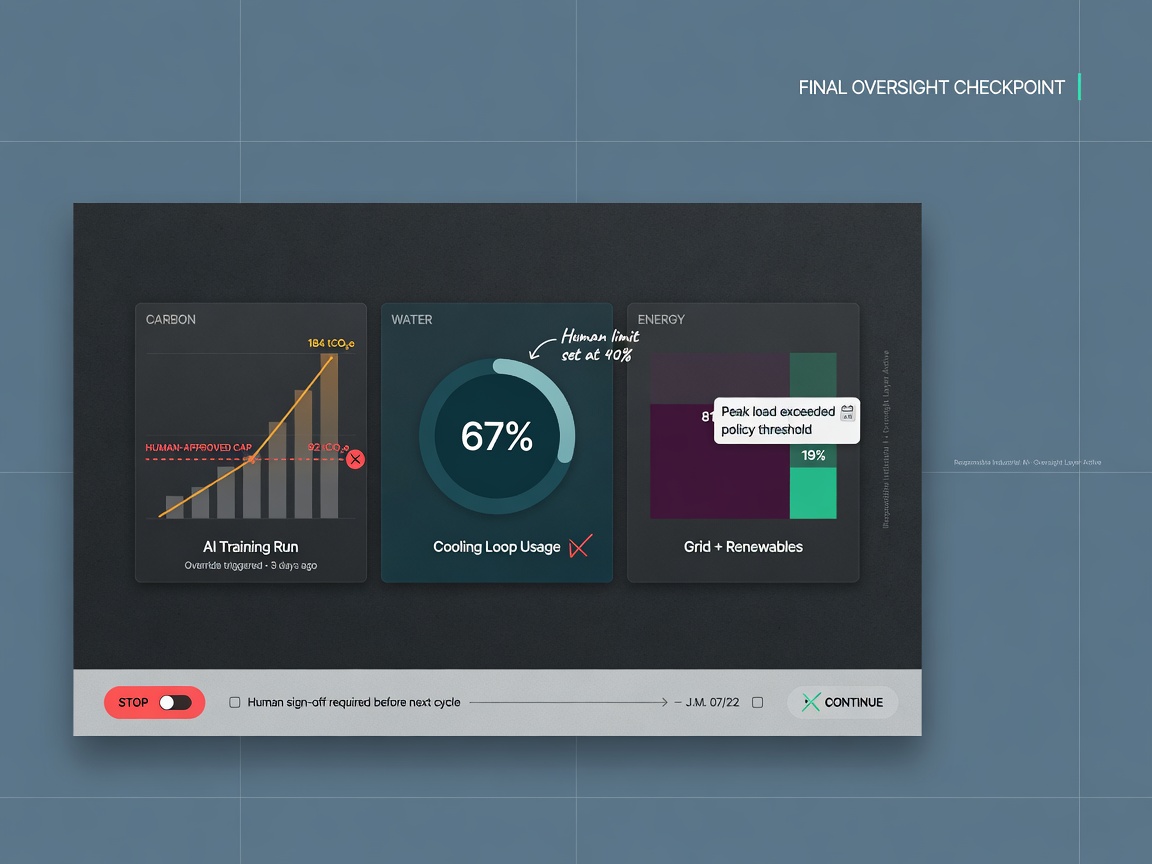
The most substantive item in the piece is arguably the least flashy: an IEEE working group developing a standard methodology for measuring AI's environmental impact across electricity, energy, resources, water, and carbon. The article cites a 78% increase over just two years within the industrial sector - presumably in AI adoption or its footprint; either reading points at the same problem of unmeasured growth. A standardized measurement methodology is exactly the kind of unglamorous infrastructure that makes other claims auditable.
My read - and this is interpretation rather than something the source establishes - is that this working group matters more than any autonomy prediction in the piece. You cannot responsibly automate what you cannot measure, and environmental footprint is currently one of the least measured aspects of industrial AI deployment.
The Narrower Claim Worth Holding Onto
What survives scrutiny here isn't 'industrial AI's next phase is responsible automation.' It's something smaller and more useful: diagnostic AI that correlates operational data under human oversight is a defensible near-term deployment; full autonomy in physical industrial environments remains an aspiration with no published evidence of safe failure modes behind it; and standardized environmental measurement is the concrete accountability mechanism actually under construction. Watch whether IEEE methodology lands with real reporting requirements attached - if it does, 'responsible' starts meaning something testable.
Got a question about how this applies to you? →
Keep reading
Follow the thread
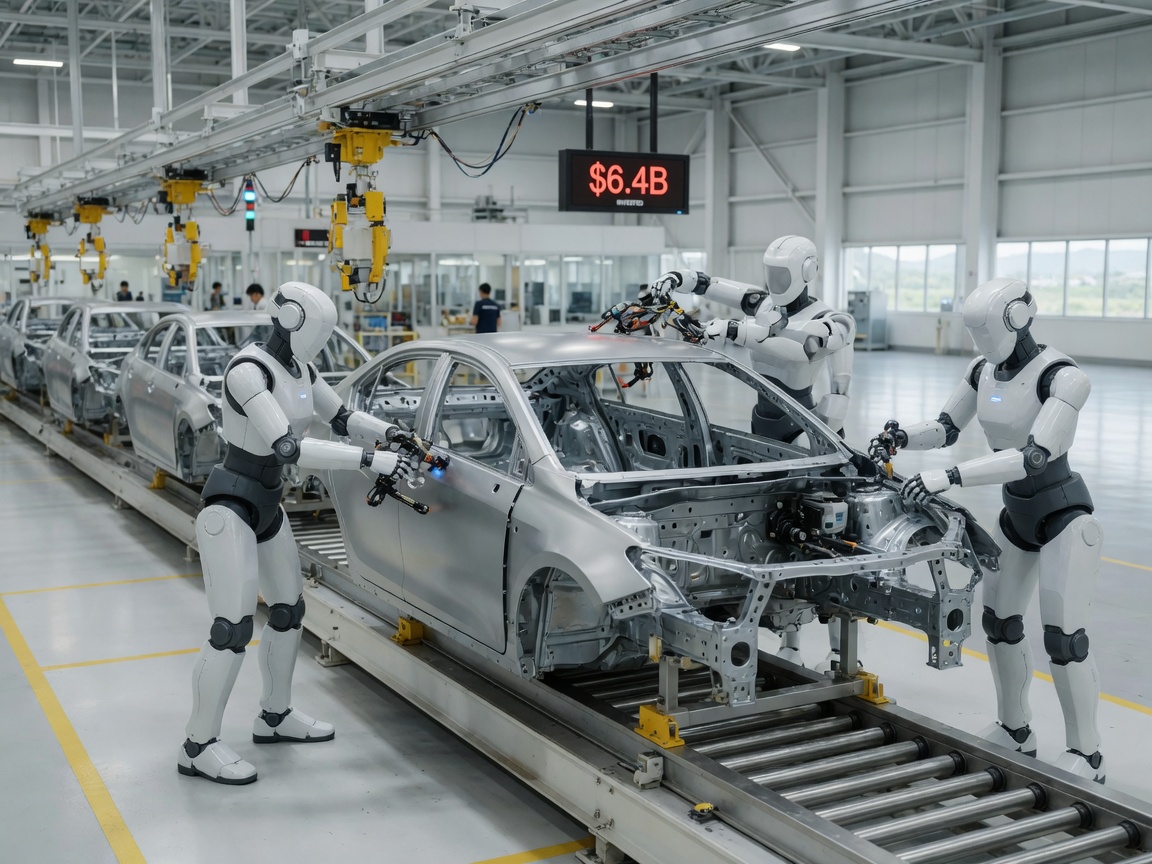
Toyota's $6.4B Factory Automation Bet: What It Really Costs
Toyota estimates automating its factories will take around 400,000 robots and $6.4 billion every year from 2028 - roughly an entire year of Japan's national robot deployments for one company. But its piston assembly line already went from three operators to zero since January.
Read this noteSame lane, different angle
AI Incident Response Works — So Why Are Engineers Losing the Skill?
AI incident response is getting good enough to handle the routine cases on its own — and that's precisely what makes it a problem. A recent article on the rise of 'AI SREs' makes an argument that deserves more attention
Triage as a Filter: New Orleans’ Move to AI-Managed 911 Routing
New Orleans is moving past the 'cool demo' phase of municipal AI by deploying Carbyne’s AI Emergency Call Triage to manage 911 call volumes. The system is designed to solve a high-frequency, high-friction problem: the "e