AI Automation Depends on What We Can Grade and Value
AI is more likely to automate work that people can reliably grade—but that is only half the test. The other half is whether we agree on what makes the work valuable.
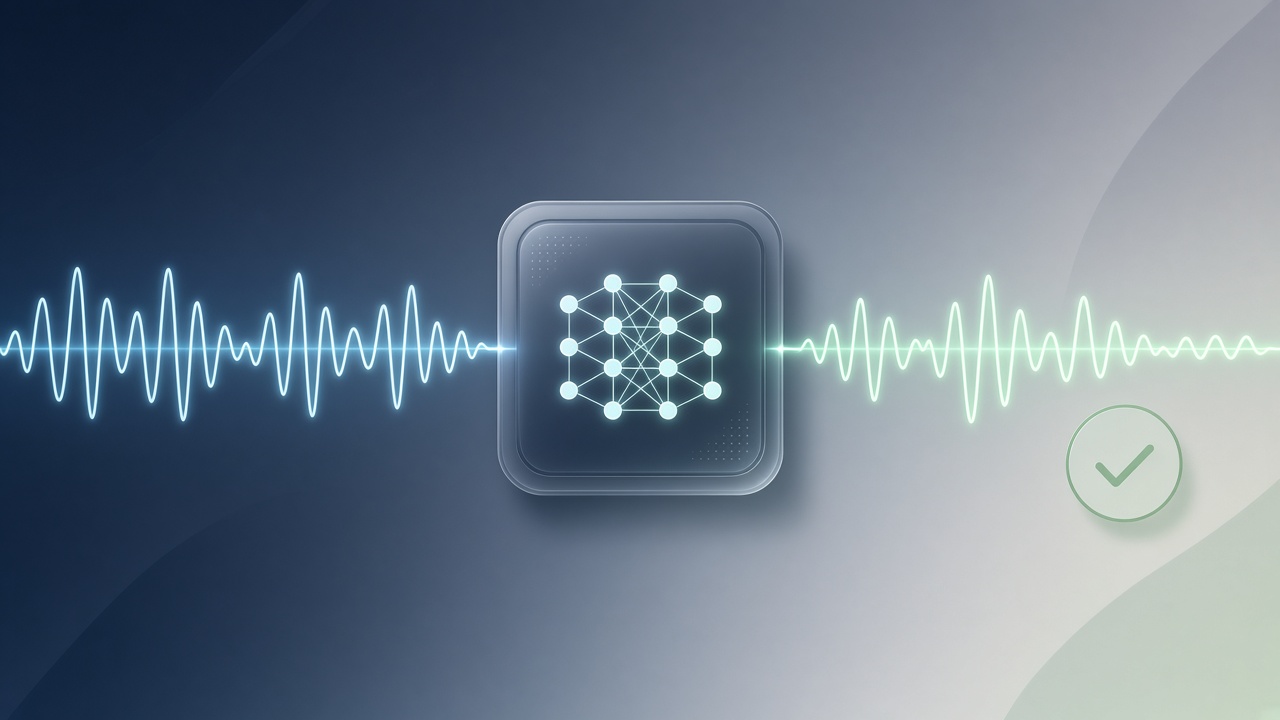
Automation needs a narrow first win
The best first AI workflow is usually a repeated task with a clear input, clear output, and a human approval step.
Why is AI automation easier to predict for some tasks than others? A useful answer is that AI is more likely to take on work when people can reliably judge whether the result is good—and broadly agree that the work matters.
AI automation starts with work that can be checked
The source article calls the link between checkable work and trainable AI “verifier’s law”: tasks that are easier to verify are easier to train AI to perform. In plain terms, a system can learn more readily when someone can tell whether an answer meets the task’s requirements. The article points to software and voice cloning as work that is highly gradable.
One example makes the idea concrete. The author created a local voice clone using a free, open-source model; the process took a few hours and about $5 in computing credits. Voice cloning can feel like a distinctly human task, but the article’s point is not that every part of it is easy or that the model works in a particular way. It is that the task can be assessed more reliably than work whose success depends heavily on personal judgment.
That distinction matters because “human-feeling” and “hard to automate” are not the same thing. A task can seem personal and still have outcomes people can check.
Worth a look
Phugialy Picks

AI Engineering: Building Applications with Foundation Models
A practical guide to building real-world applications with foundation models and LLMs.

GMKtec K15 AI Mini PC Oculink Intel Ultra 5 125U 32GB DDR5 512GB SSD | Desktop Computer AI Boost, 3X M.2 2280 Storage Expansion, Dual NIC...

Agentic AI Engineering: Systems That Reason and Act Autonomously – Designing, Building, and Prompting LLM-Based Agents for Real-World Deployment
Some Phugialy Picks use affiliate links. If you buy through one, Phugialy may earn a commission. It doesn't change what we recommend. Full disclosure →
A good score is not the same as shared value
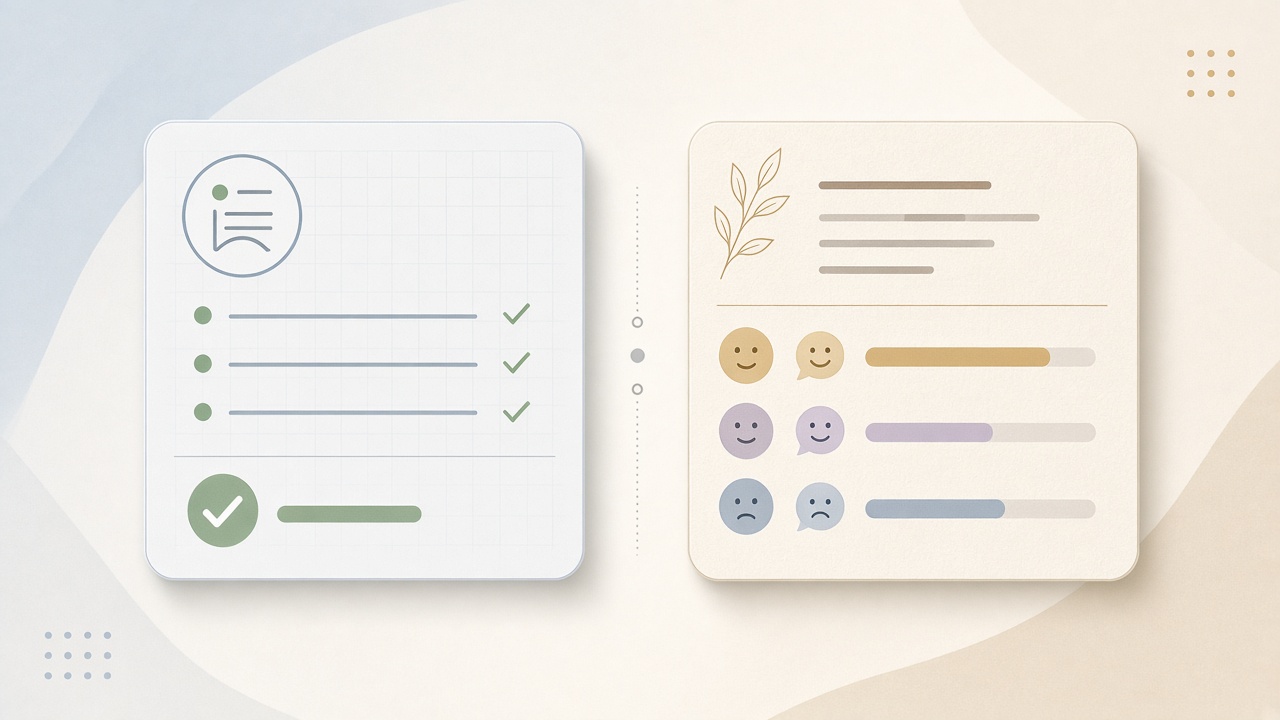
There are two questions here, not one. First: can we reliably grade the result? Second: do people broadly agree on what makes the work valuable? The article treats both as useful clues for predicting automation.
Poetry shows why the second question matters. People can have strong reactions to a poem, but there is less objective agreement about how to score its value than there is for tasks such as voice cloning or software. That does not mean poetry is worthless, or that no one can evaluate it. It means the evaluation is less settled.
This is the part that can get blurred in discussions of AI and creative work. A machine may produce something that people judge differently, even when they can all agree on a software test or another defined check. Reliable grading and shared agreement about value overlap, but they are not interchangeable.
The best automation forecast asks both questions
My read is that “what you can specify” and “what you can verify” are useful clues, but neither alone answers whether a task is likely to be automated. If a result can be checked but people disagree about what counts as valuable, the task may still be difficult to evaluate in a broader sense. If people agree something matters but cannot reliably assess the result, training it may be difficult too.
That makes the article’s framework more useful than a simple list of jobs that AI might replace. It points readers toward the shape of the work: how clear its standards are, and how much agreement exists about its value. The voice clone is a reminder that a task can feel distinctly human and still be relatively gradable; poetry is a reminder that strong feelings do not automatically create a shared score.
So when asking what AI might automate next, look past whether the work seems human. Ask whether people can check the result—and whether they agree on what a good result is.
Holiday picks
Thanksgiving: early shopping
Start early: products for hosting, travel and home, plus the gear you have been watching.

Audio
Big purchaseSony WH-1000XM5 Premium Noise Cancelling Wireless Headphones
View on Amazon (opens in a new tab): Sony WH-1000XM5 Premium Noise Cancelling Wireless HeadphonesPrices change daily. Check today's price on Amazon.
 Trending now
Home & Kitchen
eufy C28 Robot Vacuum Cleaner and Mop for pet hair, 15,000 Pa
View on Amazon (opens in a new tab): eufy C28 Robot Vacuum Cleaner and Mop for pet hair, 15,000 PaPrices change daily. Check today's price on Amazon.
 Trending now
Home & Kitchen
De'Longhi Magnifica Duo Automatic Espresso Machine, Milk Frother, Silver
View on Amazon (opens in a new tab): De'Longhi Magnifica Duo Automatic Espresso Machine, Milk Frother, SilverPrices change daily. Check today's price on Amazon.
We earn from qualifying purchases made through these links, at no extra cost to you, as an Amazon Associate and through other affiliate programs. Disclosure. See all Thanksgiving picks
Got a question about how this applies to you? →
Keep reading
Follow the thread
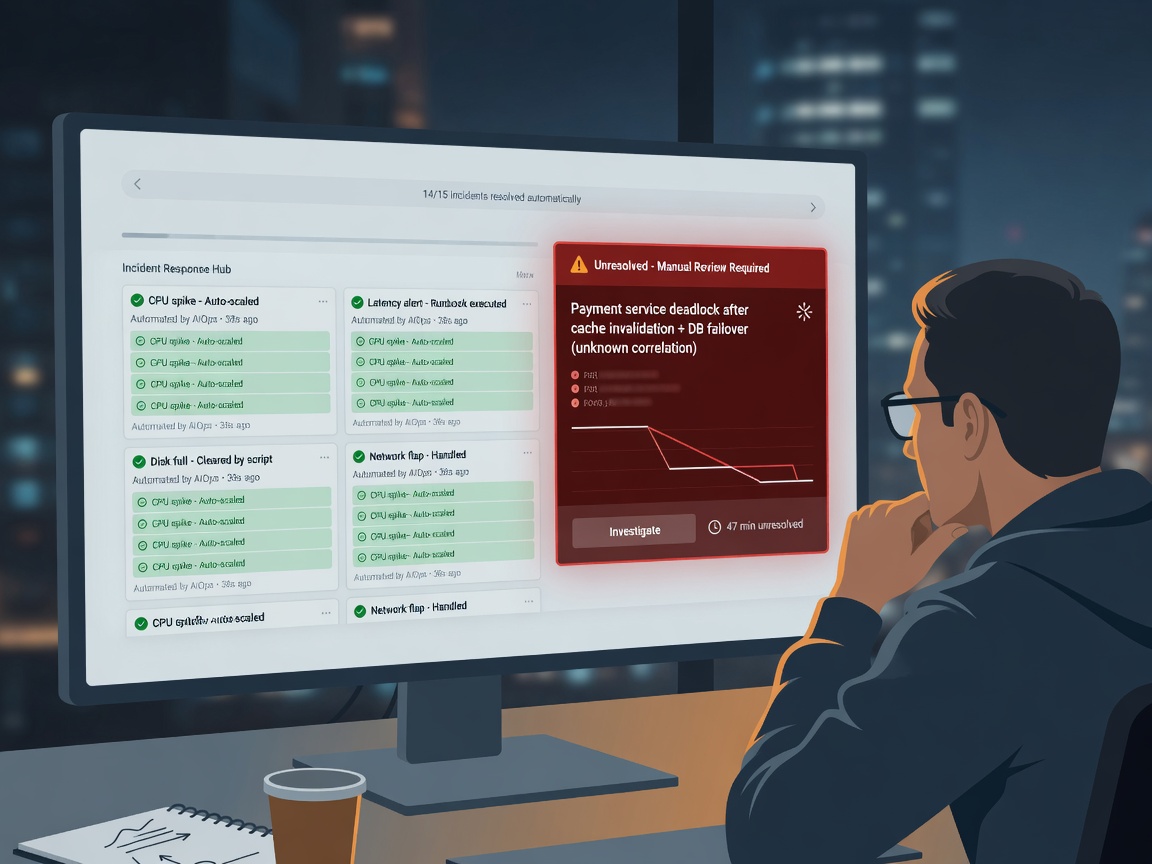
SRE Deskilling: What AI Incident Automation Can Erode
AI already automates routine SRE work: grouping alerts, surfacing known-issue runbooks, flagging anomalies, and handling some remediation. The concern is not that these systems can’t help with incident response. It’s tha
Read this noteSame lane, different angle
Why LLMs as Tools Still Require Human Judgment and Oversight
An LLM’s unpredictability doesn’t settle whether it’s a tool. The more useful test is whether a person can direct its work, judge the output, and stay accountable for the result.
Tool Use and LLM Automation: The Business Skill Trade-Off
An LLM can handle paper-reading, but the task may also be where people learn to write, argue, notice, and think. For businesses, the decision is whether that practice is expendable—or part of the capability they need to keep.