Triage as a Filter: New Orleans’ Move to AI-Managed 911 Routing
New Orleans is moving past the 'cool demo' phase of municipal AI by deploying Carbyne’s AI Emergency Call Triage to manage 911 call volumes. The system is designed to solve a high-frequency, high-friction problem: the "e
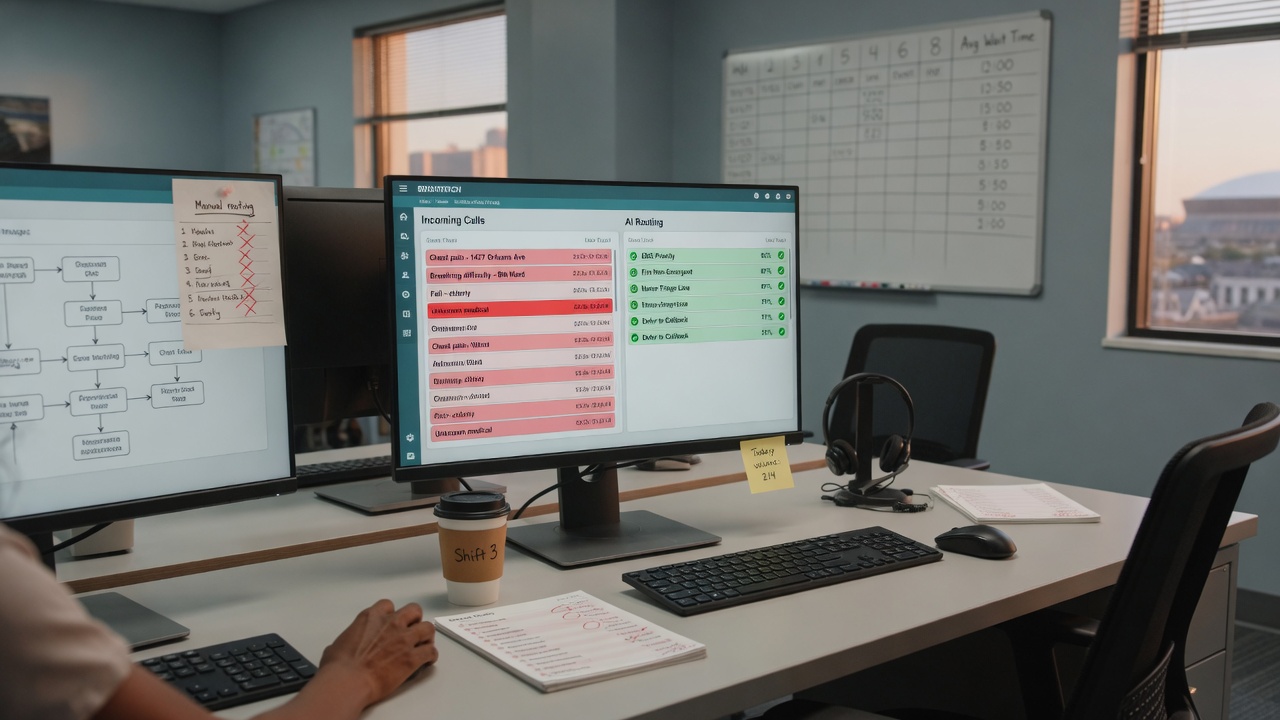
Automation needs a narrow first win
The best first AI workflow is usually a repeated task with a clear input, clear output, and a human approval step.
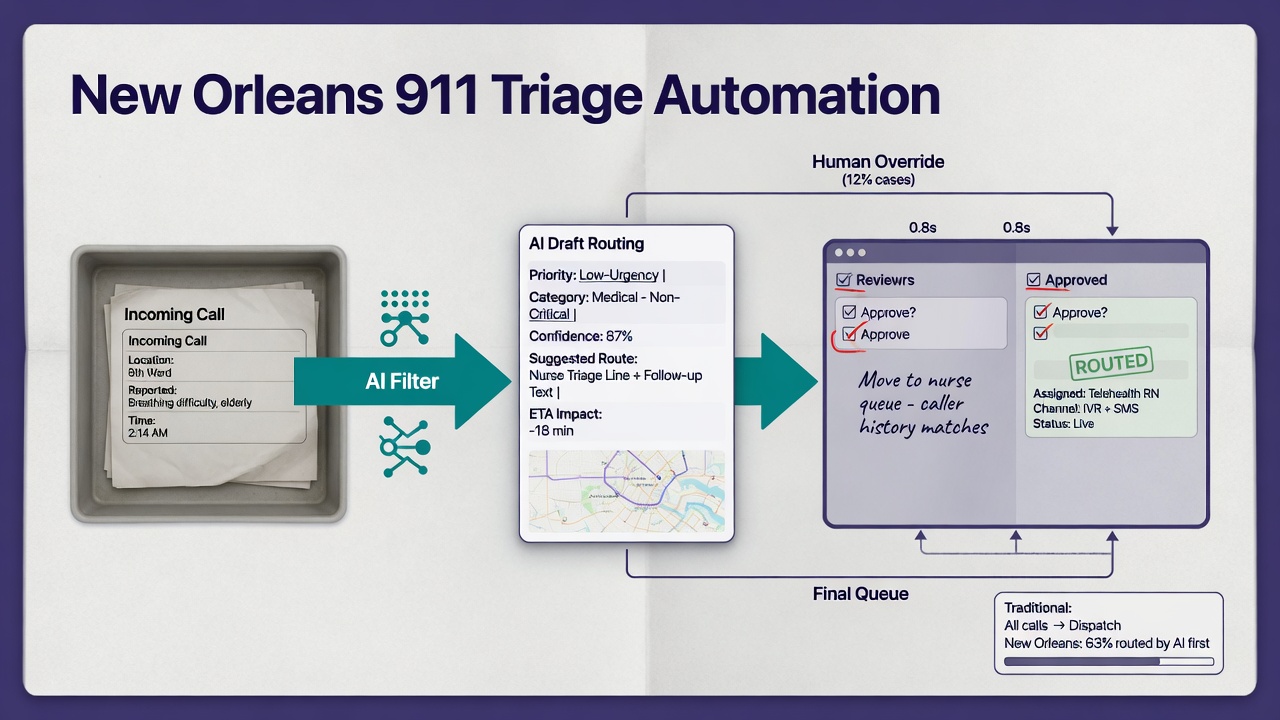
New Orleans is moving past the 'cool demo' phase of municipal AI by deploying Carbyne’s AI Emergency Call Triage to manage 911 call volumes. The system is designed to solve a high-frequency, high-friction problem: the "echo" effect of major incidents where dozens of people call about the same fire or accident simultaneously. By identifying these repeated calls and routing them to an AI agent for information gathering, the system clears the line for unique emergencies that require immediate human dispatch.
Solving the Deduplication Problem at Scale
The Orleans Parish Communication District (OPCD) already successfully used this tech for 311 non-emergency calls, where roughly 50% of the volume is just information seeking. Moving this to 911 changes the stakes significantly. From a systems perspective, the goal here isn't "replacing" the dispatcher; it’s building a filtering layer. If a major incident occurs, a human dispatcher’s biggest bottleneck is often answering the same question fifty times. By offloading those repetitive interactions to an AI agent, we preserve human capacity for the 1% of calls that are actually unique. It’s a classic prioritization logic—using automation to handle the "known" and reserving human cognition for the "unknown.
Worth a look
Phugialy Picks

AI Engineering: Building Applications with Foundation Models
A practical guide to building real-world applications with foundation models and LLMs.

Python Machine Learning By Example: Unlock machine learning best practices with real-world use cases

The Claude AI Bible: The Complete and Easy-to-Follow Guide to Mastering Claude – Build Practical Workflows, Automate Repetitive Tasks, and 10x Your Productivity
Some Phugialy Picks use affiliate links. If you buy through one, Phugialy may earn a commission. It doesn't change what we recommend. Full disclosure →
The Production Reality of Dialects and Bias
Moving from 311 to 911 isn't just a scale-up; it’s a massive jump in technical stakes. In a production environment, things like algorithmic bias or failing to parse a thick regional accent aren't just "bugs"—they are systemic failures. If the model is trained on standard American English but fails to parse a non-native speaker during a high-stress emergency, the triage fails. Furthermore, the cybersecurity requirements for 911 infrastructure are non-negotiable. Integrating a voice model into a critical safety pipeline means every latency spike or hallucination has a potential real-world consequence. You can't "move fast and break things" when the "thing" is a public safety lifeline.
Engineering the Perfect Handoff
The real story here is how we define the "handoff" point in high-stakes automation. The OPCD is clear: the AI will not handle emergencies, only direct them. This means the most critical piece of engineering isn't the AI's ability to speak, but the system's ability to recognize when it can't help and escalate to a human instantly. For developers, this highlights the importance of "fail-fast" mechanisms in safety-critical AI. If the confidence score on a triage categorization drops below a certain threshold, the system must default to a human. The success of this deployment won't be measured by how many calls the AI handles, but by how accurately it identifies the specific moment a call needs to break out of the automated loop.
Got a question about how this applies to you? →
Keep reading
Follow the thread
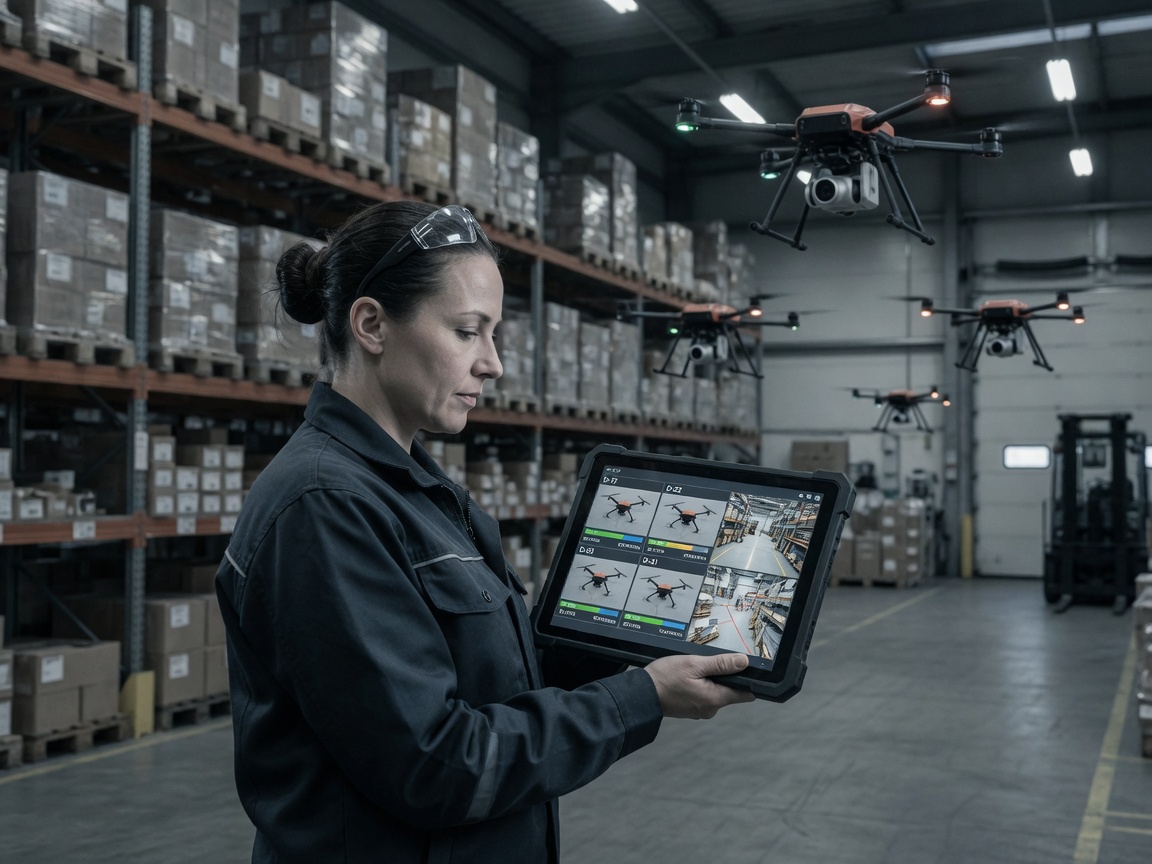
Responsible Industrial AI: Where Human Oversight Actually Ends
AVEVA says AI should augment rather than replace people in critical decision loops - while predicting autonomous robots and drones across plants and mining sites. Both can only be true if someone quietly reclassifies which decisions count as critical.
Read this noteSame lane, different angle
Toyota's $6.4B Factory Automation Bet: What It Really Costs
Toyota estimates automating its factories will take around 400,000 robots and $6.4 billion every year from 2028 - roughly an entire year of Japan's national robot deployments for one company. But its piston assembly line already went from three operators to zero since January.
AI Incident Response Works — So Why Are Engineers Losing the Skill?
AI incident response is getting good enough to handle the routine cases on its own — and that's precisely what makes it a problem. A recent article on the rise of 'AI SREs' makes an argument that deserves more attention